

Ultimate P0750 Guide: Shift Solenoid 'A' Malfunction (2026 Edition)
The Definitive Guide to Diagnosing and Fixing OBD-II Code P0750
- Driving with a P0750 code locks your transmission in 2nd or 3rd gear and limits your speed to 35 mph.
- Check your transmission fluid level and color first, as low or burnt fluid causes 30% of solenoid performance issues.
- Test the solenoid's resistance with a multimeter (typically 10-30 Ohms) before replacing it to rule out a simple $50 wiring harness short.
- Expect to pay between $350 and $850 for a professional shift solenoid replacement, including parts, labor, and new transmission fluid.
What Does P0750 Mean?
P0750 means your car's Powertrain Control Module (PCM) detected an electrical fault in the control circuit for shift solenoid 'A' in the automatic transmission. This solenoid is an electronically controlled valve directing transmission fluid to execute gear shifts, typically the 1-2 shift. When the PCM commands a gear change, it expects a specific voltage drop and a corresponding change in engine RPM. When it misses this signal, it flags P0750, indicating a failure in the solenoid, its wiring, or the control module.
Technical definition: The SAE/OBD-II definition for P0750 is "Shift Solenoid 'A' Malfunction". This generic code indicates the PCM or TCM detected an improper voltage reading or unexpected electrical condition in the control circuit for shift solenoid 'A'. The computer sets this code when the measured voltage drop across the circuit misses manufacturer parameters during solenoid activation. The PCM tests circuit continuity by pulsing the solenoid and looking for an inductive spike; if missing after three consecutive tests, the code sets.
Can I Drive With P0750?
No — Do Not Drive. Driving is strongly discouraged. Your vehicle enters "limp mode," locking the transmission in 2nd or 3rd gear and limiting your speed to 35 mph. Continuing to drive forces the transmission to operate under high stress and overheats the fluid, destroying clutches and seals. This turns a $350 solenoid repair into a $3,000+ transmission rebuild.
Common Causes
- Failed Shift Solenoid 'A' (Very Common) — The solenoid is an electromagnet that fails internally. The coil windings develop an open circuit (a break) or a short circuit, preventing it from generating the magnetic force needed to move its plunger and direct fluid flow.
- Low or Dirty Transmission Fluid (Very Common) — Low fluid causes insufficient hydraulic pressure, while old, contaminated fluid clogs the solenoid's internal passages and the valve body, causing it to stick or fail to actuate.
- Damaged Wiring or Loose Connectors (Common) — The wiring harness frays, chafes, or shorts to ground due to heat and vibration. Connectors corrode, fill with fluid, or lose female pin tension over time, causing an intermittent, high-resistance connection that triggers P0750 even when the solenoid tests good.
- Faulty Transmission Control Module (TCM/PCM) or Bad Ground (Less Common) — The internal driver circuit powering the solenoid burns out, setting a P0750 code. This is a known issue on specific makes like Hyundai, Kia, and Fords with the DSP6 transmission. Additionally, a corroded ground wire introduces electrical noise and voltage fluctuations, causing erratic module behavior.
- Faulty Transmission Valve Body (Less Common) — The valve body is the hydraulic control center. Its intricate passages block with sludge and debris, or the body itself cracks or warps, preventing proper fluid flow even with a functional solenoid.
- Internal Transmission Mechanical Failure (Rare) — Significant metallic debris in the fluid indicates wear or failure of internal clutches, bands, or gears. This debris clogs the entire hydraulic system, leading to solenoid codes as a secondary symptom of a destroyed transmission.
Symptoms
- Check Engine Light is On — The PCM illuminates the Malfunction Indicator Lamp (MIL) immediately upon detecting the fault.
- Transmission Stuck in Limp Mode — The vehicle enters a fail-safe mode, locking the transmission into 2nd or 3rd gear to prevent further damage, resulting in poor acceleration and a 35 mph top speed.
- Harsh, Delayed, or Slipping Shifts — You experience severe clunking when shifting, a long delay before a gear engages, or engine RPM flares without vehicle acceleration.
- Engine Stalling — When coming to a stop, the transmission fault causes the torque converter to remain locked, stalling the engine.
- Decreased Fuel Economy — With the transmission unable to shift into higher gears, the engine runs at higher RPMs, significantly increasing fuel consumption.
Diagnostic Flowchart
Tap your situation to follow the diagnostic path that matches what you're seeing on this code.
Common Fixes & Costs
- Replace Shift Solenoid 'A' (or Solenoid Pack)
— Parts: $50-$350, Labor: $150-$500, ~3 hr book time
(Professional)
: OEM Mopar 52119435AF (Solenoid Block/Pack) (Alt: Rostra 52-0531, SunCoast SC-68RFE-WHITE, RevMax 68RFE-801)
: OEM Hyundai 46313-3B030 (Alt: Standard Motor Products TCS007, Rostra 52-0563) - Transmission Fluid and Filter Change — Parts: $60-$150, Labor: $120-$300, ~1.5 hr book time (Intermediate)
- Repair or Replace Wiring Harness — Parts: $20-$150, Labor: $100-$400, ~2.5 hr book time (Intermediate)
- Replace Transmission Control Module (TCM/PCM)
— Parts: $250-$1200, Labor: $150-$400, ~2.5 hr book time
(Professional)
: OEM Ford AE8Z-7Z369-F (Alt: Dorman 609-031, Cardone 73-81101) - Replace Transmission Valve Body — Parts: $300-$800, Labor: $350-$900, ~4 hr book time (Professional)
Used vs. New Parts: Buying Guide
When a used part is worth it: A used shift solenoid is almost never recommended. It is a high-wear electrical and mechanical part. The labor cost to access it is significant, so the risk of installing a used part that fails shortly after outweighs the small savings.
Donor-vehicle mileage cap: roughly under 40000 miles for the part to have meaningful remaining life.
Donor quality checklist:
- Only consider a used solenoid from a very low-mileage vehicle scrapped for reasons unrelated to the powertrain (e.g., rear-end collision).
- Verify the exact part number matches; superseded parts are often incompatible.
- Avoid parts from flood-damaged or rust-belt vehicles due to corrosion risk.
Decision logic:
- If The part is a single, externally accessible solenoid and the vehicle is old (>150k miles) → A used part is a budget-conscious gamble, but new is still safer.
- If The part is an internal solenoid or a solenoid pack requiring pan removal → Buy new OEM or a high-quality aftermarket part. The labor cost is too high to risk a used part failing.
- If The vehicle is known for TCM failures causing this code (e.g., Ford Focus) → Do not replace the solenoid; focus diagnosis on the TCM. A used solenoid will not fix the problem.
Warranty tradeoff: Used parts typically come with a 30-90 day part-only warranty, which does not cover the labor to replace it if it fails. New aftermarket parts offer 1-year to limited-lifetime warranties. New OEM parts carry a 12-month/12,000-mile warranty.
Worst-case if a used part fails: $400-$800 to pay for labor a second time, plus the cost of another part.
What Happens If You Wait — Timeline
- 0-50 miles: The Check Engine Light illuminates, and the transmission enters 'limp mode,' locking in 2nd or 3rd gear. Acceleration is severely limited, and the engine runs at high RPMs on the highway. (MPG impact: 15-30%% · Added cost: $0)
- 50-200 miles: Driving in a single gear generates excessive heat. The transmission fluid temperature rises significantly, breaking down and losing its lubricating properties. You notice a faint burnt smell. (MPG impact: 15-30%% · Added cost: $50-$150 in wasted fuel, plus a $200-$400 transmission flush if caught at this stage.)
- 200-500 miles: Overheated fluid no longer protects internal components. Clutch packs slip and burn, and internal seals harden and crack from the heat. The damage becomes mechanical and irreversible. (MPG impact: 15-30%% · Added cost: $800-$1,500. You now have additional damage to clutch packs and seals requiring a partial rebuild.)
- 500+ miles: Catastrophic failure. Clutch material burns away completely, sending abrasive debris throughout the transmission. This contaminates the valve body, torque converter, and cooler. The transmission stops functioning. (MPG impact: N/A (Vehicle likely undrivable)% · Added cost: $3,000-$5,000+. The initial solenoid repair escalates into a full transmission replacement.)
Cost of Not Fixing It
- Immediate (0-100 miles): Vehicle enters 'limp mode,' stuck in one gear with a top speed of 35 mph. Significant decrease in fuel economy. Extremely stressful and unsafe driving conditions. (Added cost: Negligible, but high safety risk.)
- Short-Term (100-500 miles): Driving in a single gear overheats the transmission fluid, causing it to break down and lose lubricating properties. This accelerates wear on internal clutch packs and seals. (Added cost: $200-$500 for a transmission flush and new filter, if no hard parts are damaged yet.)
- Long-Term (500+ miles): Catastrophic internal transmission failure. Overheated fluid and excessive friction burn out clutches, warp steel plates, and destroy seals, requiring a complete transmission rebuild or replacement. (Added cost: $3,000-$5,000+)
Diagnosis Steps
- Scan for Codes and Review Freeze Frame Data
Use an OBD-II scanner to confirm P0750 is present and look for other transmission-related codes (like P0700 or P0753). Analyze the freeze frame data to see the exact vehicle conditions (speed, RPM, temp) when the code set.
Tools: OBD-II Scanner (Beginner) - Check Transmission Fluid Level and Condition
With the vehicle warm and on a level surface, check the transmission fluid. It must be at the correct level and bright red/pink. If it's low, brown, black, or smells burnt, it indicates a severe problem.
Tools: Rag or paper towel (Beginner) - Inspect External Wiring and Connectors
Perform a thorough visual inspection of the transmission wiring harness. Look for chafed wires near exhaust components, melted insulation, or corrosion on the main connector where it plugs into the transmission case.
Tools: Flashlight, Mirror (Intermediate) - Command the Solenoid with a Bi-Directional Scanner
A professional scan tool commands the 'A' solenoid on and off directly. While cycling the solenoid, listen for a distinct 'click' from inside the transmission pan. No click confirms a failed solenoid or an open circuit in the wiring.
Tools: Bi-directional scan tool (Advanced) - Test Solenoid Resistance at the Connector
Disconnect the main transmission harness connector. Identify the pins for Shift Solenoid 'A'. Measure resistance between the power and ground pins. On/Off solenoids are typically 10-30 Ohms; PWM solenoids are 4-6 Ohms. An 'OL' reading indicates an open circuit; near-zero ohms indicates a short.
Tools: Multimeter, Vehicle-specific wiring diagram (Advanced) - Check Voltage, Ground, and Perform Voltage Drop Test
With ignition on (engine off), check for 12V on the power supply wire at the harness connector. Check the ground circuit for continuity to the chassis (<0.2 ohms). For a definitive test, perform a voltage drop test: connect the multimeter between the solenoid ground pin and chassis ground, command the solenoid ON, and ensure the reading stays below 200 millivolts.
Tools: Multimeter, Bi-directional scan tool, Wiring diagram (Professional) - Inspect the Internal Harness and Solenoid
If external tests pass, the problem is inside the transmission. Drain the fluid and remove the pan. Visually inspect the internal wiring for brittleness or damage. Remove the solenoid to bench-test or replace it.
Tools: Socket set, Drain pan, Gasket scraper, Torque wrench (Professional) - Analyze the Solenoid Circuit with an Oscilloscope
For intermittent faults, connect an oscilloscope to the solenoid's control wire. When the TCM commands the solenoid on, you must see a sharp drop from battery voltage to near zero, forming a clean square wave. Missing inductive spikes or noisy waveforms indicate a failing solenoid, bad wiring, or a weak TCM driver.
Tools: Oscilloscope, Wiring diagram (Professional)
When This Code Triggers (Freeze-Frame Conditions)
- Engine Coolant Temp: 175-210°F (Vehicle is at full operating temperature.)
- RPM: 1800-2800 RPM (During light to moderate acceleration when a 1-2 or 2-3 upshift is commanded.)
- Engine Load: 25-70% (Normal acceleration from a stop or during city driving.)
- Vehicle Speed: 15-45 mph (The code sets at lower speeds when the transmission actively shifts through lower gears.)
Related Codes
- P0751 — Shift Solenoid 'A' Performance/Stuck Off. This is a performance code, not an electrical one. The TCM commands the solenoid 'ON' but doesn't see the expected gear ratio change, pointing to a mechanical or hydraulic issue like a stuck valve or clogged passage.
- P0752 — Shift Solenoid 'A' Stuck On. The opposite of P0751. The TCM commands the solenoid 'OFF', but the gear ratio indicates it remains active. This points to a mechanical or hydraulic jam in the valve body.
- P0753 — Shift Solenoid 'A' Electrical. This is a more specific electrical code than P0750. It definitively means the control module detected a dead short-to-ground or a complete open circuit in the solenoid's coil or wiring.
- P0700 — Transmission Control System Malfunction. This is a generic, informational code. The TCM sets this code to tell the main engine computer (ECM) to turn on the Check Engine Light. It is always accompanied by a specific transmission code like P0750.
Climate & Environmental Factors
- Cold Weather: In cold temperatures, transmission fluid becomes more viscous (thicker). This strains the solenoid's operation, especially if the fluid is old. It causes delayed shifts or triggers a P0750 code on cold starts, which disappears as the transmission warms up.
- High Heat & Humidity: Sustained high operating temperatures accelerate the breakdown of wiring insulation, making it brittle and prone to cracking. High humidity promotes corrosion on external connectors and ground points, increasing electrical resistance and causing intermittent faults.
How to Talk to a Mechanic About This Code
Say this: "I have a P0750 shift solenoid 'A' code and the vehicle is in limp mode. I'd like to schedule a diagnostic. Please start by checking fluid condition, external wiring, and testing the solenoid circuit's resistance and voltage from the main connector before recommending any internal transmission work."
This signals you understand the common causes and want a logical diagnostic process, not just a blind part replacement. It directs the mechanic to rule out simpler, external issues first, saving you hundreds in labor for an unnecessary pan drop.
Avoid saying:
- 'My transmission is slipping.' (This is a symptom, not a diagnosis, and leads them to quote a rebuild immediately)
- 'My check engine light is on, can you look at it?' (Too vague, invites a broad, expensive diagnostic process)
- 'Just fix whatever's wrong.'
Questions to ask before authorizing the repair:
- What were the resistance and voltage readings for the solenoid circuit at the main connector?
- Did you find any damaged wiring or corroded pins on the external harness?
- If you are recommending solenoid replacement, can you confirm you tested the circuit and ruled out the wiring and the TCM?
- If the solenoid needs to be replaced, what is the warranty on the part and the labor?
Where to Take It: Dealer vs Independent vs Chain
- Dealer:
Recommended if your vehicle has a known TCM/ECM issue or is under warranty. Otherwise, a specialist is more cost-effective.
Best for: Vehicles under powertrain warranty, Known manufacturer-specific issues (e.g., Ford TCM failures, Toyota ECM TSBs), Repairs requiring proprietary software for programming a new TCM/PCM
Downsides: Highest labor rates, Quicker to replace a whole component (like a valve body) rather than diagnose a smaller part within it (Typical cost: +50% vs. baseline) - Chain Shop:
AVOID for P0750 diagnosis. The risk of an incorrect diagnosis leading to a recommendation for a full rebuild is too high.
Best for: Simple fluid changes on some vehicles, but caution is advised.
Downsides: High pressure to upsell services like flushes, which harm high-mileage transmissions. Technician skill for complex diagnostics is highly variable., Franchise models like AAMCO have both good and bad locations, but many negative reviews stem from misdiagnosis or unnecessary rebuild recommendations. (Typical cost: -10% vs. baseline)
When to Walk Away From the Repair
If the estimated repair cost exceeds 50% of the car's private-party value, seriously consider selling the car as-is or trading it in.
- Car worth $5000, fix is $800: Fix it. This is a standard repair cost and is well below the threshold.
- Car worth $4000, fix is $2800: Walk away. The repair cost is 70% of the car's value. This indicates a major failure (likely a full rebuild). It is not economically sound to proceed.
- Car worth $8000, fix is $3500: Borderline. The repair is 44% of the car's value. Before authorizing, consider the car's overall condition. If it has no other major issues and you plan to keep it for 2+ years, the repair is worth it. Get a second opinion.
What Scan Tool You Need for This Code
Minimum: A scan tool that reads transmission-specific codes and views live data PIDs for engine RPM, vehicle speed, and commanded gear.
A basic $20 code reader only shows the P0750 code but won't let you see the live data needed to confirm the symptoms or perform the advanced tests required to pinpoint the fault. You will replace parts blindly.
Budget: BlueDriver Pro (~$100) — Reads and clears transmission codes, provides freeze-frame data, and graphs live data PIDs. It helps confirm the code and review conditions but lacks the active tests needed for a full diagnosis.
Mid-range: Innova 5610 or Foxwell NT1009 (~$350) — These tools offer bi-directional control, critical for P0750. They allow you to command the shift solenoid 'A' on and off directly from the tool, letting you listen for the 'click' that confirms if the solenoid is mechanically functioning.
Professional: Autel MaxiCOM MK808 / MK900 series (~$450-900) — Provides full bi-directional control to test all transmission solenoids individually. It offers comprehensive OEM-level diagnostics, performs advanced functions like TCM relearns or programming, and provides detailed data logging for intermittent faults.
Rent vs buy: Basic code readers can be borrowed from auto parts stores for free to confirm the code. However, they do not rent the advanced bi-directional scanners required for a proper P0750 diagnosis. If you plan on doing your own serious diagnostics, buying a mid-range tool is a worthwhile investment.
How to Clear the Code After You Fix It
- Use an OBD-II scan tool to clear all diagnostic trouble codes.
- Ensure the fuel tank is between 30% and 70% full.
- Perform a complete drive cycle to allow the vehicle's readiness monitors to run.
Drive cycle (~30 minutes): Start with a cold engine. Idle for 2-3 minutes. Drive for 10-15 minutes in stop-and-go city traffic, including several full stops. Accelerate onto a highway and maintain a steady speed between 50-60 mph for 5-10 minutes. Decelerate and exit. Allow the vehicle to cool down.
Readiness monitors affected: Comprehensive Component Monitor, Misfire Monitor
Before emissions retest: drive at least 50 miles to fully set monitors.
Watch out for:
- Disconnecting the battery clears the code, but resets all readiness monitors and learned adaptations, preventing you from passing an emissions test.
- The code returns immediately if the underlying electrical or mechanical fault is not properly repaired.
Will This Fail Emissions / State Inspection?
Yes — this code typically fails an OBD-II emissions inspection.
- California: Automatic failure. The Check Engine Light (MIL) being illuminated is an instant fail for a smog check. After repair, a full drive cycle must be completed to set the readiness monitors before a retest.
- New York: Automatic failure. The NYS DMV emissions inspection includes an OBD-II scan. A P0750 code causes the vehicle to fail the inspection.
- Texas: Automatic failure in the 17 counties requiring emissions testing. The On-Board Diagnostic (OBDII) test fails due to the active fault code and illuminated MIL.
Most Commonly Affected Vehicles
- Dodge/Chrysler/Jeep Ram 1500, Grand Caravan, Dakota, Journey (2005-2017) — Commonly affects vehicles with 45RFE/545RFE/68RFE transmissions. The P0750 code points to a failure in the solenoid pack, replaced as a single assembly. For a 2011 Ram 1500, this is often a fault in the Low/Reverse solenoid circuit.
- Hyundai/Kia Elantra, Sonata, Spectra, Optima (2004-2015) — These models have a higher-than-average likelihood of the P0750 code being caused by a failed TCM/PCM rather than the solenoid itself. Diagnosis must rule out the control module before replacing internal parts.
- Ford Focus, Fiesta (2011-2016) — Vehicles with the DSP6 PowerShift transmission are notorious for TCM failures triggering P0750. Ford extended the TCM warranty under Customer Satisfaction Program 14M02 to 10 years or 150,000 miles.
- Chevrolet/GMC Silverado, Sierra, Tahoe, Trailblazer (2004-2014) — Transmissions like the 4L60E and 6L80 suffer from solenoid failure and issues with the internal wiring harness becoming brittle from heat, causing an open or short in the solenoid circuit.
- Toyota RAV4, Sienna, Camry (2001-2012) — On 2001-2003 RAV4s, TSB T-SB-0156-10 identifies a faulty ECM (PCM) as a primary cause for P0750. The official repair procedure is to replace the ECM first.
- Nissan Sentra, Altima, Maxima (2004-2012) — Failures trace to either the solenoid itself or loose/corroded pins in the main transmission harness connector, causing intermittent issues that are hard to diagnose.
- Honda Odyssey, Accord, Pilot (2002-2013) — Often related to a single failed shift solenoid or a pressure switch failure. On some V6 models, clogged passages in the valve body lead to solenoid performance codes.
- Mazda Mazda3, Mazda6, CX-7 (2006-2014) — P0750 is usually caused by a failed solenoid. However, some models have a separate TCM mounted on the transmission prone to failure from heat and vibration, mimicking a solenoid issue.
Manufacturer-Specific Notes
- Dodge/Chrysler/Jeep: On trucks and SUVs with 45RFE/545RFE/68RFE transmissions, solenoids are integrated into a large solenoid pack. A P0750 code requires replacing this entire pack as a single unit. OEM Mopar parts are strongly recommended over aftermarket versions.
- Ford: For 2011-2016 Focus/Fiesta models with the DSP6 PowerShift, P0750 is a strong indicator of a failing Transmission Control Module (TCM), not the solenoid. Check for coverage under Customer Satisfaction Program 14M02 (10yr/150k miles) before paying for a repair.
- General Motors (GM): In many GM vehicles, the TCM is located inside the transmission oil pan, mounted to the valve body. This unit is called a TEHCM (Transmission Electro-Hydraulic Control Module). A TEHCM failure causes solenoid codes, and replacement is labor-intensive.
- Toyota: For 2001-2003 RAV4s, TSB T-SB-0156-10 explicitly states that P0750 is caused by a faulty ECM (computer). The prescribed fix is to replace the ECM. If that fails, the entire transaxle must be replaced due to an incompatibility issue.
Real Owner Stories
Dodge Dakota with 545RFE - Intermittent Limp Mode
Vehicle randomly entered limp mode with a P0750 code. The problem persisted after a shop replaced the shift solenoid pack.
What they tried:
- Shop replaced the shift solenoid pack with an aftermarket part.
- Owner replaced the 25A trans fuse, trans relay, pressure sensor, and speed sensor.
- Owner cleaned the PCM ground wire.
Outcome: The issue resolved by replacing the solenoid pack a second time with a genuine OEM Mopar part. The aftermarket pack was faulty out of the box.
Lesson: For critical components like a Dodge/Chrysler transmission solenoid pack, using OEM parts is mandatory. Aftermarket part failures lead to frustrating and expensive misdiagnoses.
2009 Dodge Ram 2500 6.7L with 68RFE - Sudden Limp Mode
While driving, the truck suddenly dropped into 4th gear and stayed there, triggering codes P0700 and P0750.
What they tried:
- Diagnosed a failed transmission shift solenoid based on the specific code combination.
Outcome: The owner performed a DIY replacement of the entire transmission shift solenoid assembly on the valve body. This required dropping the transmission pan and valve body, completely fixing the issue.
Lesson: On Dodge trucks, P0750 points directly to the solenoid pack. It is an involved DIY job, but saves significant money over a shop repair if you have the right tools.
Dodge Dakota - P0700 & P0750 Solved by Wiring Repair
The truck went into limp mode and threw codes P0700 and P0750. The owner found a single loose wire near the main transmission harness connector.
What they tried:
- Identified the broken wire but could not easily access it for repair.
Outcome: A local mechanic soldered a repair wire to the harness, fixing the open circuit for the Low/Reverse solenoid and clearing both codes.
Lesson: Always perform a thorough visual inspection of the wiring harness before replacing expensive internal components. A single broken wire mimics a complete part failure.
2005 Ford F-150 with 4R75E - Intermittent Fault Only When Cold
The truck entered failsafe mode showing P0750/P0753. The problem disappeared once the transmission fluid warmed up to 150°F.
What they tried:
- Replaced the shift solenoid.
- Inspected and cleaned the valve body.
- Continuity tested the entire wiring harness.
- Replaced the external bulkhead connector.
Outcome: The problem was highly temperature-dependent. Manually shifting back and forth to warm the fluid made the codes go away, pointing towards a sticking valve in the valve body rather than a simple electrical fault.
Lesson: Pay close attention to when the fault occurs. A problem consistently present only when cold points to a mechanical issue (sticking valve) or a thermal-related electrical open, rather than a completely failed solenoid.
How to Prevent This Code From Triggering
- Perform regular transmission fluid and filter changes (Every 30,000-60,000 miles, or as per your owner's manual.) — Clean fluid maintains hydraulic pressure and lubrication. Old fluid overheats and allows debris to clog the tiny passages in the solenoids and valve body, causing them to stick or fail.
- Use the exact OEM-specified transmission fluid (Every time fluid is added or changed.) — Transmissions require specific fluid viscosity and additive packages. Using the wrong fluid causes improper shifting, overheating, and premature failure of seals and solenoids.
- Keep the engine cooling system in good condition (Annual inspection.) — The engine's cooling system cools the transmission fluid via a radiator cooler. An overheating engine overheats the transmission, the number one cause of fluid breakdown and transmission failure.
- Avoid aggressive driving and excessive towing (Daily habit.) — Hard acceleration and towing heavy loads generate excessive heat in the transmission. This heat accelerates fluid degradation and stresses internal components, including solenoids.
- Periodically inspect and clean electrical grounds (Every few years or during other maintenance.) — The TCM and solenoids rely on clean ground connections. Corrosion at chassis ground points creates high resistance, leading to erratic voltage signals and phantom electrical codes like P0750.
Frequently Asked Questions
What is the most common mistake when diagnosing P0750?
The most common mistake is immediately replacing the shift solenoid without testing the circuit. Technicians often find the real problem was a poor connection from a loose pin in the main harness connector, a corroded ground wire, or a failing TCM. Always test voltage, resistance, and pin tension before replacing parts.
Can I just clear the P0750 code and keep driving?
No. Clearing the code only turns the check engine light off temporarily. The PCM detects the fault again as soon as it commands the 1-2 shift, returning the vehicle straight back into limp mode.
My vehicle uses a solenoid pack. Do I have to replace the whole thing?
Yes. On many vehicles, especially from Dodge, Chrysler, and Jeep, the individual solenoids are integrated into a single block or pack. If one part of the circuit fails, you must replace the entire pack as one unit.
Can I fix a P0750 code myself?
A DIYer with intermediate skills can check the fluid and inspect external wiring. However, replacing the solenoid requires draining fluid, dropping the transmission pan, and sometimes removing the valve body. Stop DIY and take it to a shop if you lack transmission experience, as contamination or incorrect torque causes catastrophic failure.
Will changing the transmission fluid fix a P0750 code?
It is possible, but only if the problem stems from low or severely dirty fluid impeding solenoid movement. If the solenoid failed electrically or there is a wiring fault, a fluid change will not solve the problem.
What is the difference between P0750 and P0753?
P0750 is a 'general malfunction' code, meaning the computer sees an unexpected voltage reading. P0753 is a more specific 'electrical' code, meaning the computer detected a direct short-to-ground or a complete open in the circuit. P0753 almost always means a bad solenoid coil or cut wire, while P0750 has broader causes.
Can a bad battery cause a P0750 code?
While a failing battery causes strange electrical issues, it is not a direct cause of P0750. The code triggers from a fault specific to the solenoid's circuit. Low system voltage causes the TCM to behave erratically, but this typically triggers multiple other electrical fault codes simultaneously.
Key Takeaways
- Driving with a P0750 code locks your transmission in 2nd or 3rd gear and limits your speed to 35 mph.
- Check your transmission fluid level and color first, as low or burnt fluid causes 30% of solenoid performance issues.
- Test the solenoid's resistance with a multimeter (typically 10-30 Ohms) before replacing it to rule out a simple $50 wiring harness short.
- Expect to pay between $350 and $850 for a professional shift solenoid replacement, including parts, labor, and new transmission fluid.
Shop the Parts Behind P0750
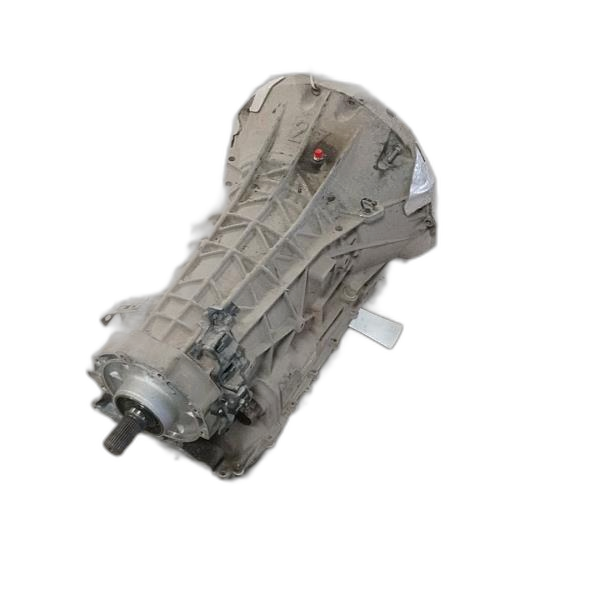
Below are the parts most often responsible for code P0750, ranked by how frequently each one is the actual culprit (per the diagnosis above). Tap any to see what we have for your vehicle.



The information in this article is provided for general reference and educational purposes only. Vehicle specifications, procedures, and part compatibility can vary by production date, trim level, and region. Always consult your vehicle's factory service manual and verify part numbers before purchasing or performing repairs. Safety-critical components such as airbags, seat belts, and braking systems should be installed by a qualified professional.
- 🧭 Diagnostic Flowchart
- 🛍️ Shop This Part
- What Does P0750 Mean?
- Can I Drive With P0750?
- Common Causes
- Symptoms
- Common Fixes & Costs
- Used vs. New Parts: Buying Guide
- What Happens If You Wait — Timeline
- Cost of Not Fixing It
- Diagnosis Steps
- When This Code Triggers (Freeze-Frame Conditions)
- Related Codes
- Climate & Environmental Factors
- How to Talk to a Mechanic About This Code
- Where to Take It: Dealer vs Independent vs Chain
- When to Walk Away From the Repair
- What Scan Tool You Need for This Code
- How to Clear the Code After You Fix It
- Will This Fail Emissions / State Inspection?
- Most Commonly Affected Vehicles
- Manufacturer-Specific Notes
- Real Owner Stories
- Dodge Dakota with 545RFE - Intermittent Limp Mode
- 2009 Dodge Ram 2500 6.7L with 68RFE - Sudden Limp Mode
- Dodge Dakota - P0700 & P0750 Solved by Wiring Repair
- 2005 Ford F-150 with 4R75E - Intermittent Fault Only When Cold
- How to Prevent This Code From Triggering
- Frequently Asked Questions
- What is the most common mistake when diagnosing P0750?
- Can I just clear the P0750 code and keep driving?
- My vehicle uses a solenoid pack. Do I have to replace the whole thing?
- Can I fix a P0750 code myself?
- Will changing the transmission fluid fix a P0750 code?
- What is the difference between P0750 and P0753?
- Can a bad battery cause a P0750 code?
- Key Takeaways
- 🎟️ Get 5% Off