

P0751 on 2004-2010 BMW 5 Series: Shift Solenoid 'A' Causes and Fixes
P0751 on a 2004-2010 BMW 5 Series indicates a problem with Shift Solenoid 'A', often caused by low or dirty transmission fluid. The most likely fix is a transmission service including a new pan/filter, fluid, and potentially replacing the mechatronic sealing sleeve and the solenoids themselves. Expect to pay $500-$1200 for this service at a shop.
- P0751 on an E60/E61 5 Series points to a problem with Shift Solenoid 'A', but the root cause is very often low transmission fluid.
- Before suspecting the solenoid itself, check for transmission fluid leaks, especially from the mechatronic sealing sleeve at the electrical connector.
- The correct fix usually involves a comprehensive service of the mechatronic unit: replacing the fluid, pan/filter, all solenoids, and all common failure seals (sealing sleeve, bridge seal, tube seals).
- This is not a beginner-friendly DIY job and should be handled by a qualified technician experienced with BMW or ZF transmissions.
What's Unique About the 2004-2010 BMW 5 Series
The 2004-2010 BMW 5 Series (E60/E61 generation) primarily uses a sophisticated ZF 6-speed automatic transmission (like the 6HP19 or 6HP26). A very common issue on these units is not necessarily the solenoid itself, but the seals that support it. The mechatronic sealing sleeve, a plastic and rubber part where the wiring harness connects to the transmission, is a frequent failure point. It leaks fluid, causing a low fluid level that leads to pressure problems and triggers solenoid performance codes like P0751. Additionally, internal seals like the bridge seal and tube seals harden and crack over time, causing internal pressure loss that mimics solenoid failure.
Symptoms You May Notice
- Transmission stuck in one gear (limp mode)
- Harsh, jerky, or delayed shifts
- Vehicle feels like it's bumped from behind when stopping
- Transmission slips or flares (engine RPMs rise without acceleration) between gears
- Check Engine Light or transmission warning light is on
- Reduced fuel economy
- Transmission overheating
- Replacing only the shift solenoid without addressing the root cause, such as low fluid from a leaking mechatronic sleeve or old, degraded fluid.
- Assuming the entire transmission needs to be rebuilt when the issue is often serviceable components on the mechatronic unit like the solenoids and various rubber seals.
Most Likely Causes
- Low or Dirty Transmission Fluid 🔴 High Probability → Shop Transmission Assembly This is often a symptom of another problem, most commonly a leaking mechatronic sealing sleeve, which is a known failure point on the ZF 6HP transmissions used in this 5 Series. The 'lifetime' fluid also breaks down over many miles, becoming contaminated and clogging solenoid passages.
How to confirm: Check for fluid leaks around the transmission pan, specifically at the electrical connector where the mechatronic sealing sleeve is located. A professional will need to check the fluid level, as there is no dipstick; it requires a specific fill procedure with the engine running and the transmission at a specific temperature.
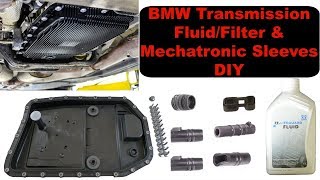
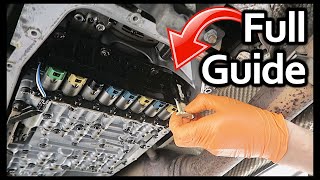
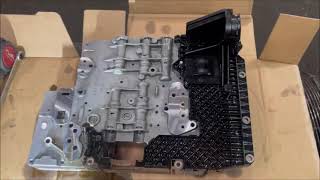
Typical fix: Identify and repair the source of any leaks (e.g., replace the mechatronic sealing sleeve 🎬 Watch: How to replace the mechatronic sleeve and fluid). Perform a transmission fluid and filter service. The filter is integrated into the transmission pan on these models, so the entire pan is replaced.
Est. part cost: $150-$300 for a new pan/filter kit, sealing sleeve, and fluid. - Failed Shift Solenoid 'A' 🟡 Medium Probability → Shop Transmission Valve Body The solenoids are located inside the transmission and are subject to heat and contaminated fluid, which can cause them to fail electrically or mechanically over time.
How to confirm: A technician can test the solenoid's resistance with a multimeter after removing the transmission pan and mechatronic unit. A typical reading for a good solenoid is between 12-25 ohms. A diagnostic scan tool may also be able to command the solenoid to check for operation.
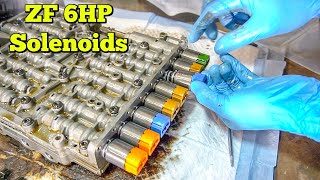
Typical fix: Replace the faulty solenoid. It is common practice to replace all the shift solenoids as a set 🎬 See this step-by-step ZF 6HP solenoid replacement walkthrough while the mechatronic unit is removed, as they have all experienced the same wear.
Est. part cost: $450-$650 for a complete ZF solenoid kit. - Leaking Mechatronic Bridge Seal or Tube Seals 🟡 Medium Probability Like the main sealing sleeve, these internal rubber seals within the mechatronic unit get hard, brittle, and crack over time, causing internal pressure leaks that prevent clutches from engaging properly. This loss of pressure is a classic cause of shift flares between 1-2 and 2-3 gears and can be misinterpreted by the TCM as a solenoid performance issue.
How to confirm: This is typically diagnosed based on the shifting symptoms (especially RPM flares between 1-2 and 2-3 shifts). The seals are inspected and replaced once the mechatronic unit is removed from the transmission.
Typical fix: Replace the bridge seal (adapter) and the four small tube seals while servicing the solenoids and mechatronic sealing sleeve. This is considered essential preventative maintenance anytime the mechatronic unit is accessed.
Est. part cost: $50-$100 for the seal kit.
Rare But Worth Checking
- Wiring Harness or Connector Issue: Transmission fluid from a leaking mechatronic sleeve can wick up the wiring harness, contaminating the connector and causing poor electrical contact or short circuits. Always inspect the connector thoroughly when replacing the sleeve.
- Failed Transmission Control Module (TCM): → Shop Transmission Assembly The TCM (part of the mechatronics unit) can fail internally, but this is less common than fluid-related or mechanical solenoid issues. This should be considered only after all other causes have been ruled out.
Diagnosis Steps
- Check the transmission fluid level and condition. This must be done by a qualified technician following the correct procedure (vehicle level, at a specific temperature).
- Inspect the transmission for leaks, paying close attention to the mechatronic sealing sleeve where the electrical connector enters the case.
- Scan the Transmission Control Module (TCM) for any other related fault codes.
- If the fluid level is correct and clean, the next step is to drop the transmission pan.
- Inspect the fluid in the pan and the magnets for excessive metal debris, which would indicate a more severe internal failure.
- Remove the mechatronic unit (valve body).
- Test the resistance of Shift Solenoid 'A' with a multimeter. Compare the reading to the manufacturer's specification (typically 12-25 ohms).
- While the mechatronic unit is out, it is highly recommended to replace all solenoids, the mechatronic sealing sleeve, the bridge seal, and the four tube seals.
- Reinstall the mechatronic unit, install a new transmission pan/filter assembly, and fill with the correct type of transmission fluid (e.g., ZF Lifeguard 6 or equivalent).
- Clear the fault codes and perform a road test to verify the repair. It may also be necessary to reset the transmission adaptations with a capable scan tool.
Parts You'll Likely Need
- Transmission Pan and Filter Kit
(OEM #24117571227)— The filter is integrated into the pan, which must be replaced during a fluid service. A new gasket and bolts are included.
Trusted brands: ZF, Vaico
OEM price range: $150-$250
Aftermarket price range: $80-$150 - Mechatronic Solenoid Kit
(OEM #1068298047)— This is the direct cause of the code if the solenoid has failed electrically or mechanically. It's best practice to replace them as a set.
Trusted brands: ZF
OEM price range: $450-$650
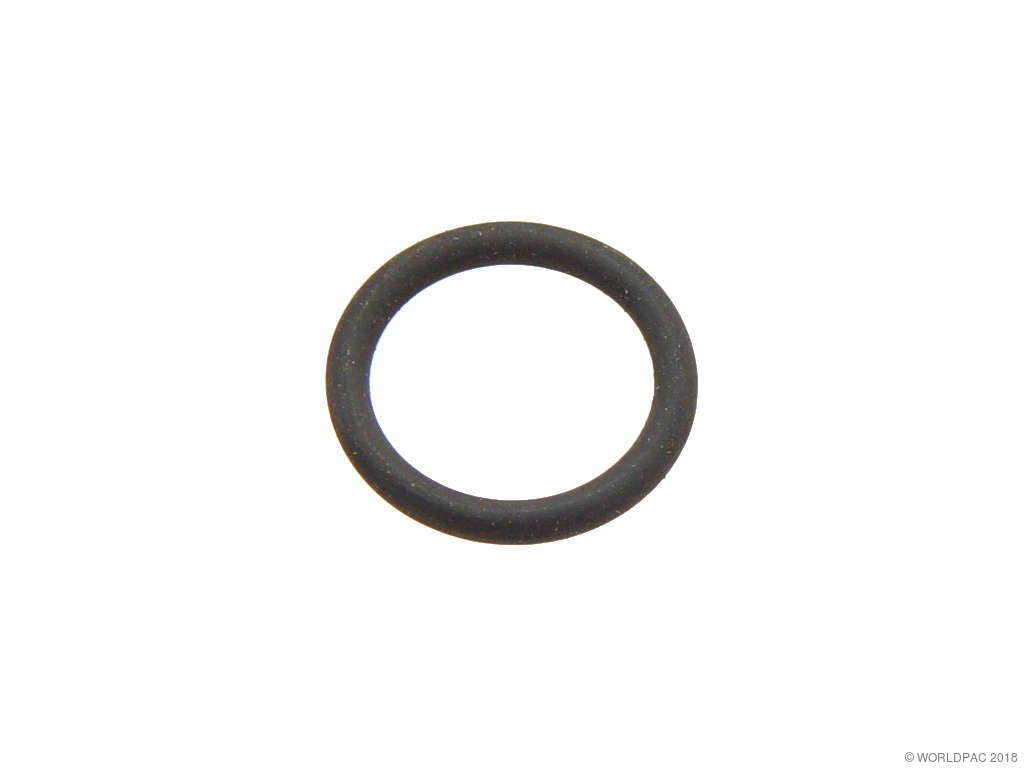
Aftermarket price range: $300-$500 - Mechatronic Sealing Sleeve (Adapter)
(OEM #24347588725)— This is a very common source of fluid leaks on the ZF 6HP transmission, leading to low fluid levels that cause this code.
Trusted brands: ZF, Genuine BMW
OEM price range: $20-$40
Aftermarket price range: $10-$20 - Mechatronic Bridge Seal and Tube Seal Kit
(OEM #24347571211)— These internal seals fail over time, causing hydraulic pressure leaks that lead to shifting problems. They should be replaced anytime the mechatronic unit is serviced.
Trusted brands: ZF
OEM price range: $50-$80
Aftermarket price range: $30-$60 - Automatic Transmission Fluid
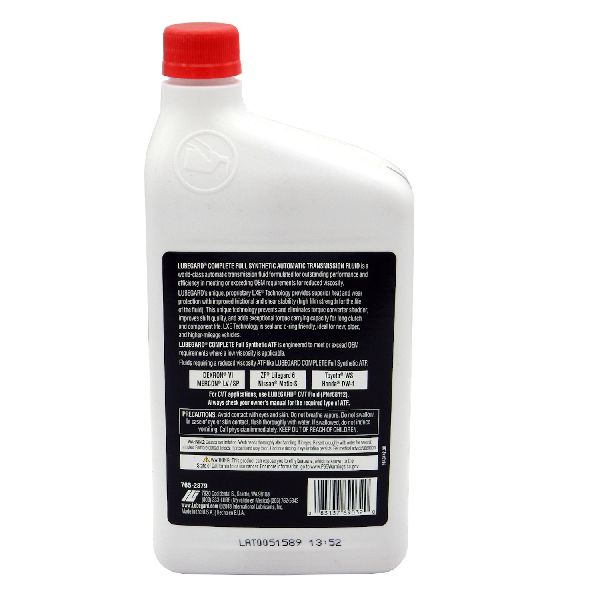
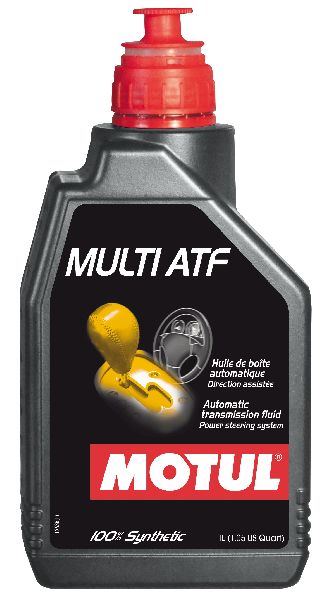
(OEM #83220142516)— The correct fluid is required for the refill procedure. Using the wrong fluid can cause damage. ZF Lifeguard 6 is the OEM fluid.
Trusted brands: ZF Lifeguard 6, Pentosin ATF1, Shell M-1375.4
OEM price range: $20-$30 per liter (7-8 liters needed)
Related Codes That Often Appear With This One
- P0700 — This is a general transmission fault code indicating that the TCM has stored a specific fault, such as P0751.
- 4F81 — This is a BMW-specific code for 'Ratio monitoring, clutch A'. It is often caused by the same internal pressure leaks from a failed bridge seal that can also trigger P0751.
Technical Service Bulletins (TSBs) & Recalls
- SI B 24 01 08: This BMW Technical Service Bulletin addresses fault code 4F81 (Ratio monitoring, clutch A) on the 6HP26 transmission. It directly points to low fluid level or an internal pressure leak caused by a defective adapter seal (bridge seal) between the mechatronic and the transmission housing as the primary causes.
Platform-Specific Known Issues
- The mechatronic sealing sleeve is a well-documented failure point on the ZF 6-speed automatic transmissions used in this vehicle, frequently causing fluid leaks that lead to various transmission fault codes, including P0751.
Mechanic-Grade Diagnostic Values
- Shift Solenoid Coil Resistance — expected: 10-40 ohms (consult specific model specifications). Failure: A reading outside of the specified range indicates a faulty solenoid coil.
- Solenoid Supply Voltage — expected: Approximately 12V (Battery Voltage) with key on, engine off.. Failure: Low or no voltage suggests a wiring or TCM power supply issue.
Hidden / Shadow Codes Worth Checking
- 4F8A: Ratio monitoring, gearshift 4-5. This code indicates the TCM detected an incorrect gear ratio when shifting between 4th and 5th gear, often related to clutch slip. (see via BMW-specific diagnostic tools like ISTA or INPA.)
- 4F95: Ratio monitoring, clutch B-E. This points to slippage in the clutches responsible for multiple gear engagements, a common result of internal hydraulic pressure loss. (see via BMW-specific diagnostic tools like ISTA or INPA.)
- 4F85: Ratio monitoring, clutch E. Similar to other ratio codes, this indicates slippage in a specific clutch pack (E), which can be caused by failing seals or solenoids. (see via BMW-specific diagnostic tools like ISTA or INPA.)
Scan Tool Commands That Help
- ISTA (Integrated Service Technical Application): Delete/Reset Adaptation Values — This is a mandatory step after replacing the mechatronic unit, solenoids, or fluid. The TCM stores learned values for clutch engagement pressures and shift timing. Failing to reset these adaptations will cause the transmission to continue shifting based on the old, worn component data, leading to poor performance and potentially damaging the new parts.
- ISTA: Service Functions -> Powertrain -> Transmission Control -> Adjustment -> Display and reset adaption values — This is the specific path within the BMW diagnostic software to perform the adaptation reset. After the reset, the vehicle must be driven through a specific relearn procedure for the TCM to adapt to the new components.
Real Owner Repair Stories
- YouTube user 'beemerkilla' (2007 BMW 525i (E60)) — Transmission Control Module (TCM) error code P0700, limp mode, hard starting, and other codes related to cam/crank sensors.
❌ Tried (didn't work) Initially assumed a major transmission or sensor failure.
✅ What actually fixed it The root cause was low system voltage. An oil filter housing gasket leak had saturated the alternator with oil, causing it to undercharge the battery. Replacing the battery and cleaning the alternator resolved the P0700 transmission code and restored normal operation, indicating the TCM was faulting due to insufficient voltage.
OEM Part Supersession History
24347519357→24347588725— Improved design or material for the mechatronic sealing sleeve to enhance durability and prevent leaks.
Model Year Variations Within This Range
- 2003-2007: Primarily used the ZF 6HP26 automatic transmission.
- 2007-2010: During the LCI (Life Cycle Impulse) refresh in 2007, many models transitioned to the second-generation ZF 6HP28 transmission. While functionally similar, some internal components, including solenoids and mechatronics, may differ. It is critical to verify the transmission model via the tag on the transmission case before ordering parts.
Diagnostic Flowchart
Other Known Issues on This Vehicle
Issues unrelated to this code that are worth knowing about as an owner of this generation:
- Engine Oil Leaks (Valve Cover, Oil Filter Housing, Oil Pan) 🟠 Medium — Extremely common, especially after 60,000-80,000 miles. Gaskets become hard and brittle from heat cycles.
- Electric Water Pump and Thermostat Failure 🔴 High — Common failure item, often occurring without warning between 60,000 and 100,000 miles. Failure can lead to rapid overheating and severe engine damage.
- iDrive CCC Unit Failure 🟠 Medium — Pre-facelift (2004-2007) models with the CCC iDrive system are prone to failure. Symptoms include the screen getting stuck on the BMW logo, constant rebooting, or a completely black screen.
- N54 Engine High-Pressure Fuel Pump (HPFP) Failure 🔴 High — A notorious issue on the twin-turbo N54 engine (e.g., 535i). Symptoms include long cranks, reduced power, and limp mode. Subject to recalls and extended warranties. (Ref: NHTSA Action Number: PE10045, BMW Recall 10E-A02)
- N54 Turbo Wastegate Rattle / Failure 🔴 High — Common on the N54 engine, causing a metallic rattling noise on deceleration and potential loss of boost. Often requires turbocharger replacement.
- N52 Hydraulic Valve Lifter Ticking 🟡 Low — Common on early N52 engines, causing a ticking noise, especially when cold. It is generally considered an annoyance rather than a critical failure. (Ref: SI B 11 09 07)
Used vs. New Parts: Buying Guide for This Vehicle
When a used part is the smart pick: Due to the complexity and coding requirements, used parts for this repair are generally not recommended for DIYers. A complete used transmission from a low-mileage donor vehicle can be a cost-effective alternative to a full rebuild, but it carries risks.
Donor-vehicle mileage cap: roughly under 80000 miles for the part to have meaningful remaining life.
What to inspect on the donor part:
- Verify the exact transmission model (e.g., 6HP19, 6HP26, 6HP28) from the donor vehicle matches the original.
- Check the donor vehicle's history for any reported transmission issues.
- Inspect the fluid from the donor transmission if possible. Dark, burnt-smelling fluid is a major red flag.
- Ensure the main electrical connector and pins are not damaged.
OEM-only on this vehicle (don't cheap out):
- Mechatronic Unit (TCM): A used mechatronic unit is coded to the original vehicle's VIN and will not function correctly without being reprogrammed by a specialist, which can be complex and costly. A remanufactured unit from ZF is the preferred option if the entire unit needs replacement.
- Seals and Gaskets (Mechatronic Sleeve, Bridge Seal, etc.): These are inexpensive wear items and should always be purchased new to ensure proper sealing.
Aftermarket brands forum-validated for this vehicle:
- ZF: As the original equipment manufacturer, ZF parts (solenoids, pans, seals, fluid) are the gold standard for this repair.
- Sonnax: Offers well-regarded valve body repair kits (Zip Kits) that address common wear points inside the mechatronic unit.
Brands owners have reported issues with on this vehicle:
- Unbranded, low-cost solenoid kits from online marketplaces should be avoided. The quality control can be poor, and they are a common cause of repeat failures. Stick with the OEM ZF solenoids for reliability.
Real Owner Stories
Aggregated from forums and TSBs cited above. Mileages and costs reflect what owners reported in those sources.
2004-2007 BMW 5 Series (Pre-facelift)
Symptoms: iDrive unit failure with symptoms including a constantly running fan, battery drain, and the screen getting stuck on the BMW logo or going completely black.
What fixed it: Diagnosis of a dead CCC module (iDrive unit).
Source hint: 5Series.net - 'iDrive Catostrophic Failure (CCC module) - Explained'
Related OBD-II Codes
Frequently Asked Questions
Does BMW Technical Service Bulletin SI B 24 01 08 apply to my 5 Series with the 6HP26 transmission?
Is it true that the transmission fluid in my 2004-2010 5 Series never needs to be changed?
I'm seeing P0751 and my 535i is in limp mode; could this be related to the fuel pump recall?
How can I check the transmission fluid level myself to see if that's causing the P0751 code?
Should I just replace the single failed solenoid 'A' or the whole set?
Why does my 5 Series feel like it's being bumped from behind when I come to a stop?
Helpful Videos
We Have This Part in Stock


The information in this article is provided for general reference and educational purposes only. Vehicle specifications, procedures, and part compatibility can vary by production date, trim level, and region. Always consult your vehicle's factory service manual and verify part numbers before purchasing or performing repairs. Safety-critical components such as airbags, seat belts, and braking systems should be installed by a qualified professional.
- BMW 5 Series:
- 🧭 Diagnostic Flowchart
- 🎬 Helpful Videos
- 🛍️ Shop This Part
- What's Unique About the 2004-2010 BMW 5 Series
- Symptoms You May Notice
- Most Likely Causes
- Rare But Worth Checking
- Diagnosis Steps
- Parts You'll Likely Need
- Related Codes That Often Appear With This One
- Technical Service Bulletins (TSBs) & Recalls
- Platform-Specific Known Issues
- Mechanic-Grade Diagnostic Values
- Hidden / Shadow Codes Worth Checking
- Scan Tool Commands That Help
- Real Owner Repair Stories
- OEM Part Supersession History
- Model Year Variations Within This Range
- Other Known Issues on This Vehicle
- Used vs. New Parts: Buying Guide for This Vehicle
- Real Owner Stories
- 2004-2007 BMW 5 Series (Pre-facelift)
- Related OBD-II Codes
- Frequently Asked Questions
- 🎟️ Get 5% Off