

P0751 on 2013-2015 Cadillac ATS: Shift Solenoid 'A' Causes and Fixes
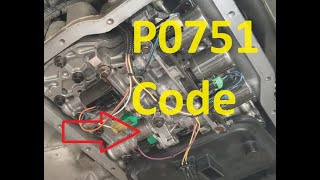
On a 2013-2015 Cadillac ATS, code P0751 is almost always caused by a sticking 'Clutch Select Solenoid Valve 2' inside the transmission. This is a known issue documented in GM Technical Service Bulletins (PI1344C). The transmission defaults to starting in 4th gear, causing extremely poor acceleration. The official fix is to replace the lower valve body assembly, which can cost between $750 and $1,500 at a repair shop.
- P0751 on a 2013-2015 ATS is a very specific, well-documented problem.
- The most likely cause is a sticking Clutch Select Solenoid Valve 2 within the transmission valve body, due to a scored valve or bore.
- Symptoms are distinct: very sluggish acceleration from a stop because the car is starting in 4th gear.
- The official fix is to replace the entire lower valve body assembly (Part #24275869) and perform a 'Service Fast Learn' procedure with a scan tool.
What's Unique About the 2013-2015 Cadillac ATS
While P0751 is a generic code, its cause on the 2013-2015 ATS and other GM vehicles with 6L45/50/80/90 transmissions is exceptionally well-documented. General Motors has issued multiple Technical Service Bulletins (TSBs), culminating in PI1344C, that pinpoint a sticking 'Clutch Select Solenoid Valve 2' as the specific culprit. The issue is not just a random electrical failure but a known mechanical problem where the valve itself can get scratched or stick in its bore within the valve body, preventing it from operating correctly. The TSB notes this condition can be intermittent and difficult to reproduce.
Diagnostic Flowchart
Tap your situation to follow the diagnostic path that matches what you're seeing on this vehicle.
Symptoms You May Notice
- Drastically reduced acceleration from a stop.
- Transmission feels like it's slipping when launching (this is actually the car starting in 4th gear).
- Vehicle starts in a higher gear (e.g., 4th gear) instead of 1st.
- Harsh or delayed shifts.
- Check Engine Light is on. 🎬 Watch: Understanding the causes and fixes for the P0751 code
- Vehicle may be stuck in 'limp mode', limiting speed.
- Decreased fuel economy.
- Replacing only the single shift solenoid instead of the entire lower valve body assembly. The TSBs indicate the problem is often the valve bore itself, so a new solenoid in a worn bore may not fix the issue.
- Condemning the entire transmission for replacement when the issue is isolated to the valve body.
- Assuming the solenoid is fine because it becomes unstuck during disassembly, and failing to inspect the valve for physical scratches.
Most Likely Causes
- Sticking Clutch Select Solenoid Valve 2 🔴 High Probability → Shop Transmission Valve Body This is a well-documented issue in GM Technical Service Bulletin PI1344C. The valve can develop scratches or stick in its bore, preventing proper hydraulic flow for 1st gear engagement. Debris or sludge in the transmission fluid can contribute to this sticking.
How to confirm: A technician can use a high-end scan tool to perform the 'Solenoid Performance Test' for PC Solenoid 2. However, the TSB warns that the valve may become unstuck when the valve body is loosened. Definitive confirmation is a physical inspection of the valve for scratches after removing the lower valve body.
Typical fix: The official GM recommendation is to replace the entire lower valve body assembly, which contains the problematic valve and bore. Simply replacing the solenoid may not work if the valve body bore is scored.
Est. part cost: $350-$750 - Low or Dirty Transmission Fluid 🟡 Medium Probability → Shop Transmission Assembly While not specific to the ATS, low fluid levels can prevent proper hydraulic pressure, and dirty fluid can cause valves and solenoids to stick. This is always the first and easiest check.
How to confirm: Check the transmission fluid level and condition according to the manufacturer's procedure. The fluid should be at the correct level, red in color, and not smell burnt.
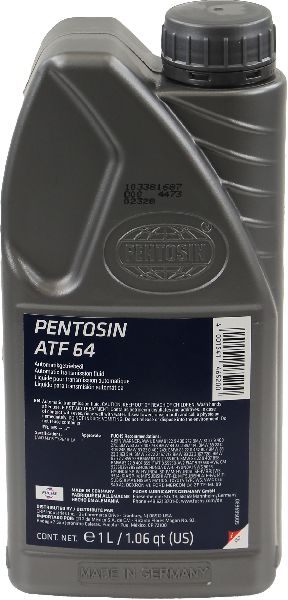
Typical fix: Perform a transmission fluid drain and fill or a complete fluid exchange using the correct OEM-specified fluid (ACDelco DEXRON-VI).
Est. part cost: $100-$200 - Faulty Transmission Control Module (TCM) or Wiring ⚪ Low Probability → Shop Transmission Assembly
How to confirm: Inspect the transmission wiring harness for damage, corrosion, or loose connections. A scan tool can check for communication errors with the TCM. A multimeter can be used to check for proper voltage and resistance at the solenoid connector.
Typical fix: Repair the damaged wiring or replace the TCM. Note that on these models, the TCM is integrated with the valve body assembly (often called a TEHCM), so a TCM failure often requires replacing the entire valve body assembly anyway.
Est. part cost: $400-$800
Diagnosis Steps
- Verify the transmission fluid level and condition. Top off or change the fluid if it is low, dirty, or smells burnt.
- Use an OBD-II scanner to check for P0751 and any other related codes like P0700.
- Using an advanced scan tool, perform the 'Solenoid Performance Test' as described in GM service literature. The specific solenoid to test for this condition is PC Solenoid 2.
- Inspect the external transmission wiring harness and connectors for any signs of damage, corrosion, or loose pins.
- If the solenoid fails the electronic test or if fluid/wiring are good, drain the transmission fluid and remove the transmission oil pan to access the valve body.
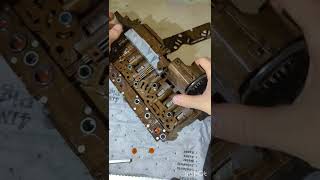
- Remove the lower valve body and physically inspect the Clutch Select Solenoid Valve 2. Look for any visible scratches or scoring on the valve itself, as shown in TSB illustrations. Check if it moves freely in its bore.
- If the valve is stuck, scratched, or damaged, replace the lower valve body assembly as recommended by GM.
- If the valve and bore appear undamaged, test the solenoid's coil resistance with a multimeter and compare to specifications (typically 20-40 Ohms for this type).
Parts You'll Likely Need
- Automatic Transmission Control Valve Body Assembly
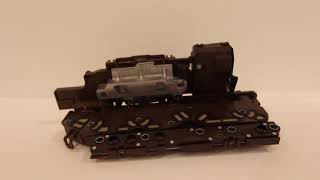
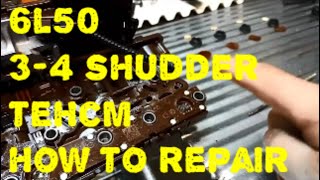
(OEM #24275869)— This is the most common cause of P0751 on this vehicle, as documented by GM TSBs. The assembly includes the new valve body, solenoids, and integrated Transmission Control Module (TCM), 🎬 Watch: How to repair the pressure switch membrane on these modules which corrects the sticking valve issue. This part number supersedes previous versions 24267182, 24264378, and 24251411.
Trusted brands: GM Genuine Parts, ACDelco
OEM price range: $400-$950
Aftermarket price range: $300-$600
Related Codes That Often Appear With This One
- P0700 — P0700 is a generic code that simply means the Transmission Control Module (TCM) has stored a fault code. It acts as a request to turn on the Check Engine Light and will almost always appear with specific transmission codes like P0751.
Technical Service Bulletins (TSBs) & Recalls
- PI1344C: Diagnostic tips for reduced acceleration at low speed and/or transmission slipping from a launch, DTC P0751 set. This is the most current TSB for this issue.
- PI1344B: An earlier, superseded version of the TSB that also identifies the cause as a sticking Clutch Select Solenoid Valve 2 resulting in a 4th gear start and recommends replacing the lower valve body if the valve is scratched or stuck.
Platform-Specific Known Issues
- GM Technical Service Bulletin PI1344C directly addresses DTC P0751 on the 2013-2015 ATS. It states that symptoms of 'reduced acceleration at low speed and/or transmission is slipping from a launch' may be caused by the 'Clutch Select Solenoid Valve 2 (359), located in the lower valve body, sticking in its bore resulting in a 4th gear start.' The bulletin recommends inspecting the valve for scratches and replacing the lower valve body if any damage is found.
Mechanic-Grade Diagnostic Values
- Shift Solenoid (On/Off type) Coil Resistance — expected: 20-40 Ohms. Failure: A reading of 0 ohms (short) or infinite/OL (open circuit) indicates a failed solenoid coil.
- Pressure Control (PWM type) Solenoid Coil Resistance — expected: 3-8 Ohms. Failure: Readings outside this range suggest a failing PWM solenoid within the TEHCM.
Scan Tool Commands That Help
- GDS2 / Tech2: Solenoid Performance Test — This is a primary diagnostic step mentioned in TSB PI1344C to electronically command PC Solenoid 2 and check its function before disassembly.
- GDS2 / Tech2: Service Fast Learn Adapts — 🎬 Watch: What you need to know about TEHCM and TCM replacements This procedure is mandatory after replacing the valve body or TEHCM. It allows the TCM to learn the hydraulic characteristics of the new components to ensure proper shift quality. Failure to perform this may result in poor performance or new DTCs.
- GDS2 / Tech2: Reset Transmission Adapts — This can be performed to clear learned shift data. It's often a preliminary step before performing the Service Fast Learn procedure.
Wiring & Ground Locations
- G110 — On the rear of the cylinder head, typically on the left (driver's) side for the 3.6L engine.. This is a major engine and control module ground point. A loose or corroded connection at G110 can cause erratic voltage and unpredictable behavior from various modules, including the TCM, potentially setting false diagnostic codes.
- Transmission Main Connector (X184) — The main 16-pin electrical connector on the outside of the transmission case.. This is the primary interface between the vehicle's main harness and the internal TEHCM. All power, ground, and communication signals for the transmission pass through this connector. Checking for corrosion, pushed-out pins, or damage here is a critical step before condemning internal components.
Real Owner Repair Stories
- camaroz28.com / ls1tech.com forums (Chevrolet Camaro with 6L50 transmission (same family as ATS)) — Extremely sluggish acceleration from a stop, felt like starting in a high gear. Check engine light with code P0751.
❌ Tried (didn't work) Transmission fluid and filter change.
✅ What actually fixed it The owner, referencing the GM TSB, had a repair shop replace the entire valve body assembly with the integrated TEHCM. This completely resolved the sluggish acceleration and cleared the P0751 code permanently.
OEM Part Supersession History
24251411, 24264378, 24267182→24275869— The newer part number includes design updates to the valve body and solenoids to address the known issue of the Clutch Select Solenoid Valve 2 sticking or scoring in its bore.
Helpful Videos
We Have This Part in Stock

The information in this article is provided for general reference and educational purposes only. Vehicle specifications, procedures, and part compatibility can vary by production date, trim level, and region. Always consult your vehicle's factory service manual and verify part numbers before purchasing or performing repairs. Safety-critical components such as airbags, seat belts, and braking systems should be installed by a qualified professional.
- Cadillac ATS:
- 🧭 Diagnostic Flowchart
- 🎬 Helpful Videos
- 🛍️ Shop This Part
- What's Unique About the 2013-2015 Cadillac ATS
- Symptoms You May Notice
- Most Likely Causes
- Diagnosis Steps
- Parts You'll Likely Need
- Related Codes That Often Appear With This One
- Technical Service Bulletins (TSBs) & Recalls
- Platform-Specific Known Issues
- Mechanic-Grade Diagnostic Values
- Scan Tool Commands That Help
- Wiring & Ground Locations
- Real Owner Repair Stories
- OEM Part Supersession History
- 🎟️ Get 5% Off