

P0751 on 2011-2015 Chevrolet Camaro: Causes and Fixes for Shift Solenoid 'A' Issues
This code usually means the Clutch Select Solenoid Valve 2 (also known as Shift Solenoid 'A') is sticking or has failed inside the transmission. This is a known issue documented by GM. The fix involves replacing the solenoid, which requires dropping the transmission pan and valve body. In some cases, the valve body itself may be worn and require replacement.
- P0751 on a 2011-2015 Camaro is very likely caused by a faulty Clutch Select Solenoid Valve 2, a well-documented issue per GM TSB PI1344C.
- Symptoms are serious and include poor acceleration and slipping, which can be unsafe in traffic.
- The repair is not simple, as it requires accessing internal transmission components. The root cause may be the valve body itself, not just the solenoid.
- Always check the transmission fluid level and condition first, as low or dirty fluid can cause similar issues.
- Due to the known TSBs, a competent transmission shop should be able to diagnose this accurately. Insist on inspection of the Clutch Select Valve 2 for scratches before authorizing only a solenoid replacement.
What's Unique About the 2011-2015 Chevrolet CAMARO
The 2011-2015 Camaro uses a GM 6L-series automatic transmission (the 6L50 for V6 models and 6L80 for V8 models). The issue with the Clutch Select Solenoid Valve 2 is a specifically documented problem in GM's own Technical Service Bulletins (TSBs). This indicates a known weakness in the valve body components for this platform, rather than a random failure. The TSBs provide specific diagnostic tips for symptoms like slipping from a launch or reduced acceleration, directly linking them to this solenoid sticking in its bore. For models made before mid-2010, the original spring force on the clutch select valves was a known cause for this code, which was later addressed with updated parts.
Diagnostic Flowchart
Tap your situation to follow the diagnostic path that matches what you're seeing on this vehicle.
Symptoms You May Notice
- Reduced acceleration at low speeds.
- Transmission slipping when accelerating from a stop.
- Harsh or abrupt 'clunk' shifts.
- Transmission gets stuck in one gear (limp mode).
- Check Engine Light is on.
- Delayed gear engagement.
- Vehicle feels like it's starting in a higher gear (e.g., 4th gear start).
- Transmission overheating. 🎬 Watch: Common symptoms of a failing transmission shift solenoid
- Replacing the entire transmission when only a single solenoid or the valve body is at fault.
- Replacing the Transmission Control Module (TCM) before thoroughly testing the solenoid and its wiring.
- Replacing only the solenoid when the actual root cause is a scratched or worn valve/bore in the valve body, leading to a quick return of the code.
Most Likely Causes
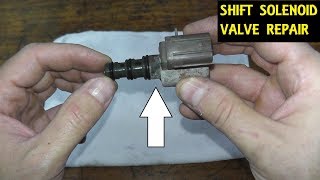
- Sticking or Failed Clutch Select Solenoid Valve 2 (Shift Solenoid 'A') 🔴 High Probability → Shop Transmission Valve Body This is a known issue documented by General Motors in Technical Service Bulletin #PI1344C, which points to the solenoid sticking internally, sometimes due to debris or wear. The valve itself can develop scratches that cause it to bind in the valve body bore. In models from before mid-2010, the OE spring force was too high, inhibiting valve movement and causing the code.
How to confirm: A technician can use a professional scan tool to command the solenoid on and off to check its response. The solenoid's electrical resistance can also be tested with a multimeter after removing the transmission pan; for a 6L80, on/off shift solenoids should read between 20-40 ohms. Per the TSB, the valve itself should be removed and inspected for scratches.
Typical fix: Replace the faulty solenoid. If the valve body bore is scratched or damaged, the lower valve body must be replaced as recommended by GM. On earlier models, installing an updated separator plate and clutch select valve springs may be required. This also requires replacing the transmission fluid, filter, and pan gasket.
Est. part cost: $30-$80 - Low or Dirty Transmission Fluid 🟡 Medium Probability → Shop Transmission Assembly Contaminated fluid with debris or sludge can clog the small passages within the solenoids and valve body, causing them to stick.
How to confirm: Check the transmission fluid level and condition via the service plug. The fluid should be bright red (DEXRON-VI) and not smell burnt. Debris in the pan is a strong indicator.
Typical fix: Perform a transmission fluid and filter change. If the fluid is very dirty, a full flush may be recommended, but be aware this can sometimes worsen issues on high-mileage transmissions.
Est. part cost: $75-$150 - Damaged Wiring or Connectors ⚪ Low Probability The internal transmission wiring harness operates in a high-temperature environment and can become brittle or damaged over time, leading to a poor connection to the solenoid. The main ground for the TCM, G110, is located on the right rear of the engine cylinder head and can be a point of failure.
How to confirm: Visually inspect the wiring harness and connectors for signs of damage, corrosion, or loose pins once the transmission pan is removed. Test for continuity between the TEHCM connector and the solenoid connector. Check for battery voltage (approx. 12.6V) at the solenoid supply lead with the key on.
Typical fix: Repair the damaged section of the harness or replace the entire internal harness.
Est. part cost: $50-$200
Rare But Worth Checking
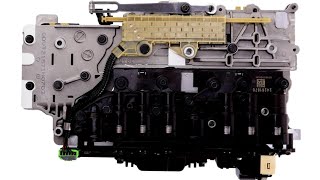
- Faulty Transmission Control Module (TCM): → Shop Transmission Assembly While rare, the TCM itself can fail to send the correct signal to the solenoid. In the 6L-series transmissions, the TCM is integrated into the valve body assembly (called a TEHCM), so this is often replaced along with the valve body.
- Internal Valve Body Issue: → Shop Transmission Valve Body A blocked passage, a sticking Clutch Select Valve #2, or other mechanical failure within the transmission valve body can prevent the solenoid from functioning even if the solenoid itself is good. TSB PI1344C specifically advises replacing the lower valve body if the select valve shows any signs of scratching or damage. A cracked valve body filter plate gasket can also cause a fluid supply leak to the solenoid circuit.
- Worn Clutch Select Valve Bore: Beyond the valve itself sticking, the bore within the valve body where the clutch select valve rides can wear out. This can cause persistent P0751 codes even after solenoid replacement. Aftermarket kits from companies like Sonnax or TransGo exist to repair these worn bores and valves.
Diagnosis Steps
- Check the transmission fluid level and condition. Top off or change if necessary.
- Use an OBD-II scanner to check for any other transmission-related codes, such as P0700.
- With a professional scan tool, monitor the live data for Shift Solenoid 'A' (Clutch PC Solenoid 2) and command it on/off to check for a response.
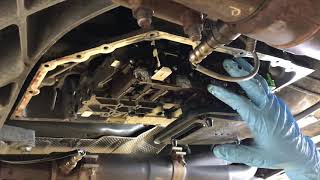
- If the solenoid does not respond or the symptoms persist, drain the transmission fluid and remove the oil pan.
- Visually inspect the solenoid, its connector, and the internal wiring harness for any signs of damage or corrosion.
- Test the solenoid's resistance with a multimeter. For the 6L80, on/off shift solenoids should be 20-40 ohms. A current draw test should show 0.3-0.7 amps at 12 volts.
- Following TSB PI1344C, remove and inspect the Clutch Select Solenoid Valve 2 for any scratches or scoring. If any damage is found, the lower valve body should be replaced.
- If the solenoid, wiring, and valve test good, the issue may lie with a blocked passage in the valve body, a leaking check ball, or the TCM, which requires more advanced diagnostics.
Parts You'll Likely Need
- Automatic Transmission Control Solenoid (Shift Solenoid 'A') — This is the most common point of failure for code P0751. For the 6L50/6L80, individual solenoids are not typically sold by GM; they are serviced as part of the complete TEHCM (valve body with electronics). Aftermarket solenoids may be available.
Trusted brands: ACDelco (as part of TEHCM), Rostra (Aftermarket), Sonnax (Valve Body Kits)
OEM price range: $400-$600 (for TEHCM assembly)
Aftermarket price range: $30-$80 (for individual solenoid) - Automatic Transmission Filter Kit (with Gasket)
(OEM #24236933 (ACDelco))— Must be replaced whenever the transmission pan is removed for service.
Trusted brands: ACDelco, Wix, Fram
OEM price range: $40-$70
Aftermarket price range: $20-$40 - Automatic Transmission Fluid (DEXRON-VI)
(OEM #10-9243 / 88865549 (ACDelco))— The transmission must be refilled with the correct type and amount of fluid after the repair. Capacity varies, but expect to use 6-8 quarts for a pan drop.
Trusted brands: ACDelco, Valvoline, Castrol
OEM price range: $10-$15 per quart
Aftermarket price range: $8-$12 per quart - Lower Valve Body — May be required if the bore for the Clutch Select Solenoid Valve 2 is scratched or damaged, per TSB PI1344C.
Trusted brands: ACDelco
OEM price range: $300-$500
Related Codes That Often Appear With This One
- P0700: This is a generic Transmission Control System Malfunction code that is often set alongside more specific transmission codes like P0751 to indicate a fault has been registered by the TCM.
Technical Service Bulletins (TSBs) & Recalls
- PI1344C: Provides diagnostic tips for reduced acceleration and slipping from a launch with DTC P0751 set. It instructs technicians to inspect the Clutch Select Solenoid Valve 2 for scratches and replace the lower valve body if damage is found.
- PI1344B: An earlier version of the TSB that first identified a sticking Clutch Select Solenoid Valve 2 as a potential cause for P0751 and associated symptoms, including a 4th gear start.
Platform-Specific Known Issues
- GM Technical Service Bulletin #PI1344C specifically addresses customer complaints of 'reduced acceleration at low speed and/or transmission slipping from a launch' associated with DTC P0751.
- GM Technical Service Bulletin #PI1344B notes that this condition 'may be caused by the Clutch Select Solenoid Valve 2 (359), located in the lower valve body, sticking in its bore resulting in a 4th gear start'.
- An updated valve body spacer plate gasket was released by GM to provide a higher volume of oil to the clutch pressure control solenoids to prevent operational delays that can trigger codes like P0751.
Mechanic-Grade Diagnostic Values
- Shift Solenoid 'A' (On/Off type) resistance — expected: 20 - 40 ohms. Failure: A reading outside this range indicates a failed solenoid coil.
- Shift Solenoid 'A' (On/Off type) current draw — expected: 0.3 - 0.7 amps at 12 volts. Failure: Incorrect amperage indicates a failed solenoid.
- Solenoid operating voltage from TEHCM — expected: 8.3 - 9.3 volts. Failure: Voltage outside this range may indicate a TEHCM or wiring issue.
- Voltage at solenoid supply wire (Key On) — expected: Approx. 12.6 V (Battery Voltage). Failure: Voltage drop greater than 0.5V suggests high resistance in the wiring or a bad ground.
Scan Tool Commands That Help
- GDS2 / Tech2 (or equivalent professional scan tool): Solenoid Automated Cleaning Process — This function can be used if a solenoid performance DTC is set or if a solenoid fails a bench test. The tool automatically cycles all solenoids to flush debris from the valves and their circuits, which can sometimes resolve a sticking issue without part replacement.
- GDS2 / Tech2 (or equivalent professional scan tool): Output Controls / Solenoid Test — This allows a technician to manually command a specific solenoid (like Shift Solenoid 'A') on and off while monitoring its status or pressure readings to confirm if it is responding electrically and mechanically.
Wiring & Ground Locations
- G110 — On the right rear of the engine, mounted to the back of the cylinder head.. This is a shared ground point for the Transmission Control Module (TCM) and the Engine Control Module (ECM). A poor connection here can cause communication errors and erratic behavior, potentially triggering a P0751 code.
- Transmission Case Connector (X1) — The main 16-pin electrical connector on the outside of the transmission case.. This is the primary interface between the vehicle's wiring harness and the internal TEHCM. All power, ground, and command signals for the solenoids pass through this connector. Corrosion or loose pins here can directly cause solenoid circuit faults.
- Added Grounds — Commonly added from the engine block to the frame, or from a transmission bolt to the vehicle body.. Some owners on forums report solving various electrical issues on 5th Gen Camaros by adding supplemental ground wires to improve the overall grounding scheme, which can help prevent intermittent voltage drops that might affect the TCM.
"I Checked Everything" — The Actual Cause
- In cases where the P0751 code returns after replacing the shift solenoid and verifying the fluid is clean, the root cause is often mechanical wear inside the valve body. Technicians find that the bore where the clutch select valve #2 slides becomes worn or scored. This allows hydraulic pressure to leak past the valve, preventing it from moving correctly even with a new, functioning solenoid. The fix in this scenario is to either replace the lower valve body assembly or use an aftermarket kit (e.g., from Sonnax) to ream the bore and install an oversized valve.
OEM Part Supersession History
N/A (Original high-force springs)→Sonnax Kit 104740-02K or updated GM valve body— In mid-2008, GM addressed a P0751 issue by lowering the spring load on the clutch select valves to allow them to move at a lower pressure. Sonnax offers a kit with these lower-load springs for retrofitting earlier models.24246916 (Early 1st design separator plate)→24245720 (Early 2nd design separator plate)— The separator plate was updated to improve clutch feed pressure and add a lube circuit bleed to help prevent P0751.
Heads up: The updated plate (24245720) should not be used in mid-2010 and later valve bodies, which use a different design (e.g., 24261077) and already have upgraded springs from the factory.
Model Year Variations Within This Range
- 2011 (and earlier 6L80s, pre-mid-2010 production): Models produced before mid-2010 often had higher tension springs on the clutch select valves and an older design separator plate. This combination made them more prone to setting a P0751 code. Later models (including the 2012-2015 range) came from the factory with lower-tension springs and an updated separator plate, making this specific cause less common.
Helpful Videos
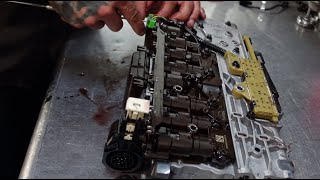
We Have This Part in Stock
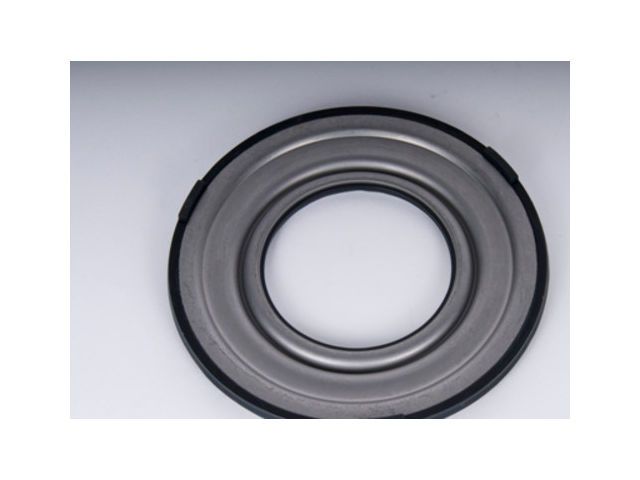
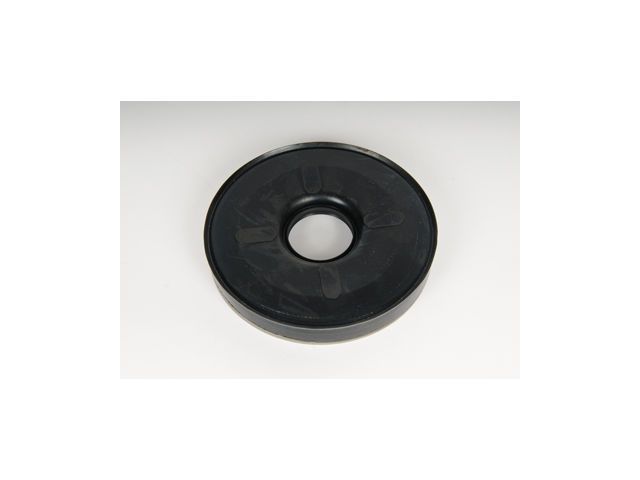
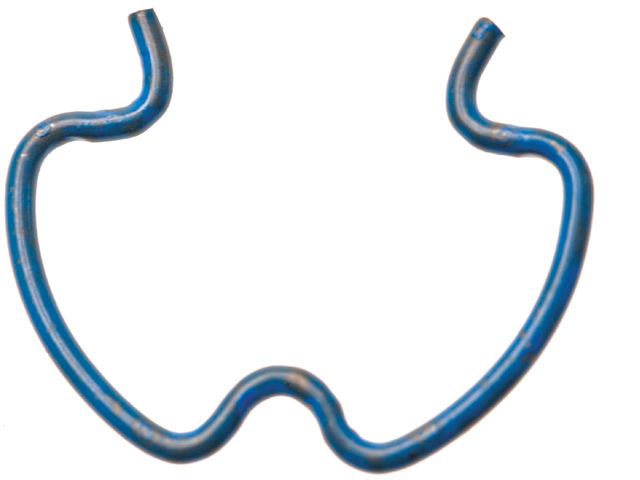


The information in this article is provided for general reference and educational purposes only. Vehicle specifications, procedures, and part compatibility can vary by production date, trim level, and region. Always consult your vehicle's factory service manual and verify part numbers before purchasing or performing repairs. Safety-critical components such as airbags, seat belts, and braking systems should be installed by a qualified professional.
- Chevrolet CAMARO:
- 🧭 Diagnostic Flowchart
- 🎬 Helpful Videos
- 🛍️ Shop This Part
- What's Unique About the 2011-2015 Chevrolet CAMARO
- Symptoms You May Notice
- Most Likely Causes
- Rare But Worth Checking
- Diagnosis Steps
- Parts You'll Likely Need
- Related Codes That Often Appear With This One
- Technical Service Bulletins (TSBs) & Recalls
- Platform-Specific Known Issues
- Mechanic-Grade Diagnostic Values
- Scan Tool Commands That Help
- Wiring & Ground Locations
- "I Checked Everything" — The Actual Cause
- OEM Part Supersession History
- Model Year Variations Within This Range
- 🎟️ Get 5% Off