

P0751 on 2011-2015 Chevrolet Caprice: Causes and Fixes for a Stuck Shift Solenoid
On a 2011-2015 Caprice with the 6L80 transmission, code P0751 almost always means the Clutch Select Solenoid Valve 2 (also called Shift Solenoid 'A' or PC Solenoid 2) is sticking in its bore within the valve body. This is a well-documented issue confirmed by multiple GM Technical Service Bulletins (PI1344B/C). The fix requires dropping the transmission pan to replace the solenoid, and in some cases, the entire lower valve body if the bore is scored. This is a job for a professional or highly exp
- P0751 on a 2011-2015 Caprice is a very specific code, almost always pointing to a sticking 'Clutch Select Solenoid Valve 2' inside the transmission, as confirmed by GM TSB PI1344C.
- The primary symptoms are poor acceleration and slipping from a complete stop, which is actually the transmission starting in 4th gear.
- This is a known issue documented by GM. The fix isn't just the solenoid; if the valve's bore in the valve body is scratched, the entire lower valve body needs replacement.
- Checking transmission fluid level and condition is a critical first step, as low or dirty fluid can cause or exacerbate the problem.
What's Unique About the 2011-2015 Chevrolet CAPRICE
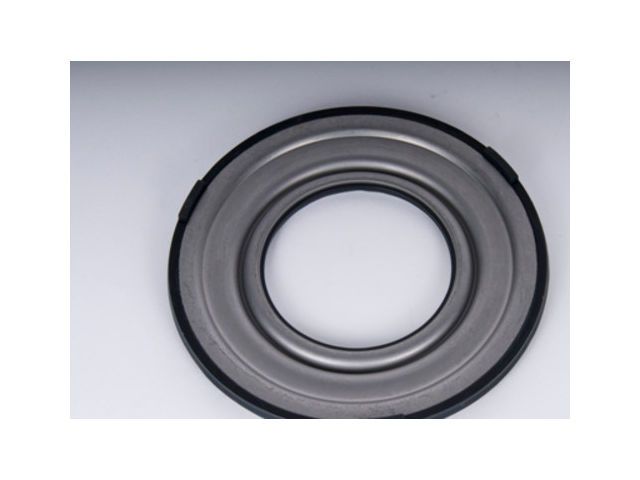
The 2011-2015 Chevrolet Caprice, based on the Australian Holden Commodore, uses a GM 6L-series automatic transmission (most commonly the 6L80). This P0751 code is a well-documented problem on this specific transmission platform. GM has issued multiple Technical Service Bulletins (TSBs) that directly point to the Clutch Select Solenoid Valve 2 sticking in its bore as the primary cause, often due to scratches on the valve or debris in the fluid. This can lead to symptoms like starting in 4th gear from a stop. Some repair solutions, like those from Jasper Engines & Transmissions, suggest that an updated valve body spacer plate gasket can improve oil flow to the solenoid, helping to prevent the issue.
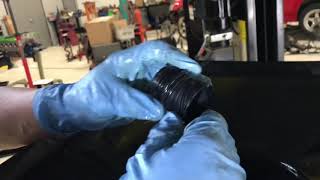
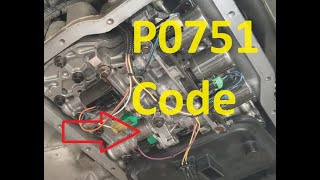
🎬 Watch: Jasper's technical breakdown of the P0751 code and spacer plate fix.Diagnostic Flowchart
Tap your situation to follow the diagnostic path that matches what you're seeing on this vehicle.
Symptoms You May Notice
- Reduced acceleration at low speed.
- Transmission slipping when launching from a stop.
- Vehicle starts in a higher gear (e.g., 4th gear) from a stop.
- Harsh or abrupt shifts.
- Check Engine Light is illuminated.
- Transmission may enter 'limp mode', limiting available gears.
- Whining noise from the transmission area, which may be associated with low fluid pressure caused by the fault.
- Replacing the entire transmission when only a single solenoid or the valve body is at fault.
- Replacing the wrong shift solenoid. The TSBs specifically point to Clutch Select Solenoid Valve 2 (PC Solenoid 2).
- Assuming the solenoid is bad without checking fluid condition and level first.
Most Likely Causes
- Sticking Clutch Select Solenoid Valve 2 (Shift Solenoid 'A') 🔴 High Probability → Shop Transmission Valve Body This is a widely documented failure on GM 6L80 transmissions. GM TSBs PI1344C and PI1344B specifically identify this solenoid sticking in its bore, sometimes due to scratches on the valve body or debris in the fluid. This can be an intermittent problem, making it difficult to duplicate at times.
How to confirm: A technician will use a scan tool to command the solenoid on and off. If it fails to respond, they will drop the transmission pan to visually inspect and test the solenoid directly. The TSB recommends inspecting the valve for any scratches. If the valve is stuck or scratched, the lower valve body should be replaced.
Typical fix: Replace the faulty solenoid. In many cases, if the valve body bore is damaged (scratched), the entire lower valve body must be replaced as per GM's recommendation in TSB PI1344C. Aftermarket kits from companies like Transgo may include replacement steel clutch select valves to address this.
Est. part cost: $50-$150 for solenoid, $300-$600 for valve body - Low or Contaminated Transmission Fluid 🟡 Medium Probability → Shop Transmission Assembly Dirty or low fluid can cause hydraulic pressure issues and lead to solenoids sticking or operating sluggishly. Debris or sludge in the fluid can physically clog the solenoid valve.
How to confirm: Check the transmission fluid level and condition. The fluid should be at the correct level, red in color, and not have a burnt smell. A bad smell or bubbles on the dipstick can indicate a problem.
Typical fix: Perform a transmission fluid and filter change using the correct fluid (ACDelco DEXRON-VI). This should be the first step if the fluid condition is poor.
Est. part cost: $100-$200 - Faulty Wiring or Connectors ⚪ Low Probability The internal transmission harness is subjected to heat and constant vibration, which can cause wires to break or connectors to fail over time. A bad connection can mimic the symptoms of a failed solenoid.
How to confirm: Inspect the wiring harness connectors for damage, corrosion, or loose pins, both at the transmission case and at the internal connection to the solenoid. A multimeter can be used to check for continuity and shorts in the wiring.
Typical fix: Repair the damaged wiring or replace the affected connector/harness section.
Est. part cost: $20-$100
Rare But Worth Checking
- Faulty Transmission Control Module (TCM): → Shop Transmission Assembly While rare, the TCM itself can fail, preventing it from correctly commanding the solenoid. This is usually diagnosed only after all other possibilities (solenoid, fluid, wiring) have been ruled out. The TCM is integrated into the valve body assembly (TEHCM) on the 6L80.
Diagnosis Steps
- Verify the transmission fluid level is correct and the fluid is in good condition (not burnt, dirty, or bubbly).
- Use a professional scan tool to check for any other transmission-related trouble codes. Note P0700 if present.
- Use the scan tool's bidirectional controls to command the Shift Solenoid 'A' (Clutch Select Solenoid 2) on and off, monitoring its status.
- If the solenoid does not respond, inspect the external transmission wiring harness and connector for any visible damage or corrosion.
- If external wiring is okay, the next step is to remove the transmission oil pan to access the valve body.
- Visually inspect the internal wiring harness for damage.
- Following TSB PI1344C, remove and inspect the Clutch Select Solenoid Valve 2 for scoring, scratches, or signs of sticking in its bore. The TSB warns that loosening the valve body bolts may un-stick the valve, so physical inspection for scratches is key.
- Test the solenoid's coil resistance with a multimeter to ensure it's within the manufacturer's specification (typically 12-25 ohms for similar solenoids, but check service manual for specifics).
- If the solenoid is faulty or sticking, replace it. If the valve body bore is scratched or damaged, the entire lower valve body assembly must be replaced 🎬 See this walkthrough on how to properly install a 6L80 valve body. as per the TSB.
Parts You'll Likely Need
- Automatic Transmission Control Solenoid (Clutch Select Solenoid Valve 2)
(OEM #24276628 (Note: This is often sold as part of a valve body or solenoid kit, verify application))— This is the component identified in GM's TSBs as the primary cause of the P0751 code on this vehicle due to sticking. It is often sold as part of a complete solenoid kit or with the valve body.
Trusted brands: ACDelco, Transgo
OEM price range: $80-$200
Aftermarket price range: $50-$150 - Automatic Transmission Fluid
(OEM #10-9395 (ACDelco DEXRON-VI))— The transmission pan must be removed for the repair, requiring the fluid to be drained and replaced.
Trusted brands: ACDelco, Valvoline Full Synthetic
OEM price range: $10-$15 per quart
Aftermarket price range: $8-$12 per quart - Automatic Transmission Pan Gasket
(OEM #24224781 (Verify for 6L80))— The gasket should always be replaced when the transmission pan is removed to prevent leaks.
Trusted brands: ACDelco, Fel-Pro
OEM price range: $25-$50
Aftermarket price range: $15-$30 - Lower Valve Body — Required if the bore for the Clutch Select Solenoid Valve 2 is found to be scratched or scored, as per TSB PI1344C.
Trusted brands: ACDelco
OEM price range: $300-$600
Related Codes That Often Appear With This One
- P0700 — P0700 is a generic code indicating the Transmission Control Module (TCM) has stored a fault. It often appears alongside more specific transmission codes like P0751 to signal a transmission-related issue to the main engine computer.
Technical Service Bulletins (TSBs) & Recalls
- PI1344C: Provides diagnostic tips for reduced acceleration and DTC P0751, pointing to a sticking Clutch Select Solenoid Valve 2. Recommends replacing the lower valve body if the valve or bore is scratched.
- PI1344B: An earlier version of the TSB, also stating that customers may comment on reduced acceleration or slipping from a launch, with DTC P0751 being caused by a sticking Clutch Select Solenoid Valve 2.
- PI1344 (Preliminary): The initial bulletin outlining the issue of a 4th gear start due to the sticking solenoid.
Platform-Specific Known Issues
- A sticking Clutch Select Solenoid Valve 2 is a known issue on the 6L-series transmissions used in these vehicles, as documented by GM in TSBs PI1344B and PI1344C.
- Owners on forums for platform-mate vehicles like the Pontiac G8 report similar P0751 issues, often confirming the fix is replacing the solenoids or the entire valve body/TEHCM assembly.
Mechanic-Grade Diagnostic Values
- Shift Solenoid (On/Off type) Coil Resistance — expected: 20 - 40 Ohms. Failure: A reading of infinite resistance (open circuit) or near zero Ohms (short circuit) indicates a failed solenoid coil.
- Pressure Control (PWM type) Solenoid Coil Resistance — expected: 3 - 8 Ohms. Failure: Readings outside this range suggest a faulty PWM solenoid. The Clutch Select Solenoid is an on/off type.
- Solenoid Voltage Supply (commanded on) — expected: ~12.6V (Battery Voltage). Failure: A voltage drop greater than 0.5V can indicate high resistance in the wiring or a poor ground connection.
Scan Tool Commands That Help
- GM Tech2 / GDS2: Solenoid Output Controls / Overrides — This bidirectional command is used to manually cycle a specific solenoid (like Shift Solenoid 'A') on and off with the key on and engine off to verify its mechanical and electrical operation. A technician can listen for an audible click from the solenoid.
- GM Tech2 / GDS2: Solenoid Cleaning Process — This is an automated function that cycles all solenoids in a sequence to dislodge and flush minor debris that may be causing a valve to stick. It should be attempted before replacing parts if debris is suspected.
Wiring & Ground Locations
- Main Transmission Connector (16-pin) — Located on the passenger's rear side of the 6L80 transmission case.. This is the primary connection point for all electronic controls, including the shift solenoids. It is a twist-lock connector that is commonly not fully seated or locked after service, leading to intermittent connections or no communication with the TCM, which can trigger various codes including P0751.
- TCM CAN Bus Wires — Within the main transmission harness, connecting the internal TEHCM to the vehicle's other modules.. While not a direct cause of a solenoid fault, damage to these wires (often Tan and Tan/Black) can prevent the TCM from communicating properly, leading to misdiagnosis. They are essential for the TCM to receive commands and report status.
"I Checked Everything" — The Actual Cause
- A common scenario for P0751 on early 6L80s is the solenoid passing electrical resistance and activation tests, but the code persists. The root cause is often not the solenoid itself, but excessive spring force from the original clutch select valve springs, which inhibits the valve's movement. Aftermarket company Sonnax produces a specific kit (104740-02K) with lower-tension springs to correct this issue without replacing the entire valve body.
OEM Part Supersession History
N/A (Original-spec clutch select valve springs)→Sonnax 104740-02K (Aftermarket Kit)— GM identified that the original springs in early 6L80s had excessive tension, which could cause the clutch select valve to stick and trigger a P0751 code. GM updated the springs in later production but did not offer them as a separate service part, requiring replacement of the entire lower valve body.
Heads up: This aftermarket kit is specifically for mid-2010 and earlier 6L45/50/80/90 transmissions. Later models, including the 2011-2015 Caprice, should have the updated lower-tension springs from the factory.
Model Year Variations Within This Range
- Pre-2011 (Affects early production): Mid-2010 and earlier 6L80 transmissions were manufactured with high-tension clutch select valve springs that were prone to causing P0751. The 2011-2015 Caprice generation should have the updated factory springs, making a physically sticking solenoid valve or debris in the valve body a more probable cause than incorrect spring tension.
Helpful Videos

We Have This Part in Stock


The information in this article is provided for general reference and educational purposes only. Vehicle specifications, procedures, and part compatibility can vary by production date, trim level, and region. Always consult your vehicle's factory service manual and verify part numbers before purchasing or performing repairs. Safety-critical components such as airbags, seat belts, and braking systems should be installed by a qualified professional.
- Chevrolet CAPRICE:
- 🧭 Diagnostic Flowchart
- 🎬 Helpful Videos
- 🛍️ Shop This Part
- What's Unique About the 2011-2015 Chevrolet CAPRICE
- Symptoms You May Notice
- Most Likely Causes
- Rare But Worth Checking
- Diagnosis Steps
- Parts You'll Likely Need
- Related Codes That Often Appear With This One
- Technical Service Bulletins (TSBs) & Recalls
- Platform-Specific Known Issues
- Mechanic-Grade Diagnostic Values
- Scan Tool Commands That Help
- Wiring & Ground Locations
- "I Checked Everything" — The Actual Cause
- OEM Part Supersession History
- Model Year Variations Within This Range
- 🎟️ Get 5% Off