

P0751 on 2010-2014 Chevrolet Corvette: Causes and Fixes for Shift Solenoid 'A' Issues
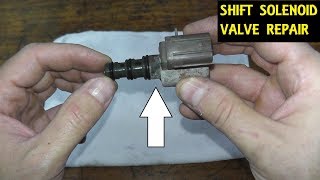
On a 2010-2014 Corvette, code P0751 is most often caused by a sticking Clutch Select Solenoid Valve 2 (also known as Shift Solenoid 'A') inside the transmission. This is a known issue documented in GM Technical Service Bulletins. The fix requires replacing the solenoid, which is part of the complete valve body and TCM assembly (TEHCM), inside the transmission.
- P0751 on a 2010-2014 Corvette points to a problem with Shift Solenoid 'A', also known as Clutch Select Solenoid Valve 2.
- The most common cause is the solenoid itself sticking, a known issue confirmed by GM service bulletins.
- Symptoms are serious and include slipping from a stop and reduced acceleration.
- The fix requires an internal transmission repair to replace the solenoid, making it a job best suited for a professional mechanic.
- Always check fluid level and condition first, but expect the solenoid to be the ultimate culprit.
What's Unique About the 2010-2014 Chevrolet CORVETTE
The 2010-2014 Corvette, equipped with the 6L80 automatic transmission, has a documented history with this specific code. 🎬 Watch: A deep dive into why the 6L80 triggers P0751. General Motors issued Technical Service Bulletins (TSBs) acknowledging that the Clutch Select Solenoid Valve 2 can stick due to debris or scratches in its bore, leading directly to P0751. This isn't just a random failure; it's a recognized pattern on this specific powertrain, often causing noticeable slipping and severe acceleration problems from a stop because the car is stuck in a higher gear.
Diagnostic Flowchart
Tap your situation to follow the diagnostic path that matches what you're seeing on this vehicle.
Generation note: This year range covers the end of the C6 generation (2010-2013) and the first year of the C7 generation (2014). Both generations used the 6L80 automatic transmission, so the causes and fixes for code P0751 are consistent across this entire period.
Symptoms You May Notice
- Reduced acceleration at low speed. [Bulletin #PI1344C]
- Vehicle feels like it's starting in a high gear (e.g., 3rd or 4th).
- Transmission slipping from a launch. [Bulletin #PI1344B]
- Harsh or delayed gear shifts.
- Check Engine Light is on.
- Transmission may get stuck in one gear (limp mode).
- Reduced fuel economy.
- Replacing the entire transmission when only the valve body/TEHCM assembly is at fault.
- Blaming a performance tune or aftermarket torque converter without first diagnosing the underlying solenoid or hydraulic circuit issue. While a tune can sometimes trigger related codes, P0751 on a stock vehicle is almost always a hardware issue.
Most Likely Causes
- Sticking Clutch Select Solenoid Valve 2 (Shift Solenoid 'A') 🔴 High Probability → Shop Transmission Valve Body This is a known issue documented by GM in TSBs #PI1344C and #PI1344B. Debris, or scratches on the valve spool, can cause the solenoid to stick in its bore within the valve body.
How to confirm: A technician with an advanced scan tool can command the solenoid on and off to check for a response. If it fails to actuate or the transmission remains in a high gear, it confirms the solenoid or its circuit is the problem. The TSB also recommends inspecting the valve for scratches.
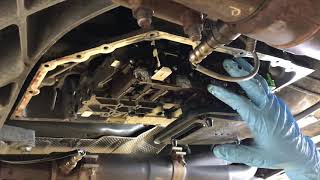
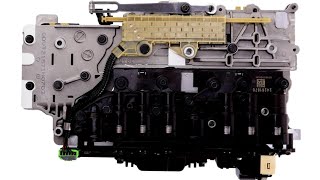
Typical fix: Drop the transmission pan to access the valve body. In the 6L80, the solenoids are integrated into the Transmission Electro-Hydraulic Control Module (TEHCM), which is part of the valve body. The entire valve body/TEHCM assembly is typically replaced, and the new module must be programmed. The transmission fluid and filter should be replaced at the same time.
Est. part cost: $400-$900 - Low or Dirty Transmission Fluid 🟡 Medium Probability → Shop Transmission Assembly Contaminated or low fluid can cause poor hydraulic pressure and lead to solenoids sticking or not actuating properly. Over time, fluid breaks down and accumulates clutch material and other debris, which can clog the fine passages and screens in the solenoid and valve body.
How to confirm: Check the transmission fluid level and condition according to the manufacturer's procedure. If the fluid is dark, smells burnt, or is low, it needs to be addressed. A fluid change may resolve the issue if caught early.
Typical fix: Perform a transmission fluid and filter change using DEXRON-VI fluid. If the code returns, the issue is likely mechanical with the solenoid or valve body.
Est. part cost: $70-$150 - Faulty Valve Body ⚪ Low Probability → Shop Transmission Valve Body Beyond the solenoid itself, internal passages in the valve body can become clogged with debris, or check balls may not seat correctly, preventing proper fluid flow even with a good solenoid. The bore that the solenoid valve slides in can become scored, causing the valve to stick.
How to confirm: This is typically diagnosed after a fluid change fails to resolve the issue. TSB PI1344C instructs technicians to inspect the valve bore for scratches or damage. If found, the entire lower valve body needs replacement.
Typical fix: The valve body assembly (which includes the solenoids and TCM) is replaced as a unit. The new unit requires programming.
Est. part cost: $400-$900
Rare But Worth Checking
- Wiring Harness Issue: The wiring from the TCM to the transmission solenoid can become damaged, corroded, or shorted, mimicking a solenoid failure. This should be checked before condemning internal transmission parts.
- Faulty Transmission Control Module (TCM): → Shop Transmission Assembly In the 6L80, the TCM is integrated with the valve body and solenoids into a single unit called the TEHCM. While a dedicated electronic failure of the TCM portion is rare, it is not impossible. This is typically replaced as part of the entire valve body assembly.
- Cracked Valve Body Spacer Plate Gasket: → Shop Transmission Valve Body In some cases, a special notched valve body spacer plate gasket is installed to increase oil flow to the solenoid and prevent starvation, which can trigger the code. If this gasket fails or the incorrect one is used, it can cause a delay in the solenoid's operation.
Diagnosis Steps
- Verify the code with a reliable OBD-II scanner.
- Check the transmission fluid level and condition. The fluid should be at the correct level, red in color, and not appear burnt or full of debris.
- Use an advanced scan tool (like a GM Tech2 or equivalent) to monitor live data for Shift Solenoid 'A' (Clutch Select Solenoid Valve 2) and command it on and off to test its function. A special solenoid cleaning procedure can also be run with the scan tool.
- Inspect the main transmission wiring harness connector for any signs of damage, corrosion, or loose connections.
- If the solenoid is unresponsive or the problem persists, drop the transmission oil pan to gain access to the valve body/TEHCM. 🎬 See this walkthrough on how to remove the valve body.
- Test the resistance of the solenoid. On-/Off-type shift solenoids in the 6L80 should measure between 20-40 ohms. If the reading is out of spec, the TEHCM assembly is faulty. 🎬 Watch: How to rebuild and test the TEHCM circuits.
- Follow TSB PI1344C: remove the suspect valve from the valve body and inspect it for any scratches or scoring. If damage is found, the entire valve body assembly must be replaced.
- If the solenoid and valve are confirmed to be faulty, replace the entire valve body/TEHCM assembly, along with the transmission filter and pan gasket. Refill with DEXRON-VI transmission fluid.
- Program the new TEHCM to the vehicle's VIN using a suitable diagnostic tool.
Parts You'll Likely Need
- Valve Body with Solenoids and TCM (TEHCM)
(OEM #24256523)— This is the complete assembly containing the valve body, all solenoids, and the transmission control module. It is the primary fix for a confirmed sticking solenoid or internal valve body fault as per TSBs. This part number has many interchanges and may be superseded.
Trusted brands: ACDelco (Genuine GM)
OEM price range: $500-$900
Aftermarket price range: $400-$700 (Remanufactured) - Automatic Transmission Fluid
(OEM #ACDelco 10-9243 (DEXRON-VI))— The fluid must be drained to access the valve body and should be replaced with new, clean fluid to ensure proper operation and prevent repeat failures.
Trusted brands: ACDelco DEXRON-VI
OEM price range: $10-$15 per quart
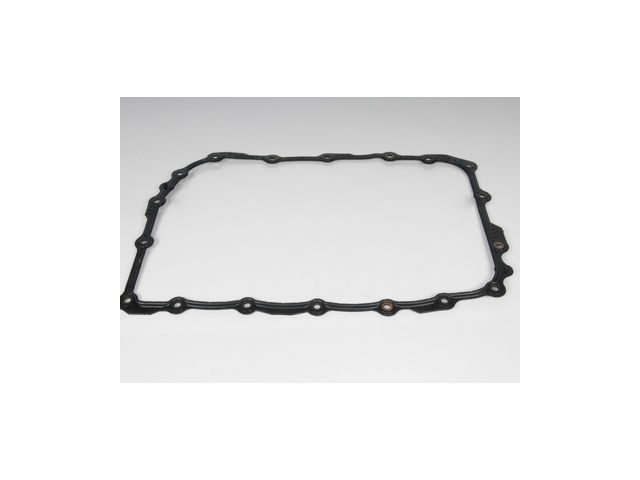
Aftermarket price range: $8-$12 per quart - Transmission Oil Pan Gasket and Filter Kit — The pan must be removed for the repair, and the gasket should always be replaced to prevent leaks. It is best practice to replace the filter at the same time to ensure the new components receive clean fluid.
Trusted brands: ACDelco
OEM price range: $40-$80
Aftermarket price range: $25-$50
Technical Service Bulletins (TSBs) & Recalls
- PI1344C: Provides diagnostic tips for reduced acceleration and slipping with DTC P0751 set. It identifies the cause as a sticking Clutch Select Solenoid Valve 2 resulting in a 4th gear start and advises inspecting the valve for scratches.
- PI1344B: An earlier version of the TSB that also identifies a sticking Clutch Select Solenoid Valve 2
Platform-Specific Known Issues
- GM Technical Service Bulletin #PI1344C notes customer complaints of 'reduced acceleration at low speed and/or transmission slipping from a launch' associated with DTC P0751, caused by the transmission being stuck in 4th gear.
- GM Technical Service Bulletin #PI1344B explicitly states the condition may be caused by the 'Clutch Select Solenoid Valve 2 (359), located in the lower valve body, sticking'. It recommends inspecting the valve for scratches.
- A user on CorvetteForum.com with a low-mileage 2008 Corvette reported a stored P0751 code. Another user shared their experience of having the same code appear on a brand new 2007 model at only 583 miles, which was resolved by a dealer performing a solenoid cleaning procedure with a Tech2 scan tool.
Mechanic-Grade Diagnostic Values
- Shift Solenoid (On/Off type) Resistance — expected: 20 - 40 ohms. Failure: A reading of 0 ohms (short) or infinite/OL (open circuit) indicates a failed solenoid coil within the TEHCM.
- Pressure Control (PWM type) Solenoid Resistance — expected: 3 - 8 ohms. Failure: Readings outside this range indicate a failed PWM solenoid. While P0751 points to an on/off solenoid, testing all solenoids is good practice when the TEHCM is accessed.
- Shift Solenoid (On/Off type) Current Draw — expected: 0.3 - 0.7 amps at 12 volts. Failure: Incorrect amperage draw when the solenoid is manually activated indicates a failure in the coil or its internal circuit.
Scan Tool Commands That Help
- GM Tech2 / GDS2: Solenoid Performance Test / Automated Solenoid Cleaning — This function electronically cycles all solenoids to flush debris from the valves and their circuits. It can be used as a first step before component replacement. If the code returns after the cleaning procedure, it points towards a mechanical or more significant electrical failure requiring TEHCM replacement.
- GM Tech2 / GDS2: Service Fast Learn Adapts — This procedure is mandatory after replacing the TEHCM/valve body. It resets and relearns the transmission's shift adaptive pressures to ensure proper shift quality with the new components.
Wiring & Ground Locations
- G107 — On the driver's side of the engine block, sometimes on a bell housing bolt or middle of the block.. This is a primary engine and powertrain ground. A loose or corroded G107 ground can cause a wide range of electrical issues, including erratic sensor readings and improper module function, potentially affecting the TCM's ability to control the transmission correctly.
- Transmission Main Connector (20-Way) — On the passenger side of the transmission case, passing through into the internal wiring harness.. This is the main electrical interface between the vehicle's wiring harness and the internal TEHCM. Checking for corrosion, bent pins, or fluid intrusion at this connector is a critical step before condemning the internal TEHCM.
Real Owner Repair Stories
- CorvetteForum.com user (2007 Chevrolet Corvette (C6)) — Check Engine Light on, stored code P0751 found at only 583 miles.
✅ What actually fixed it The dealer performed a 'clean shift solenoid valve procedure' using a Tech2 scan tool, which resolved the issue. The car then ran for an additional 97,000 miles without the problem returning.
OEM Part Supersession History
24256523→24287421, 24256797 (and others)— Part has been updated and revised by the manufacturer over time. The listed OEM part number is for the TEHCM assembly.
Heads up: The part number 24256523 is associated with both 6L80 and 6T40/6T45 transmissions in parts catalogs. It is critical to verify the correct part for the Corvette's 6L80 transmission using the vehicle's VIN, as TEHCMs for different transmissions are not interchangeable despite similar appearance.
Helpful Videos


We Have This Part in Stock

The information in this article is provided for general reference and educational purposes only. Vehicle specifications, procedures, and part compatibility can vary by production date, trim level, and region. Always consult your vehicle's factory service manual and verify part numbers before purchasing or performing repairs. Safety-critical components such as airbags, seat belts, and braking systems should be installed by a qualified professional.
- Chevrolet CORVETTE:
- 🧭 Diagnostic Flowchart
- 🎬 Helpful Videos
- 🛍️ Shop This Part
- What's Unique About the 2010-2014 Chevrolet CORVETTE
- Symptoms You May Notice
- Most Likely Causes
- Rare But Worth Checking
- Diagnosis Steps
- Parts You'll Likely Need
- Technical Service Bulletins (TSBs) & Recalls
- Platform-Specific Known Issues
- Mechanic-Grade Diagnostic Values
- Scan Tool Commands That Help
- Wiring & Ground Locations
- Real Owner Repair Stories
- OEM Part Supersession History
- 🎟️ Get 5% Off