

P0751 on 2011-2015 Chevrolet Silverado: Causes and Fixes for Shift Solenoid 'A' Stuck Off
On 2011-2015 Silverados with the 6L80 transmission, P0751 almost always points to a sticking 'Clutch Select Solenoid Valve 2' inside the valve body. This causes a default to 4th gear from a stop, resulting in extremely poor acceleration. The most reliable fix is to replace the entire lower valve body assembly, not just the single solenoid, as the valve bore itself is often damaged.
- P0751 on a 2011-2015 Silverado is a very specific and common problem, almost always caused by a sticking shift solenoid inside the transmission.
- Symptoms are severe and include poor acceleration and feeling like the truck is stuck in a high gear.
- While checking transmission fluid is a good first step, the ultimate fix usually requires dropping the transmission pan to replace internal components.
- This is not a beginner-friendly DIY repair. Professional service is strongly recommended to ensure it's done correctly.
- Simply clearing the code will not fix the problem; it will return as soon as the TCM detects the fault again.
What's Unique About the 2011-2015 Chevrolet SILVERADO
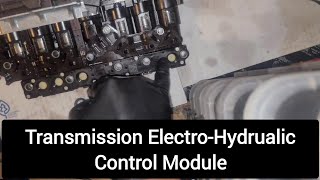
This issue is very common on the GM 6L80 and 6L90 transmissions used in this generation of Silverado. GM has released multiple Technical Service Bulletins (TSBs), like PI1344C, acknowledging the problem. The root cause is often a combination of a sticking valve and scratches or wear within its bore in the valve body. A frequently cited underlying cause is a failing torque converter clutch shedding debris, which contaminates the fluid and damages the sensitive valve body components. Unlike some transmissions where solenoids are easily accessible, on the 6L80, the solenoids are integrated into the valve body assembly (part of the TEHCM - Transmission Electro-Hydraulic Control Module), making the repair more involved.
Diagnostic Flowchart
Tap your situation to follow the diagnostic path that matches what you're seeing on this vehicle.
Generation note: The 2011-2015 year range covers the end of the 2nd generation Silverado (GMT900, 2007-2013) and the beginning of the 3rd generation (K2XX, 2014-2018). Both generations used the 6L80 automatic transmission with V8 engines, and this P0751 issue is common to the transmission itself, regardless of the truck's generation.
Symptoms You May Notice
- Reduced or extremely sluggish acceleration, especially from a stop.
- Transmission slipping when launching from a stop.
- Vehicle feels like it's starting in a higher gear (e.g., 3rd or 4th gear).
- Delayed or no engagement into reverse. [TSB #PIP4379K]
- Harsh or abrupt shifts ('clunk' shifts).
- Transmission is stuck in one gear ('limp mode').
- Check Engine Light is on.
- Replacing the entire transmission when only the valve body assembly is faulty.
- Replacing just a single solenoid when the valve bore is scored, leading to a quick return of the problem.
- Replacing the TCM/TEHCM when the problem is debris from a failing torque converter that will just damage the new unit.
Most Likely Causes
- Sticking Clutch Select Solenoid Valve 2 (Shift Solenoid 'A') 🔴 High Probability → Shop Transmission Valve Body This is a well-documented failure point in 6L80/6L90 transmissions, as confirmed by GM TSB #PI1344B and its successors. The valve can stick in its bore within the lower valve body, often due to scratches or wear.
How to confirm: A technician can use a scan tool to perform a solenoid performance test. However, TSB PI1344B notes the valve may become unstuck when the valve body is removed. The definitive diagnosis is a physical inspection of the valve and its bore for scoring or scratches after removing the valve body.
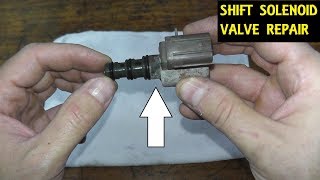
Typical fix: Replace the entire lower valve body assembly. GM's official procedure recommends this over replacing just the solenoid because the bore is often damaged.
Est. part cost: $200-$450 - Low or Dirty/Contaminated Transmission Fluid 🟡 Medium Probability → Shop Transmission Assembly A common underlying cause is a failing torque converter, which sheds metallic debris into the DEXRON-VI fluid. This contaminated fluid acts like sandpaper, scoring valve bores and clogging the tiny passages within the shift solenoids, causing them to stick.
How to confirm: Check the transmission fluid level and condition. This requires the vehicle to be at a specific temperature (checked via a fill plug, as there's no dipstick). Dark, burnt-smelling fluid or fluid with visible metallic particles in the pan is a strong indicator.
Typical fix: Perform a transmission fluid and filter change. If this doesn't resolve the issue, the valve body is likely already damaged. If significant debris is found, the torque converter should also be replaced and the cooler lines flushed to prevent repeat failure.
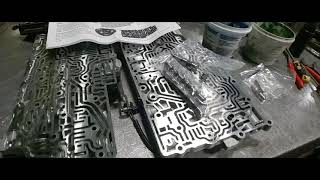
Est. part cost: $100-$200 - Debris in Valve Body Separator Plate Orifices 🟡 Medium Probability → Shop Transmission Valve Body TSBs #PIP5100 and #PIP5100A specifically mention that debris can block orifices in the valve body separator plate, causing various shifting issues including P0751. [TSB #PIP5100A] TSB #PIP5100A notes this can be caused by material from a failing aftermarket spin-on filter. Other TSBs suggest an updated, notched spacer plate gasket can improve oil flow to the solenoid, preventing this code.
How to confirm: Requires removal and disassembly of the valve body for visual inspection of the separator plate and its orifices.
Typical fix: Clean the valve body and separator plate thoroughly. In some cases, an updated notched spacer plate gasket is installed to improve oil flow.
Est. part cost: $25-$50 - Faulty Internal Wiring Harness ⚪ Low Probability → Shop Transmission Wiring Harness The wiring harness inside the transmission is constantly exposed to heat and fluid, which can make wires brittle and cause connectors to fail over time.
How to confirm: After dropping the pan, visually inspect the wiring harness for signs of damage, and test for continuity with a multimeter.
Typical fix: Replace the internal transmission wiring harness.
Est. part cost: $70-$150
Rare But Worth Checking
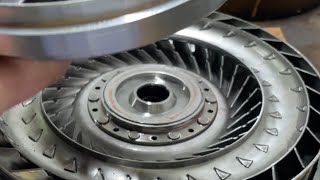
- Failing Torque Converter: → Shop Automatic Transmission Torque Converter A failing torque converter clutch (TCC) is a primary source of the debris that leads to P0751. This is often preceded by a shuddering sensation at highway speeds (a symptom addressed in TSB 18-NA-355). If significant metal is in the pan, the torque converter is a likely root cause. 🎬 Watch: How torque converter issues lead to transmission failure.
- Faulty Transmission Control Module (TCM): → Shop Transmission Assembly The TCM is integrated into the valve body assembly (TEHCM) on the 6L80. While a true electronic failure is rare compared to the mechanical sticking valve, it's possible. However, hydraulic and mechanical issues like a sticking solenoid are far more common and should be ruled out first.
Diagnosis Steps
- Check the transmission fluid level and condition. This is a critical first step, though it requires a specific procedure and temperature check since there is no dipstick.
- Use a professional scan tool to read P0751 and any other related transmission codes (e.g., P0700, P0741).
- Monitor live data with the scan tool to observe the commanded state vs. the actual state of Clutch Select Solenoid 2.
- Perform a 'Solenoid Performance Test' with the scan tool to electronically command the solenoid on and off. Listen for an audible click.
- Drop the transmission pan and inspect for excessive metal debris or clutch material on the pan magnet.
- Visually inspect the internal wiring harness for damage.
- Remove the valve body and, as per TSB #PI1344B, remove and inspect the Clutch Select Solenoid Valve 2 for physical scratches or scoring. Check if it moves freely in its bore.
- Inspect the valve body separator plate for blockages or debris, especially if an aftermarket filter was used. [14, TSB #PIP5100]
Parts You'll Likely Need
- Lower Valve Body
(OEM #24256523)— This is the GM-recommended fix. The bore where the solenoid sits is often scored, so replacing the solenoid alone is not sufficient. This part number often refers to the complete TEHCM assembly which includes the valve body, solenoids, and TCM.
Trusted brands: ACDelco (OEM)
OEM price range: $300-$550
Aftermarket price range: $250-$450 - Transmission Filter and Pan Gasket Kit
(OEM #24236933)— Required for any repair that involves dropping the transmission pan. A new filter is essential for clean fluid circulation.
Trusted brands: ACDelco, Wix, ATP
OEM price range: $40-$60
Aftermarket price range: $25-$45 - DEXRON-VI Automatic Transmission Fluid — This is the required fluid type. A pan drop and valve body replacement requires approximately 6-8 quarts for a refill.
Trusted brands: ACDelco, Valvoline, Castrol
OEM price range: $10-$15 per quart
Aftermarket price range: $8-$12 per quart - Shift Solenoid 'A' (Clutch Select Solenoid Valve 2) — While the valve body is the recommended fix, some attempt to replace only the solenoid. This is generally not advised as the solenoid bore is the likely point of failure.
Related Codes That Often Appear With This One
- P0700 — P0700 is a generic code indicating the TCM has detected a fault. It essentially tells the main engine computer to turn on the check engine light and that a more specific transmission code, like P0751, is stored.
- P0741 — This code indicates a Torque Converter Clutch (TCC) circuit performance or stuck off issue. It often appears alongside P0751 because a failing TCC is a common source of the debris that contaminates the valve body and causes the shift solenoid to stick.
Technical Service Bulletins (TSBs) & Recalls
- PI1344B: Diagnostic Tips for Reduced Acceleration at Low Speed and/or Transmission Slipping from a Launch, DTC P0751 Set.
- PIP4379K: Information on Transmission Delayed or No Reverse Engagement, Slip, Jolt, Harsh Shifts, and DTCs.
- PIP5100 / PIP5100A: Addresses vehicles that will not move due to debris in the valve body separator plate orifices.
Platform-Specific Known Issues
- TSB #PI1344B/PI1344C: Notes that customers may complain of reduced acceleration or slipping from a launch. It directly attributes this to the Clutch Select Solenoid Valve 2 sticking in its bore, resulting in a 4th gear start. It advises technicians to inspect the valve for physical scratches.
- TSB #PIP5100A: Warns that a 'no move' condition or various shift codes including P0751 can be caused by debris from an aftermarket spin-on filter clogging the valve body separator plate.
- Torque Converter Debris: A widely discussed issue in owner forums is the failure of the original torque converter, which sends debris throughout the transmission. Many owners report that a P0751 code was ultimately resolved only after replacing a failed torque converter and flushing the system in addition to replacing the valve body.
Mechanic-Grade Diagnostic Values
- Shift Solenoid (On/Off type) Coil Resistance — expected: 20-40 ohms. Failure: A reading of 0 ohms (short), infinity (open), or outside the specified range indicates a failed solenoid coil.
- Pressure Control (PWM type) Solenoid Coil Resistance — expected: 3-8 ohms. Failure: A reading outside this range indicates a failed solenoid coil.
- Voltage Supply at Solenoid Connector — expected: Approximately 12.6V (Battery Voltage). Failure: A reading of 0V or significantly less than battery voltage points to a wiring or TCM power supply issue.
Scan Tool Commands That Help
- GM GDS2/Tech2: Solenoid Performance Test / Output Controls — This function allows a technician to command each shift solenoid on and off individually to check for mechanical and hydraulic response. It's a critical step to confirm if the solenoid is physically sticking or if the hydraulic circuit is blocked.
- GM GDS2/Tech2: Solenoid Cleaning Procedure — After a fluid flush, a technician can use this automated function to cycle all solenoids rapidly to dislodge any remaining debris. This is a last-ditch effort to save a sticking solenoid before replacing the TEHCM.
Wiring & Ground Locations
- TEHCM Main Connector — The main electrical connector is on the passenger side of the transmission case, connecting the vehicle's main harness to the internal TEHCM.. This is the primary point for checking voltage and ground signals from the TCM to the solenoids without dropping the transmission pan. Corrosion or pushed-out pins here can cause P0751.
- G110 — On or near the right rear of the engine, typically mounted to the back of the cylinder head.. This is a major ground point for multiple components, including the transmission and its control modules. A loose or corroded G110 ground can cause a host of electrical issues, including erratic TCM behavior and solenoid control faults.
Real Owner Repair Stories
- silveradosierra.com forum user (2014 Silverado 5.3L) — P0751 code, transmission stuck in a higher gear, poor acceleration.
❌ Tried (didn't work) Initial diagnosis pointed to a simple solenoid failure.
✅ What actually fixed it The user reported that the ultimate fix was replacing the entire valve body assembly (TEHCM). The problem was not just the solenoid but also debris from a failing torque converter that had contaminated the system. This aligns with TSBs that point to replacing the whole assembly rather than just one component.
OEM Part Supersession History
24256523→Multiple numbers including 24256797, 24287421, 24298757— Revisions to address failure points and improve reliability. The TEHCM is a complex part that has undergone several updates.
Heads up: Part number 24256523 is generally for Gen 1 TEHCMs with black solenoids. Later generations use different colored solenoids and are not interchangeable. It is critical to match the TEHCM to the vehicle's year and original Tag ID.
Model Year Variations Within This Range
- 2014-2015: Models from 2014 onward (K2XX platform) were designed to run at a higher transmission fluid temperature (around 196°F). This higher heat can accelerate the breakdown of transmission fluid and increase the likelihood of varnish and sludge buildup, contributing to solenoids sticking.
Helpful Videos
We Have This Part in Stock


The information in this article is provided for general reference and educational purposes only. Vehicle specifications, procedures, and part compatibility can vary by production date, trim level, and region. Always consult your vehicle's factory service manual and verify part numbers before purchasing or performing repairs. Safety-critical components such as airbags, seat belts, and braking systems should be installed by a qualified professional.
- Chevrolet SILVERADO:
- 🧭 Diagnostic Flowchart
- 🎬 Helpful Videos
- 🛍️ Shop This Part
- What's Unique About the 2011-2015 Chevrolet SILVERADO
- Symptoms You May Notice
- Most Likely Causes
- Rare But Worth Checking
- Diagnosis Steps
- Parts You'll Likely Need
- Related Codes That Often Appear With This One
- Technical Service Bulletins (TSBs) & Recalls
- Platform-Specific Known Issues
- Mechanic-Grade Diagnostic Values
- Scan Tool Commands That Help
- Wiring & Ground Locations
- Real Owner Repair Stories
- OEM Part Supersession History
- Model Year Variations Within This Range
- 🎟️ Get 5% Off