

P0751 on 2005-2007 Ford Five Hundred: Shift Solenoid 'A' Causes and Fixes
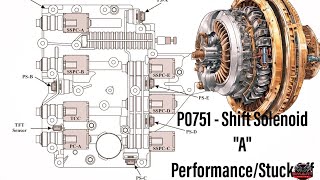
This code on a Ford Five Hundred with the 6-speed automatic transmission almost always points to a problem with the transmission valve body. A software update might fix it on low-mileage cars, but a valve body replacement is the most common long-term solution. Continued driving is not recommended as it can lead to severe internal damage.
- This code applies to FWD models with the 6-speed automatic, not AWD models with the CVT.
- The most probable cause is a failing transmission valve body, a known issue with this Aisin transmission.
- Always check for software updates first, as a PCM/TCM reflash can sometimes fix the issue, per TSB 07-26-9.
- Only use the specified JWS 3309 transmission fluid (Motorcraft XT-8-QAW). Using the wrong fluid will cause damage.
- This is not a simple DIY fix. Valve body replacement is a complex job that requires special tools and computer reprogramming.
What's Unique About the 2005-2007 Ford Five Hundred
🎬 Watch: Top common problems with the Ford Five HundredThe Ford Five Hundred (and its platform mates, the Mercury Montego and Ford Freestyle) used two different transmissions. FWD models received an Aisin Warner TF-81SC 6-speed automatic, while AWD models got a ZF CVT. The P0751 code is specific to the Aisin 6-speed. This particular Aisin transmission is known for developing issues with its valve body over time, leading to harsh shifting, clunking, and solenoid performance codes like P0751. While a single solenoid can fail, it's more common for the entire valve body assembly, which contains the solenoids and hydraulic passages, to be the root cause of the problem on this platform due to wear in the solenoid bores.
Symptoms You May Notice
- Harsh or abrupt shifting, especially on downshifts.
- Delayed gear engagement from Park to Drive or Reverse. 🎬 Watch: Diagnostic steps for a Ford that won't move
- Vehicle gets stuck in one gear (limp mode).
- Flashing overdrive (O/D) light or illuminated Check Engine Light.
- A feeling like being rear-ended when the transmission shifts.
- Transmission slipping between gears.
- Lurching or stuttering at low speeds.
- Engine RPMs rise without a corresponding increase in vehicle speed.
- Replacing only a single shift solenoid when the issue is a worn valve body.
- Replacing the transmission without first attempting a software update or valve body replacement, which are the more common and less expensive fixes.
- Attributing the code to an electrical fault when it is a hydraulic/mechanical issue within the valve body, as the code description 'stuck off' implies a physical problem.
Most Likely Causes
- Failing Transmission Valve Body 🔴 High Probability → Shop Transmission Valve Body The Aisin TF-81SC transmission used in the Five Hundred has a documented history of valve body failures, causing a variety of shifting problems. Wear in the solenoid bores within the valve body leads to hydraulic pressure loss, preventing the solenoid from actuating the valve correctly. TSB 07-26-9 specifically points to valve body replacement as the fix for harsh shifting if a software update doesn't work.
How to confirm: A technician can monitor solenoid commands and transmission data with a high-end scan tool. If the solenoid receives the command but the gear change is incorrect or harsh, and fluid is clean, the valve body is the likely culprit. A pressure test at the transmission test port can also reveal low hydraulic pressure, pointing to an internal issue like the valve body or pump.
Typical fix: Replace the entire transmission valve body assembly. The new valve body must be programmed to the vehicle's TCM using a dealer-level scan tool to input calibration data.
Est. part cost: $600-$1200 - Outdated TCM/PCM Software 🟡 Medium Probability Ford released several software updates to address harsh shifting complaints with this transmission. On lower-mileage vehicles, an update can sometimes resolve the issue by adjusting shift pressures and timing before mechanical wear becomes severe. However, if wear is already present in the valve body, a software update is unlikely to be a permanent fix.
How to confirm: A Ford dealership or a well-equipped independent shop with a J2534 pass-through device can check the current software calibration and see if an update is available.
Typical fix: Reprogram the Transmission Control Module (TCM) and Powertrain Control Module (PCM) with the latest software. This service typically costs between $150-$250.
Est. part cost: $0 - Low or Degraded Transmission Fluid ⚪ Low Probability → Shop Transmission Assembly While this is a common cause for this code on many vehicles, on the Five Hundred it's more often a symptom of a larger issue or incorrect service. Using the wrong fluid (like Mercon V instead of the required XT-8-QAW fluid) can cause severe damage and shifting problems. At higher mileage, the 'lifetime' fluid can break down, leading to deposit formation that can cause valves to stick.
How to confirm: Check the transmission fluid level and condition via the dipstick. The fluid should be red and clear, not dark, burnt-smelling, or low. Any metallic sheen indicates internal wear.
Typical fix: Perform a transmission fluid drain-and-fill using only the specified Motorcraft XT-8-QAW fluid or an equivalent JWS 3309 specification fluid. A full flush may be needed if the fluid is very dirty.
Est. part cost: $80-$150
Rare But Worth Checking
- Damaged Wiring Harness: The wiring harness running to the transmission can become damaged or corroded, causing an electrical fault in the solenoid circuit. This is less common than an internal valve body failure but should be inspected, particularly at the main connector to the transmission.
- Failed Shift Solenoid 'A': → Shop Transmission Valve Body While possible for an individual solenoid to fail electrically (open or shorted coil), it is much more common for the failure to be mechanical (sticking) or part of a larger valve body issue on this specific transmission. Replacing just one solenoid is often a temporary fix as the wear in the valve body bore will cause the new solenoid to malfunction as well.
Diagnosis Steps
- Verify the transmission type. This guide applies only to FWD models with the 6-speed Aisin automatic. If the vehicle is AWD, it has a CVT and the cause will be different.
- Check the transmission fluid level and condition. Ensure it is full, clean, and does not smell burnt. The correct fluid is JWS 3309 spec (Motorcraft XT-8-QAW).
- Scan for other transmission-related DTCs. Codes for other solenoids (like P0756) point towards a larger hydraulic or electronic issue.
- Check for available TSBs and software updates. Have a dealer or qualified shop check if the PCM/TCM software is current. TSB 07-26-9 is the primary document. This should be the first step on low-mileage cars with minor symptoms.
- If software is up-to-date and fluid is good, inspect the transmission wiring harness for any visible damage, corrosion, or loose connections at the main transmission connector.
- Using an advanced scan tool, command Solenoid 'A' on and off to check for an audible click and monitor the circuit voltage/duty cycle to confirm the TCM is sending the signal.
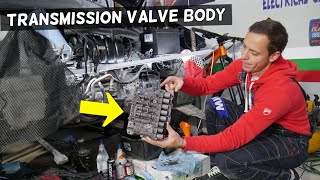
- If the solenoid is being commanded but the shift issue persists, the most likely cause is a faulty transmission valve body. This requires removal of the transmission pan for replacement. 🎬 See how to remove and replace a transmission valve body
- After replacement, the new valve body must be programmed to the vehicle by inputting calibration data from the new part into the TCM.
Parts You'll Likely Need
- Transmission Valve Body
(OEM #6F9Z-7A100-C (may be superseded by remanufactured part numbers like 5F9Z-7A100-ZRM))— This is the most common point of failure for shift-related issues, including code P0751, on the Aisin 6-speed transmission in the Ford Five Hundred. The entire assembly is typically replaced rather than individual components.
Trusted brands: Sonnax (rebuild kits and components), RevMax, Motorcraft (OEM)
OEM price range: $800-$1200
Aftermarket price range: $600-$900 - Automatic Transmission Fluid (JWS 3309)
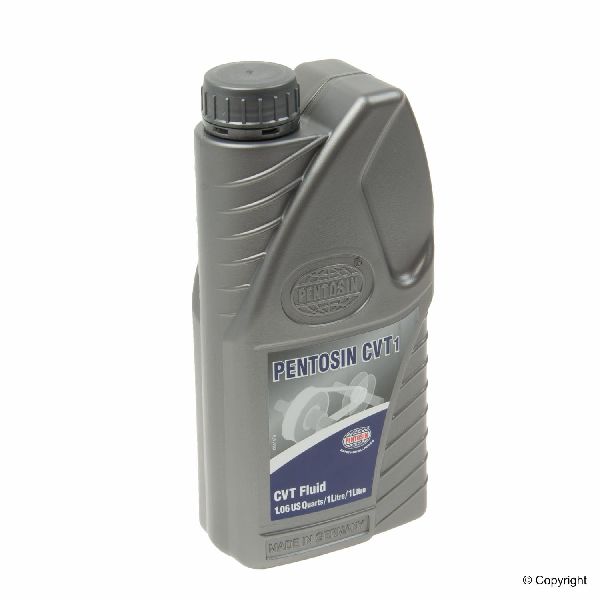
(OEM #XT-8-QAW)— The correct fluid is required when replacing the valve body or servicing the transmission. Using the wrong fluid type can cause severe damage. A typical valve body replacement requires 4-6 quarts.
Trusted brands: Motorcraft, Idemitsu, AISIN, Mobil ATF 3309
OEM price range: $15-$25 per quart
Aftermarket price range: $8-$15 per quart
Related Codes That Often Appear With This One
- P0756 — This code indicates a fault with Shift Solenoid 'B'. Seeing multiple solenoid performance codes together strongly suggests a systemic issue like a failing valve body or a fluid pressure problem, rather than multiple individual solenoid failures.
- P0700 — This is a generic code from the TCM requesting the Check Engine Light be turned on. It indicates a transmission-related fault has been stored and will always be present with specific codes like P0751.
Technical Service Bulletins (TSBs) & Recalls
- 07-26-9: Addresses harsh shifting and clunking on downshifts. The procedure is to first reprogram the PCM, and if the issue persists, inspect fluid for contamination and replace the main valve body.
- Bulletin #TSB 26-2046: While issued for other Ford models, this bulletin notes that P0751 can be associated with harsh or delayed engagement and shifting, often accompanied by an illuminated malfunction indicator lamp.
Platform-Specific Known Issues
- Ford issued Technical Service Bulletin (TSB) 07-26-9 for harsh shifting on these models, which recommends a PCM reflash and, if that fails, replacement of the main valve body.
- Using incorrect transmission fluid (such as Mercon V) instead of the specified JWS 3309 fluid (Motorcraft XT-8-QAW) is known to cause shifting problems and internal damage.
- The AWD models use a completely different CVT transmission which is also known for failure, but the symptoms and repairs are entirely different.
Mechanic-Grade Diagnostic Values
- Shift Solenoid 'A'/'B' (On/Off type) Coil Resistance — expected: 13.6 Ohms. Failure: A reading significantly higher or lower than 13.6 Ohms, or an open circuit (infinite resistance), indicates a failed solenoid coil.
- Voltage at Solenoid Connector (Key On) — expected: Approximately 12.6V (Battery Voltage) on the power supply wire and ~0V on the ground wire.. Failure: Voltage deviation greater than 0.5V on either wire points to high resistance in the wiring or a poor ground connection.
Scan Tool Commands That Help
- Ford IDS (or equivalent J2534/FORScan tool): Transmission Solenoid Strategy Programming / Solenoid Body ID Entry — This is a mandatory procedure after replacing the transmission valve body. The new valve body or solenoid pack has a specific calibration/ID code that must be programmed into the TCM. Failure to do this will result in harsh shifting, no gear engagement, or a no-start condition.
- Ford IDS (or equivalent J2534/FORScan tool): Clear Transmission Adaptive Tables — After a valve body replacement and programming, the TCM's learned shift adaptations must be reset. This forces the module to relearn shift pressures and timing with the new hardware.
- Ford IDS (or equivalent J2534/FORScan tool): Adaptive Learning Drive Cycle — This is a specific driving procedure performed after clearing the adaptive tables to allow the TCM to properly relearn shift points under various load conditions (light, medium, heavy throttle).
Wiring & Ground Locations
- Powertrain Control Module (PCM) — Located in the right rear of the engine compartment.. The PCM is the control center that commands the shift solenoids. All wiring for the transmission originates here, making it a key area to check for connector integrity and corrosion.
- G102 — A key ground point located on the right rear of the engine compartment, near the PCM.. A poor ground at this location can cause a variety of powertrain issues, including erratic behavior from control modules and sensors, potentially leading to incorrect fault codes.
- G210 — A ground point located at the bottom of the driver's side 'A' pillar.. Interior grounds can affect the operation of various control modules and communication networks within the vehicle. While less likely to be the primary cause, it's a known location to check for widespread electrical issues.
- Transmission Main Connector — On the transmission case where the main vehicle harness connects to the internal transmission wiring.. This is the primary connection point for all solenoid circuits. It should be inspected for corrosion, bent pins, or fluid intrusion, which can directly cause a P0751 code.
"I Checked Everything" — The Actual Cause
- A common scenario for the P0751 code on the TF-81SC transmission is that all electrical tests for Shift Solenoid 'A' will pass. A technician may measure the solenoid's resistance and find it is within spec (e.g., ~13.6 Ohms), and verify that the TCM is sending the correct voltage signal. However, the code persists because the fault is not electrical. The actual cause is mechanical wear inside the aluminum valve body at the bore where the solenoid operates. This wear creates a hydraulic leak, preventing the fluid pressure commanded by the solenoid from properly actuating the shift valve. The TCM sees the command was sent but the gear ratio didn't change, logging the 'Performance/Stuck Off' code. This is why simply replacing the solenoid often fails to fix the issue, and a full valve body replacement (or re-sleeving the bore with a Sonnax kit) is required.
OEM Part Supersession History
6F9Z-7A100-C (Ford OEM)→5F9Z-7A100-ZRM (Ford Remanufactured), or aftermarket units.— Original parts are often superseded by remanufactured units as the vehicle ages. Aftermarket companies like Sonnax also provide improved versions.
Heads up: The Aisin TF-81SC valve body was updated around 2010 to address wear issues. Ensure any replacement, especially a used one, is specified for the 2005-2007 model year. Also, be careful not to confuse the TF-81SC (6-speed) with the similar TF-80SC, as they are not interchangeable.OEM Valve Body→Sonnax Remanufactured Valve Body (e.g., with casting # 5G13-7Z488-AA)— Aftermarket remanufacturers like Sonnax often re-engineer valve bodies to fix original design flaws. Their kits may include oversized valves and sleeves to repair worn bores, providing a more durable solution than a new OEM part of the original design.
Heads up: Always match the valve body to the specific vehicle and transmission model (TF-81SC).
Model Year Variations Within This Range
- 2005-2007: All vehicles in this year range are equipped with the first-generation Aisin TF-81SC valve body, which is known to be more susceptible to bore wear and shifting issues. A redesign that improved durability occurred around 2010, after this vehicle's production run ended.
Diagnostic Flowchart
Other Known Issues on This Vehicle
Issues unrelated to this code that are worth knowing about as an owner of this generation:
- Electronic Throttle Body (ETB) Failure 🔴 High — Very common, can occur at any mileage. Causes sudden 'limp mode' (wrench light) and loss of acceleration. (Ref: Ford had a Customer Satisfaction Program (12N03) to clean the throttle body and update software, but full replacement is often necessary.)
- CVT Transmission Failure (AWD Models) 🔴 High → Shop Transmission Assembly — Common on AWD models, with failures reported as early as 80,000-90,000 miles. Repair is extremely expensive, often exceeding the value of the car. (Ref: Multiple TSBs exist, but no widespread recall was issued. A class-action lawsuit was filed regarding the CVT in the related Ford Freestyle.)
- Leaking/Collapsed Motor Mounts 🟠 Medium — The hydraulic upper engine mounts are prone to leaking and collapsing, typically after 100,000 miles, causing excessive engine vibration at idle and clunking noises.
- Premature Radiator/Heater Core Failure due to Electrolysis 🟠 Medium — Some owners report premature failure of the radiator and/or heater core due to electrolysis in the cooling system.
Used vs. New Parts: Buying Guide for This Vehicle
When a used part is the smart pick: A used valve body from a junkyard is a high-risk gamble for this specific repair, as the primary failure mode is gradual wear. It only makes sense if the budget is extremely tight and the donor part is from a very low-mileage, verified running vehicle. A professionally remanufactured unit is a much safer alternative to a brand new OEM part.
Donor-vehicle mileage cap: roughly under 80000 miles for the part to have meaningful remaining life.
What to inspect on the donor part:
- Verify the donor vehicle's mileage is as low as possible.
- Prioritize parts from vehicles taken out of service due to rear-end or side collisions, suggesting the powertrain was functional.
- If possible, inspect the transmission fluid color on the donor's dipstick; avoid any that is dark, burnt, or contains metallic particles.
- Ensure the part comes with a warranty or return period from the salvage yard.
OEM-only on this vehicle (don't cheap out):
- While the valve body itself can be sourced from the aftermarket, the Transmission Control Module (TCM) should be an OEM part if it is ever diagnosed as faulty, as aftermarket modules can have programming and compatibility issues.
Aftermarket brands forum-validated for this vehicle:
- Sonnax: Widely regarded in the transmission industry for providing high-quality valve body repair kits (with oversized valves and reaming tools) and fully remanufactured valve bodies that correct original design flaws.
- RevMax: Another known rebuilder of valve bodies.
Brands owners have reported issues with on this vehicle:
- Unbranded, suspiciously cheap valve bodies from online marketplaces like eBay or Amazon. These may be poorly rebuilt units or, in some cases, counterfeit parts that can cause immediate or premature failure.
Real Owner Stories
Aggregated from forums and TSBs cited above. Mileages and costs reflect what owners reported in those sources.
2006 Ford Five Hundred — 70000 miles
Symptoms: The owner was quoted for a full transmission replacement due to shifting issues, though technicians suggested the TSB path of reprogramming and valve body replacement first.
What fixed it: The discussion references following TSB 07-26-9 (reprogramming then valve body replacement) rather than a full $6,000 transmission replacement.
Cost: $6,000-$6,000
Source hint: BAT Auto Technical: 2006 Ford Five Hundred Transmision Problems
2005 Ford Five Hundred — 40000 miles
Symptoms: Rough idle, lurching when put in drive, stalling at low speeds, and a 'Check Transmission' warning light.
What fixed it: The source describes these as classic symptoms of the Aisin transmission issues often addressed by the valve body/software TSB.
Source hint: Reddit r/Cartalk: Transmission(?) Problems with 2005 Ford Five Hundred
2006 Ford Five Hundred
Symptoms: The vehicle was 'hunting and slamming gears'.
What fixed it: Replacement of the transmission valve body and mandatory reprogramming using dealer-level tools.
Source hint: BobIsTheOilGuy.com: changing out a valve body in '06 Ford Five-Hundred
Documented NHTSA Reports
Ford Owner Report — NHTSA ODI #11474436
Symptoms: An owner reported that the vehicle had trouble engaging or shifting. A diagnostic report identified code P0751 for SSA performance stuck on or off.
Ford Owner Report — NHTSA ODI #11694940
Symptoms: A dealership evaluation for internal transmission issues found multiple DTCs including P0751 and P2700, indicating a clutch mechanical fault where the A clutch was dragging.
Related OBD-II Codes
Frequently Asked Questions
My 2006 Ford Five Hundred is slamming into gear; does TSB 07-26-9 apply to my car?
Can I use Mercon V fluid in my Ford Five Hundred's 6-speed transmission?
Is the repair for a P0751 code the same on an AWD Ford Five Hundred?
Do I need special tools to replace the valve body on my 2005-2007 Five Hundred?
Will a software update fix my transmission's harsh shifting?
Helpful Videos
We Have This Part in Stock

The information in this article is provided for general reference and educational purposes only. Vehicle specifications, procedures, and part compatibility can vary by production date, trim level, and region. Always consult your vehicle's factory service manual and verify part numbers before purchasing or performing repairs. Safety-critical components such as airbags, seat belts, and braking systems should be installed by a qualified professional.
- Ford Five Hundred:
- 🧭 Diagnostic Flowchart
- 🎬 Helpful Videos
- 🛍️ Shop This Part
- What's Unique About the 2005-2007 Ford Five Hundred
- Symptoms You May Notice
- Most Likely Causes
- Rare But Worth Checking
- Diagnosis Steps
- Parts You'll Likely Need
- Related Codes That Often Appear With This One
- Technical Service Bulletins (TSBs) & Recalls
- Platform-Specific Known Issues
- Mechanic-Grade Diagnostic Values
- Scan Tool Commands That Help
- Wiring & Ground Locations
- "I Checked Everything" — The Actual Cause
- OEM Part Supersession History
- Model Year Variations Within This Range
- Other Known Issues on This Vehicle
- Used vs. New Parts: Buying Guide for This Vehicle
- Real Owner Stories
- 2006 Ford Five Hundred — 70000 miles
- 2005 Ford Five Hundred — 40000 miles
- 2006 Ford Five Hundred
- Documented NHTSA Reports
- Ford Owner Report — NHTSA ODI #11474436
- Ford Owner Report — NHTSA ODI #11694940
- Related OBD-II Codes
- Frequently Asked Questions
- 🎟️ Get 5% Off