

P0751 on 2009-2019 Ford Flex: Shift Solenoid 'A' Performance Causes and Fixes
On a 2009-2019 Ford Flex, code P0751 is most often caused by a failed shift solenoid within the 6F50/6F55 transmission. The fix is typically replacing the entire solenoid body assembly, which costs $200-$400 for the part and requires computer reprogramming.
- P0751 on a Ford Flex almost always points to an issue within the transmission, not an external sensor.
- Always check the transmission fluid level and condition first, as it's the simplest and cheapest potential fix.
- The most likely repair is replacing the entire solenoid body assembly, not just a single solenoid.
- This repair is not DIY-friendly for most people because it requires specialized tools to reprogram the vehicle's computer with the new solenoid's calibration data.
- Ignoring this code can lead to the vehicle entering a 'limp mode' and may cause further, more expensive damage to the transmission.
What's Unique About the 2009-2019 Ford Flex
The Ford Flex uses the 6F50 or 6F55 automatic transmission, shared with platform mates like the Ford Edge and Lincoln MKT. For this specific transmission, the individual shift solenoids are generally not sold separately. Instead, they are integrated into a single component called the solenoid body assembly (also known as the valve body). Therefore, a failure of a single solenoid, like 'A', requires the replacement of the entire solenoid pack. This repair also critically requires the new solenoid body's unique 16-digit calibration code (Solenoid Strategy ID), found on the new part, to be programmed into the vehicle's computer using a high-level scan tool like FORScan or the dealer's IDS. Failure to program this ID will result in harsh shifts, incorrect shift points, or persistent codes.
Symptoms You May Notice
- Harsh, delayed, or erratic shifts
- Transmission getting stuck in one gear (limp mode)
- Vehicle may not move or feel like it's in neutral, especially when trying to engage a forward gear
- Illuminated Check Engine Light or wrench light (Powertrain Malfunction Indicator)
- Transmission may overheat
- Decreased fuel economy
- Slipping sensation during or between shifts
- Replacing only a single solenoid when the entire solenoid body assembly is the required service part.
- Replacing the transmission without properly diagnosing the solenoid body or wiring first.
- Replacing the solenoid body but failing to program the new strategy ID, leading to continued shifting problems.
- Blaming the solenoid when the root cause is extremely dirty or low fluid.
Most Likely Causes
- Failed Shift Solenoid Body Assembly 🔴 High Probability → Shop Transmission Valve Body The solenoids in the 6F50/6F55 transmission are a known failure point, often due to internal wear or contamination over time. The entire assembly, which includes the solenoids and the lead frame connector, is serviced as one unit.
How to confirm: After confirming fluid is clean and full, a diagnostic scan tool that can command individual solenoids can be used. If the solenoid does not respond or the code returns immediately after clearing, the solenoid body is the likely culprit. A multimeter can be used to check resistance of the solenoid once accessed, but failure is often mechanical (sticking) rather than purely electrical.
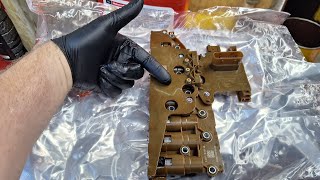
Typical fix: Replace the entire transmission solenoid body assembly located inside the side cover of the transmission. 🎬 Watch: This walkthrough shows how to replace the solenoid body. The PCM must then be reprogrammed with the new solenoid's strategy ID.
Est. part cost: $200-$450 - Low or Dirty Transmission Fluid 🟡 Medium Probability → Shop Transmission Assembly Like any automatic transmission, the 6F50/6F55 relies on clean fluid at the correct level for hydraulic pressure. Old, burnt, or low fluid can cause solenoids to stick or not actuate properly. Many owners neglect transmission service intervals, leading to fluid breakdown.
How to confirm: Check the transmission fluid level and condition via the dipstick. The fluid should be bright red (for MERCON LV) and not have a burnt smell. This should always be the first check. Dark or black fluid is a strong indicator of a problem.
Typical fix: Perform a transmission fluid drain and fill, or a full fluid exchange. Replace the transmission filter if applicable. If the fluid is very dark or contains metal shavings, more significant internal damage is likely and a simple fluid change will not fix the P0751 code.
Est. part cost: $75-$200 - Wiring or Connector Issues ⚪ Low Probability The internal transmission wiring harness (lead frame) operates in a high-temperature fluid environment and can become brittle or damaged over time, leading to a loss of connection to the solenoid. The external connector on the transmission case can also be a point of failure due to corrosion or damage.
How to confirm: Inspect the wiring harness connector at the transmission case (C175T) for damage or corrosion. A more thorough check involves removing the transmission pan/cover to inspect the internal wiring leading to the solenoid body.
Typical fix: Repair the damaged section of the wiring harness or replace the harness if necessary. Often, the internal lead frame is part of the solenoid body assembly and is replaced with it.
Est. part cost: $50-$300
Rare But Worth Checking
- Faulty Powertrain Control Module (PCM): While rare, the driver circuit within the PCM that controls the solenoid can fail. This should only be considered after all other possibilities, including wiring and the solenoid itself, have been exhaustively ruled out.
- Sticking Valves in Main Control Valve Body: → Shop Transmission Valve Body Ford has issued TSBs for other transmissions where internal valves in the main control (valve body) stick, causing solenoid performance codes like P0751. This indicates a deeper mechanical issue within the valve body itself, which is a more complex and expensive repair than the solenoid body.
- Broken Orifice Restrictor Cup Plug: Specifically for 2010 models built between 12/11/2009 and 04/15/2010, Ford issued TSB 10-9-9. This TSB addresses DTC P0751 accompanied by harsh/no forward engagement or slipping downshifts. The cause is a broken orifice restrictor cup plug in the forward clutch circuit, located under the main control. This is a significant internal repair.
Diagnosis Steps
- Check the transmission fluid level and condition. Top off or change the fluid if it is low, dark, or has a burnt smell.
- Use a high-quality OBD-II scanner to check for other transmission-related codes. Note all codes present.
- Clear the codes and perform a test drive to see if the P0751 code returns immediately.
- Inspect the external transmission wiring harness and connectors for any visible damage, corrosion, or loose connections.
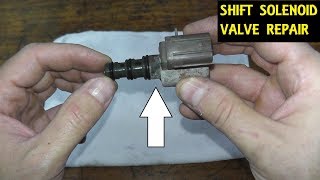
- If possible, use a bidirectional scan tool (like FORScan for Fords) to command Shift Solenoid 'A' on and off to test its electrical function and monitor its status. 🎬 Watch: A guide to testing and diagnosing shift solenoid codes.
- If the solenoid is unresponsive or the code persists, the next step is to access the solenoid body. This involves draining the fluid and removing the transmission side cover.
- Inspect the internal wiring harness for damage.
- If wiring is intact, replace the solenoid body assembly.
- Crucially, after replacement, program the new solenoid body strategy ID (a 16-digit code on the new part) into the PCM using a compatible scan tool. 🎬 See how to program the new strategy ID using FORScan.
- Perform a transmission fluid flush and fill with the correct Motorcraft MERCON LV fluid.
Parts You'll Likely Need
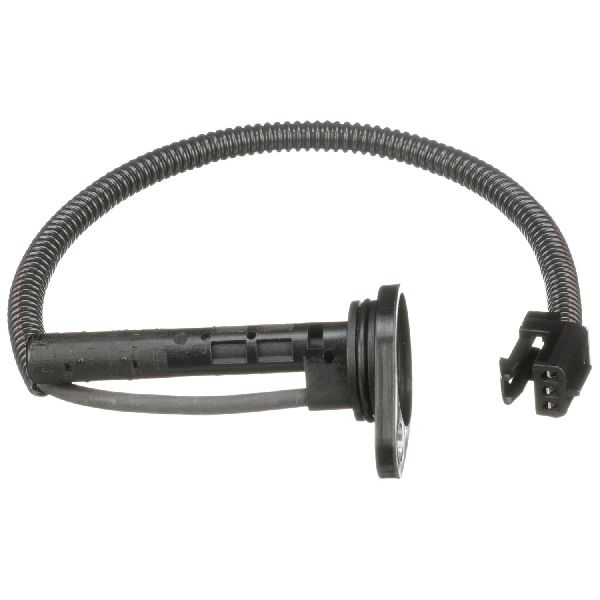
- Transmission Solenoid Body Assembly
(OEM #AA5P-7Z369-AA (example, verify by VIN, may be superseded))— This is the most common part to fail and cause the P0751 code on the 6F50/6F55 transmission. It contains all the shift solenoids in one unit.
Trusted brands: Motorcraft, Bosch
OEM price range: $350-$500
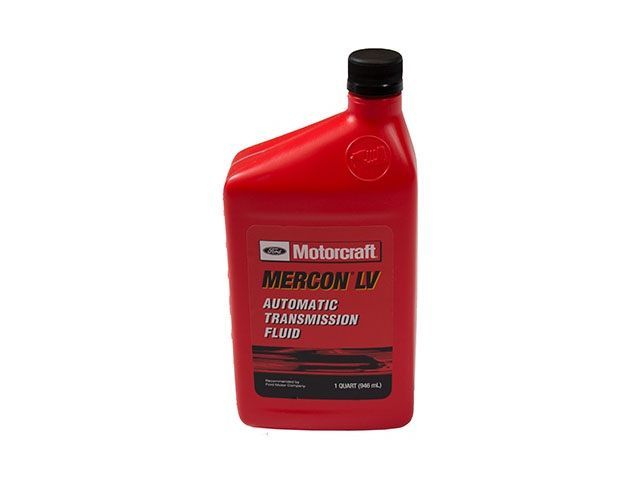
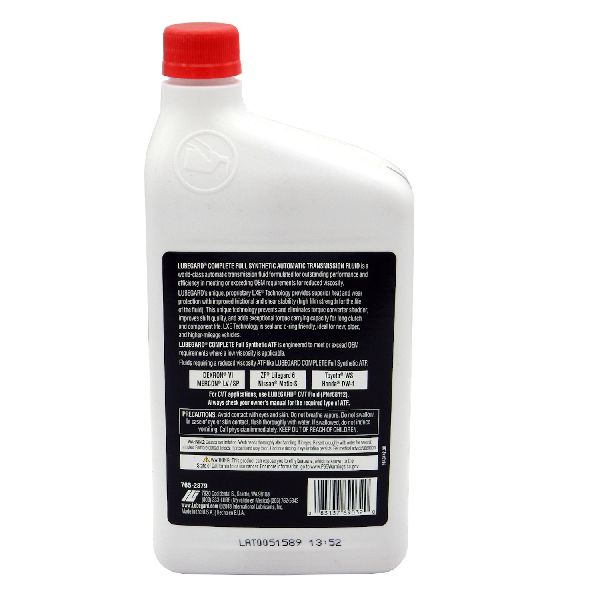
Aftermarket price range: $200-$350 - Motorcraft MERCON LV Automatic Transmission Fluid
(OEM #XT-10-QLVC)— The correct transmission fluid is required when performing this service. You will need approximately 6-9 quarts for a drain/fill and solenoid replacement.
Trusted brands: Motorcraft
OEM price range: $10-$15 per quart
Aftermarket price range: $8-$12 per quart
Related Codes That Often Appear With This One
- P0756 — This code is for Shift Solenoid 'B' Performance. It's common to see multiple solenoid codes if the issue is related to fluid contamination, wiring that affects multiple solenoids, or a failing solenoid body assembly.
- P0729, P0731-P0735 — These are incorrect gear ratio codes. They are a direct symptom of the P0751 fault. Because Solenoid 'A' is not working, the transmission cannot achieve the commanded gear, resulting in a mismatch between engine speed and output speed that the PCM logs as a gear ratio error.
- P0748 — This code indicates an electrical fault in the Pressure Control Solenoid 'A' circuit. It can appear alongside P0751 if there is a wiring or power issue affecting multiple solenoid circuits.
Technical Service Bulletins (TSBs) & Recalls
- TSB 10-9-9: Specifically for 2010 Ford Flex, Taurus, Edge, MKS, MKT, and MKX models with 6F50/55 transmissions built between 12/11/2009 and 04/15/2010. Addresses DTC P0751 with symptoms of no forward engagement or slipping downshifts, caused by a broken orifice restrictor cup plug in the forward clutch circuit.
- Bulletin #TSB 26-2046: Notes that P0751 may be accompanied by harsh or delayed engagement, harsh or delayed shifts, and an illuminated MIL. This bulletin covers multiple transmission codes including P0751, P0752, and P0756.
Mechanic-Grade Diagnostic Values
- Shift Solenoid 'A' (SSA) Resistance — expected: 3.24 - 5.13 Ohms at -20°C to -10°C (-4°F to 14°F), scaling up to 19.95 - 28.85 Ohms at 30°C to 40°C (86°F to 104°F). A common room temperature range is 18.15 - 27.05 Ohms at 10°C to 20°C (50°F to 68°F).. Failure: A reading of infinite resistance (open circuit) or near zero resistance (short circuit) indicates a failed solenoid coil. A reading significantly outside the temperature-adjusted range also indicates a problem.
Scan Tool Commands That Help
- FORScan: Service Procedure: Clear Transmission Adaptive Tables — This should be performed before installing a new solenoid body or after the new strategy ID has been programmed. It forces the TCM to discard old learned values that were compensating for the failing part, ensuring a fresh start for the new component.
- FORScan: Configuration and Programming: PCM/TCM Module Configuration -> Transmission Solenoid Body Information — This is the critical function used after replacing the solenoid body assembly. The technician must enter the 13-digit Solenoid Strategy and 7-digit Solenoid Body ID from the sticker on the new part. FORScan will then download the correct calibration file from Ford's servers.
- FORScan: DTCs: Clear All DTCs — After the new solenoid strategy has been successfully programmed and adaptive tables have been cleared, this function is used to erase any lingering fault codes before performing the adaptive learning test drive.
Wiring & Ground Locations
- C175T — The main external electrical connector on the left side of the 6F50/6F55 transmission case.. This is the primary connection point between the main vehicle wiring harness and the transmission's internal components, including all shift solenoids. All command signals from the PCM/TCM to Shift Solenoid 'A' pass through this connector. Corrosion or damage here can cause a P0751.
- SSA (Signal Name) — This is the designation for the Shift Solenoid 'A' control circuit within the wiring diagram.. When testing for continuity or voltage from the PCM/TCM to the transmission, a technician would need to identify the specific wire and pin associated with the 'SSA' circuit at the C175T connector and the PCM connector.
- G102 — A major chassis ground point located at the right rear of the engine compartment.. The Powertrain Control Module (PCM), which controls the transmission, relies on clean, solid ground connections to function. A poor ground at G102 could cause erratic behavior or voltage issues that might be misdiagnosed as a component failure.
Real Owner Repair Stories
- Ford Forum user (2010 Ford Flex 3.5 EcoBoost with 6F50 transmission) — User replaced the entire transmission.
❌ Tried (didn't work) The user attempted to use FORScan to program the new solenoid body strategy but was initially unsuccessful, highlighting the complexity of the procedure.
✅ What actually fixed it The user was seeking alternatives to paying the Ford dealership, which quoted $220 just to perform the solenoid body strategy programming required to make the new transmission function correctly. This confirms the programming is a mandatory, and potentially costly, final step of the repair. - Owner Complaint (NHTSA ODI #11474436) — An owner reported that their vehicle had trouble engaging or shifting. A diagnostic report identified code P0751 for SSA performance stuck on or off, leading the owner to have the vehicle towed to a dealership for powertrain service.
- Owner Complaint (NHTSA ODI #11694940) — A report describes a situation where a dealership evaluation found multiple DTCs for internal transmission issues, specifically P0751 and P2700, indicating a clutch mechanical fault where the "A" clutch was dragging.
OEM Part Supersession History
AA5P-7Z369-AA→AA5Z-7Z369-B, DA8P-7G391-AA, DA8P7G391AB— Standard part revisions and updates by the manufacturer.
Heads up: While these parts often supersede one another, it is absolutely critical to verify the correct part number for your vehicle's specific VIN before ordering. Using the wrong revision, even if it physically fits, may cause programming issues or improper function.
Model Year Variations Within This Range
- 2010 models (built 12/11/2009 - 04/15/2010): These specific models are subject to TSB 10-9-9, where P0751 can be caused by a broken orifice restrictor cup plug in the forward clutch circuit, a mechanical failure deep inside the transmission, rather than an electrical or solenoid issue.
- Mid-2009: Around mid-year 2009, Ford switched from MERCON V to MERCON LV transmission fluid. Early 2009 models may have an easier-to-access filler neck, while later 2009-2019 models have a less obvious dipstick/filler tube that is more hidden to discourage owner access.
- Pre-2009: Earlier versions of the 6F50 transmission used different clutch regulator valves compared to those released in 2009 and later. While the Flex was introduced in 2009, this change is relevant for platform-mate vehicles and for sourcing compatible parts.
Diagnostic Flowchart
Other Known Issues on This Vehicle
Issues unrelated to this code that are worth knowing about as an owner of this generation:
- Internal Water Pump Failure (3.5L/3.7L Cyclone V6) 🔴 High — Common after 80,000-150,000 miles. Failure allows coolant to mix with engine oil, potentially causing catastrophic engine damage if not caught early via the weep hole.
- Power Transfer Unit (PTU) Overheating/Failure (AWD Models) 🔴 High — Common due to lack of a drain plug and proximity to exhaust, causing fluid to cook and break down. Leads to grinding noises and eventual loss of AWD.
- Door Ajar Sensor Failure / Defective Door Latch 🟠 Medium — Extremely common, particularly on 2013-2014 models. Causes 'Door Ajar' light to stay on, interior lights to remain on draining the battery, and doors to not lock properly. (Ref: Customer Satisfaction Program 19N09)
- Electronic Power Steering (EPAS) Failure 🔴 High — Common on 2011-2013 models. Can cause sudden loss of power steering assist, making the vehicle very difficult to steer. (Ref: Recall 15V340000)
- Cracked Rear Toe Links 🔴 High — Affected 2013-2018 models, leading to a loss of steering control. (Ref: Recall 20V072000)
Used vs. New Parts: Buying Guide for This Vehicle
When a used part is the smart pick: For this specific repair, purchasing a used solenoid body assembly from a junkyard is HIGHLY DISCOURAGED. The only scenario where it might be considered is if the donor transmission is still in the vehicle, the strategy ID sticker is perfectly intact and legible, and you can personally verify and photograph it before purchase.
Donor-vehicle mileage cap: roughly under 80000 miles for the part to have meaningful remaining life.
What to inspect on the donor part:
- The absolute most critical item is the solenoid strategy ID sticker on the transmission case. If this sticker is missing, damaged, or illegible, the part is effectively useless as you cannot program it to your vehicle.
- Inspect the electrical connector pins for any signs of corrosion, bending, or damage.
- Ask for the VIN of the donor vehicle to check for reported accidents or flood damage, which could compromise the transmission's electronics.
OEM-only on this vehicle (don't cheap out):
- While the solenoid body itself is available from aftermarket sources, the programming (Solenoid Strategy) is a Ford-specific process. For guaranteed compatibility, a new Motorcraft (OEM) or Bosch (the OEM supplier) part is the safest choice as it will come with the required new strategy ID tag.
Aftermarket brands forum-validated for this vehicle:
- Bosch (Original Equipment supplier for Ford)
- JASPER (Remanufactured - known for quality control and including necessary updates)
Brands owners have reported issues with on this vehicle:
- Generic, unbranded solenoid bodies from online marketplaces should be avoided. They may not come with a valid or correct solenoid strategy ID, making them impossible to install correctly.
Real Owner Stories
Aggregated from forums and TSBs cited above. Mileages and costs reflect what owners reported in those sources.
2013 Ford Escape (6F35/6F50 Platform Mate) — 93000 miles
Symptoms: Owner received a P0751 code and was concerned about whether a full transmission replacement was necessary versus a solenoid repair.
What fixed it: A full transmission replacement was ultimately installed after the P0751 code was diagnosed.
Source hint: fordforums.com - 'P0751 Code, Shop says it needs a replacement Transmission. True?'
2010 Ford Flex (6F50/55)
Symptoms: No forward engagement or slipping downshifts.
What fixed it: Repair of a broken orifice restrictor cup plug in the forward clutch circuit as per technical instructions.
Source hint: TSB 10-9-9
2013 Ford Taurus (D4 Platform Mate) — 194000 miles
Symptoms: Dark, smelly transmission fluid noted during maintenance on the D4 platform.
What fixed it: Frequent fluid changes (every 5k miles) to prolong the life of drivetrain components and prevent fluid breakdown.
Source hint: bobistheoilguy.com - 'Ford PTU pre failure symptoms'
Related OBD-II Codes
Frequently Asked Questions
Does TSB 10-9-9 apply to my 2010 Ford Flex?
Can I just replace the single failed solenoid on my Flex's 6F50 transmission?
What specific transmission fluid should I use for my Ford Flex to prevent P0751?
Is there a special programming step required after replacing the solenoid body?
Could my 'Door Ajar' light or power steering issues be related to the P0751 code?
My Flex is stuck in 'limp mode' and won't shift. Is this a common symptom of P0751?
Helpful Videos


We Have This Part in Stock


The information in this article is provided for general reference and educational purposes only. Vehicle specifications, procedures, and part compatibility can vary by production date, trim level, and region. Always consult your vehicle's factory service manual and verify part numbers before purchasing or performing repairs. Safety-critical components such as airbags, seat belts, and braking systems should be installed by a qualified professional.
- Ford Flex:
- 🧭 Diagnostic Flowchart
- 🎬 Helpful Videos
- 🛍️ Shop This Part
- What's Unique About the 2009-2019 Ford Flex
- Symptoms You May Notice
- Most Likely Causes
- Rare But Worth Checking
- Diagnosis Steps
- Parts You'll Likely Need
- Related Codes That Often Appear With This One
- Technical Service Bulletins (TSBs) & Recalls
- Mechanic-Grade Diagnostic Values
- Scan Tool Commands That Help
- Wiring & Ground Locations
- Real Owner Repair Stories
- OEM Part Supersession History
- Model Year Variations Within This Range
- Other Known Issues on This Vehicle
- Used vs. New Parts: Buying Guide for This Vehicle
- Real Owner Stories
- 2013 Ford Escape (6F35/6F50 Platform Mate) — 93000 miles
- 2010 Ford Flex (6F50/55)
- 2013 Ford Taurus (D4 Platform Mate) — 194000 miles
- Related OBD-II Codes
- Frequently Asked Questions
- 🎟️ Get 5% Off