

P0751 on 2018-2019 GMC Sierra Denali: Shift Solenoid 'A' Performance Causes and Fixes
P0751 on a 2018-2019 GMC Sierra Denali indicates a problem with Shift Solenoid 'A' being stuck off. This is a known issue, often caused by a sticking valve in the transmission valve body or a failed solenoid. A common root cause is debris from a failing torque converter, especially in the 8-speed 8L90 transmission. The fix typically requires replacing the entire valve body assembly (TEHCM) and is best left to a professional.
- P0751 indicates Shift Solenoid 'A' is stuck off, causing serious drivability issues like poor acceleration and harsh shifting.
- The most likely cause on this truck is not just the solenoid itself, but a sticking valve within the transmission valve body, as documented in GM service bulletins.
- Always check the transmission fluid level and condition first, but be prepared for a more complex internal repair.
- This is not a DIY-friendly fix. Due to the complexity of accessing internal transmission parts, professional service is strongly recommended.
- Ignoring the code can lead to severe and much more expensive transmission damage.
What's Unique About the 2018-2019 Gmc SIERRA DENALI
The 2018-2019 Sierra Denali spans two distinct generations (K2XX and T1XX), which use different primary transmissions: the 8-speed 8L90 and the 10-speed 10L80. The P0751 code 🎬 Watch: How this transmission shudder feels like an engine misfire is a well-documented issue on both. A major factor, particularly for the 8L90, is the torque converter. Many of these transmissions experience a 'shudder' issue where the torque converter clutch fails, contaminating the fluid with debris. This debris travels through the transmission and clogs the small passages in the valve body and the solenoids, directly causing performance codes like P0751. Manufacturer bulletins confirm this code can appear on very low-mileage vehicles, suggesting potential manufacturing or design-related issues with these internal components. [Bulletin #PIE0376A]
Diagnostic Flowchart
Tap your situation to follow the diagnostic path that matches what you're seeing on this vehicle.
Generation note: The 2018 model year is the final year of the third-generation Sierra ('K2XX' platform), while the 2019 model year marks the debut of the fourth-generation ('T1XX' platform). These generations use different transmissions (primarily the 8-speed 8L90 and 10-speed 10L80 automatics). While the P0751 code's meaning is the same, the specific internal parts, part numbers (e.g., for the TEHCM), and diagnostic procedures may differ between them. The torque converter shudder issue is more pronounced on the 8L90 transmission.
Symptoms You May Notice
- Check Engine Light is on
- Reduced acceleration, especially from a stop (may feel like it's starting in 4th gear). [Bulletin #PI1344C, 4, 18]
- Transmission slipping during launch. [Bulletin #PI1344C, 9]
- Harsh, delayed, or missed shifts.
- Transmission gets stuck in one gear (limp mode).
- Delayed or no engagement into Reverse. [Bulletin #PIP4379M]
- Transmission overheating.
- Replacing only an individual shift solenoid when the actual problem is a sticking valve within the valve body or, more importantly, debris from a failing torque converter. The new solenoid or even a new valve body may fail again quickly if the root cause of the contamination isn't addressed.
Most Likely Causes
- Sticking Valve in the Valve Body 🔴 High Probability → Shop Transmission Valve Body GM Technical Service Bulletin #PI1344C specifically identifies a sticking 'Clutch Select Solenoid Valve 2' in the valve body as a direct cause for P0751, leading to a 4th gear start. The valve itself can get scratched or the bore can wear, causing it to stick. This is often the result of contaminated fluid from torque converter clutch failure.
How to confirm: A technician can inspect the valve body for debris and check for free movement of the valves after removing it from the transmission. TSBs recommend inspecting the valve for physical scratches. Vacuum testing the valve body bores is a definitive way to identify wear.
Typical fix: Replacement of the entire lower valve body or the complete TEHCM (Transmission Electro-Hydraulic Control Module) assembly is the manufacturer-recommended fix, as the solenoids are integrated.
Est. part cost: $500-$1000 - Failed Shift Solenoid 'A' 🟡 Medium Probability → Shop Transmission Valve Body The solenoid itself can fail electrically or mechanically (sticking plunger). However, on the 8L90/10L80, the solenoids are integrated into the TEHCM and are not typically replaced individually. The failure is often a symptom of wider contamination.
How to confirm: A professional scan tool can command the solenoid on and off to test its response. Its electrical resistance can also be tested; for the 8L90, all solenoids should measure between 4.5 and 5.5 Ohms.
Typical fix: Replace the entire TEHCM assembly.
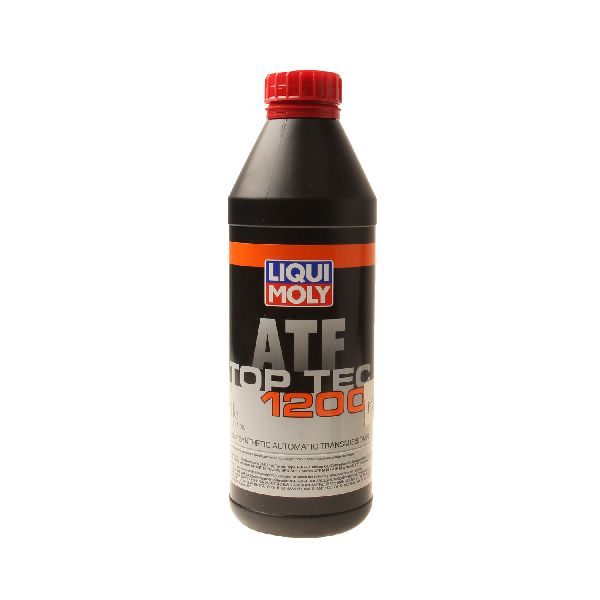
Est. part cost: $500-$1000 - Low or Dirty Transmission Fluid 🟡 Medium Probability → Shop Transmission Assembly These transmissions are sensitive to fluid level and condition. The 8L90 is known for torque converter clutch shudder that sheds friction material into the fluid, creating a sludge that clogs solenoid screens and valve body passages. GM has updated fluid recommendations (e.g., to Mobil 1 Blue Label ATF) to combat this.
How to confirm: Check the transmission fluid level and condition. This must be done at a specific temperature with the vehicle level, as there is no traditional dipstick. The fluid should be red and clear (or blue for the updated fluid), not dark, brown, or smelling burnt.
Typical fix: Perform a complete transmission fluid flush and filter change using the correct, updated DEXRON fluid (e.g., DEXRON ULV). If the fluid is heavily contaminated, the root cause (like the torque converter) must also be addressed.
Est. part cost: $150-$300 - Faulty Transmission Control Module (TCM/TEHCM) ⚪ Low Probability → Shop Transmission Assembly In the 8L90 and 10L80 transmissions, the TCM is integrated with the valve body and solenoids into a single unit called a TEHCM (Transmission Electro-Hydraulic Control Module). These units are located inside the hot transmission pan and can be a point of failure due to heat and vibration.
How to confirm: This is typically diagnosed by a professional after all other possibilities have been ruled out. It's confirmed when a new, programmed TEHCM resolves the issue.
Typical fix: Replacement of the entire TEHCM assembly, which then requires special online programming to the vehicle's VIN.
Est. part cost: $500-$1000
Rare But Worth Checking
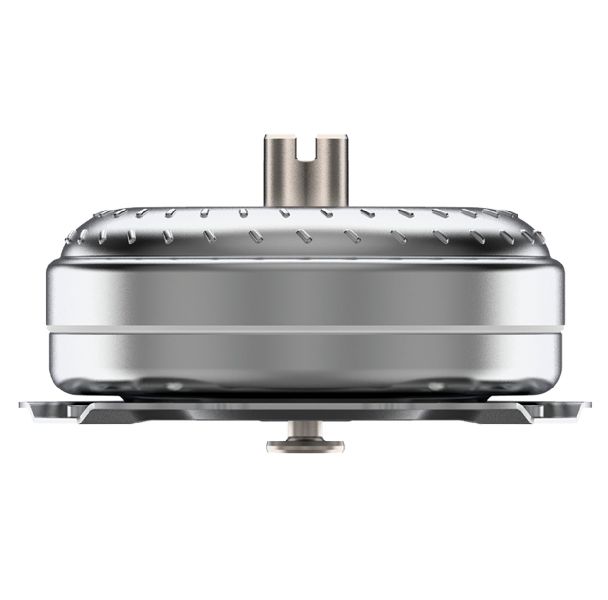
- Failing Torque Converter: → Shop Automatic Transmission Torque Converter This is a very notable cause, especially on the 8L90. A failing or shuddering torque converter clutch sheds a large amount of abrasive debris into the transmission fluid. This debris is the primary culprit for clogging the valve body and causing solenoids to stick, triggering the P0751 code. Ignoring this root cause will lead to repeated TEHCM failures.
- Internal Wiring Harness Damage: → Shop Transmission Wiring Harness The wiring harness inside the transmission can become brittle from constant exposure to heat and fluid, leading to poor connections or breaks in the circuit to the solenoid. A visual inspection is necessary after dropping the pan.
Diagnosis Steps
- Check the transmission fluid level and condition. This is the first and most crucial step. The fluid must be at the correct level and clean. Note if it is dark, burnt, or full of metallic/clutch material.
- Scan the TCM for any other stored trouble codes. Note any other solenoid, pressure, or torque converter codes like P0741.
- Using a professional scan tool, monitor the commanded state of Shift Solenoid 'A' versus its actual state while driving.
- With the engine off, use the scan tool to command the solenoid on and off, listening for an audible click from the transmission pan.
- If the solenoid seems unresponsive, drain the transmission fluid and remove the pan. Inspect the pan magnet for excessive metal debris. A 'paste' is somewhat normal, but large shavings or chunks indicate a hard part failure, likely the torque converter.
- Visually inspect the wiring harness inside the pan for any signs of damage or corrosion.
- If debris is found, the recommended repair is to replace the TEHCM assembly, replace the torque converter, and flush the transmission cooler lines thoroughly.
- If no issues are found with the fluid or wiring, the problem most likely lies within the TEHCM assembly, which requires replacement and programming.
Parts You'll Likely Need
- Transmission Control Module (TEHCM) / Valve Body Assembly
(OEM #24297318 (Example for 8L90, verify by VIN))— As cited in GM TSBs, a sticking valve within the body is a primary cause. Since the solenoids, TCM, and valve body are an integrated unit, the entire assembly is replaced and programmed. This is the most common and reliable fix.
Related Codes That Often Appear With This One
- P0700 — This is a general transmission fault code. It's an informational code set by the TCM to tell the main engine computer to turn on the Check Engine Light, and it almost always appears with specific transmission codes like P0751.
- P0756 — This code is for Shift Solenoid 'B' Performance. Seeing multiple solenoid codes together can point towards a more systemic issue like contaminated fluid, a failing TEHCM, or a wiring harness problem affecting several components.
- P0894 — This code means 'Transmission Component Slipping'. It often appears with solenoid codes because a stuck solenoid prevents proper clutch engagement, which leads to slipping.
- P0741 — This code indicates 'Torque Converter Clutch Circuit Performance or Stuck Off'. It is very commonly seen with P0751 on 8L90 transmissions, as torque converter failure is often the root cause of the debris that damages the valve body.
Technical Service Bulletins (TSBs) & Recalls
- PI1344C: Diagnostic Tips for Reduced Acceleration at Low Speed and/or Transmission Slipping from a Launch, DTC P0751 Set. Identifies sticking Clutch Select Solenoid Valve 2.
- PIE0376A: Engineering bulletin requesting information on low-mileage vehicles (under 5,000 miles) setting code P0751.
- PIP4379M: Lists P0751 among a wide array of codes related to various shifting and engagement issues.
- 18-NA-355: Addresses torque converter shudder on 8-speed transmissions and recommends a fluid flush with an updated fluid as a first step. While not directly for P0751, this shudder is a root cause of the debris that leads to P0751.
Platform-Specific Known Issues
- Torque Converter Debris is the Real Culprit: → Shop Automatic Transmission Torque Converter On the 8L90 transmission used in many 2018-2019 models, a prevalent issue is torque converter shudder. This condition sheds metallic and friction material into the transmission fluid. This contaminated fluid acts like liquid sandpaper, clogging the fine channels of the valve body and causing the precise-fitting valves (like Clutch Select Solenoid Valve 2) to stick, which directly triggers code P0751. Simply replacing the valve body without also replacing the failing torque converter and flushing the cooler lines will almost certainly lead to a repeat failure.
- Valve Body Wear vs. Solenoid Failure: → Shop Transmission Valve Body While the code points to 'Solenoid A', the actual failure is often mechanical, not electrical. TSB PI1344C points out that the valve itself gets scratched or sticks in its bore within the valve body. Because the solenoids are integrated into the valve body assembly (TEHCM), the entire unit must be replaced. Misdiagnosing this as a simple electrical solenoid failure can lead to incorrect repair attempts.
Mechanic-Grade Diagnostic Values
- Shift Solenoid Resistance (8L90 Transmission) — expected: 4.5 - 5.5 Ohms. Failure: A reading of 0 Ohms (short), infinite/OL (open), or a value outside the specified range indicates a failed solenoid coil.
- Solenoid Connector Voltage (Key On, Engine Off) — expected: ~12.6V (Battery Voltage). Failure: Voltage below 12V suggests a problem with the wiring harness, a poor ground connection, or an issue with the power supply from the TCM.
Scan Tool Commands That Help
- GDS2 (GM Global Diagnostic System 2): Solenoid Valve State Control / Output Control — This bidirectional command allows a technician to manually cycle each shift solenoid on and off with the engine running to verify its mechanical operation. An audible click should be heard from the transmission pan. This helps isolate a failed solenoid from a wiring or TCM issue.
- GDS2 (GM Global Diagnostic System 2): Transmission Service Fast Learn — This procedure is mandatory after replacing the TEHCM/valve body, TCM, or the entire transmission. It allows the TCM to learn the individual clutch apply pressures. Skipping this step can result in poor shift quality even after the repair.
- GDS2 (GM Global Diagnostic System 2): Solenoid Characterization Reprogramming — When replacing the TEHCM/valve body or individual solenoids (if possible), the unique performance data (PUN/TUN) for the new parts must be programmed into the TCM via the TIS2Web service. Failure to do so will result in incorrect operation and potential shift quality issues.
Wiring & Ground Locations
- G218 — Inside the driver's side of the cab, behind the A-pillar trim and dash panel, near the speaker.. This is a known problematic ground location for 2014-2018 GM trucks. A poor connection here, often caused by sound-deadening material getting trapped under the ground nut, can cause a wide range of bizarre electrical issues, including flickering lights, disabled power steering, and potentially transmission communication faults. While not a direct cause of P0751, ensuring this ground is clean and tight is a critical step in ruling out systemic electrical problems.
- Engine Block to Chassis Ground — A braided strap running from the rear of the engine block (passenger side) to the firewall/chassis.. This is a primary ground for the powertrain. This strap is known to corrode, fray, and break completely. A faulty ground here can cause the PCM/TCM to seek ground through other, smaller circuits, leading to erratic behavior, incorrect sensor readings, and shifting problems.
- TEHCM Main Connector — The main 16-pin round connector on the transmission case that connects the vehicle harness to the internal TEHCM.. This is the single point of connection for all power, ground, and communication to the transmission's control system. The pins are numbered, and the connector must be oriented correctly to avoid damage. Any corrosion or bent pins at this connector will directly cause solenoid and communication codes.
Real Owner Repair Stories
- Reddit user, r/gmcsierra (2017 GMC Sierra 1500 SLT, 5.3L V8, 8L90 Transmission, 210k miles) — While driving in town, the truck didn't want to stop, then a loud clunk as if rear-ended when the gear disengaged. Another clunk upon acceleration. Check engine light came on with code P0747 (Pressure Control Solenoid 'E' Stuck On).
❌ Tried (didn't work) A transmission shop drove the vehicle without in-depth diagnosis and recommended a full transmission replacement, stating valve bodies were unavailable nationwide.
✅ What actually fixed it The transmission shop cleared the code, and it had not returned at the time of the post. The user was considering a fluid change but was hesitant due to the high mileage. This story highlights that the issue can be intermittent and sometimes a code reset can temporarily resolve the symptom, though the underlying cause may still exist.
OEM Part Supersession History
24287425, 24296206 (Examples)→24298475 (Example for 2021+ models, illustrates frequent updates)— GM frequently updates TEHCM/valve body assemblies to address reliability issues, including solenoid performance and valve body wear. Later part numbers often contain design improvements.
Heads up: Part numbers are extremely specific to the year, model, and RPO code of the transmission (e.g., M5U for 8L90). Using the wrong part number, even if it physically fits, will cause programming failure or incorrect operation. Always verify the correct part number by VIN.
Model Year Variations Within This Range
- 2018 (K2XX Platform): Primarily uses the 8L90 (RPO: M5U) transmission. The TCM is a separate module (T87) mounted away from the transmission. P0751 issues on this model are very frequently linked to torque converter shudder and subsequent fluid contamination.
- 2019 (T1XX Platform): Introduced the 10-speed 10L80 (RPO: MQB) as a common transmission alongside the 8L90. While the code's meaning is the same, the internal valve body, solenoid part numbers, and specific diagnostic procedures differ. Identifying the transmission by RPO code is critical.
Helpful Videos

We Have This Part in Stock



The information in this article is provided for general reference and educational purposes only. Vehicle specifications, procedures, and part compatibility can vary by production date, trim level, and region. Always consult your vehicle's factory service manual and verify part numbers before purchasing or performing repairs. Safety-critical components such as airbags, seat belts, and braking systems should be installed by a qualified professional.
- Gmc SIERRA DENALI:
- 🧭 Diagnostic Flowchart
- 🎬 Helpful Videos
- 🛍️ Shop This Part
- What's Unique About the 2018-2019 Gmc SIERRA DENALI
- Symptoms You May Notice
- Most Likely Causes
- Rare But Worth Checking
- Diagnosis Steps
- Parts You'll Likely Need
- Related Codes That Often Appear With This One
- Technical Service Bulletins (TSBs) & Recalls
- Platform-Specific Known Issues
- Mechanic-Grade Diagnostic Values
- Scan Tool Commands That Help
- Wiring & Ground Locations
- Real Owner Repair Stories
- OEM Part Supersession History
- Model Year Variations Within This Range
- 🎟️ Get 5% Off