

P0751 on 2013-2015 Jaguar XF: Shift Solenoid 'A' Performance Diagnosis and Fixes
P0751 on a 2013-2015 Jaguar XF indicates a problem with Shift Solenoid 'A', often caused by low or dirty transmission fluid. The first step is to check the fluid level and condition. If the fluid is fine, the solenoid itself or the wiring may be faulty.
- P0751 on your Jaguar XF is a serious code that can affect drivability and cause further damage if ignored.
- The most common cause is low or contaminated transmission fluid. Always start your diagnosis by checking the fluid and replacing the integrated pan/filter assembly.
- Driving with this code active is not recommended as it can lead to transmission overheating and catastrophic failure.
- If a fluid and filter change does not fix the problem, the next step is typically to test and replace the 'A' shift solenoid.
- Due to the complexity of the ZF 8HP70 transmission, professional diagnosis and repair are highly recommended.
What's Unique About the 2013-2015 Jaguar XF
The 2013-2015 Jaguar XF uses a sophisticated ZF 8HP70 8-speed automatic transmission, which is also found in a wide range of vehicles from BMW to Dodge. These units are known for their performance but are highly sensitive to fluid condition and level. Contaminated fluid from normal wear, especially from the torque converter lock-up clutch, can clog the solenoids and cause shifting issues. A notable issue for this platform, though not directly linked to P0751, is a TSB (JTB00415) for a software issue in the TCM that could cause the transmission to unexpectedly go into neutral, highlighting the importance of correct software and electronic control for this transmission.
Symptoms You May Notice
- Harsh or delayed shifting
- Transmission gets stuck in one gear or enters 'limp mode'
- Vehicle won't move, as if in Neutral
- Check Engine Light is on
- Reduced fuel economy
- Transmission slipping
- Transmission overheating
- Irregular or jerky gear changes 🎬 Watch: Common signs of Jaguar XF transmission problems
- Replacing the entire transmission when only a fluid service or a single solenoid was needed.
- Replacing the TCM when the actual problem is a simple wiring issue or poor connection.
- Replacing a single solenoid when contaminated fluid is the root cause, leading to a repeat failure of another solenoid.
Most Likely Causes
- Low or Dirty Transmission Fluid 🔴 High Probability → Shop Transmission Assembly The ZF 8HP70 transmission is sensitive to fluid quality and level. Contaminated fluid, often from torque converter clutch wear, can clog the small passages in the valve body and solenoids, causing them to stick.
How to confirm: Check the transmission fluid level and condition. The fluid should be at the correct level, have a greenish tint (for ZF Lifeguard 8), and not smell burnt or contain excessive debris. This check must be done at a specific temperature with the engine running.
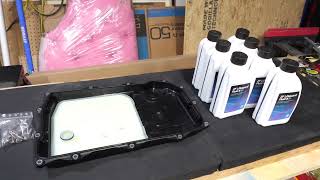
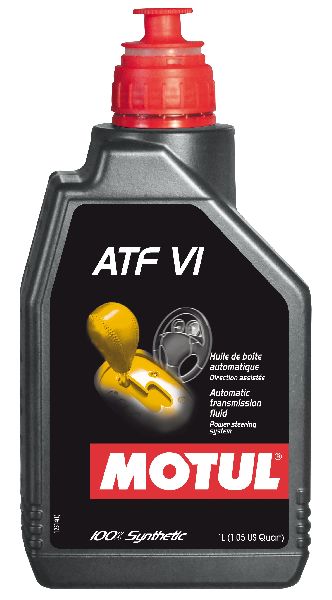
Typical fix: Perform a transmission fluid and filter change. The filter is integrated into the plastic oil pan, so the entire pan assembly is replaced. Use only the specified ZF Lifeguard 8 fluid or an approved equivalent.
Est. part cost: $200-$400 for fluid and pan/filter kit - Failed Shift Solenoid 'A' 🟡 Medium Probability → Shop Transmission Valve Body The solenoid can fail electrically (internal coil breaks) or mechanically (valve gets stuck from debris) over time.
How to confirm: A technician can test the solenoid's resistance with a multimeter (typically 10-30 ohms) and command it on/off with a diagnostic scan tool to check its operation.
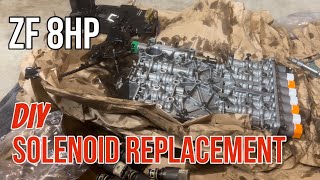
Typical fix: Replace the faulty shift solenoid. This is located inside the transmission oil pan, attached to the valve body. Solenoids are often replaced as a complete set. 🎬 See how to replace the ZF 8HP transmission solenoids
Est. part cost: $100-$250 for a single solenoid, or $400-$700 for a full kit - Clogged Transmission Filter 🟡 Medium Probability → Shop Transmission Assembly A clogged filter restricts fluid flow, starving the solenoids of the hydraulic pressure needed to operate correctly. The filter is integrated into the transmission pan.
How to confirm: This is discovered during a transmission fluid service. The old filter may show signs of excessive debris.
Typical fix: Replace the transmission oil pan, which includes the new filter. This is always done with a fluid change.
Est. part cost: $150-$250 for the pan/filter assembly - Wiring or Connector Issues ⚪ Low Probability Wiring to the transmission can be damaged by heat, vibration, or road debris over time. The main connector sleeve is a known area for leaks which can wick fluid into the wiring.
How to confirm: Visually inspect the wiring harness going to the transmission for any signs of damage, chafing, or corrosion at the connectors. Check for proper voltage and ground at the solenoid connector.
Typical fix: Repair the damaged section of wiring or replace the connector and sealing sleeve.
Est. part cost: $20-$100
Rare But Worth Checking
- Faulty Transmission Control Module (TCM): → Shop Transmission Assembly While rare, the TCM itself can fail, causing it to send incorrect signals or no signal to the solenoid. This is usually considered after all other possibilities have been ruled out.
- Internal Mechanical Transmission Failure: → Shop Transmission Assembly A more serious internal issue, such as a failing clutch pack or a blocked passage in the valve body, can also trigger this code. This is often accompanied by other symptoms like metallic debris in the transmission fluid.
Diagnosis Steps
- Use an OBD-II scanner to confirm P0751 is present and check for any other related codes.
- Check the transmission fluid level and condition. This must be done at the manufacturer-specified temperature. If the fluid is low, top it off. If it's dirty, dark, or smells burnt, a fluid and filter change is necessary.
- Visually inspect the transmission wiring harness and connectors for any signs of damage, corrosion, or loose connections. Pay close attention to the main harness connector for fluid leaks.
- Using a professional scan tool, monitor the TCM data and command the shift solenoids to operate. Check if Solenoid 'A' responds as commanded.
- If accessible, test the electrical integrity of the solenoid. Disconnect the harness and measure the resistance of the solenoid coil with a multimeter. Compare the reading to the manufacturer's specifications (typically 10-30 ohms).
- If the solenoid and wiring test good, the issue may be a blockage within the valve body or a more significant internal transmission problem, possibly requiring removal of the valve body for inspection and cleaning.
Parts You'll Likely Need
- Transmission Fluid and Filter Kit
(OEM #ZF Lifeguard 8 (Fluid), Mopar 68225344AA (Pan/Filter, example from platform mate))— Low or contaminated fluid is the most common cause of P0751. A fluid and filter service is the first and most crucial step in diagnosis and repair. The filter is integrated into the pan.
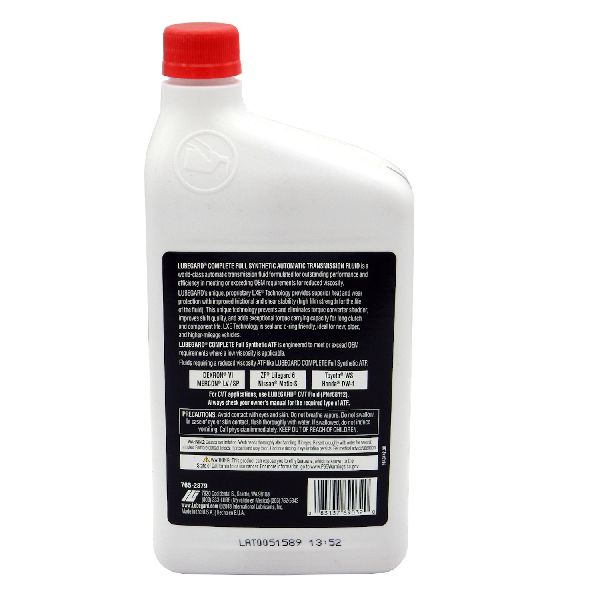
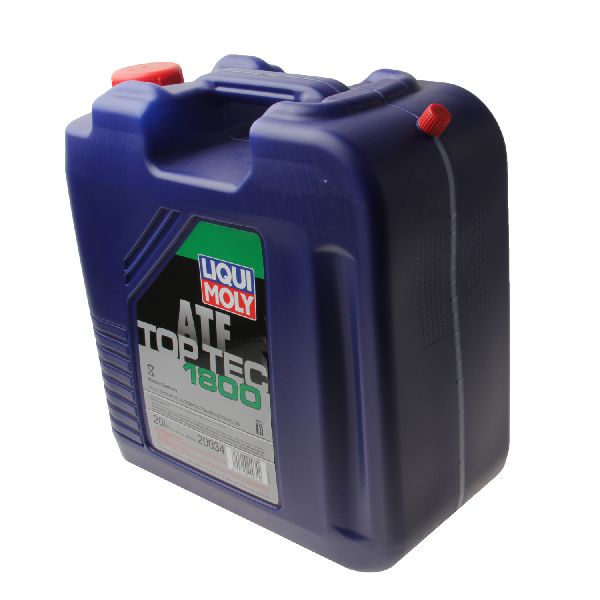
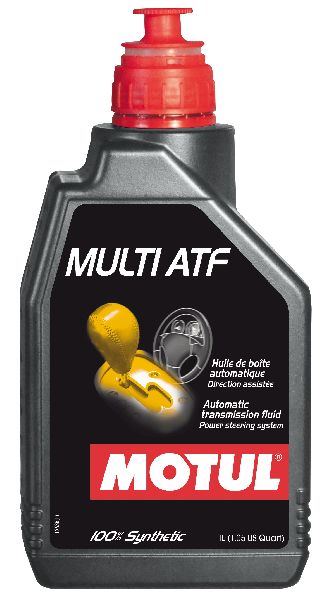
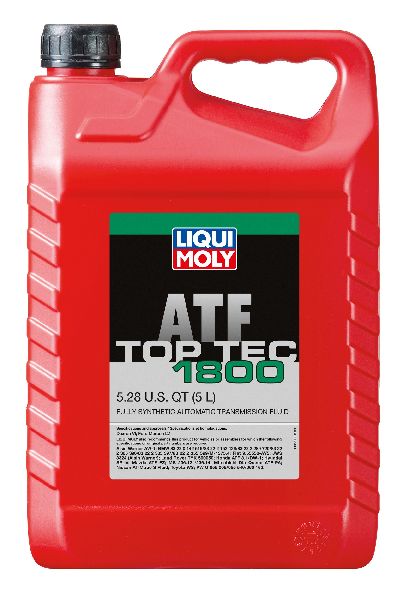
Trusted brands: ZF Lifeguard 8 (OEM), Ravenol 8HP, Mopar (for pan/filter)
OEM price range: $250-$400
Aftermarket price range: $200-$300 - Automatic Transmission Shift Solenoid
(OEM #T4A19474 (Example, verify by VIN))— If the fluid service doesn't resolve the issue, the solenoid itself is the next most likely component to have failed, either electrically or mechanically.
Trusted brands: ZF (OEM), Bosch, Rostra Precision Controls
OEM price range: $150-$250
Aftermarket price range: $100-$180
Related Codes That Often Appear With This One
- P0700 — This is a generic transmission fault code that simply indicates the TCM has stored a specific fault, like P0751. It acts as a general alert to the main engine computer.
- P0753 — This code points to a purely electrical fault (open or short) in the Shift Solenoid 'A' circuit, whereas P0751 is a performance-related code that can be electrical or mechanical.
- P0756 — This indicates a similar performance issue but with Shift Solenoid 'B'. Seeing both codes together strongly suggests a widespread problem like contaminated fluid or low system pressure affecting multiple solenoids.
Technical Service Bulletins (TSBs) & Recalls
- JTB00415: Transmission Control Module Software Update to address an issue where the transmission may appear to be in Neutral after the vehicle comes to a stop.
Platform-Specific Known Issues
- A Technical Service Bulletin (JTB00415) was issued for 2013-2015 Jaguar XF models (among others) for a transmission software issue that could cause the vehicle to slip into neutral when stopped. While the symptoms are different from a typical P0751 fault, it indicates that the TCM software is a critical component for proper transmission function and should be updated if available.
Mechanic-Grade Diagnostic Values
- Shift Solenoid Coil Resistance (Variable Force Solenoids) — expected: Approximately 5.0 - 5.5 ohms at 20°C (68°F).. Failure: A reading significantly outside this range, or an open circuit (infinite resistance), indicates a failed solenoid coil.
- Shift Solenoid Coil Resistance (On/Off Solenoids) — expected: Approximately 10 to 11 Ohms at 20°C (68°F).. Failure: A reading significantly higher or lower, or an open circuit, points to a faulty solenoid.
- Engine Ground Strap Voltage Drop (Cranking) — expected: Well under 0.5V (500mV).. Failure: A reading higher than 0.5V while cranking the engine indicates high resistance in the main engine-to-chassis ground, which can cause numerous electrical issues, including erratic TCM behavior.
Scan Tool Commands That Help
- Jaguar SDD (Symptom Driven Diagnostics): Clear Transmission Adaptations — This function must be used after replacing the transmission fluid, solenoids, or the entire valve body/mechatronic unit. It clears the learned values the TCM uses to compensate for fluid degradation and component wear. Failing to reset adaptations can cause harsh or incorrect shifting even with new parts.
- Jaguar SDD (Symptom Driven Diagnostics): Transmission Control Module (TCM) Reprogramming/Reflash — Used to update the TCM with the latest software from Jaguar. This can resolve known shifting issues or bugs that may contribute to setting fault codes. This is a high-risk procedure that requires a stable power supply to the vehicle to avoid 'bricking' the module.
- Professional Bi-Directional Scan Tool: Solenoid Activation Test — Allows a technician to command Shift Solenoid 'A' on and off while monitoring transmission data. This helps determine if the solenoid is responding to electrical commands, which can help differentiate between an electrical failure and a mechanical (stuck) failure.
Wiring & Ground Locations
- Main Engine Ground Strap — Located on the right side of the vehicle, under the starter, connecting the transmission/engine block to the frame.. A poor engine/transmission ground can cause erratic voltage signals and improper operation of the electronically controlled solenoids within the transmission. High resistance here can lead to a variety of difficult-to-diagnose electronic faults.
- G4 - Center Front Bulkhead Ground — Described as being near the transmission bell housing/engine block junction, visible from below the car. Another potential location is on an abutment jutting out from the bulkhead, inboard of the starter relay.. This is a critical grounding point for engine and transmission related components. Corrosion or looseness at this point can disrupt communication and power to the TCM and its sensors.
- G3d138 (Right Kick Panel) / G3d133 (Left Kick Panel) — Ground points located inside the cabin in the passenger (right) and driver (left) kick panel areas.. These grounds serve various interior modules. While not directly tied to the solenoid, issues here can affect the network communication that the TCM relies on.
Model Year Variations Within This Range
- 2013-2015: The 2013 model year marked the widespread replacement of the previous 6-speed ZF automatic with the 8-speed ZF 8HP70 transmission across most of the XF lineup. This change is significant, as diagnostic procedures, fluid types (Lifeguard 8), and internal components are completely different from the earlier 6-speed models.
- 2013-2015: While the core ZF 8HP70 transmission is mechanically similar, Jaguar may have implemented software updates ('Quickshift' logic) on higher-performance models like the XFR-S that were not present on the standard XF. A technician using Jaguar SDD should ensure the correct software is flashed for the vehicle's specific VIN to ensure proper shift behavior.
Diagnostic Flowchart
Other Known Issues on This Vehicle
Issues unrelated to this code that are worth knowing about as an owner of this generation:
- Timing Chain Tensioner and Guide Failure (3.0L V6 & 5.0L V8) 🔴 High — A well-documented and widespread problem. A rattling noise on cold start-up is a key warning sign. Failure can occur as early as 50,000 miles and can lead to catastrophic engine damage if ignored.
- Premature Water Pump Failure (Especially 5.0L V8) 🔴 High — Water pumps are a known common failure item, often leading to coolant leaks and potential overheating. Failures have been reported at relatively low mileage.
- Cracking Plastic Coolant Pipes and Housings 🔴 High — Multiple plastic components in the cooling system, including the front crossover pipe and rear heater manifold, become brittle and crack over time, causing major coolant leaks. This is a very common issue as the cars age.
- Front Idler Pulley Bolt Failure (2.0L GTDi) 🔴 High — A recall was issued for 2013-2015 XF models with the 2.0L engine because the idler pulley retaining bolt could fail, causing a loss of power steering and other belt-driven accessories, potentially leading to engine failure. (Ref: NHTSA ID: 16V143000)
- High-Pressure Fuel Pump Failures (3.0L V6 & 5.0L V8) 🟠 Medium — The high-pressure fuel pumps can fail, leading to misfires and 'Restricted Performance' mode. TSBs have been issued to update diagnostic procedures for these components. (Ref: TSB JTB00410NAS1, SSM72114)
Used vs. New Parts: Buying Guide for This Vehicle
When a used part is the smart pick: A complete used transmission assembly from a verified low-mileage donor vehicle can be a cost-effective alternative to a full rebuild, especially if the current transmission has suffered catastrophic internal mechanical failure. The ZF 8HP is known for its general reliability, so a unit from a rear-ended vehicle is often a good candidate.
Donor-vehicle mileage cap: roughly under 75000 miles for the part to have meaningful remaining life.
What to inspect on the donor part:
- Verify the donor vehicle's mileage and VIN to confirm compatibility.
- Inspect the transmission fluid from the donor unit if possible. It should not be black, smell burnt, or contain excessive metal particles.
- Check the main electrical connector for any signs of damage or fluid leakage.
- Ensure the torque converter is included and properly secured for transport to prevent damage.
OEM-only on this vehicle (don't cheap out):
- Transmission Fluid (ZF Lifeguard 8 or a certified equivalent is mandatory)
- Mechatronic Sealing Sleeve (Connector Sleeve)
- Integrated Filter/Pan Assembly
Aftermarket brands forum-validated for this vehicle:
- ZF (OEM for solenoids, pan, and fluid)
- Sonnax (For valve body repair kits and upgraded components)
Brands owners have reported issues with on this vehicle:
- Unbranded, no-name solenoid kits from online marketplaces. The quality control on these parts is highly variable and can lead to repeat failures.
Real Owner Stories
Aggregated from forums and TSBs cited above. Mileages and costs reflect what owners reported in those sources.
2010 Jaguar XF 5.0L — ~35000 miles
Symptoms: Water pump failure at low mileage.
What fixed it: Replacement of the water pump; a technician noted this as a common issue for the platform.
Source hint: JaguarForums.com: 'Water Pump Failure' - A 2013 thread
2013-2015 Jaguar XF
Symptoms: The transmission may appear to be in Neutral after the vehicle comes to a stop.
What fixed it: Transmission Control Module Software Update.
Source hint: JTB00415: Transmission Control Module Software Update
Jaguar XF 5.0L
Symptoms: Repeated failure of plastic cooling system components, specifically the water pump and crossover pipe.
What fixed it: Replacing the water pump and the crossover pipe simultaneously as a preventative measure due to high failure rates of the plastic pipes.
Source hint: JaguarForums.com: 'Water pumps and crossover failures on the 5.0 engines'
Related OBD-II Codes
Frequently Asked Questions
Does Technical Service Bulletin JTB00415 apply to my 2013-2015 Jaguar XF?
What specific transmission fluid should I use for my Jaguar XF to avoid P0751 issues?
Is there a recall for the 2.0L GTDi Jaguar XF that could affect engine or transmission performance?
Can I just replace the transmission filter on my 2014 XF?
Are there other common engine issues on the 5.0L Jaguar XF I should watch for while diagnosing transmission codes?
Could a software update fix my Jaguar's transmission slipping into neutral?
Helpful Videos
![[EN] Jaguar XF Automatic Transmission oil and filter service](https://img.youtube.com/vi/B_U7qjubdYQ/mqdefault.jpg)

We Have This Part in Stock

The information in this article is provided for general reference and educational purposes only. Vehicle specifications, procedures, and part compatibility can vary by production date, trim level, and region. Always consult your vehicle's factory service manual and verify part numbers before purchasing or performing repairs. Safety-critical components such as airbags, seat belts, and braking systems should be installed by a qualified professional.
- Jaguar XF:
- 🧭 Diagnostic Flowchart
- 🎬 Helpful Videos
- 🛍️ Shop This Part
- What's Unique About the 2013-2015 Jaguar XF
- Symptoms You May Notice
- Most Likely Causes
- Rare But Worth Checking
- Diagnosis Steps
- Parts You'll Likely Need
- Related Codes That Often Appear With This One
- Technical Service Bulletins (TSBs) & Recalls
- Platform-Specific Known Issues
- Mechanic-Grade Diagnostic Values
- Scan Tool Commands That Help
- Wiring & Ground Locations
- Model Year Variations Within This Range
- Other Known Issues on This Vehicle
- Used vs. New Parts: Buying Guide for This Vehicle
- Real Owner Stories
- 2010 Jaguar XF 5.0L — ~35000 miles
- 2013-2015 Jaguar XF
- Jaguar XF 5.0L
- Related OBD-II Codes
- Frequently Asked Questions
- 🎟️ Get 5% Off