

P0753 on 2011-2014 Kia Forte Koup: Shift Solenoid 'A' Electrical Fault Causes and Fixes
On a 2011-2014 Forte Koup, P0753 almost always means the Shift Solenoid 'A' inside the transmission has failed. This is a well-known issue confirmed by Kia TSB #TSBTRA051R1. The fix is to replace the individual solenoid, not the whole transmission, costing around $40-$120 for the part. In some cases, the internal wiring harness to the solenoids can fail, causing multiple solenoid codes.
- P0753 on your Forte Koup almost certainly means Shift Solenoid 'A' has failed.
- Do not let a shop replace the entire transmission; Kia's own service bulletin (TSBTRA051R1) advises replacing only the solenoid.
- Symptoms are serious and include getting stuck in gear ('limp mode'), making the car unsafe to drive for extended periods.
- The repair involves working inside the transmission and is best left to a professional or a very experienced DIYer.
- Always use the correct Kia/Hyundai SP-IV specification transmission fluid when refilling.
What's Unique About the 2011-2014 Kia FORTE KOUP
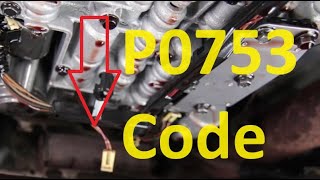
The 2011-2014 Kia Forte Koup uses a 6-speed automatic transmission from the A6GF1/A6MF1 family, which is widely used across many Hyundai and Kia models and is known for shift solenoid failures. The problem is so common that Kia issued Technical Service Bulletin #TSBTRA051R1, which specifically instructs technicians to replace the individual faulty solenoid for code P0753 🎬 Watch: Understanding the causes and fixes for the P0753 code, rather than the entire, more expensive transmission assembly. Another documented failure point is the internal wiring harness ribbon, which can develop an open circuit, causing multiple solenoid codes at once.
Diagnostic Flowchart
Tap your situation to follow the diagnostic path that matches what you're seeing on this vehicle.
Generation note: The 2011-2014 range covers the end of the first-generation Forte (TD, 2011-2013) and the first year of the second-generation (YD, 2014). Both generations used the 6-speed automatic transmission (A6MF1) susceptible to this issue, and the related TSB applies to both.
Symptoms You May Notice
- Check Engine Light is on
- Transmission stuck in one gear (limp mode, usually 3rd or 4th gear)
- Harsh or jerky shifting
- Failure to shift or delayed shifts
- Poor acceleration from a stop
- Transmission slipping
- Replacing the entire transmission. The official Kia TSB #TSBTRA051R1 explicitly advises against this, stating that only the faulty solenoid should be replaced.
- Replacing a solenoid when the internal wiring harness is the actual cause. If multiple solenoid codes are present (e.g., P0753, P0758, P0748), the harness is a more likely culprit than multiple solenoids failing simultaneously.
Most Likely Causes
- Failed Shift Solenoid 'A' 🔴 High Probability → Shop Transmission Valve Body This is a well-documented, common failure part on the A6MF1/A6GF1 family of transmissions used in this vehicle, as acknowledged by Kia's own TSB #TSBTRA051R1.
How to confirm: After accessing the solenoids, a technician can test the resistance of Solenoid 'A' with a multimeter. For the A6MF1, there are two types of solenoids: Variable Force Solenoids (VFS) and on/off solenoids. The VFS solenoids should read around 5.1-5.3 Ohms. The on/off solenoids, which include Shift Solenoid 'A' (SSA), should read around 10-11 Ohms. An open circuit (infinite resistance) or a reading far outside of the specification confirms failure. One owner reported a reading of 12.4 ohms on a faulty solenoid, which was technically within spec but failed under load, highlighting that resistance tests are not always conclusive. 🎬 See how a pro diagnoses and tests these specific solenoids
Typical fix: Replace the individual Shift Solenoid 'A' (Underdrive Brake Solenoid). This involves draining the transmission fluid, removing the oil pan, and accessing the valve body to swap the solenoid. 🎬 Watch: Step-by-step guide to removing and replacing the shift solenoid
Est. part cost: $40-$120 - Wiring or Connector Issue 🟡 Medium Probability The internal transmission wiring harness is a flexible ribbon-style harness that is exposed to heat and fluid. Over time, it can become brittle and develop open circuits or shorts, especially where it flexes. External connectors can also corrode.
How to confirm: Visually inspect the external transmission connector for corrosion or damage. Test for continuity and shorts in the wiring harness between the TCM and the transmission connector. If external wiring is good, remove the transmission pan and inspect the internal harness. A technician found an open in the ribbon harness on a 2011 Kia Sorento with the same transmission, which was causing multiple solenoid codes.
Typical fix: Repair the damaged section of the external wiring harness or clean/replace the corroded connector. If the internal harness is faulty, it must be replaced. This part is available from Hyundai/Kia.
Est. part cost: $20-$150 (depending on whether it's an external repair or internal harness replacement) - Low or Dirty Transmission Fluid ⚪ Low Probability → Shop Transmission Assembly While not a direct cause of an electrical fault code, extremely low or contaminated fluid can cause erratic shifting, solenoid overheating, and clogging of small passages, which may lead to premature electrical failure.
How to confirm: Check the transmission fluid level and condition. The fluid should be at the correct level and reddish-pink, not dark brown or black, and should not have a burnt smell. This transmission does not have a dipstick, so checking the level requires raising the vehicle and removing a fill/check plug.
Typical fix: Perform a transmission fluid and filter change. If the fluid level was low, the source of the leak must be identified and repaired.
Est. part cost: $80-$150
Rare But Worth Checking
- Faulty Transmission Control Module (TCM): → Shop Transmission Assembly This is very rare. The TCM should only be suspected after all other possibilities, including the solenoid and its entire wiring circuit, have been thoroughly tested and ruled out.
Diagnosis Steps
- Check the transmission fluid level and condition. This requires lifting the car and opening the check/fill plug. Top off or change if necessary.
- Scan the computer for any other transmission-related codes. Multiple codes may point to a wiring issue.
- Inspect the external transmission wiring harness and main connector for any visible damage, corrosion, or loose connections.
- Using an advanced scan tool, attempt to command Shift Solenoid 'A' on and off to see if it responds.
- If the solenoid does not activate, drain the transmission fluid and remove the oil pan to access the valve body.
- Visually inspect the internal wiring harness for any signs of damage, especially at flex points.
- Test the resistance of Shift Solenoid 'A' using a multimeter. Compare the reading to the manufacturer's specifications (approx. 5.3 ohms for VFS type, 10-11 ohms for on/off type). An out-of-spec reading confirms a bad solenoid.
- If the solenoid tests good, test the wiring for continuity from the TCM connector to the solenoid connector to rule out a break in the wire. Also test for power at the solenoid harness connector inside the pan.
Parts You'll Likely Need
- Shift Solenoid 'A' (Underdrive Brake Solenoid)
(OEM #46313-3B030)— This is the most common point of failure for code P0753 on this vehicle, as identified in Kia's service bulletin. This part number appears to be used for several of the on/off type solenoids in the valve body.
Trusted brands: Kia (OEM), Hyundai (OEM), Rostra, Dorman
OEM price range: $60-$120
Aftermarket price range: $40-$80 - Automatic Transmission Fluid (ATF)
(OEM #00232-19045)— The fluid must be drained to access the solenoids and should be replaced with new, manufacturer-specified fluid (Kia/Hyundai SP-IV).
Trusted brands: Kia/Hyundai SP-IV, Idemitsu Type H-Plus, Valvoline MaxLife Multi-Vehicle ATF, ENEOS Model H
OEM price range: $15-$25 per quart
Aftermarket price range: $10-$18 per quart - Transmission Oil Pan Gasket or Sealant
(OEM #45285-3B700)— The oil pan must be removed for the repair, and the gasket or sealant should be replaced to prevent leaks. Verify by VIN if a gasket or RTV sealant is used.
Trusted brands: Kia (OEM), Fel-Pro
OEM price range: $20-$40
Aftermarket price range: $15-$30 - Internal Transmission Wire Harness — Needed if diagnosis points to a break in the internal ribbon harness, which is a known failure point that can cause multiple solenoid codes.
Trusted brands: Kia (OEM), Hyundai (OEM)
OEM price range: $80-$150
Related Codes That Often Appear With This One
- P0758, P0763, P0768 — These are codes for other shift solenoids (B, C, D). When multiple solenoid electrical codes appear together, it strongly suggests a common problem like a bad internal wiring harness, a ground issue, or a power supply fault rather than multiple individual solenoid failures.
- P0741 — This code for the Torque Converter Clutch (TCC) solenoid circuit is also listed in TSB #TSBTRA051R1. It can be caused by the same issues, such as a faulty harness or a bad solenoid, and is often resolved by solenoid replacement.
- P0713 — This code for the transmission fluid temperature sensor can sometimes appear alongside solenoid codes, as seen in a 2014 Hyundai Elantra case. It can indicate a broader electrical issue within the transmission or be a separate problem.
Technical Service Bulletins (TSBs) & Recalls
- TSBTRA051R1: Advises replacing individual shift solenoids for a list of DTCs including P0753, and explicitly states not to replace the entire transaxle for this issue. This TSB covers a wide range of Hyundai/Kia models with the 6-speed automatic.
Platform-Specific Known Issues
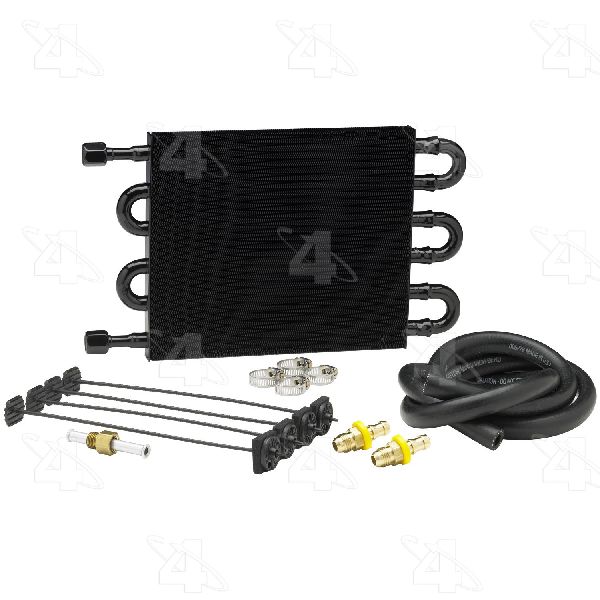
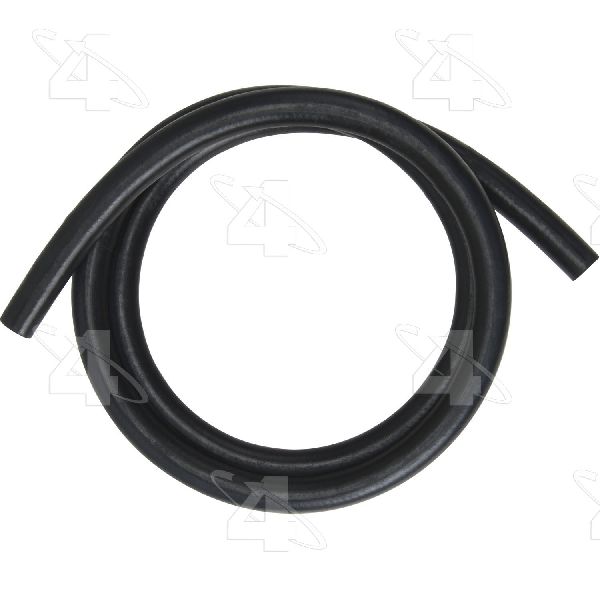
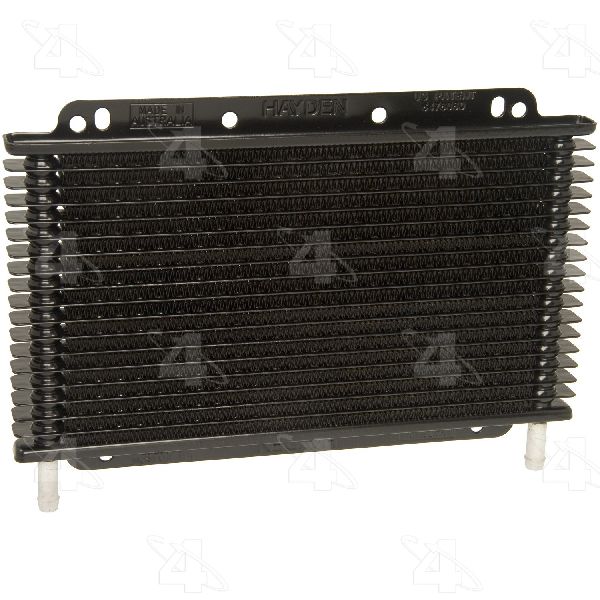
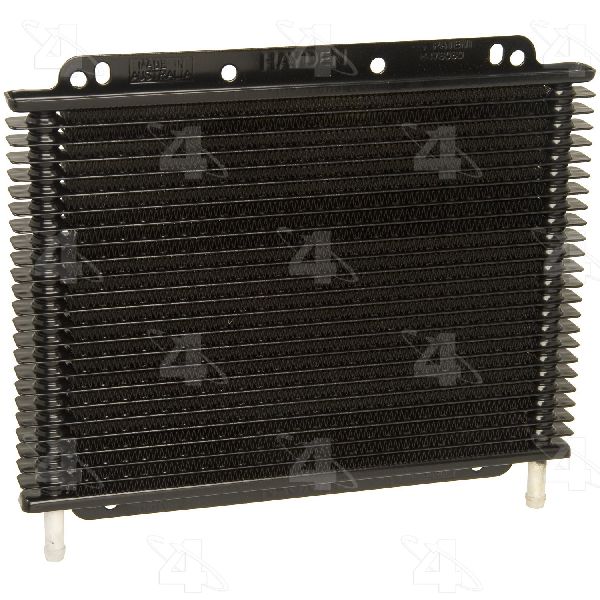
- A recall was issued for some 2011 Forte models (NHTSA ID 16V070000, Kia #SC129) for an improperly manufactured transmission fluid cooler hose that could leak. A significant fluid leak can cause numerous transmi
Mechanic-Grade Diagnostic Values
- Resistance of Variable Force Solenoids (VFS) — expected: 5.1 - 5.3 Ohms. Failure: A reading outside this range, or an open/short circuit.
- Resistance of On/Off Solenoids (including Shift Solenoid 'A') — expected: 10 - 11 Ohms. Failure: A reading outside this range, or an open/short circuit.
- Solenoid functionality check — expected: Audible 'click' when 9V or 12V is applied.. Failure: No click, or an inconsistent/weak click, indicates a mechanical failure even if resistance is within spec.
Scan Tool Commands That Help
- Kia GDS (Global Diagnostic System): Actuation Test / Bidirectional Control — To command Shift Solenoid 'A' on and off while the vehicle is stationary. This helps verify if the TCM, wiring, and solenoid are capable of functioning without having to remove the transmission pan. A successful test (hearing the solenoid click) points away from an electrical failure and towards a potential hydraulic or mechanical issue.
Wiring & Ground Locations
- Transmission Ground Cable — A ground cable is bolted directly from the chassis to the transaxle housing, typically on the upper part of the case.. A loose or corroded main ground for the transmission can cause unstable voltage and erratic behavior for all electronic components inside, including all solenoids, potentially triggering false electrical fault codes like P0753.
- TCM Location — The Transmission Control Module (TCM) is often integrated with the Engine Control Module (ECM/PCM) on this platform, typically located under the hood near the battery or firewall.. Knowing the TCM's location is critical for performing continuity and voltage tests on the wiring harness running from the control module to the main transmission connector.
Real Owner Repair Stories
- AliExpress Product Review/Guide (2014 Kia Forte with 6-speed automatic) — Delayed shifts, drop in fuel economy, codes P0750 and P0753.
❌ Tried (didn't work) Checking transmission fluid (level and condition were fine).
✅ What actually fixed it The owner tested the solenoid resistance and got 12.4 ohms, which was within the specified range. However, they replaced the solenoid anyway, which resolved the codes and shifting issues. This highlights that a solenoid can pass a basic resistance test but still fail mechanically or under load.
OEM Part Supersession History
46313-3B020→46313-3B030— Likely an internal revision for improved reliability or manufacturing process change.
Model Year Variations Within This Range
- 2011: The 2011 model year was significant as it marked the replacement of the previous 4-speed and 5-speed automatic transmissions with the 6-speed automatic (A6MF1 family) across most of the Forte lineup. This is the transmission that is prone to the P0753 solenoid failure.
- 2014: The 2014 model year marked the beginning of the second generation Forte. While it carried over the 6-speed automatic transmission, the EX trim received a more powerful 2.0L direct-injection engine (173 hp) compared to the new base 1.8L engine. The underlying cause of P0753 remains the same as both use the A6MF1 transmission.
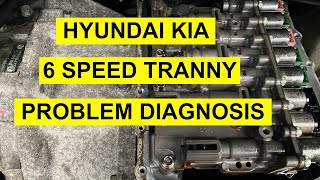
Helpful Videos


We Have This Part in Stock

The information in this article is provided for general reference and educational purposes only. Vehicle specifications, procedures, and part compatibility can vary by production date, trim level, and region. Always consult your vehicle's factory service manual and verify part numbers before purchasing or performing repairs. Safety-critical components such as airbags, seat belts, and braking systems should be installed by a qualified professional.
- Kia FORTE KOUP:
- 🧭 Diagnostic Flowchart
- 🎬 Helpful Videos
- 🛍️ Shop This Part
- What's Unique About the 2011-2014 Kia FORTE KOUP
- Symptoms You May Notice
- Most Likely Causes
- Rare But Worth Checking
- Diagnosis Steps
- Parts You'll Likely Need
- Related Codes That Often Appear With This One
- Technical Service Bulletins (TSBs) & Recalls
- Platform-Specific Known Issues
- Mechanic-Grade Diagnostic Values
- Scan Tool Commands That Help
- Wiring & Ground Locations
- Real Owner Repair Stories
- OEM Part Supersession History
- Model Year Variations Within This Range
- 🎟️ Get 5% Off