

P0761 on 2019-2023 Ford Ranger: Shift Solenoid 'C' Causes and Fixes
P0761 on a 2019-2023 Ranger almost always points to a known issue with the 10R80 transmission's main control valve body. The most common fix is replacing the entire valve body assembly, a procedure outlined in multiple Ford TSBs (like TSB 24-2046). This is a costly repair ($1,500-$2,500+) that requires specialized tools and should be performed by a professional.
- P0761 on a 2019-2023 Ranger indicates a problem with Shift Solenoid 'C', but it's rarely an isolated solenoid failure.
- The root cause is very likely a faulty main control valve body, a known issue with the 10R80 transmission documented in multiple Ford TSBs.
- Symptoms include harsh shifts, delayed gear engagement, and the check engine light.
- The correct repair is typically replacing the entire valve body assembly, not just a single solenoid.
- This is a complex and expensive repair that requires a professional technician; it is not recommended for DIY.
What's Unique About the 2019-2023 Ford RANGER
The 2019-2023 Ford Ranger uses the 10-speed 10R80 automatic transmission, which was co-developed with GM. 🎬 Watch: Common 10R80 transmission failures and design issues explained. This specific transmission is known for issues related to its main control valve body, which houses the shift solenoids. P0761 is frequently a symptom of this larger, well-documented problem, often appearing alongside a cluster of other transmission codes. Ford has released multiple Technical Service Bulletins (TSBs), with TSB 24-2046 being a key document, that point to sticking valves in the valve body and potential issues with a CDF clutch cylinder sleeve as the root cause for shifting complaints and these codes.
Diagnostic Flowchart
Tap your situation to follow the diagnostic path that matches what you're seeing on this vehicle.
Symptoms You May Notice
- Harsh or erratic gear shifts, sometimes described as a jolt or clunk.
- Delayed shifts or a hesitation before engaging a gear, particularly on the 3-4 or 4-5 shift.
- Transmission slipping or being unable to engage certain gears.
- Check Engine Light or Malfunction Indicator Lamp (MIL) is illuminated.
- Vehicle may enter 'limp mode,' limiting available gears and vehicle speed.
- A dragging or release sensation when slowing to a stop.
- Increased fuel consumption due to inefficient shifting.
- Replacing only the 'C' shift solenoid when the actual problem is widespread contamination or a fault within the valve body. The code often returns if the underlying issue isn't addressed.
- Performing a transmission fluid flush without addressing the root mechanical cause. A flush will not fix sticking valves or a failing solenoid.
- Replacing the valve body but failing to program the new 13-digit solenoid body strategy into the TCM, leading to continued or new shifting problems.
Most Likely Causes
- Faulty Main Control Valve Body 🔴 High Probability → Shop Transmission Valve Body The 10R80 transmission in this Ranger generation is subject to multiple TSBs (including TSB 24-2046) that identify sticking valves in the main control body as a primary cause of shifting issues and numerous DTCs, including P0761. Forum discussions among owners confirm this is the most common dealer-prescribed fix. Some technicians report solenoids failing a 'gravity test' or showing scoring upon inspection.
How to confirm: A technician will use a high-end scan tool to check for multiple solenoid or gear ratio codes. Given the known issues documented in TSBs, the presence of several related codes (P0751, P0756, etc.) strongly points to the valve body. The TSB repair procedure is the primary diagnostic path.
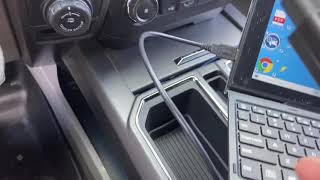
Typical fix: Replacement of the entire main control valve body assembly. In some cases, as per the TSB, an overhaul of the existing valve body may be performed. The procedure also requires programming the new 13-digit solenoid strategy 🎬 Watch: How to program the solenoid body strategy and ID. into the TCM and performing a transmission adaptive learning drive cycle.
Est. part cost: $800-$1500 - Low or Contaminated Transmission Fluid 🟡 Medium Probability → Shop Transmission Assembly The 10R80 transmission does not have a traditional engine-bay dipstick, making fluid level checks difficult for the average owner. The check must be performed from under the vehicle with the transmission at a very specific temperature (206-215°F or 96-101°C), which can lead to incorrect levels if not done properly.
How to confirm: Check the transmission fluid level and condition via the plug on the side of the transmission case. The fluid must be at the correct operating temperature for an accurate reading. The fluid should be clean and red (Motorcraft MERCON ULV). Dark, burnt-smelling, or debris-filled fluid indicates a problem.
Typical fix: Perform a transmission fluid and filter change using the correct Motorcraft MERCON ULV fluid (Part #XT-12-QULV). If the fluid is heavily contaminated, it may be a symptom of a larger mechanical failure, and a simple fluid change will not be a permanent fix.
Est. part cost: $100-$250 - Failed Shift Solenoid 'C' ⚪ Low Probability → Shop Transmission Valve Body While possible, an isolated solenoid failure is far less common on this platform than a full valve body issue. The solenoid itself is part of the valve body assembly, and TSBs point to a systemic problem with sticking valves rather than individual electrical failures.
How to confirm: A technician can use a scan tool to command the solenoid on and off. If it doesn't respond, they may test the solenoid's electrical resistance with a multimeter after dropping the transmission pan. The expected resistance is 5.0-5.4 ohms at 68°F (20°C). However, diagnosis usually proceeds to the TSB for the valve body if multiple codes are present.
Typical fix: Replace the individual shift solenoid. However, this is often not a lasting fix if the root cause is contamination or a fault in the valve body casting. Most shops will replace the entire valve body assembly.
Est. part cost: $50-$150 - Wiring or Connector Issues ⚪ Low Probability
How to confirm: Inspect the main transmission wiring harness and the 26-pin case connector for corrosion, damage, or loose pins.
Typical fix: Repair or replace the damaged section of the wiring harness or the connector.
Est. part cost: $20-$200
Rare But Worth Checking
- Faulty Powertrain Control Module (PCM) or Transmission Control Module (TCM): → Shop Transmission Assembly This is extremely rare. The module's driver circuit for the solenoid could fail, but all other potential causes, especially the well-documented valve body issue, should be exhaustively ruled out before considering PCM/TCM replacement.
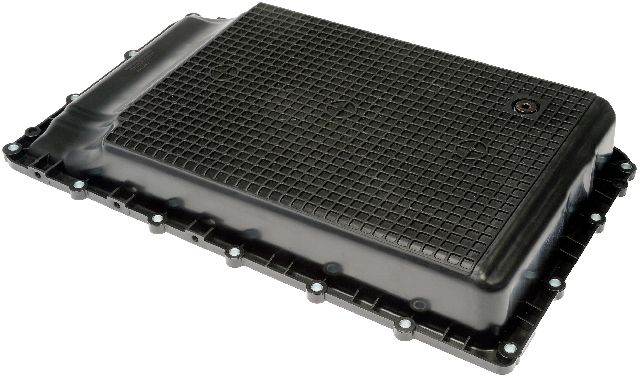
- Internal CDF Clutch Cylinder Sleeve Movement: → Shop Automatic Transmission Coast Clutch Hub TSB 24-2046 mentions that axial movement of the CDF clutch cylinder sleeve can also be a cause for these symptoms and codes. This is a more involved internal transmission repair that requires removing the transmission from the vehicle. Some community members suggest this issue is exacerbated by higher transmission temperatures and that an aftermarket deep pan for better cooling may help prevent recurrence.
Diagnosis Steps
- Verify the transmission fluid level and condition. This is a critical first step but requires a specific procedure for the 10R80: the vehicle must be level and the fluid temperature must be between 206-215°F (96-101°C) for an accurate reading from the plug on the case side.
- Use an OBD-II scanner to check for any other pending or stored transmission codes. The presence of multiple solenoid (P07xx) or gear ratio (P073x) codes is a key diagnostic clue pointing towards the TSB-documented issues.
- Consult Ford TSBs, specifically TSB 24-2046 or its latest successor. The diagnostic path will largely follow the steps outlined in the bulletin.
- Inspect the transmission's main electrical connector (a 26-pin connector) and wiring harness for any visible damage, corrosion, or loose connections.
- Using an advanced scan tool (like Ford's IDS or FORScan), a technician will monitor live data for solenoid commands and status and check the transmission solenoid ID strategy.
- If symptoms and codes align with TSB 24-2046, the procedure will direct the technician to either reprogram the TCM, overhaul/replace the main control valve body, or, in some cases, inspect/replace the CDF clutch cylinder.
- After repairs like valve body replacement, the TCM must be programmed with the new 13-digit solenoid strategy and the Transmission Adaptive Tables must be cleared and relearned via a specific drive cycle.
Parts You'll Likely Need
- Transmission Main Control Valve Body
(OEM #JL3Z-7A100-D)— This is the most common and manufacturer-recommended fix for the cluster of symptoms and codes associated with P0761 on the 10R80 transmission. This part number supersedes the older JL3Z-7A100-B.
Trusted brands: Motorcraft
OEM price range: $900-$1500
Aftermarket price range: $700-$1200 - Automatic Transmission Fluid
(OEM #XT-12-QULV)— The system must be refilled with approximately 8-9 quarts of fresh fluid after replacing the valve body. Only Motorcraft MERCON ULV is specified.
Trusted brands: Motorcraft MERCON ULV
OEM price range: $10-$15 per quart
Aftermarket price range: $8-$12 per quart - Transmission Oil Pan Gasket
(OEM #ML3Z-7A191-A)— The pan must be removed to access the valve body, and the gasket is typically a one-time use part that should be replaced to ensure a proper seal.
Trusted brands: Motorcraft
OEM price range: $30-$50
Aftermarket price range: $20-$40
Related Codes That Often Appear With This One
- P0751, P0756, P0766, etc. — These are codes for other shift solenoids ('A', 'B', 'D'). When multiple solenoid codes appear together, it's a strong indicator of a systemic problem like a faulty valve body or low fluid pressure, as documented in Ford's TSBs.
- P0729, P0731-P0736 — These codes indicate incorrect gear ratios. They are logged when the TCM detects a mismatch between the commanded gear and the actual gear ratio, which is a direct consequence of a shift solenoid failing to engage a gear properly.
- P163E — This code can appear after a valve body replacement if the 12-digit solenoid body identification number is entered instead of the required 13-digit solenoid body strategy number during the programming procedure.
Technical Service Bulletins (TSBs) & Recalls
- TSB 24-2046: Supersedes previous versions. Details the diagnosis and repair for harsh/delayed shifts and a long list of DTCs including P0761, pointing to sticking valves in the main control valve body or CDF clutch sleeve issues.
- TSB 22-2428: An earlier TSB, since superseded, that also addressed the same wide range of DTCs and shifting complaints across multiple Ford models with the 10R80 transmission.
Platform-Specific Known Issues
- The 10R80 transmission used in 2019-2023 Rangers is the subject of multiple Ford Technical Service Bulletins (TSBs) for harsh shifting, delayed engagement, and related trouble codes. Bulletins like TSB 24-2046 specifically mention sticking valves in the main control valve body and/or axial movement of the CDF clutch cylinder sleeve as the cause for a wide array of codes, including P0761. Owner forums like Ranger5G.com are filled with threads from owners who have had valve bodies replaced under warranty to fix these issues.
Mechanic-Grade Diagnostic Values
- Shift Solenoid Resistance — expected: 5.0 - 5.4 Ohms at 68°F (20°C). Failure: A reading outside of this range indicates a faulty solenoid coil.
Hidden / Shadow Codes Worth Checking
- P0979: Shift Solenoid 'C' Control Circuit Low. This indicates a short to ground in the solenoid's control circuit. (see via Advanced scan tools like Ford IDS, FORScan, or other professional-grade scanners.)
- P0980: Shift Solenoid 'C' Control Circuit High. This indicates an open circuit or a short to power in the solenoid's control circuit. (see via Advanced scan tools like Ford IDS, FORScan, or other professional-grade scanners.)
- P0796: Pressure Control Solenoid 'C' Performance or Stuck off. This is a more specific pressure-related performance code than the generic P0761. (see via Advanced scan tools like Ford IDS, FORScan, or other professional-grade scanners.)
Scan Tool Commands That Help
- Ford IDS, FORScan, or equivalent J2534 device: Clear Transmission Adaptive Tables — This must be performed after a valve body replacement or major transmission repair to erase the old learned shift parameters. It is the prerequisite step before performing the Adaptive Learning Drive Cycle.
- Ford IDS, FORScan, or equivalent J2534 device: Transmission Strategy Download / Solenoid Body Strategy Programming — This is mandatory when replacing the main control valve body. The 13-digit strategy number from the new valve body must be programmed into the TCM. This tells the controller the exact flow characteristics of the new solenoids.
- N/A - Manual Procedure: Adaptive Learning Drive Cycle — After clearing the adaptive tables, this specific, multi-step driving procedure must be performed to allow the TCM to learn the new components and ensure smooth shifting. It involves a sequence of light accelerations, gentle braking, and shifting through gears.
Wiring & Ground Locations
- Main Transmission Case Connector — On the exterior of the transmission case, typically on the driver's side.. This 26-pin connector is the single electrical interface for all solenoids and sensors within the transmission. Corrosion or damage here can interrupt the signal to Shift Solenoid 'C'.
- G104 — Typically found on the lower LH (driver's side) front of the engine compartment, on top of the frame rail. (Location based on prior Ranger generations but is a common powertrain ground point).. A poor powertrain ground can cause a host of electrical issues, including erratic sensor readings and incorrect solenoid operation. While the TCM directly grounds the solenoids, the TCM itself relies on a solid chassis ground.
OEM Part Supersession History
JL3Z-7A100-B→JL3Z-7A100-D— Revision to address issues with sticking valves and improve reliability.
Heads up: The new part is a direct replacement, but requires the 13-digit solenoid strategy to be programmed into the TCM upon installation.
Model Year Variations Within This Range
- Late 2023: The CDF drum, a component also implicated in 10R80 issues, received a second part update sometime in 2023. This means vehicles produced late in the 2023 model year may have a more robust CDF drum from the factory than earlier 2019-2023 models.
- 2019-2023: All Rangers in this range use the 10R80 transmission. However, the subsequent 2024+ Ranger (6th Generation) switches to the 10R60 transmission, a lighter-duty version. This is a critical distinction when sourcing parts or information near the generation changeover.
Helpful Videos


We Have This Part in Stock


The information in this article is provided for general reference and educational purposes only. Vehicle specifications, procedures, and part compatibility can vary by production date, trim level, and region. Always consult your vehicle's factory service manual and verify part numbers before purchasing or performing repairs. Safety-critical components such as airbags, seat belts, and braking systems should be installed by a qualified professional.
- Ford RANGER:
- 🧭 Diagnostic Flowchart
- 🎬 Helpful Videos
- 🛍️ Shop This Part
- What's Unique About the 2019-2023 Ford RANGER
- Symptoms You May Notice
- Most Likely Causes
- Rare But Worth Checking
- Diagnosis Steps
- Parts You'll Likely Need
- Related Codes That Often Appear With This One
- Technical Service Bulletins (TSBs) & Recalls
- Platform-Specific Known Issues
- Mechanic-Grade Diagnostic Values
- Hidden / Shadow Codes Worth Checking
- Scan Tool Commands That Help
- Wiring & Ground Locations
- OEM Part Supersession History
- Model Year Variations Within This Range
- 🎟️ Get 5% Off