

P0761 on 2020-2023 Ford Transit: Shift Solenoid 'C' Performance/Stuck Off Guide
On a 2020-2023 Ford Transit, code P0761 almost always points to a known issue with the 10R80 transmission's main control valve body. Ford has issued multiple Technical Service Bulletins (TSBs) for this problem. A deeper underlying issue is often a failure of the CDF clutch drum, which can shed debris and cause the valve body to fail. The fix typically involves replacing the entire valve body assembly, and in some cases the CDF drum, which is a complex and costly repair best left to professionals
- P0761 on a 2020-2023 Transit is a serious transmission code indicating a problem with Shift Solenoid 'C'.
- Due to multiple Ford TSBs, the most likely cause is a failure of the entire main control (valve body) assembly, not just a single solenoid.
- Symptoms include harsh/delayed shifting and the Check Engine Light.
- This is not a simple DIY fix. Professional diagnosis and repair are strongly recommended.
- The first diagnostic step should always be to check the transmission fluid level and condition.
What's Unique About the 2020-2023 Ford TRANSIT
The 2020-2023 Ford Transit often uses the 10-speed (10R80) automatic transmission. This specific transmission has a well-documented history of issues related to its main control (valve body) assembly and the CDF clutch drum. Ford has released several Technical Service Bulletins (TSBs) that group P0761 with numerous other transmission codes. One root cause identified in TSB 24-2254 is the axial movement of the CDF clutch cylinder sleeve, which causes hydraulic leaks and subsequent shifting problems. This makes it less likely that the issue is an isolated solenoid and more likely that the entire control unit and/or related internal hard parts are at fault.
Diagnostic Flowchart
Tap your situation to follow the diagnostic path that matches what you're seeing on this vehicle.
Symptoms You May Notice
- Harsh or delayed shifts. [TSB 26-2046, TSB 24-2254]
- Delayed engagement when shifting into Drive or Reverse. [TSB 26-2046, TSB 24-2254, 17]
- Illuminated Malfunction Indicator Lamp (MIL) or Check Engine Light. [TSB 26-2046, TSB 24-2254]
- Transmission getting stuck in a single gear (limp mode).
- Vehicle may not accelerate properly.
- Transmission may slip between gears or show a flare in RPMs on the 3-4 shift.
- A feeling of shuddering at cruising speeds, which could indicate torque converter issues related to the hydraulic pressure loss.
- Vehicle may refuse to move when in gear.
- Replacing only the 'C' shift solenoid when the underlying problem is a crack, blockage, or stuck valve in the valve body itself. The problem will likely return.
- Replacing the valve body when the root cause is actually a failing CDF clutch drum that is sending debris into the new valve body, causing a repeat failure.
Most Likely Causes
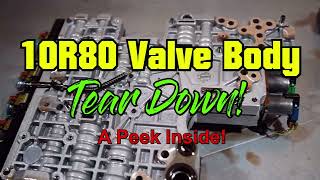
- Faulty Transmission Main Control (Valve Body) Assembly 🔴 High Probability → Shop Transmission Valve Body As documented in multiple Ford TSBs (26-2046, 24-2254, 22-2428), the valve body on the 10R80 transmission is a common failure point. Sticking valves or internal cross-leaks starve clutches of necessary line pressure, causing a wide range of shift solenoid and gear ratio codes, including P0761.
How to confirm: A professional technician will follow the diagnostic procedures outlined in the relevant TSB. This usually involves specific scan tool tests and hydraulic pressure/vacuum tests that point to an internal valve body failure.
Typical fix: Replacement of the entire main control (valve body) assembly and reprogramming the TCM.
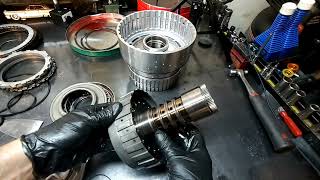
Est. part cost: $800-$1500 - Failed CDF Clutch Drum/Sleeve 🟡 Medium Probability → Shop Transmission Clutch Pressure Plate A known design issue in the 10R80 involves a sleeve inside the CDF (Clutch 'D'/'F') drum walking out of position. This causes a significant hydraulic leak, leading to pressure loss that can trigger solenoid performance codes like P0761 and damage the valve body with debris. Ford has released updated parts to address this.
How to confirm: This is a deep internal failure. Confirmation requires transmission disassembly to inspect the drum. Often, this is diagnosed after a valve body replacement fails to fix the issue. A Reddit thread on r/f150 describes a user going through a valve body replacement before discovering the CDF drum was the root cause.
Typical fix: Requires transmission removal and teardown to replace the CDF clutch drum assembly with the updated part. This is a major repair.
Est. part cost: $400-$600 for the drum assembly, plus significant labor. - Low or Contaminated Transmission Fluid 🟡 Medium Probability → Shop Transmission Assembly Low fluid prevents proper hydraulic pressure, while contaminated fluid (often with clutch material or metal shavings from other failing parts like the CDF drum) can clog the small passages in the solenoids and valve body.
How to confirm: Check the transmission fluid level and condition according to the manufacturer's procedure. On the 10R80, there is no dipstick, and this must be checked from a fill plug on the transmission case when the vehicle is at a specific temperature.
Typical fix: Perform a transmission fluid drain and fill, or a full fluid exchange if the fluid is very dirty. Replace the transmission filter. If metal debris is found, a more serious internal failure is likely.
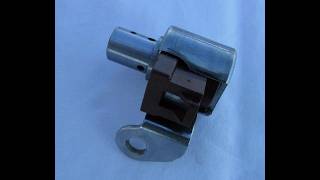
Est. part cost: $150-$400 - Faulty Shift Solenoid 'C' ⚪ Low Probability → Shop Transmission Valve Body While the solenoid itself can fail, it's far more common for the entire valve body to be the root cause on this platform due to widespread issues with sticking valves and internal leaks. The solenoid is integrated into the valve body assembly.
How to confirm: A technician can command the solenoid on and off with a high-end scan tool. They can also test the solenoid's internal resistance with a multimeter after removing the transmission pan and valve body.
Typical fix: Replace the individual solenoid if possible, but most shops will replace the entire valve body assembly due to the high failure rate of the unit and the labor involved.
Est. part cost: $50-$150 for a single solenoid - Wiring or Connector Issue ⚪ Low Probability
How to confirm: Visually inspect the wiring harness leading to the transmission for any signs of damage, corrosion, or loose connections. A continuity check can be performed from the TCM connector to the transmission connector.
Typical fix: Repair the damaged section of the wiring harness or clean/replace the corroded connector.
Est. part cost: $20-$200
Rare But Worth Checking
- Faulty Powertrain Control Module (PCM) or Transmission Control Module (TCM): → Shop Transmission Assembly This is rare. A faulty module will typically set multiple other communication or circuit codes, not just a single solenoid performance code.
Diagnosis Steps
- Check and verify the transmission fluid level and condition. This is the first and most crucial step. Look for excessive darkness, a burnt smell, or metallic particles.
- Use a professional scan tool to check for any other pending or active transmission-related codes. Note all codes present.
- Review the Ford Technical Service Bulletins (TSBs) related to transmission issues for this vehicle (e.g., TSB 24-2254, TSB 22-2428). These bulletins provide specific diagnostic paths.
- Inspect the transmission wiring harness and connectors for any visible damage, corrosion, or loose pins.
- If possible with the scan tool, command Shift Solenoid 'C' on and off to check for a response and monitor related pressure PIDs.
- If the above steps do not identify the issue, the next step is to drop the transmission pan to visually inspect the valve body, solenoids, and check for excessive metal debris in the pan. Glittery fluid points to internal hard part failure.
- Follow the specific diagnostic flowchart in the Ford service manual or the relevant TSB, which will likely lead to vacuum/pressure testing the valve body circuits and potentially replacing the main control assembly or investigating the CDF drum.
Parts You'll Likely Need
- Transmission Main Control (Valve Body) Assembly
(OEM #JL3Z-7A100-C (Note: Part numbers are frequently superseded, always verify with VIN))— This is the most common failure point on the 10R80 transmission for this code, as documented by multiple Ford TSBs.
Trusted brands: Motorcraft
OEM price range: $800-$1500
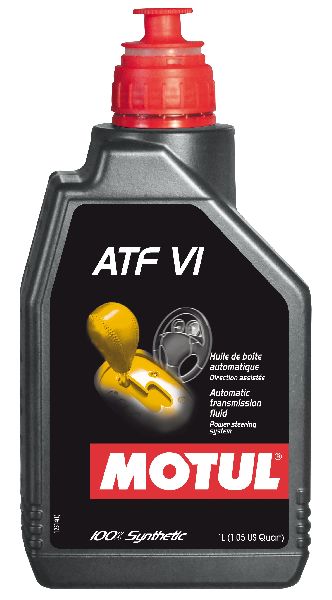
Aftermarket price range: $600-$1200 - Automatic Transmission Fluid
(OEM #XT-12-QULV (Mercon ULV))— The fluid must be replaced whenever the valve body is serviced. The 10R80 requires this specific ultra-low viscosity fluid.
Trusted brands: Motorcraft
OEM price range: $20-$30 per quart
Aftermarket price range: $15-$25 per quart - Transmission Filter/Pan Gasket Kit — Required for servicing the valve body.
Trusted brands: Motorcraft
OEM price range: $50-$100
Aftermarket price range: $30-$70
Related Codes That Often Appear With This One
- P0751, P0756, P0766, P2700-P2708 — These are all codes for other shift solenoids and clutch components within the same transmission. Ford TSBs 26-2046, 24-2254, and 22-2428 list them together, indicating a common root cause in the main control valve body or a related hydraulic leak.
- P0729, P0731-P0736 — These are codes for incorrect gear ratios. They often accompany solenoid codes because if a solenoid fails to actuate or hydraulic pressure is lost, the transmission cannot achieve the correct gear, leading to a ratio error. These are also listed in the same Ford TSBs.
Technical Service Bulletins (TSBs) & Recalls
- TSB 26-2046: Addresses harsh/delayed engagements and shifts with a long list of DTCs including P0761, pointing to a valve body replacement.
- TSB 24-2254: Similar to the above, for 2022 models, but specifically calls out 'axial movement of the CDF clutch cylinder sleeve causing hydraulic circuit leaks' as a potential cause, recommending hydraulic circuit testing and potential replacement of the CDF clutch cylinder.
- TSB 22-2428: Also covers harsh shifting and DTCs like P0761 for 2023 models, listing multiple potential causes including software, sticking valves in the main control, and the CDF clutch cylinder sleeve issue.
- TSB 24-2176: Another bulletin for harsh/delayed shifts that includes P0761.
Platform-Specific Known Issues
- The 10R80 10-speed automatic transmission in 2020-2023 Ford Transits is subject to multiple Technical Service Bulletins (TSBs) for harsh shifting, delayed engagement, and numerous diagnostic trouble codes, including P0761. The primary culprits are failures within the main control valve body and a design flaw in the CDF clutch drum.
Mechanic-Grade Diagnostic Values
- Shift Solenoid A-F Resistance — expected: 5.0 - 5.4 Ohms at 20°C (68°F). Failure: A reading outside of this range indicates a faulty solenoid coil.
Scan Tool Commands That Help
- Ford IDS / FORScan: Transmission Characterization Update — This is a mandatory procedure after replacing the main control (valve body) or the entire transmission. It programs the new solenoid strategy and ID into the Transmission Control Module (TCM). Failure to do this will result in poor shifting and may set other codes.
- Ford IDS / Professional Scan Tool: Transmission Accelerated Main Control Break-In Routine — This is a service function specified in Ford TSBs to be run after certain transmission repairs or software updates to cycle the clutches and help the adaptive learning process.
- Ford IDS / Professional Scan Tool: Adaptive Learning Drive Cycle — After clearing codes or performing repairs, this guided procedure must be performed to allow the TCM to relearn shift pressures and timing for smooth operation.
- Professional Scan Tool: Solenoid Test (Actuator Test) — During initial diagnosis, a technician can use this to command a specific solenoid on and off to check for an audible click from the transmission, helping to verify the electrical circuit's integrity to the solenoid.
Real Owner Repair Stories
- Reddit user Col_Clucks on r/f150 (Ford F-150 with 10R80 transmission (160k miles)) — CDF drum failure, requiring transmission replacement.
❌ Tried (didn't work) Initially, simply swapping the transmission was not enough.
✅ What actually fixed it After installing a rebuilt transmission, the user had to use FORScan software to run the 'Transmission Characterization Update' function. This involved inputting the 13-digit solenoid strategy number from the sticker on the new transmission into the TCM. The truck would not operate correctly until this reprogramming was completed.
"I Checked Everything" — The Actual Cause
- On the 10R80 transmission, it is common for Shift Solenoid 'C' to pass all electrical tests (resistance/continuity checks) yet still trigger a P0761 performance code. This is because the failure is typically not electrical. The root cause is often mechanical (a sticking valve within the main control body) or hydraulic (a loss of circuit pressure due to a leaking CDF clutch drum sleeve). Technicians who stop after confirming the solenoid has correct resistance will miss the actual, more complex problem.
OEM Part Supersession History
JL3Z-7A100-A→JL3Z-7A100-C— Internal design and calibration updates to address shifting issues and improve reliability.
Heads up: The new part requires specific TCM programming (Transmission Characterization Update) upon installation.HL3Z-7H351-A, JL3Z-7H351-A→JL3Z-7H351-B— The updated CDF clutch drum features a redesigned, built-up lip or 'dam' that physically prevents the internal bushing/sleeve from 'walking' out of position, which was the cause of the hydraulic leak and subsequent shifting problems.
Model Year Variations Within This Range
- 2020-2022: Vehicles in this range are highly susceptible to the CDF clutch drum failure, where an internal sleeve walks out of position causing a major hydraulic leak. This was a primary design flaw addressed in later models.
- 2023: The CDF clutch drum was reportedly updated for the 2023 model year with a revised part that prevents the sleeve from moving, resolving one of the most common and severe mechanical failure points of the 10R80 transmission. While valve body issues may still occur, the likelihood of this specific catastrophic drum failure is lower.
Helpful Videos

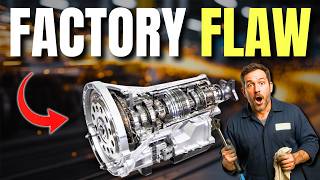
We Have This Part in Stock
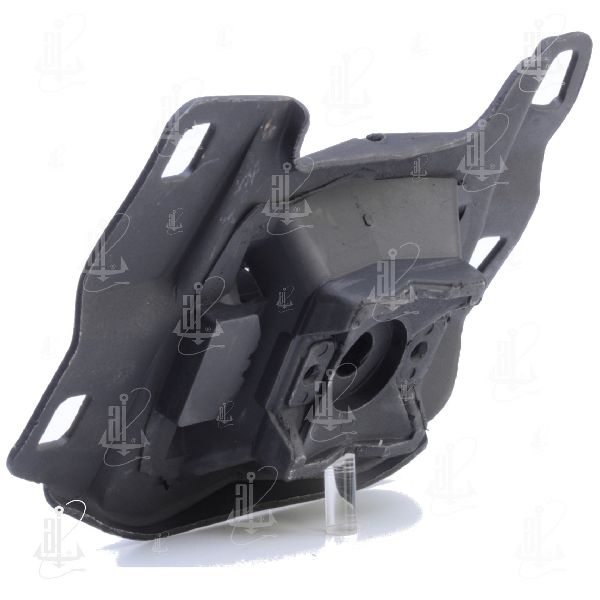

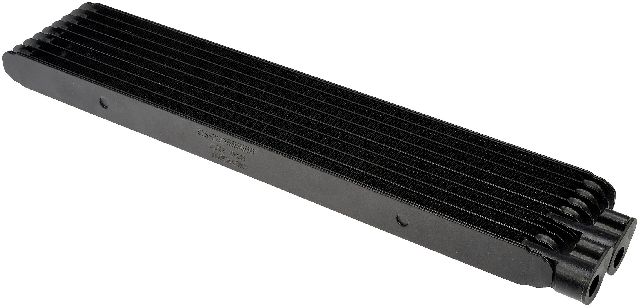

The information in this article is provided for general reference and educational purposes only. Vehicle specifications, procedures, and part compatibility can vary by production date, trim level, and region. Always consult your vehicle's factory service manual and verify part numbers before purchasing or performing repairs. Safety-critical components such as airbags, seat belts, and braking systems should be installed by a qualified professional.
- Ford TRANSIT:
- 🧭 Diagnostic Flowchart
- 🎬 Helpful Videos
- 🛍️ Shop This Part
- What's Unique About the 2020-2023 Ford TRANSIT
- Symptoms You May Notice
- Most Likely Causes
- Rare But Worth Checking
- Diagnosis Steps
- Parts You'll Likely Need
- Related Codes That Often Appear With This One
- Technical Service Bulletins (TSBs) & Recalls
- Platform-Specific Known Issues
- Mechanic-Grade Diagnostic Values
- Scan Tool Commands That Help
- Real Owner Repair Stories
- "I Checked Everything" — The Actual Cause
- OEM Part Supersession History
- Model Year Variations Within This Range
- 🎟️ Get 5% Off