

P0761 on 2014-2019 GMC Sierra 1500: Shift Solenoid 'C' Causes and Fixes
On 2014-2019 GMC Sierra 1500s, code P0761 almost always indicates an internal transmission problem, most commonly a failed shift solenoid pack (TEHCM) or debris in the valve body. This debris often originates from a failing torque converter. This is not a simple DIY fix and requires professional service, with costs often ranging from $1100 to over $5,900 for a full rebuild.
- P0761 on a 2014-2019 Sierra is a serious transmission code that should be addressed immediately to prevent further damage.
- The most likely cause is a failure within the Transmission Electro-Hydraulic Control Module (TEHCM) or debris clogging the valve body.
- This is not a DIY-friendly repair. It requires specialized tools for diagnosis and programming and should be handled by a professional.
- Always check the transmission fluid level and condition first, but be prepared for a more complex internal repair.
- When replacing the TEHCM, it is critical to investigate the source of any fluid contamination to prevent a repeat failure.
What's Unique About the 2014-2019 Gmc SIERRA 1500
The 2014-2019 Sierra 1500 primarily uses the 6L80 or 8L90 automatic transmission. In these units, the shift solenoids are not simple, individually replaceable parts. They are integrated into the Transmission Electro-Hydraulic Control Module (TEHCM), which also houses the TCM. This design means a single solenoid failure often requires replacing the entire TEHCM assembly, which must then be programmed to the truck's VIN. Furthermore, these transmissions are highly susceptible to damage from debris shed by the failing torque converter clutch (TCC), a very common issue. This debris clogs the valve body and damages the sensitive solenoids in the TEHCM, making P0761 a symptom of a larger systemic problem.
🎬 Watch: Understanding the P0761 code and what it means for your truck.Diagnostic Flowchart
Tap your situation to follow the diagnostic path that matches what you're seeing on this vehicle.
Symptoms You May Notice
- Check Engine Light is on
- Delayed or harsh shifts, especially the 1-2, 2-3, or 3-4 shift
- Transmission stuck in one gear (limp mode), often 2nd or 3rd gear
- Inability to engage reverse [Bulletin #PIP4379N]
- Poor acceleration
- Increased fuel consumption
- Torque converter shudder, sometimes described as driving over a rumble strip at low speeds (35-55 mph), which is a sign of the root cause
- Replacing only one solenoid, which is not possible on these transmissions as they are part of the TEHCM.
- Replacing the TEHCM without addressing the root cause of fluid contamination (e.g., a failing torque converter), leading to a repeat failure of the new part.
- Performing only a fluid and filter change when significant metallic debris is present, which fails to solve the underlying mechanical issue.
Most Likely Causes
- Failed Shift Solenoid Pack (TEHCM) 🔴 High Probability → Shop Transmission Valve Body The TEHCM, which integrates the solenoids and TCM, is a known failure point on GM's 6-speed and 8-speed transmissions. It sits inside the hot transmission fluid, and internal electronic faults or damage from contaminated fluid are common. Often, debris from a failing torque converter is the ultimate cause of TEHCM failure.
How to confirm: A professional scan tool can attempt to command the solenoid. If it doesn't respond and wiring is confirmed good, the TEHCM is faulty. The presence of multiple solenoid codes (e.g., P0751, P0756) also strongly points to the TEHCM. [9, Bulletin #PIP4379N]
Typical fix: Replace the entire TEHCM assembly (also called the control solenoid valve assembly) and program it to the vehicle's VIN. This is often done in conjunction with a torque converter replacement.
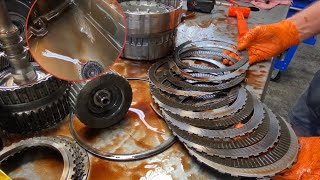
Est. part cost: $350-$750 - Contaminated Transmission Fluid & Blocked Valve Body 🔴 High Probability → Shop Transmission Assembly The most common source of contamination is metallic debris from a failing Torque Converter Clutch (TCC). This fine, grey paste-like material clogs the fine passages in the valve body and the screens on the solenoids, leading to pressure issues that trigger P0761. GM TSBs also mention debris from aftermarket filters causing blockages.
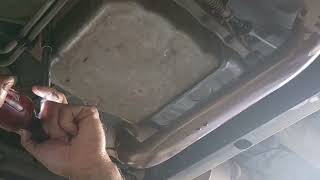
How to confirm: Drop the transmission pan and inspect the fluid and pan magnet. Dark, burnt-smelling fluid or a significant amount of fine, metallic 'glitter' or paste in the pan is a definitive sign of internal wear, most likely from the torque converter.
Typical fix: If significant debris is present, a simple fluid change is not enough. The transmission must be flushed, the valve body removed and cleaned, and the source of the debris (the torque converter) must be replaced to prevent immediate repeat failure. In many cases, a full transmission rebuild is necessary.
Est. part cost: $50-$150 for fluid and filter; valve body service is primarily labor. A new torque converter can cost $300-$800+. - Low Transmission Fluid Level 🟡 Medium Probability → Shop Transmission Assembly These transmissions are sensitive to fluid level. A low level prevents the pump from creating adequate hydraulic pressure for the solenoids to function correctly.
How to confirm: Check the transmission fluid level. Many of these trucks do not have a dipstick, so the check must be performed via the fill plug on the side of the transmission while the vehicle is at operating temperature and running.
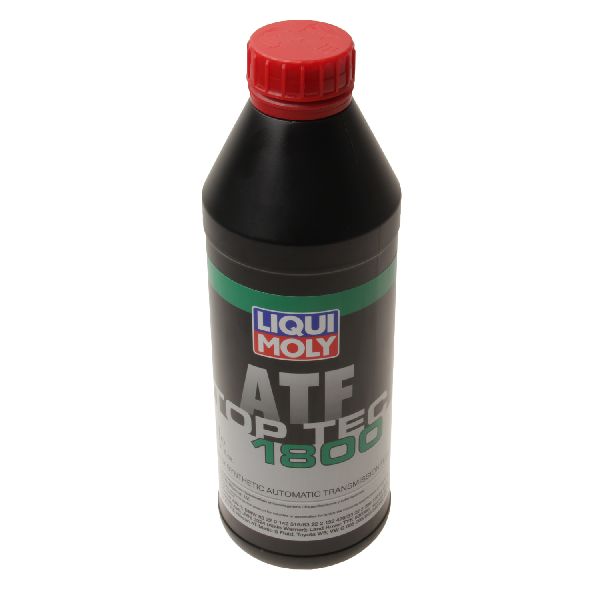
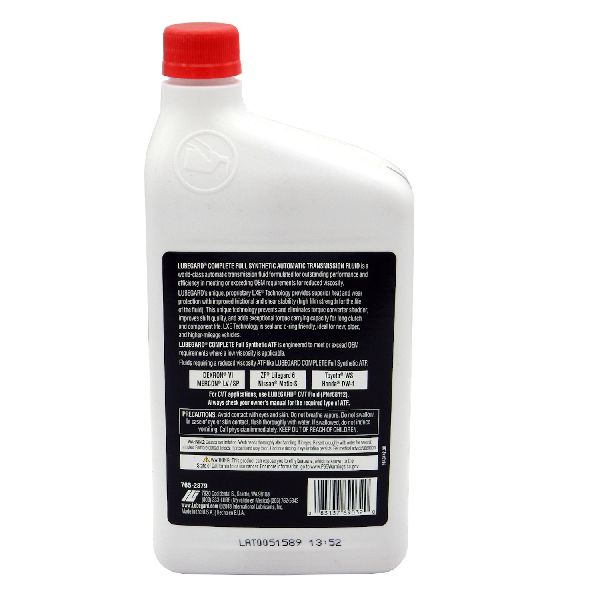
Typical fix: Top off the fluid to the correct level using ACDelco DEXRON-VI automatic transmission fluid and check for leaks.
Est. part cost: $20-$40 - Wiring or Connector Issue ⚪ Low Probability The main transmission wiring harness connector can become contaminated with fluid if the internal pass-through seal fails, or external damage can occur from road debris or heat.
How to confirm: Inspect the main round connector at the transmission for corrosion or bent pins. Perform a continuity test on the wiring between the TEHCM connector and the main harness.
Typical fix: Repair the damaged wiring or replace the connector. If the internal harness has failed, it is replaced during the TEHCM replacement.
Est. part cost: $50-$200
Rare But Worth Checking
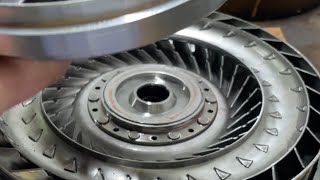
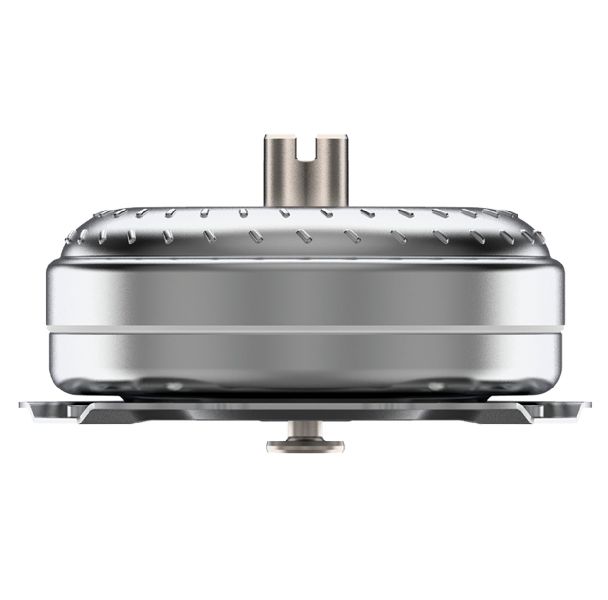
- Failing Torque Converter: → Shop Automatic Transmission Torque Converter While listed as a cause of fluid contamination, a failing torque converter is a primary root cause of P0761 in and of itself. The lock-up clutch material disintegrates, sending metal debris throughout the transmission, which clogs the valve body and TEHCM solenoids. Symptoms include a noticeable shudder during light acceleration. If not replaced, it will destroy the new TEHCM and likely the entire transmission.
- Internal Mechanical Failure: A cracked clutch housing or other significant internal damage can create debris that leads to solenoid codes. TSB #09-07-30-004J mentions issues with cracked clutch housings on 6L80 transmissions. If heavy metal chunks (not just fine paste) are found in the pan, a full transmission rebuild or replacement is likely necessary.
Diagnosis Steps
- Check and verify the transmission fluid level and condition. The fluid should be bright red and clear. Dark, burnt-smelling fluid, or fluid that looks like metallic paint, indicates a severe internal problem.
- Use a professional-grade scan tool to read all codes from the TCM and note any other accompanying codes, especially P0741.
- Test drive the vehicle (if possible) and feel for a shudder or vibration under light acceleration between 35-55 mph, which points to torque converter failure.
- Inspect the transmission's external wiring harness and the main connector for any visible damage, corrosion, or fluid leaks.
- Drop the transmission pan to inspect for metal shavings or clutch material. A layer of fine, grey, metallic paste is a classic sign of torque converter failure in these transmissions.
- If the fluid is clean and level is correct, use a scan tool to command individual solenoids and monitor their response. If Solenoid 'C' does not respond and external wiring is good, the TEHCM has likely failed.
- If significant debris is found in the pan, the root cause (likely the torque converter) MUST be identified and replaced along with the TEHCM and a thorough cleaning of the valve body and cooler lines.
Parts You'll Likely Need
- Transmission Electro-Hydraulic Control Module (TEHCM)
(OEM #24275872 (supersedes 24258562 for some 6L80 applications))— This is the most common point of failure. It contains all the shift solenoids and the TCM in one assembly. A fault in Shift Solenoid 'C' requires replacement of the entire unit.
Trusted brands: ACDelco (OEM), Sonnax (Remanufactured)
Related Codes That Often Appear With This One
- P0741 — Torque Converter Clutch (TCC) System Performance or Stuck Off. This code is a major indicator that the torque converter is failing and is the source of the debris causing the P0761 code.
- P0751 — Shift Solenoid 'A' Performance. Often appears with P0761 because the root cause (bad TEHCM, dirty fluid, valve body debris) affects multiple solenoids. [9, Bulletin #PIP4379N]
- P0756 — Shift Solenoid 'B' Performance. Like P0751, it's frequently seen with P0761 due to shared hydraulic circuits and common failure modes. [9, Bulletin #PIE0371B]
- P0700 — General Transmission Control System Malfunction. This is an informational code set by the ECM to indicate that the TCM has stored a fault.
- P0894 — Transmission Component Slipping. This can be triggered by the incorrect gear engagement or low hydraulic pressure caused by the P0761 fault. [Bulletin #PIP4379N]
Technical Service Bulletins (TSBs) & Recalls
- PIP4379N: Mentions P0761 in a list of codes related to delayed or no gear engagement, suggesting a pattern of transmission control faults.
- PIE0371B: Links P0761 directly to symptoms like delayed shifts and being stuck in gear, confirming it as a known issue.
Platform-Specific Known Issues
- TSB #PIP4379N lists P0761 among a large group of codes that can be caused by various transmission control issues, including problems with reverse engagement.
- TSB #PIE0371B specifically addresses DTCs P0751, P0756, and P0761 related to delayed shifts or being stuck in gear, pointing towards a common failure pattern.
- A known major issue is torque converter clutch (TCC) failure, which sheds metallic debris into the fluid. This debris clogs the valve body and TEHCM, directly causing solenoid performance codes like P0761. This is so common that many shops will not replace a TEHCM without also replacing the torque converter.
- Some TSBs like #PIP5100A also warn that material from aftermarket spin-on transmission filters can break down and cause similar blockages in the valve body.
Mechanic-Grade Diagnostic Values
- 6L80 Shift Solenoid (On/Off type) Resistance — expected: 20-40 Ohms. Failure: A reading outside this range indicates a failed solenoid coil, requiring TEHCM replacement.
- 6L80 Pressure Control Solenoid (PWM type) Resistance — expected: 3-8 Ohms. Failure: A reading outside this range points to a faulty solenoid within the TEHCM.
- Solenoid Supply Voltage (Key On) — expected: 11.8 - 12.5 V. Failure: Low or no voltage suggests a wiring or TCM power supply issue upstream of the solenoid.
- TEHCM Regulated Solenoid Voltage — expected: 8.3 - 9.3 V. Failure: Incorrect voltage from the TEHCM indicates an internal fault with the module itself.
Scan Tool Commands That Help
- GM GDS2 / Tech 2: Solenoid Test / Output Controls — Used to command a specific solenoid (like Shift Solenoid C) on and off while monitoring system pressure or listening for a click. This directly tests the solenoid's electrical function and helps isolate the fault to the TEHCM if the command is sent but the solenoid doesn't actuate.
- GM GDS2 / Tech 2: Solenoid Cleaning Procedure — This automated function cycles all solenoids in a specific sequence to dislodge small amounts of debris. It can be attempted if minor contamination is suspected before committing to TEHCM replacement.
- J2534 Pass-Thru Device: Service Programming System (SPS) — This is required *after* a new TEHCM is installed. The module must be programmed with the vehicle's specific VIN and calibration files to function correctly. Failure to program will result in a no-start or no-shift condition.
Wiring & Ground Locations
- X216 — The main 16-pin round electrical connector on the passenger side of the transmission case.. This is the primary interface between the vehicle's main wiring harness and the internal TEHCM. Check here for corrosion, bent pins, or fluid intrusion from a leaking internal harness seal.
- G110 / G114 — Ground points located on the rear of the cylinder heads or on the frame near the transmission.. Poor ground connections at these locations are a known issue on K2XX trucks and can cause a wide range of seemingly unrelated electrical problems, including erratic transmission behavior and false sensor readings. A GM document specifically requests technicians to document loose connections at G110/G114 on 2019-2020 models, indicating it's a known trouble spot.
Real Owner Repair Stories
- Go-Parts forum compilation (2015 Chevrolet Silverado 1500) — Check Engine Light with code P0761, harsh shifting.
❌ Tried (didn't work) Initial diagnosis pointed towards a solenoid issue.
✅ What actually fixed it The dealership replaced the torque converter and the entire valve body assembly, which includes the TEHCM. The total cost was approximately $3,400. This confirms the common failure pattern where a failing torque converter contaminates the fluid and destroys the TEHCM.
OEM Part Supersession History
24256939→24275873 (and many others in sequence)— GM has released numerous updates to the TEHCM to address reliability issues with solenoids, pressure switches, and internal circuitry.
Heads up: A long list of part numbers including 24257213, 24259639, 24261870, 24264141, 24265259, 24267576, and 24270598 have been superseded. It is critical to use a VIN-based catalog to get the correct, latest-revision part. Installing an incorrect year or hardware version can lead to a no-start or immediate limp mode.24258562→24275872— Updated TEHCM for 2007-2013 6L80/6L90 transmissions, addressing common failure points.
Heads up: This part number is generally for the first generation of 6L80 transmissions and is not correct for the 2014-2019 Sierra 1500. Using it would result in programming and communication errors.
Model Year Variations Within This Range
- 2014: Primarily equipped with the 6-speed 6L80 transmission. Diagnosis and parts focus on this specific unit.
- 2015-2019: The 8-speed 8L90 transmission was introduced as an option starting in 2015 and became more common in later years. While the P0761 code exists for both transmissions, and the general cause (internal TEHCM/solenoid failure) is similar, the TEHCM part numbers, valve body design, and specific diagnostic procedures are different. The 8L90 has also been the subject of class-action lawsuits for shift quality issues, including shuddering and harsh shifts, which can be related to the same internal hydraulic control problems that trigger solenoid codes.
Helpful Videos
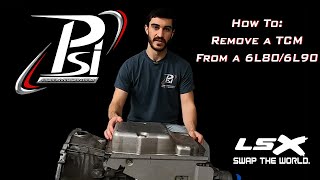
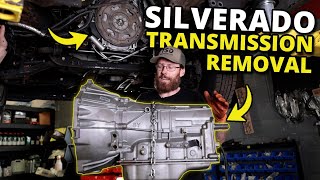
We Have This Part in Stock


The information in this article is provided for general reference and educational purposes only. Vehicle specifications, procedures, and part compatibility can vary by production date, trim level, and region. Always consult your vehicle's factory service manual and verify part numbers before purchasing or performing repairs. Safety-critical components such as airbags, seat belts, and braking systems should be installed by a qualified professional.
- Gmc SIERRA 1500:
- 🧭 Diagnostic Flowchart
- 🎬 Helpful Videos
- 🛍️ Shop This Part
- What's Unique About the 2014-2019 Gmc SIERRA 1500
- Symptoms You May Notice
- Most Likely Causes
- Rare But Worth Checking
- Diagnosis Steps
- Parts You'll Likely Need
- Related Codes That Often Appear With This One
- Technical Service Bulletins (TSBs) & Recalls
- Platform-Specific Known Issues
- Mechanic-Grade Diagnostic Values
- Scan Tool Commands That Help
- Wiring & Ground Locations
- Real Owner Repair Stories
- OEM Part Supersession History
- Model Year Variations Within This Range
- 🎟️ Get 5% Off