

P0761 on 2006-2010 GMC Sierra: Shift Solenoid 'C' Causes and Fixes
On a 2006-2010 GMC Sierra, P0761 means Shift Solenoid 'C' is stuck off. Always check transmission fluid level and condition first, as low or dirty fluid is a primary cause. For 2006-2008 models with a 4-speed transmission (4L60-E/4L80-E), the fix is often a single, relatively inexpensive solenoid. For 2007.5-2010 models with a 6-speed (6L80), it usually requires replacing the entire Transmission Electro-Hydraulic Control Module (TEHCM), a known failure point that houses the solenoids and compute
- P0761 points to a problem with Shift Solenoid 'C', which controls gear changes.
- First, check your transmission fluid. Low or dirty fluid is a common and simple cause.
- You MUST identify if your truck has a 4-speed (likely 2006-2008) or 6-speed (likely 2008-2010) transmission, as the repair is completely different.
- For 4-speeds, you can replace the individual solenoid. For 6-speeds, the entire TEHCM (solenoid/computer pack) inside the pan must be replaced and programmed.
- On 6-speed models, this code is often caused by debris from a failing torque converter clogging the valve body and TEHCM.
What's Unique About the 2006-2010 Gmc SIERRA
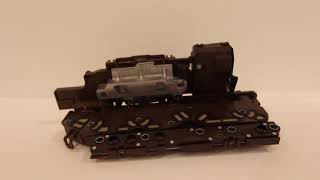
The 2006-2010 year range is critical because it covers two different GMC Sierra generations with completely different transmissions. Early models (GMT800 'Classic') use 4-speed transmissions (4L60-E/4L80-E) where the shift solenoid is an individual, relatively inexpensive part. Later models (GMT900) introduced the 6-speed 6L80 transmission, which integrates all solenoids and the TCM into a single, more expensive unit called the TEHCM. A single solenoid failure in a 6L80 requires replacing this entire assembly, which also needs to be programmed to the truck. 🎬 See why 6-speed TEHCM replacements require special programming. This TEHCM is a well-documented failure point in these transmissions.
Diagnostic Flowchart
Tap your situation to follow the diagnostic path that matches what you're seeing on this vehicle.
Generation note: This range covers two generations: the GMT800 'Classic' (2006-early 2007) and the GMT900 (late 2007-2010). GMT800 trucks typically have a 4-speed 4L60-E or 4L80-E transmission with individual solenoids. GMT900 trucks often have the 6-speed 6L80 transmission where the solenoids are part of the TEHCM assembly. It is crucial to identify which transmission your truck has before ordering parts.
Symptoms You May Notice
- Check Engine Light or transmission-specific warning light is on.
- Harsh, erratic, or delayed shifting, particularly the 2-3 shift.
- Transmission gets stuck in one gear (limp-home mode, often 3rd gear).
- Failure to shift into certain gears, commonly affecting 3rd or 4th gear.
- Transmission may feel like it's in neutral when put in Drive.
- Noticeable loss of power during acceleration.
- Increased fuel consumption.
- Replacing only the shift solenoid on a 6L80 transmission, which is not possible as it is integrated into the TEHCM.
- Replacing the external Transmission Control Module (TCM) on a 6L80-equipped truck, when the TCM is actually inside the transmission pan 🎬 Watch: Locating and diagnosing TCM problems on newer Sierra models. as part of the TEHCM.
- Assuming the transmission needs a full rebuild without first checking for simpler causes like low fluid, a single bad solenoid (on 4-speeds), or a clogged valve body.
Most Likely Causes
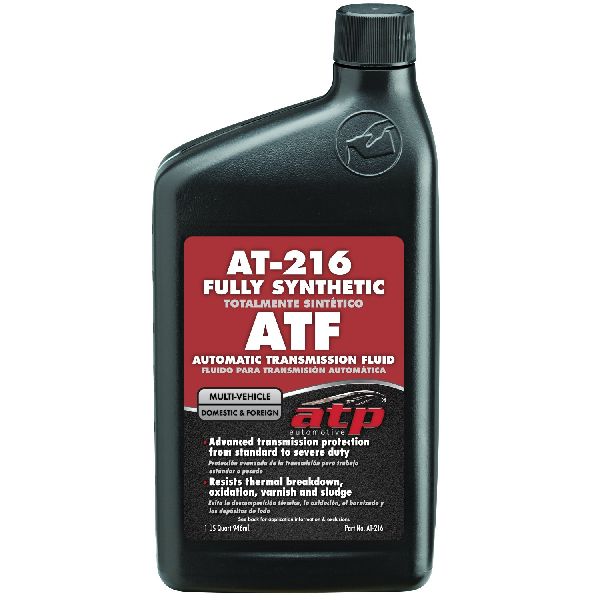
- Low or Dirty Transmission Fluid 🔴 High Probability → Shop Transmission Assembly Fluid breaks down over time and can become contaminated with clutch material or metal shavings from normal wear or a failing torque converter. The 6L80 transmission is particularly sensitive to fluid condition and contamination, which can clog solenoid screens and valve body passages.
How to confirm: Check the transmission fluid dipstick (if equipped) or inspection plug. The fluid should be at the correct level, pink/red in color, and not smell burnt or contain visible debris. TSB PIP4379K emphasizes checking the fluid level when hot (175°F).
Typical fix: Perform a transmission fluid and filter change using DEXRON-VI fluid. If the fluid is heavily contaminated, it may be a sign of a more serious internal failure.
Est. part cost: $75-$150 - Failed Shift Solenoid 'C' / TEHCM Assembly 🔴 High Probability → Shop Transmission Valve Body On 6L80 transmissions (GMT900), the solenoids are integrated into the TEHCM, which is submerged in hot fluid and subject to vibration and debris, leading to a high failure rate. On 4-speed transmissions (GMT800), the individual solenoid can simply fail electrically over time due to heat and age.
How to confirm: After dropping the pan, test the solenoid's resistance. For a 4L60-E, the 2-3 shift solenoid should read 20-40 ohms. For a 6L80, the pressure control solenoids (including Solenoid 'C') should read 3-8 ohms. A reading outside of spec indicates failure.
Typical fix: For 4L60-E/4L80-E, replace the single faulty shift solenoid. 🎬 Watch: Step-by-step guide to replacing 4L60E shift solenoids. For the 6L80, the entire TEHCM assembly must be replaced and programmed to the vehicle's VIN.
Est. part cost: $40-$80 (4-speed solenoid), $400-$800 (6-speed TEHCM) - Contaminated or Blocked Transmission Valve Body 🟡 Medium Probability → Shop Transmission Valve Body GM TSBs like PIP5100A and PIP4379K mention that fine metallic debris (often from a failing torque converter or even aftermarket filters) can clog the small orifices in the valve body or cause valves to stick, causing pressure drops and triggering solenoid performance codes.
How to confirm: After dropping the transmission pan, remove the valve body and inspect its passages and the separator plate for debris, scoring, or stuck valves. One owner found a shrunken check ball lodged in the separator plate, causing a complete loss of forward gears.
Typical fix: Thoroughly clean the valve body and replace the separator plate. In some cases, a remanufactured valve body is a more reliable repair.
Est. part cost: $20-$50 (separator plate), $300-$600 (reman valve body) - Wiring or Connector Issue ⚪ Low Probability
How to confirm: Visually inspect the main transmission harness connector on the case for corrosion, bent pins, or fluid contamination from a leaking internal seal. On 6L80 models, the internal harness is part of the TEHCM, so a failure there points back to replacing the TEHCM.
Typical fix: Clean or repair the external connector. If the internal harness has failed, replace the TEHCM (6L80) or the internal harness (4L60-E/4L80-E).
Est. part cost: $0-$100 (external repair), $100-$200 (4-speed internal harness)
Rare But Worth Checking
- Failed Transmission Control Module (TCM): → Shop Transmission Assembly This applies mainly to 4-speed (GMT800) models with a separate TCM. It's an uncommon cause and should only be considered after all other possibilities (fluid, solenoid, wiring) have been ruled out. On 6-speed models, the TCM is part of the more commonly failing TEHCM.
- Internal Mechanical Failure (Cracked Clutch Housing): A cracked 1-2-3-4 / 3-5-R clutch housing, as noted in TSB 09-07-30-004J for the 6L80, can cause a loss of hydraulic pressure, leading to slips, delayed engagement, and setting solenoid codes (though P0776 is more common for this fault). This is a major failure usually accompanied by significant debris in the pan.
Diagnosis Steps
- Check the transmission fluid level and condition. Ensure it is at the full mark when hot (approx. 175°F) per TSB PIP4379K. Top off or change if necessary.
- Use an OBD-II scanner to check for any other transmission-related codes. Multiple solenoid codes may point to a systemic issue.
- With a capable scan tool, command Shift Solenoid 'C' on and off to see if it responds. Monitor the solenoid's status in the live data.
- Inspect the main wiring harness connector at the transmission for any signs of damage, corrosion, or loose pins.
- Drop the transmission oil pan and inspect for excessive metal shavings or clutch material, which would indicate a severe internal failure. A small amount of fine grey material on the magnet is normal.
- For 4-speed (4L60-E/4L80-E): Locate Shift Solenoid 'C' (the 2-3 shift solenoid) on the valve body. Test its resistance with a multimeter. It should be between 20-40 ohms. If it's out of spec, replace the solenoid.
- For 6-speed (6L80): Test the resistance for the Solenoid 'C' circuit at the main TEHCM connector. Pressure control solenoids should measure between 3-8 ohms. If it fails, the entire TEHCM needs replacement.
- If the solenoid and wiring test good, inspect the valve body and separator plate for blockages, scoring, or stuck check balls.
- If all else fails, the issue may be a faulty TCM (on 4-speeds) or a deeper internal mechanical problem like a cracked clutch housing, requiring a transmission specialist.
Parts You'll Likely Need
- Transmission Electro-Hydraulic Control Module (TEHCM)
(OEM #24256861 (Verify with VIN, multiple revisions exist))— For 6-speed (6L80) transmissions, this is the most common failure. The solenoids are integrated into this unit, which lives inside the hot transmission. It must be replaced as an assembly and programmed. - Shift Solenoid 'C' (2-3 Shift Solenoid)
(OEM #ACDelco 24230298 (or kit 10478131))— For 4-speed (4L60-E/4L80-E) transmissions, this individual solenoid can be replaced. It is responsible for the 2-3 shift and failure is common with age and heat cycles.
Related Codes That Often Appear With This One
- P0701 — This is a general Transmission Control System Malfunction code that often appears with more specific codes like P0761.
- P0751, P0756, P0776 — These are codes for other shift solenoids (A, B, E). Seeing them together with P0761 suggests a widespread electrical or hydraulic problem, like low fluid, a bad ground, or a failing TEHCM/TCM, as noted in TSB PIP4379K.
- P0894 — This code for 'Transmission Component Slipping' can be a direct result of the incorrect gear engagement caused by the P0761 fault.
Technical Service Bulletins (TSBs) & Recalls
- Addresses multiple transmission codes including P0761, often related to delayed or no engagement. It points to issues like low fluid level, loss of pump prime (especially in cold), or a cracked internal suction filter as potential causes before condemning hard parts.
- Concerns slips, harsh shifts, and delayed engagement in 6L80 transmissions. It identifies a potential cause as a cracked 1-2-3-4 / 3-5-R clutch housing, which requires inspection and replacement of the housing. While it primarily lists other codes, the underlying hydraulic pressure loss can trigger various solenoid performance faults.
Platform-Specific Known Issues
- 6L80 Torque Converter Failure: A known issue on GMT900 trucks is the failure of the torque converter, which sheds metallic debris into the transmission fluid. This debris clogs the very fine passages in the valve body and the solenoid screens within the TEHCM, directly causing P0761 and other pressure-related codes.
- 6L80 Valve Body Plate Contamination: GM Technical Service Bulletin PIP5100A specifically notes that debris can block the separator plate in the valve body, leading to solenoid performance codes like P0761.
Mechanic-Grade Diagnostic Values
- 4L60-E/4L80-E Shift Solenoid Resistance — expected: 20-40 Ohms. Failure: A reading outside this range indicates a failed solenoid coil.
- 6L80 Pressure Control Solenoid (PWM) Resistance — expected: 3-8 Ohms. Failure: A reading outside this range indicates a failed solenoid coil, requiring TEHCM replacement.
- 6L80 On/Off Shift Solenoid Resistance — expected: 20-40 Ohms. Failure: A reading outside this range indicates a failed solenoid coil, requiring TEHCM replacement.
- 6L80 TEHCM Regulated Voltage to Solenoids — expected: 8.3 - 9.3 Volts. Failure: Incorrect voltage from the TEHCM indicates an internal module fault.
Scan Tool Commands That Help
- GDS2 / Tech2: Solenoid Output Override / Actuator Test — To command Shift Solenoid 'C' on and off while the vehicle is stationary (Key On, Engine Off) to verify electrical command and response. This helps isolate an electrical fault from a hydraulic one.
- GDS2 / Techline Connect (SPS2): Replace & Reprogram TCM — This function is mandatory after installing a new TEHCM in a 6L80 transmission. It flashes the module with the correct VIN-specific calibration file. Failure to program will result in a no-start or immediate limp-mode condition.
- GDS2: Transmission Service Fast Learn — After TEHCM programming or major transmission repair, this procedure runs the transmission through a static sequence to quickly learn clutch volume indexes. It helps establish baseline shift quality before a road test.
- Kent Moore DT-47825 Test Plate: Solenoid Bench Test — When the TEHCM is removed, this special tool allows a technician to apply regulated air pressure to the solenoid ports and use a scan tool to cycle each solenoid, verifying mechanical operation with a pressure gauge. This definitively confirms if a solenoid is stuck.
Wiring & Ground Locations
- G105 / G107 (GMT900) — On the engine block, typically near the starter motor.. This is a primary engine-to-chassis ground. Corrosion or looseness here can cause voltage drops and erratic behavior in sensitive modules like the TEHCM, potentially setting false solenoid codes.
- Engine Block to Firewall Straps (GMT800/GMT900) — Braided ground straps located at the rear of the engine bay, connecting the cylinder heads/engine block to the vehicle's firewall.. These grounds are critical for clean sensor signals and module communication. A broken or corroded strap can introduce electrical noise, leading to incorrect readings and transmission control problems.
- X1/J1 Connector (6L80) — The main 16-pin round electrical connector on the passenger side of the 6L80 transmission case.. This is the single point of connection for all power, ground, and data to the internal TEHCM. Pin 5 is the primary ground. Corrosion or a poor connection here will cause multiple, often intermittent, transmission codes including P0761.
Real Owner Repair Stories
- YouTube video by a transmission specialist (2008 model year with 6L80 transmission, <70,000 miles) — Severe slipping and a neutral condition when 3rd, 5th, or Reverse gears were commanded.
❌ Tried (didn't work) Initial diagnosis might point to TEHCM or solenoid failure based on codes.
✅ What actually fixed it The root cause was a burnt 3-5-R clutch pack. This was caused by a loss of hydraulic pressure from failed welds on the base of the 3-5-R clutch drum. The fix required removing the transmission, disassembling the drum, reinforcing the welds, and replacing the clutch pack. An air check on the bench confirmed the leak at the welds before repair.
OEM Part Supersession History
24256861→19435614— Part revision and update by GM.
Heads up: While 24256861 is a widely cited number for the TEHCM, multiple other numbers exist (e.g., 24256939, 24275873). Always verify the correct part number for the specific vehicle's VIN and model year, as hardware and software versions (Tag IDs) must match to avoid immediate limp mode or no-start conditions.
Model Year Variations Within This Range
- 2006-2010 (GMT900 w/ 6L80): Early 6L80 transmissions are known for issues with the 3-5-R clutch drum welds. In 2010, GM updated the drum with improved welds from the factory to reduce the likelihood of pressure loss and clutch failure. A pre-2010 truck with these symptoms is highly suspect for this specific mechanical failure.
Helpful Videos


We Have This Part in Stock


The information in this article is provided for general reference and educational purposes only. Vehicle specifications, procedures, and part compatibility can vary by production date, trim level, and region. Always consult your vehicle's factory service manual and verify part numbers before purchasing or performing repairs. Safety-critical components such as airbags, seat belts, and braking systems should be installed by a qualified professional.
- Gmc SIERRA:
- 🧭 Diagnostic Flowchart
- 🎬 Helpful Videos
- 🛍️ Shop This Part
- What's Unique About the 2006-2010 Gmc SIERRA
- Symptoms You May Notice
- Most Likely Causes
- Rare But Worth Checking
- Diagnosis Steps
- Parts You'll Likely Need
- Related Codes That Often Appear With This One
- Technical Service Bulletins (TSBs) & Recalls
- Platform-Specific Known Issues
- Mechanic-Grade Diagnostic Values
- Scan Tool Commands That Help
- Wiring & Ground Locations
- Real Owner Repair Stories
- OEM Part Supersession History
- Model Year Variations Within This Range
- 🎟️ Get 5% Off