

P0761 on 2009-2010 GMC Sierra 2500: Shift Solenoid 'C' Causes and Fixes
P0761 on a 2009-2010 GMC Sierra 2500 indicates a 'Shift Solenoid C Performance or Stuck Off' issue. This code is triggered when the transmission control module (TCM) commands a gear shift involving solenoid 'C' but doesn't see the expected change. The most common causes are low/dirty transmission fluid or a failed shift solenoid inside the transmission. For trucks with the 6L90 (gas) transmission, this often points to a failing TEHCM, while on the Allison (diesel), it's often a single binding so
- P0761 indicates a problem with Shift Solenoid 'C', which controls gear changes.
- Always check the transmission fluid level and condition first; low or dirty fluid is a very common cause.
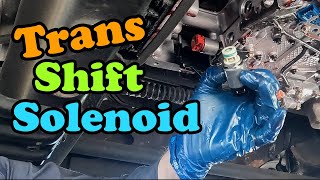
- The most likely failed part is the shift solenoid itself, which is located inside the transmission oil pan and requires professional service to replace.
- Do not immediately assume the TCM is bad; GM service bulletins indicate this is an unlikely fix.
- Driving with this code can lead to serious and expensive transmission damage, so it should be addressed promptly.
What's Unique About the 2009-2010 Gmc SIERRA 2500
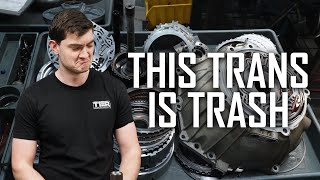
The 2009-2010 Sierra 2500 uses two distinct heavy-duty 6-speed automatic transmissions: the 6L90 for gas engines (Vortec 6.0L V8) and the Allison 1000 for diesel engines (Duramax 6.6L V8). For the Allison transmission, Shift Solenoid 'C' is specifically referred to as Shift Solenoid 3 (SS3). GM has issued service bulletins (like PIP4379N and PIP5060) that include P0761. TSB PIP5060 specifically notes that for the Allison, the solenoid's internal armature can bind, causing the performance fault. For the 6L90, the solenoids are integrated into the Transmission Electro-Hydraulic Control Module (TEHCM), and a failure often points to replacing the entire unit. A failing torque converter is also a known issue on the 6L90 platform, which sheds debris and clogs solenoids and the valve body 🎬 Watch: Common 6L90 problems that lead to transmission failure, leading to codes like P0761.
Diagnostic Flowchart
Tap your situation to follow the diagnostic path that matches what you're seeing on this vehicle.
Symptoms You May Notice
- Check Engine Light is on
- Transmission warning light illuminated
- Harsh, delayed, or failed shifts
- Vehicle stuck in one gear (limp mode), often 2nd or 3rd
- Inability to engage Drive or Reverse
- Transmission slipping or shuddering
- Reduced fuel efficiency
- Transmission overheating
- Replacing the Transmission Control Module (TCM) first. This is rarely the cause, especially on the Allison transmission. All fluid, wiring, and solenoid issues must be ruled out first.
- Replacing only the shift solenoid on a 6L90 when the root cause is a failing torque converter. The new solenoid/TEHCM will likely fail again quickly if the debris-generating torque converter isn't also replaced.
Most Likely Causes
- Low or Dirty Transmission Fluid 🔴 High Probability → Shop Transmission Assembly These heavy-duty trucks are often used for towing and hauling, which accelerates fluid breakdown. Low fluid causes pressure loss, while dirty fluid with debris can clog solenoid screens and valve body passages, preventing mechanical movement.
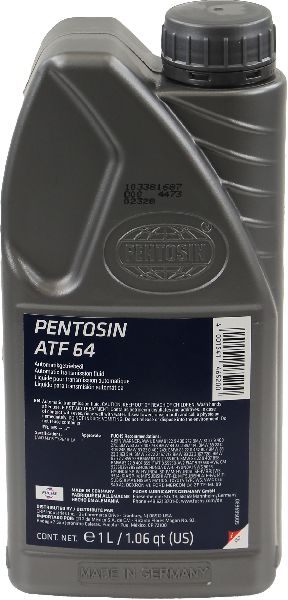
How to confirm: Check the transmission fluid level and condition. The fluid should be at the correct level, bright red (DEXRON-VI for 6L90, Allison specific fluid for Allison), and not smell burnt. Most of these trucks do not have a dipstick and must be checked via a fill plug on the side of the transmission case while the vehicle is running and at operating temperature.
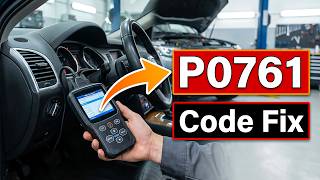
Typical fix: Perform a transmission fluid and filter change using the correct OEM-spec fluid. This is a critical first step. 🎬 See this walkthrough on how to fix a P0761 code
Est. part cost: $80-$200 - Failed Shift Solenoid 'C' or TEHCM Assembly 🔴 High Probability → Shop Transmission Valve Body For the Allison 1000, TSB PIP5060 specifically calls out the armature within Shift Solenoid 3 (SS3) binding mechanically. For the 6L90 (gas), the solenoids are integrated into the TEHCM, which is a known failure point; the entire module, which includes the TCM, is replaced as one unit. A very common root cause for the 6L90 is a failing torque converter clutch shedding debris that contaminates the valve body and TEHCM.
How to confirm: After dropping the pan, the solenoid can be tested. For the Allison, test resistance of SS3 (typically 22-24.5 ohms) and check for mechanical binding. For the 6L90, an advanced scan tool is needed to command the solenoid and monitor its response; however, a persistent code after a fluid change usually condemns the TEHCM.
Typical fix: For Allison: Replace the individual Shift Solenoid 3 (SS3). For 6L90: Replace the entire TEHCM assembly, which must be programmed to the vehicle's VIN. If torque converter debris is found, the converter must also be replaced and the cooler lines flushed to prevent repeat failure.
Est. part cost: $50-$150 for a single Allison solenoid, $400-$650 for a 6L90 TEHCM assembly. - Wiring or Connector Issue 🟡 Medium Probability The main transmission harness connector can get contaminated with fluid, and the wiring itself is exposed to engine heat and road debris, which can cause chafing, corrosion, or loose connections.
How to confirm: Visually inspect the wiring harness from the TCM to the transmission case connector for damage. Unplug the main connector and check for corrosion or bent pins. Test for continuity and proper voltage at the solenoid connector pins.
Typical fix: Repair the damaged section of the harness or replace the corroded connector. If the internal harness seal has failed and contaminated the connector, the internal harness must be replaced.
Est. part cost: $20-$200
Rare But Worth Checking
- Internal Transmission Mechanical Failure (Valve Body/Clutches): → Shop Transmission Assembly If the transmission fluid is full of metal shavings or clutch material, it points to a severe internal problem like a failing torque converter or burnt clutch pack. This debris clogs the valve body and causes the solenoid performance code. In this scenario, a simple solenoid replacement will not be a permanent fix and a transmission rebuild or replacement is likely necessary.
- Faulty Transmission Control Module (TCM): → Shop Transmission Assembly This is rare as a standalone failure. For the 6L90, the TCM is part of the TEHCM, so it gets replaced with the solenoids. For the Allison, GM has issued bulletins (PIP4560 series) restricting the sale of the TCM (P/N 24256861) to ensure technicians rule out all other causes first, as it is rarely the point of failure. TSB PIP4379N also advises against replacing the TCM as a primary fix.
Diagnosis Steps
- Check the transmission fluid level and condition. Use the correct procedure (usually checked hot, with the engine running). If low, top off and check for leaks. If dirty or burnt, a fluid and filter change is the next step.
- Use a professional scan tool to check for other transmission-related codes and to view live data from the transmission sensors.
- Inspect the external transmission wiring harness and the main round connector for any signs of damage, corrosion, or loose pins.
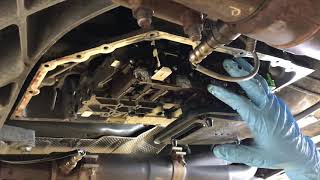
- If the fluid and wiring are good, drop the transmission oil pan.
- Inspect the fluid in the pan and the magnet for excessive metal debris or clutch material. A fine metallic paste is a sign of torque converter or other hard part failure.
- For Allison 1000: Locate Shift Solenoid 3 (SS3) on the valve body. Test its resistance with a multimeter (should be 22-24.5 ohms). Per TSB PIP5060, also check the pressure switches for proper function.
- For 6L90: The solenoids are part of the TEHCM. While an advanced scan tool can command the solenoid, a persistent P0761 after a fluid service typically means the TEHCM has failed or is clogged with debris.
- If the solenoid/TEHCM is replaced, clear the codes and perform a test drive to verify the repair. For a TEHCM replacement, a programming and relearn procedure is required.
- If the issue persists, the problem may be a clogged valve body passage or a more complex internal hydraulic leak requiring professional diagnosis.
Parts You'll Likely Need
- Transmission Shift Solenoid 'C' (SS3 for Allison) — For Allison transmissions, this individual solenoid is the component directly identified by the code and TSB PIP5060 as prone to binding.
Trusted brands: ACDelco, Bosch, Rostra
OEM price range: $70-$150
Aftermarket price range: $40-$90 - Transmission Control Solenoid Assembly (TEHCM)
(OEM #24256523 (Verify by VIN, this is a common but not universal number)— For 6L90 (gas) transmissions, the solenoids are integrated into the TEHCM, which is a common failure point. Debris from a failing torque converter often contaminates the TEHCM, necessitating its replacement.
Trusted brands: ACDelco, Dorman, Sonnax
OEM price range: $450-$650
Aftermarket price range: $350-$550
Related Codes That Often Appear With This One
- P0700 — This is a general transmission fault code. It's the TCM's way of telling the main engine computer to turn on the Check Engine Light because a specific fault, like P0761, has been stored.
- P0751, P0756, P0776 — These are performance codes for other shift solenoids (A, B, and E). Seeing them together with P0761 strongly suggests a widespread issue like low/contaminated fluid, a power/ground problem, or a failing TEHCM/valve body affecting multiple solenoids.
- P0894 — This code for 'Transmission Component Slipping' can be triggered by the incorrect gear engagement or ratio that results from the P0761 fault.
- P0762 — This code is for 'Shift Solenoid C Stuck On', the opposite of P0761. Seeing both or having one flip to the other can indicate an intermittent mechanical or electrical issue with the solenoid or its circuit. TSB PIP5060 groups these codes together for the Allison transmission.
Technical Service Bulletins (TSBs) & Recalls
- PIP4379N: Addresses delayed or no engagement into Drive/Reverse and lists P0761 as a possible related DTC.
- PIP5060: Points to a binding shift solenoid armature (specifically SS3 for P0761) on Allison transmissions as the cause for performance codes.
- PIP4560 Series (M, N, Q): A series of bulletins restricting the replacement of the Allison TCM (P/N 24256861) to ensure it is not replaced unnecessarily before other diagnostics are completed.
Platform-Specific Known Issues
- TSB PIP4379N - Cold Weather/Engagement Issues: This bulletin lists P0761 among many other codes related to delayed or no engagement of Drive or Reverse, which may be worse in cold weather. It primarily advises checking fluid level and following standard diagnostics, cautioning against prematurely replacing the TCM.
- TSB PIP5060 - Allison Solenoid Binding: This TSB is specific to the Allison transmission and directly addresses performance codes like P0761. It states the armature inside the shift solenoid (SS3 for P0761) can bind. The fix is to test the pressure switches and then replace the appropriate solenoid if they function correctly.
- 6L90 Torque Converter Failure: → Shop Automatic Transmission Torque Converter A widely discussed issue in owner forums for GM trucks with the 6L80/6L90 is the failure of the torque converter clutch. It produces a shudder and sends metallic debris throughout the transmission, which clogs the filter, valve body, and TEHCM, leading to various shift solenoid codes, including P0761. A common owner experience on forums like silveradosierra.com and Reddit involves finding a grey metallic paste in the pan, necessitating replacement of the torque converter and TEHCM.
Mechanic-Grade Diagnostic Values
- Allison 1000 Shift Solenoid 'C' (SS3) Resistance — expected: 20 - 30 Ω. Failure: A reading outside of this range indicates a failed solenoid coil.
- Allison 1000 Speed Sensor AC Voltage — expected: 150mV - 15V AC, depending on RPM. Failure: No voltage or voltage that doesn't change with RPM suggests a failed sensor or wiring issue.
Hidden / Shadow Codes Worth Checking
- P0763: Shift Solenoid 'C' Electrical. This is a specific companion code the TCM may set when it detects an electrical circuit malfunction (open or short) for solenoid C, as opposed to the performance/mechanical issue indicated by P0761. (see via A professional scan tool like a GM Tech2/GDS2 will show this code alongside P0761 if an electrical fault is detected.)
Scan Tool Commands That Help
- GM Tech 2 / GDS2: Solenoid Test / Actuator Test — With the engine on and vehicle stationary, this command allows a technician to manually cycle Shift Solenoid 'C' on and off. A lack of an audible 'click' from the transmission pan strongly indicates a failed solenoid or a complete break in the electrical circuit.
- GM SPS2 / Techline Connect: Service Fast Learn Adapts — This procedure is mandatory after replacing the TEHCM on a 6L90 transmission. It resets and relearns the transmission's adaptive pressure values, which is critical for proper shift quality and clutch longevity. Failure to perform this step will result in harsh shifting and potential damage to the new unit.
Wiring & Ground Locations
- G110 / G111 — Located at the rear of the engine compartment, typically a braided strap from the back of the passenger-side cylinder head to the firewall.. This is a primary ground path for engine and transmission electronics. Corrosion or a break in this strap can cause a floating ground or low voltage at the TCM/TEHCM, leading to erratic solenoid operation and codes like P0761, even if the transmission itself is healthy.
- TCM 80-Way Connector — The main electrical connector for the Transmission Control Module.. Pin 9 (Black/White wire) is a ground circuit for the TCM. Verifying ground integrity at this pin is a key step in diagnosing electrical faults before condemning the module.
Real Owner Repair Stories
- Compilation of common 6L90 failures from mechanic forums and videos (2009-2010 GMC Sierra 2500 with 6.0L Gas Engine (6L90)) — P0761, harsh shifting, possible limp mode, and other solenoid codes (P0751, etc.).
❌ Tried (didn't work) Clearing the code (it returns immediately), A simple transmission fluid and filter change.
✅ What actually fixed it The root cause was a failing torque converter clutch shedding metallic debris. The correct fix was a multi-part replacement: 1) Replace the torque converter. 2) Replace the entire TEHCM assembly, as it was contaminated with debris. 3) Thoroughly flush the transmission cooler and lines to remove all debris before installing the new parts. - Common Allison 1000 repair path based on TSBs and technician guides (2009-2010 GMC Sierra 2500 with 6.6L Duramax Diesel (Allison 1000)) — P0761, delayed or no engagement into gear, harsh shifts.
❌ Tried (didn't work) Assuming it's a major internal failure or a bad TCM.
✅ What actually fixed it After confirming the fluid level and condition were good, the transmission pan was dropped. The individual Shift Solenoid 'C' (also called SS3) was identified on the valve body, tested, and found to be out of resistance spec (outside 20-30 ohms) or mechanically stuck. Replacing only this single solenoid resolved the code and shifting issues.
OEM Part Supersession History
24241350 / 24252114 (for 2009 6L90)→24256861 / 24256863 (for 2010+ 6L90)— Hardware update for improved solenoids and a better pressure manifold gasket design.
Heads up: TEHCMs are not interchangeable between these year groups. Installing the wrong year TEHCM will result in immediate limp mode or a no-start condition as the internal logic and calibration files are different.29543336 (Internal Harness for 2006-2009 Allison)→29545308 (Internal Harness for 2010+ Allison)— Design change corresponding to the Allison Gen II to Gen III transition.
Heads up: The internal wiring harness changed to accommodate different internal electronics, such as the removal of the 'G' solenoid and addition of a Main Modulating Solenoid in 2010. The harnesses are not cross-compatible.
Model Year Variations Within This Range
- 2009 vs. 2010: For the Allison 1000, the 2009 model is a 'Gen II' transmission, while the 2010 is a 'Gen III'. A key difference is that the 2010 model eliminated the 'G' solenoid and added a Main Modulating Solenoid to control line pressure, which also required a different internal wiring harness.
- 2009 vs. 2010: For the 6L90, the TEHCM was updated for the 2010 model year with improved solenoids. The part numbers are different between 2009 and 2010 models and are not interchangeable.
Helpful Videos
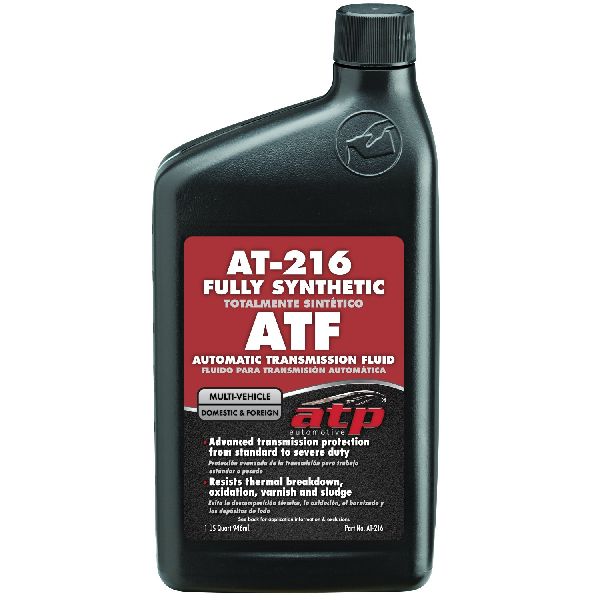
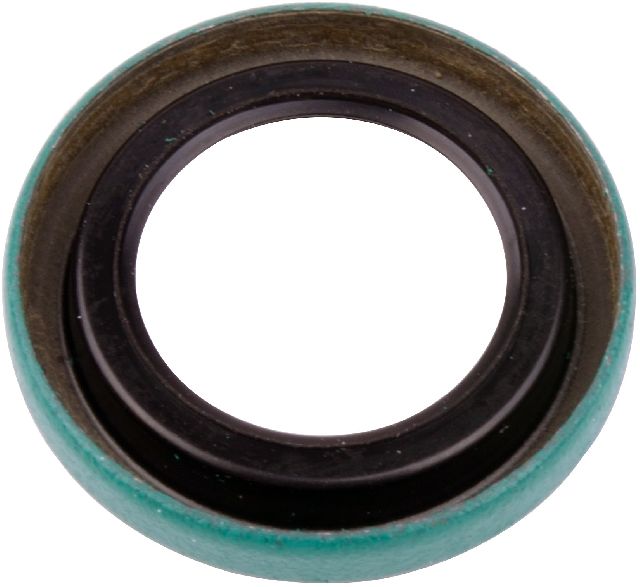
We Have This Part in Stock

The information in this article is provided for general reference and educational purposes only. Vehicle specifications, procedures, and part compatibility can vary by production date, trim level, and region. Always consult your vehicle's factory service manual and verify part numbers before purchasing or performing repairs. Safety-critical components such as airbags, seat belts, and braking systems should be installed by a qualified professional.
- Gmc SIERRA 2500:
- 🧭 Diagnostic Flowchart
- 🎬 Helpful Videos
- 🛍️ Shop This Part
- What's Unique About the 2009-2010 Gmc SIERRA 2500
- Symptoms You May Notice
- Most Likely Causes
- Rare But Worth Checking
- Diagnosis Steps
- Parts You'll Likely Need
- Related Codes That Often Appear With This One
- Technical Service Bulletins (TSBs) & Recalls
- Platform-Specific Known Issues
- Mechanic-Grade Diagnostic Values
- Hidden / Shadow Codes Worth Checking
- Scan Tool Commands That Help
- Wiring & Ground Locations
- Real Owner Repair Stories
- OEM Part Supersession History
- Model Year Variations Within This Range
- 🎟️ Get 5% Off