

P0761 on 2003-2007 GMC Sierra Denali: Shift Solenoid 'C' Causes and Fixes
This code indicates that Shift Solenoid 'C' in the transmission is stuck off or not performing correctly. The most common causes are low/dirty transmission fluid or a failed shift solenoid. A fluid and filter change is a good first step, but the solenoid itself may need replacement.
- P0761 means the transmission's Shift Solenoid 'C' is not working correctly, usually causing shifting problems.
- Always check the transmission fluid level and condition first; low or dirty fluid is a very common cause.
- The most likely failed part is the Shift Solenoid 'C' itself, which is located inside the transmission oil pan.
- This repair is moderately difficult and requires dropping the transmission pan, so professional service is recommended for most owners.
- Be sure to identify if your truck has a 4-speed (GMT800) or 6-speed (GMT900) transmission, as the parts will be different.
What's Unique About the 2003-2007 Gmc SIERRA DENALI
The 2003-2007 GMC Sierra Denali spans two distinct generations with different transmissions. The GMT800 (2003-2006, 2007 'Classic') used the 4-speed 4L65-E, while the new GMT900 body style (2007) introduced the 6-speed 6L80. Crucially, the P0761 code is almost exclusively relevant to the 2007 GMT900 Denali with the 6L80 transmission. The 4L65-E does not use a 'Shift Solenoid C' designation; its solenoids are typically named A and B. Therefore, a P0761 code on a 2003-2006 model is highly improbable and may point to a scanner misreading or a very unusual fault. For the 6L80, the solenoids are integrated into the Transmission Electro-Hydraulic Control Module (TEHCM), making the repair more complex than replacing an individual solenoid.
Diagnostic Flowchart
Tap your situation to follow the diagnostic path that matches what you're seeing on this vehicle.
Generation note: This range covers the first generation GMT800 (2003-2006, plus 2007 'Classic') and the second generation GMT900 (2007). The GMT800 Denali typically used a 4L65-E 4-speed automatic transmission, for which P0761 is not a standard code. The new-body-style 2007 GMT900 Denali used a 6L80 6-speed automatic. It is crucial to identify which transmission your truck has, as P0761 diagnostics and repair are specific to the 6L80.
🎬 Watch: A detailed explanation of the P0761 code and symptoms.Symptoms You May Notice
- Check Engine Light is on.
- Transmission warning light may be illuminated.
- Harsh, erratic, or delayed shifts, particularly the 2-3 shift.
- Transmission gets stuck in one gear (limp mode).
- Failure to shift into certain gears, often preventing shifts to 3rd or 4th.
- Transmission slipping.
- Reduced fuel economy.
- Transmission overheating.
- Replacing the TEHCM/solenoid assembly without first checking the transmission fluid level and condition.
- Assuming the solenoid is bad when the actual problem is a damaged external wire or corroded connector in the circuit.
- Replacing individual solenoids, which is not feasible on a 6L80 as they are integrated into the TEHCM.
Most Likely Causes
- Failed Shift Solenoid 'C' (within the TEHCM) 🔴 High Probability → Shop Transmission Valve Body In the 6L80 transmission, the solenoids are part of the TEHCM, which is located inside the hot transmission environment. Electrical components like solenoids can fail due to heat and age. The entire TEHCM unit is often replaced as individual solenoids are not separately serviceable.
How to confirm: After dropping the transmission pan, the TEHCM can be accessed. A technician can test the resistance of the specific solenoid with a multimeter 🎬 See how to test and replace shift solenoids yourself. (Shift Solenoids should be 20-40 ohms, PWM solenoids 3-8 ohms). A high-end scan tool can also command the solenoid to check its response.
Typical fix: Replace the entire TEHCM assembly (also called the control solenoid valve assembly). This part must be programmed to the vehicle's VIN.
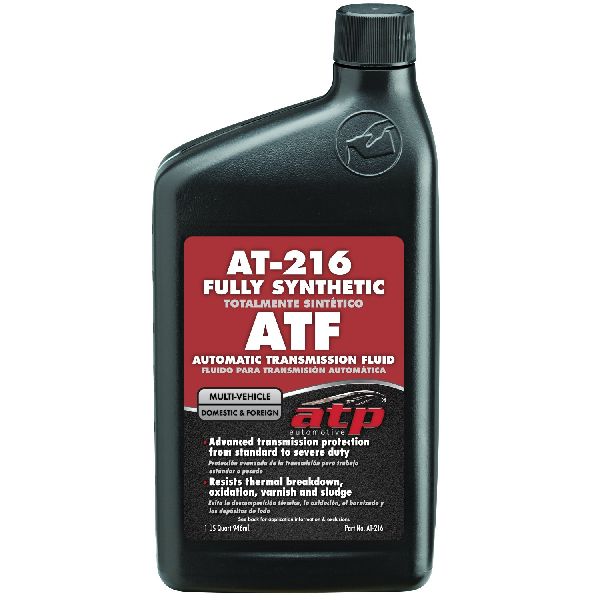
Est. part cost: $250-$550 for a remanufactured TEHCM/valve body assembly. - Low or Dirty Transmission Fluid 🔴 High Probability → Shop Transmission Assembly Fluid breaks down over time and can become contaminated with clutch material. If the level is low, it can't create enough hydraulic pressure for the solenoids to function correctly. The 6L80 requires Dexron VI fluid.
How to confirm: Check the transmission fluid level and condition. The fluid should be bright red and clear, not brown, black, or smelling burnt. Many of these trucks lack a traditional dipstick, requiring a check at the fill plug on the side of the transmission while at operating temperature.
Typical fix: Perform a transmission fluid and filter change using the correct Dexron VI fluid. This is often the first and most cost-effective step.
Est. part cost: $80-$160 - Transmission Valve Body Issue 🟡 Medium Probability → Shop Transmission Valve Body Debris from contaminated fluid or normal wear can clog the small passages within the valve body, or cause valves to stick. Some TSBs point to issues with torn screens on the valve body spacer plate causing valves to stick.
How to confirm: This is typically diagnosed after confirming fluid/wiring are good and solenoid replacement hasn't fixed the issue. Inspection requires removing the valve body. Sometimes check balls shrink and pass through the separator plate, causing pressure loss.
Typical fix: Clean, rebuild with an update kit (e.g., Sonnax Zip Kit), or replace the transmission valve body, often as an assembly with the TEHCM.
Est. part cost: $300-$800 - Wiring or Connector Issue 🟡 Medium Probability The internal wiring harness within the TEHCM can fail. Externally, the main connector to the transmission can become loose, corroded, or damaged from heat and vibration, leading to a poor connection.
How to confirm: Visually inspect the external wiring harness and the main transmission connector for damage. The internal harness is part of the TEHCM and is checked during its replacement.
Typical fix: Repair the damaged section of external wire or replace the connector. If internal, the TEHCM must be replaced.
Est. part cost: $20-$200
Rare But Worth Checking
- Faulty Transmission Control Module (TCM): → Shop Transmission Assembly A TCM failure is possible but rare as a standalone issue, because on the 6L80, the TCM is integrated into the TEHCM. Therefore, a 'bad TCM' diagnosis almost always necessitates replacing the entire TEHCM unit. A failing TEHCM often presents with multiple, erratic codes, not just P0761.
- Cracked 1-2-3-4 / 3-5-R Clutch Housing: GM TSB 09-07-30-004J mentions that a cracked clutch housing can cause various shift issues and codes, including slips and delayed engagements. While P0761 is not directly listed in this specific TSB, the related symptoms overlap, making it a potential underlying mechanical cause for the electrical code.
Diagnosis Steps
- Check the transmission fluid level and condition. On the 6L80, this is done via a fill plug on the side of the case, not a dipstick. If low, top it off with Dexron VI. If dirty or burnt, a fluid and filter change is necessary.
- Use an OBD-II scanner to check for other transmission-related codes, which can help pinpoint a systemic issue.
- Use an advanced scan tool to command Shift Solenoid 'C' (SS3) on and off to check its functionality electronically.
- Visually inspect the external transmission wiring harness and the main round connector for any signs of damage, corrosion, or loose connections.
- Drop the transmission oil pan to gain access to the internal components.
- Remove the valve body and the attached TEHCM assembly. 🎬 Watch: Step-by-step 6L80 TEHCM and valve body rebuild guide. The solenoids are part of this unit.
- Test the resistance of Shift Solenoid 'C' with a multimeter to see if it is within the specified range (typically 20-40 ohms for on/off solenoids).
- Inspect the valve body for debris, stuck valves, or damage to the separator plate screens.
- If the solenoid tests bad or the issue is indeterminate, replace the entire TEHCM/valve body assembly and program the new module to the vehicle's VIN.
Parts You'll Likely Need
- Transmission Control Module & Valve Body Assembly (TEHCM)
(OEM #Varies by year, e.g., 24256524, 24275873 (confirm with VIN))— This is the component directly identified by the code. On the 6L80, the solenoids, TCM, and valve body are often replaced as a single, pre-tested, remanufactured unit to ensure reliability.
Trusted brands: ACDelco (OEM Reman), Sonnax (Upgrade Kits), Street Smart Transmission
OEM price range: $400-$800
Aftermarket price range: $280-$550 - Transmission Fluid (Dexron VI) and Filter Kit — Low or contaminated fluid is a primary cause of solenoid performance issues. A fluid and filter change is required for the TEHCM replacement job.
Trusted brands: ACDelco Dexron VI
OEM price range: $80-$150
Aftermarket price range: $50-$100 - Transmission Pan Gasket — The gasket must be replaced anytime the transmission pan is removed to prevent leaks. Some are reusable, but replacement is best practice.
Trusted brands: Fel-Pro, ACDelco
OEM price range: $20-$50
Aftermarket price range: $15-$30
Related Codes That Often Appear With This One
- P0700 — P0700 is a general transmission fault code that indicates the TCM has stored a specific code, like P0761. It often appears as a precursor.
- P0751 — This code relates to Shift Solenoid 'A'. It's common to see codes for multiple solenoids if there is a widespread electrical issue within the TEHCM, a valve body problem, or severe fluid contamination.
- P0756 — This code relates to Shift Solenoid 'B'. Similar to P0751, its presence alongside P0761 points towards a more systemic issue rather than a single failed solenoid.
Technical Service Bulletins (TSBs) & Recalls
- PIP4379M: A general GM TSB that lists P0761 among many other codes related to reverse engagement or range inhibit conditions, suggesting it's part of a known pattern of transmission control faults.
- 09-07-30-004J: Details issues with slips, delayed engagement, and harsh shifts on 6L80 transmissions due to cracked 1-2-3-4 / 3-5-R clutch housings. This points to a potential underlying mechanical failure that could cause solenoid performance codes.
- 22-NA-258: Addresses a 'No Reverse' condition and DTCs like P0776 (Solenoid 2) caused by a torn screen on the valve body spacer plate, especially after cold weather events. This highlights the sensitivity of the valve body to debris and internal failures.
- 22-NA-182: Discusses harsh shifts, shudder, and overheating on 6L80 transmissions, which can be caused by twisted cooler lines or a faulty thermal bypass valve, leading to fluid breakdown and potential solenoid issues.
Platform-Specific Known Issues
- TEHCM Integration: → Shop Transmission Valve Body Unlike older transmissions with individual solenoids, the 2007 Denali's 6L80 integrates the solenoids, pressure switches, and TCM into a single unit called the TEHCM. A failure of one solenoid often requires the replacement and reprogramming of this entire expensive module.
- Cracked Clutch Housings: GM TSB 09-07-30-004J identifies a known issue with cracked 1-2-3-4 / 3-5-R clutch housings in 6L80 transmissions, leading to slips and engagement problems. While not directly linked to P0761, a severe internal hydraulic leak from this crack could potentially trigger a solenoid performance code.
- Torque Converter Clutch (TCC) Wear: → Shop Automatic Transmission Torque Converter A common issue on 6L80s is premature wear of the TCC, which contaminates the fluid with metallic debris. This debris can clog the fine passages in the valve body and damage the solenoids within the TEHCM, leading to codes like P0761.
Mechanic-Grade Diagnostic Values
- Shift Solenoid 'C' (On/Off type) resistance — expected: 20 - 40 ohms. Failure: A reading outside this range indicates a failed solenoid coil, requiring TEHCM replacement.
- Shift Solenoid 'C' (On/Off type) current draw — expected: 0.3 - 0.7 amps at 12 volts. Failure: Incorrect amperage draw signifies a faulty solenoid, necessitating TEHCM replacement.
- Valve Body Check Ball Diameter — expected: 0.250 inches (new). Failure: Balls can shrink to 0.180 inches or less, allowing them to get stuck in or pass through the separator plate, causing hydraulic leaks.
Hidden / Shadow Codes Worth Checking
- Multiple Solenoid & Pressure Switch Codes: While not a single shadow code, a key indicator of internal TEHCM failure is the simultaneous presence of multiple solenoid performance codes (e.g., P0751, P0756, P0761) and/or pressure switch codes. A single solenoid fault is possible, but a cluster of codes strongly suggests a failure of the common circuitry within the TEHCM itself. (see via Standard OBD-II scanner. The pattern, not a single code, is the diagnostic clue.)
Scan Tool Commands That Help
- GDS2 / Tech2 (or equivalent high-end scanner): Solenoid Automated Cleaning Process — If a solenoid performance DTC is present and debris is suspected, this function cycles all solenoids to attempt to flush contaminants before condemning the TEHCM. It may resolve intermittent issues.
- GDS2 / Tech2: Solenoid Test / Actuator Test — To command Shift Solenoid 'C' on and off while monitoring voltage or listening for a click. This helps isolate whether the fault is with the solenoid itself or the control circuit.
- J2534 Pass-Thru Device with GM Software: Module Programming/Setup — This is mandatory after replacing the TEHCM. The new module must be programmed with the vehicle's specific VIN and calibration files for the transmission to function.
Wiring & Ground Locations
- X1/J1 Connector (16-pin) — The main round electrical connector on the passenger side of the 6L80 transmission case.. This is the sole interface for power, ground, and data to the TEHCM. Corrosion or damage here can cause P0761 and other codes.
- Pin 5 at X1/J1 Connector — Within the 16-pin transmission connector.. This is the primary ground circuit for the entire TEHCM. A poor connection on this pin or its corresponding chassis ground will cause erratic behavior and multiple faults.
- G110 (on GMT800 'Classic' models) — Located on the frame at the left front body mount.. This is a major chassis ground point for various modules on the 2007 'Classic' body style. While not exclusive to the transmission, poor contact here can contribute to system-wide electrical issues.
- Engine Block / Cylinder Head Grounds (GMT900) — Multiple ground straps and wires connect from the battery to the frame, and from the cylinder heads/engine block to the firewall/chassis.. The TEHCM relies on a stable system ground. Degraded engine or chassis grounds on the 2007 new body style can create voltage drops and electrical noise, potentially affecting TCM operation.
Real Owner Repair Stories
- YouTube channel 'dcal' / Transmission Technician (2007 Cadillac Escalade with 6L80E transmission) — Vehicle would not move when put in Drive, as if in neutral.
❌ Tried (didn't work) Initial diagnosis pointed towards a potential major failure.
✅ What actually fixed it Upon valve body disassembly, the #1 check ball was found to have shrunken and become lodged in the separator plate, causing a complete loss of forward hydraulic pressure. Replacing the small plastic check ball restored normal operation. - Reddit user in r/transmission (2011 Chevy Suburban with 6L80 transmission) — After a DIY valve body rebuild (Sonnax kit, new separator plate), the transmission shifted much worse, with harsh TCC engagement, lack of power, overheating, and a new code P0797 (Pressure Control Solenoid 'C' Stuck On).
❌ Tried (didn't work) Installed a Sonnax Zip Kit, TransGo clutch selectors, and updated the 7-check-ball separator plate to the newer 8-check-ball version.
✅ What actually fixed it The story highlights the complexity of valve body work. The user's problem was unresolved but pointed towards a potential mismatch between the new hardware (8-ball plate) and the existing TEHCM programming, suggesting a TCM relearn or reflash was the necessary next step. This serves as a cautionary tale about component compatibility.
"I Checked Everything" — The Actual Cause
- The equivalent for this code is 'solenoid electrical tests pass, but the code returns.' A common reason is a purely mechanical or hydraulic issue within the valve body that the TCM interprets as a solenoid performance fault. A prime example is a shrunken plastic check ball (specifically the #1 ball for forward gears) getting stuck in the separator plate. The solenoid's electrical resistance will test perfectly fine, but the hydraulic circuit it controls cannot build pressure, causing the TCM to flag the solenoid as 'stuck off'.
OEM Part Supersession History
24256524, 24256939, 24257213, 24275873 (among others)→Varies by year and calibration. Aftermarket example: Sonnax GM6L-TEHCM-C6.— Revisions to address common failure points in circuitry and solenoids. Remanufactured units often feature upgraded components compared to the original OE part.
Heads up: TEHCMs are specific to year ranges and software calibrations (identified by a 'Tag ID'). Installing a TEHCM from a different year group (e.g., a 2012 module in a 2007 truck) will often result in a no-start condition, immediate limp mode, or other communication failures, even if it physically fits. Programming to the vehicle's VIN is always required.
Model Year Variations Within This Range
- 2007-2010 vs 2011+: Early 6L80 valve bodies (like those in the 2007 Sierra Denali) used a separator plate designed for seven check balls. Later designs updated this to an eight-check-ball plate. While parts may be 'updated', installing a later plate on an early valve body without understanding the hydraulic changes can lead to unpredictable shifting behavior or new DTCs.
Helpful Videos
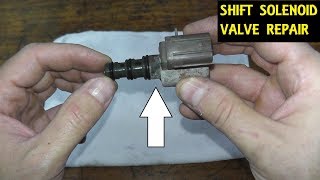
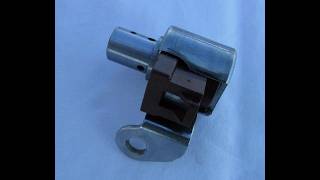
We Have This Part in Stock
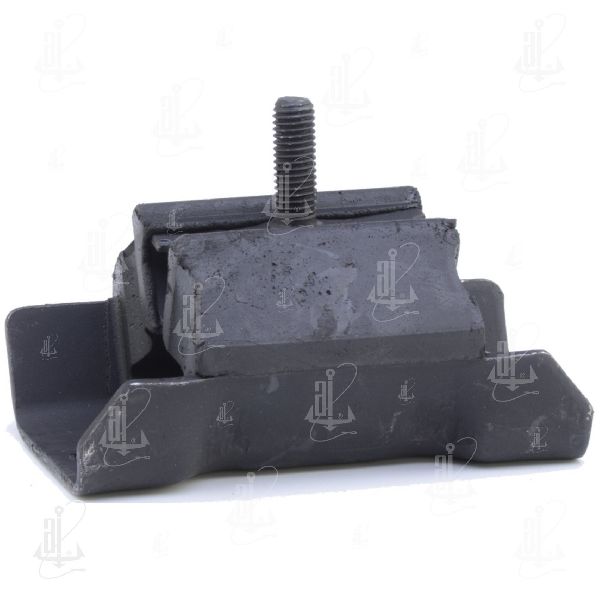


The information in this article is provided for general reference and educational purposes only. Vehicle specifications, procedures, and part compatibility can vary by production date, trim level, and region. Always consult your vehicle's factory service manual and verify part numbers before purchasing or performing repairs. Safety-critical components such as airbags, seat belts, and braking systems should be installed by a qualified professional.
- Gmc SIERRA DENALI:
- 🧭 Diagnostic Flowchart
- 🎬 Helpful Videos
- 🛍️ Shop This Part
- What's Unique About the 2003-2007 Gmc SIERRA DENALI
- Symptoms You May Notice
- Most Likely Causes
- Rare But Worth Checking
- Diagnosis Steps
- Parts You'll Likely Need
- Related Codes That Often Appear With This One
- Technical Service Bulletins (TSBs) & Recalls
- Platform-Specific Known Issues
- Mechanic-Grade Diagnostic Values
- Hidden / Shadow Codes Worth Checking
- Scan Tool Commands That Help
- Wiring & Ground Locations
- Real Owner Repair Stories
- "I Checked Everything" — The Actual Cause
- OEM Part Supersession History
- Model Year Variations Within This Range
- 🎟️ Get 5% Off