

P0761 on 2008-2012 GMC Sierra Denali: Shift Solenoid 'C' Causes and Fixes
On a 2008-2012 GMC Sierra Denali with the 6L80 transmission, code P0761 almost always points to an internal transmission issue. The most common culprits are a failed shift solenoid 'C' (part of the TEHCM), contaminated fluid causing valve body blockages, or a failing torque converter shedding debris. Diagnosis requires dropping the transmission pan to inspect the fluid, solenoids, and valve body. Repair often involves replacing the entire TEHCM (solenoid/TCM assembly) and addressing the root cau
- P0761 on your Sierra Denali is a serious transmission code indicating a problem with Shift Solenoid 'C'.
- The most common causes are a failed solenoid, dirty transmission fluid, or a blocked valve body, as confirmed by GM service bulletins.
- Do not continue to drive with this code, as it can lead to more severe and costly transmission damage.
- Repair is not a simple DIY fix for most people and should be handled by a professional, as it involves working inside the transmission.
- Always address the quality of the transmission fluid when replacing a solenoid to prevent a repeat failure.
What's Unique About the 2008-2012 Gmc SIERRA DENALI
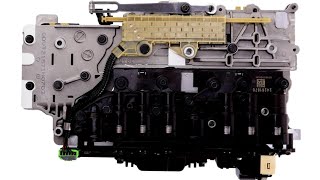
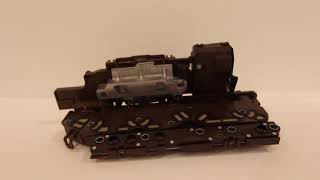
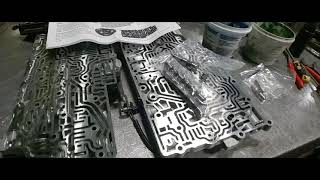
The GMC Sierra Denali from this era uses the GM 6L80 6-speed automatic transmission. A critical design feature of the 6L80 is the placement of the TCM and all solenoids into a single, non-serviceable unit called the TEHCM, which is mounted to the valve body inside the transmission. This means a single solenoid failure often requires replacing the entire expensive TEHCM assembly. Furthermore, as highlighted in Technical Service Bulletins (TSBs) like PIP5100A, these transmissions are sensitive to fluid contamination. Debris from a failing torque converter 🎬 Watch: A deep dive into the real causes of 6L80 failure. or even from aftermarket spin-on filters can clog the small orifices in the valve body separator plate, leading to hydraulic pressure loss and triggering codes like P0761.
Diagnostic Flowchart
Tap your situation to follow the diagnostic path that matches what you're seeing on this vehicle.
Symptoms You May Notice
- Check Engine Light is on
- Harsh, delayed, or erratic shifting
- Vehicle gets stuck in one gear (limp mode)
- Inability to shift into certain gears, particularly the 3-4 or 4-5 shift
- Vehicle won't move in forward or reverse (as noted in TSBs PIP5100A & PIP5100)
- Increased fuel consumption
- Transmission overheating
- Slamming or hard engagement when shifting from Park to Drive or Reverse
- Replacing only the TEHCM/solenoid pack without addressing the root cause of contaminated fluid. If debris from a failing torque converter caused the first solenoid to fail, it will quickly destroy the new one as well.
- Performing a simple fluid flush. A flush may not be powerful enough to dislodge packed-in debris from the valve body separator plate and can sometimes make the problem worse by circulating large particles.
Most Likely Causes
- Failed Shift Solenoid 'C' / Faulty TEHCM 🔴 High Probability → Shop Transmission Valve Body The solenoids are integrated into the TEHCM, which is submerged in hot fluid and subject to vibration. Electrical failure of a single solenoid coil or its internal driver is common. Due to the integrated design, the entire TEHCM must be replaced.
How to confirm: After dropping the pan, the solenoid can be tested for resistance with a multimeter. A normal on/off shift solenoid should read between 20-40 ohms. However, a more definitive test involves using a scan tool to command the solenoid while checking for an audible click or using a special test plate (DT47825) to check for hydraulic function.
Typical fix: Replace the entire TEHCM (Transmission Electro-Hydraulic Control Module) assembly. The new TEHCM must be programmed to the vehicle's VIN.
Est. part cost: $400-$800 for the TEHCM assembly - Dirty or Low Transmission Fluid 🔴 High Probability → Shop Transmission Assembly The 6L80 is sensitive to fluid condition. Fluid breaks down from heat generated by towing or heavy use, and internal component wear (especially from the torque converter) creates metallic debris. This contamination is a primary cause of solenoid and valve body issues.
How to confirm: Check the transmission fluid level and condition. If the fluid is dark, smells burnt, or contains visible metallic particles on the dipstick or in the pan, it's contaminated and indicates internal wear.
Typical fix: Perform a transmission fluid and filter change. If significant debris is found, this is a temporary fix at best; the source of the debris (e.g., torque converter) must be identified and addressed, and the valve body and TEHCM may already be damaged.
Est. part cost: $75-$200 - Contaminated or Blocked Transmission Valve Body 🟡 Medium Probability → Shop Transmission Valve Body As noted in TSBs PIP5100 and PIP5100A, fine metallic or fibrous debris can easily block the small orifices in the valve body separator plate, preventing proper fluid flow and causing pressure issues that trigger P0761. This is a well-documented failure pattern for the 6L80.
How to confirm: Visual inspection of the valve body and separator plate after removal. The separator plate orifices will be visibly clogged with a grey, metallic paste-like substance.
Typical fix: Remove, disassemble, and meticulously clean the valve body and separator plate. In many cases, a remanufactured valve body with updated components is a more reliable repair. If cleaning, the separator plate should be replaced.
Est. part cost: $300-$900 for a remanufactured valve body - Wiring or Connector Issues ⚪ Low Probability The main transmission case connector can be damaged or corroded, but internal harness failure is more common. The internal harness is part of the TEHCM assembly, so this fault leads back to replacing the TEHCM.
How to confirm: Inspect the main wiring harness connector at the transmission for damage or corrosion. Test the circuit for continuity and shorts from the external connector to the main vehicle computer, though this won't isolate an internal TEHCM fault.
Typical fix: Repair the damaged section of external wiring or replace the TEHCM if the fault is internal to its harness.
Est. part cost: $100-$800
Rare But Worth Checking
- Failing Torque Converter: → Shop Automatic Transmission Torque Converter This is often the root cause of the 'Contaminated Fluid' issue. The torque converter clutch can shed its lining, sending a large amount of metallic debris throughout the transmission, which clogs the filter, valve body, and solenoids. A P0761 code is often a symptom of this larger failure.
- Faulty Transmission Control Module (TCM): → Shop Transmission Assembly This is a common failure, but it's important to understand the TCM is part of the TEHCM on a 6L80. The driver circuit for solenoid 'C' can fail, but since it's integrated, the entire TEHCM unit must be replaced. It's not a separate, standalone module.
Diagnosis Steps
- Check the transmission fluid level and condition. Note any burnt smell or discoloration. Rub a small amount between your fingers to feel for grit or metallic particles.
- Scan the TCM for all stored trouble codes. Note any other codes that are present, as they can point to a larger issue.
- Using a professional scan tool, monitor the commanded state and feedback for Shift Solenoid 'C' during operation. Also, monitor transmission fluid temperature and torque converter slip.
- Drop the transmission oil pan and inspect for debris. A layer of grey, metallic sludge is a tell-tale sign of torque converter failure. Excessive metal shavings indicate a serious internal failure.
- Visually inspect the internal TEHCM unit 🎬 Watch this must-see guide on how to remove the TCM. for any obvious damage or debris on the solenoid screens.
- Test the resistance of the shift solenoids at the TEHCM connector pins. On/Off solenoids (like Shift Solenoids 1 & 2) should be 20-40 Ohms. The other pressure control solenoids should be 3-8 Ohms. P0761 relates to a pressure control solenoid.
- If the solenoid and wiring test good, the next step is to remove and inspect the valve body and its separator plate for scoring, sticking valves, or blocked passages as indicated by GM TSBs.
Parts You'll Likely Need
- Transmission Control Module (TEHCM)
(OEM #24256523 (verify by VIN))— This single assembly contains the TCM and all shift solenoids. A failure of Solenoid 'C' or its driver circuit requires replacing the entire unit. This is the most common definitive fix.
Trusted brands: ACDelco (OEM)
OEM price range: $400-$800
Aftermarket price range: $350-$600 (Remanufactured) - Transmission Valve Body
(OEM #24282679 (verify by VIN))— If cleaning doesn't resolve blockages or if the body itself is warped or damaged, replacement is necessary. TSBs point to blockages in this area. Often replaced as an assembly with the TEHCM.
Related Codes That Often Appear With This One
- P0751 — Shift Solenoid 'A' fault. Often appears with other solenoid codes when there is a widespread electrical (TEHCM failure) or hydraulic (fluid contamination) issue.
- P0756 — Shift Solenoid 'B' fault. Similar to P0751, its presence suggests a problem affecting multiple solenoids, like bad fluid or a failing TEHCM.
- P0700 — Transmission Control System Malfunction. This is a generic code indicating the TCM has stored a specific fault, like P0761. It's the master light for a transmission problem.
- P0877 — Transmission Fluid Pressure Sensor/Switch 'D' Circuit Low. This code is listed alongside P0761 in TSBs PIP5100A and PIP5100, indicating a related hydraulic pressure problem caused by the same valve body blockages.
Technical Service Bulletins (TSBs) & Recalls
- PIP4379M: Lists P0761 with other codes related to shifting problems and recommends following standard diagnostics.
- PIP5100A: Connects P0761 to a no-move condition caused by blocked valve body orifices from aftermarket filter debris.
- PIP5100: Links P0761 to a no-move condition due to debris in valve body separator plate orifices.
Platform-Specific Known Issues
- Technical Service Bulletin PIP5100A notes that vehicles may not move and can set code P0761 due to blocked valve body separator plate orifices, sometimes caused by material from an aftermarket spin-on filter.
- Technical Service Bulletin PIP4379M lists P0761 among a group of codes that can be set due to various internal transmission faults causing issues with reverse engagement or shifting.
- Owner Experience: A common story on forums involves the truck suddenly developing a harsh 1-2 shift or refusing to shift past 2nd or 3rd gear. Upon inspection, the pan is found coated with a fine, grey metallic paste. The fix often requires a new torque converter, a new TEHCM, a thorough valve body cleaning or replacement, and a complete fluid flush of the cooler lines.
Mechanic-Grade Diagnostic Values
- Shift Solenoid (On/Off type, e.g., SS1, SS2) resistance — expected: 20-40 Ohms. Failure: A reading outside this range indicates a failed solenoid coil.
- Pressure Control Solenoid (PWM type, e.g., PCS1-5, TCC) resistance — expected: 3-8 Ohms (some sources state 5-6 Ohms). Failure: A reading outside this range indicates a failed solenoid coil.
- Pressure Control Solenoid (PWM type) current draw at 12V — expected: 1.5–4.0 amps. Failure: Incorrect amperage indicates a failed solenoid.
- Transmission line pressure at idle in gear — expected: 45-80 psi. Failure: Significantly lower pressure can indicate pump issues, major leaks, or blockages mentioned in TSBs.
Scan Tool Commands That Help
- GM Tech 2 / GDS2: Solenoid Automated Cleaning Process — This is a GM-specific function to use when a solenoid performance DTC like P0761 is present. The tool commands the TEHCM to cycle all solenoids in a specific sequence to dislodge small amounts of debris. This should be attempted before replacing the TEHCM.
- GM Tech 2 / GDS2 with DT-47825 Test Plate: Solenoid Air Bench Test — With the TEHCM removed and connected to a special test plate and shop air, this command allows a technician to individually activate each solenoid and check for proper air pressure response on a gauge. It definitively confirms if a solenoid is mechanically stuck or hydraulically weak.
- ACDelco TIS2Web with J2534 Interface: TEHCM Programming/Flashing — This is required after replacing the TEHCM. The new module must be programmed with the vehicle's specific VIN and the latest GM calibration software to ensure correct operation.
Wiring & Ground Locations
- Transmission Case Connector (X2 / 16-pin) — On the passenger side of the transmission case, this is the main electrical connection between the vehicle's wiring harness and the internal TEHCM.. This connector provides all power, ground, and communication signals to the TEHCM. Corrosion or damage to pins for power (Pin 15, Battery Positive Voltage) or ignition (Pin 16, Ignition Voltage) can cause various TEHCM-related codes, including P0761.
- Brake Pedal Position (BPP) Switch Signal — The signal originates at the brake pedal switch and is sent to the ECM/TCM via the main harness.. The TCM uses the brake signal for torque converter clutch (TCC) control. While not a direct cause of P0761, a faulty brake signal can cause related TCC issues and is a critical input for overall transmission strategy. The wire is typically Light Blue.
Real Owner Repair Stories
- Tahoe Yukon Forum (2007 GMC Yukon Denali 6.2L with Gen 1 6L80) — Not specified, but user was performing a valve body overhaul.
✅ What actually fixed it During a valve body rebuild, the user contemplated upgrading the separator plate from the original part number to a newer design (24245720) mentioned in a Sonnax kit. After calling Sonnax, they were advised that the newer plate should ONLY be installed if a corresponding clutch select valve spring kit is also installed, otherwise it will cause issues and set trouble codes. The user opted to reinstall the same part number plate they removed to avoid problems. - Reddit r/MechanicAdvice (2011 Chevy Suburban with 6L80) — After a DIY valve body rebuild, the transmission acted much worse: harsh TCC engagement/disengagement, lack of power, overheating to 220°F, and a new P0797 code (Pressure Control Solenoid 'C' Stuck On).
❌ Tried (didn't work) The user installed a Sonnax zip kit, TransGo clutch valve selectors, new TEHCM filter plate, and new pressure switch membranes. They also 'upgraded' the valve body separator plate from the original 7-check-ball design to the newer 8-check-ball design.
✅ What actually fixed it The problem was unresolved in the thread, but the user's experience serves as a critical warning. The issue was almost certainly caused by installing the updated 8-check-ball separator plate without the correct corresponding valve body modifications or TCM calibration, leading to incorrect hydraulic pressures and the P0797 code (the opposite of P0761, but related to the same solenoid).
OEM Part Supersession History
24256523 (TEHCM only, mentioned in pass 2)→24287420 (Full assembly with valve body), which is then superseded by 24041956.— GM often supersedes parts to incorporate design updates. In this case, the TEHCM is now commonly sold as a complete, pre-assembled unit with the valve body to ensure compatibility and reduce installation errors.
Heads up: The primary incompatibility is between different generations of separator plates and valve bodies. For example, a 2010+ 'Type 2' separator plate cannot be used on a 2008 'Type 1' valve body without other modifications, as it will cause hydraulic cross-leaks and codes.
Model Year Variations Within This Range
- 2008-2009 vs 2010-2012: The valve body separator plate design changed. Early models (Gen 1 / Type 1) used a plate with three notches for identification and 7 check balls. In 2010, GM introduced the 'Type 2' plate. While they may look similar, orifice sizes and fluid paths were altered. Using the wrong plate for the model year can cause significant hydraulic issues and trigger solenoid performance codes.
Helpful Videos
We Have This Part in Stock


The information in this article is provided for general reference and educational purposes only. Vehicle specifications, procedures, and part compatibility can vary by production date, trim level, and region. Always consult your vehicle's factory service manual and verify part numbers before purchasing or performing repairs. Safety-critical components such as airbags, seat belts, and braking systems should be installed by a qualified professional.
- Gmc SIERRA DENALI:
- 🧭 Diagnostic Flowchart
- 🎬 Helpful Videos
- 🛍️ Shop This Part
- What's Unique About the 2008-2012 Gmc SIERRA DENALI
- Symptoms You May Notice
- Most Likely Causes
- Rare But Worth Checking
- Diagnosis Steps
- Parts You'll Likely Need
- Related Codes That Often Appear With This One
- Technical Service Bulletins (TSBs) & Recalls
- Platform-Specific Known Issues
- Mechanic-Grade Diagnostic Values
- Scan Tool Commands That Help
- Wiring & Ground Locations
- Real Owner Repair Stories
- OEM Part Supersession History
- Model Year Variations Within This Range
- 🎟️ Get 5% Off