

P0761 on 2009-2015 Toyota Venza 3.5L V6: Shift Solenoid 'C' Performance Fixes
On a 2009-2015 Venza V6, P0761 most often points to low or dirty transmission fluid or a failed Shift Solenoid 'C' (also called SL3). A fluid service may fix it, but if not, expect to replace the solenoid inside the transmission pan. The OEM part costs around $190-$280. This is a common issue on the U660E transmission shared by many Toyota and Lexus models.
- P0761 on a Venza V6 points to a problem with Shift Solenoid 'C' (SL3) in the U660E transmission.
- Always start diagnosis by checking the level and condition of the Toyota WS transmission fluid. This simple step can sometimes resolve the issue.
- The repair almost always requires dropping the transmission pan. The most common fix is replacing the SL3 solenoid.
- Due to the complexity and need for cleanliness, this repair is recommended for professional mechanics or experienced DIYers.
- Ensure you correctly identify the SL3 solenoid on the valve body before replacement; there are seven solenoids in total.
What's Unique About the 2009-2015 Toyota Venza
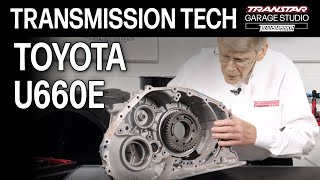
The Toyota Venza with the 3.5L V6 engine is equipped with the Aisin-built U660E 6-speed automatic transmission. This is a very common transmission shared with other popular Toyota and Lexus models like the Camry, Highlander, Sienna, Avalon, and Lexus ES350/RX350. For this specific transmission, Shift Solenoid 'C' is technically referred to as solenoid 'SL3', which controls the B1 Brake clutch pack. While the U660E is generally reliable, it is known to be sensitive to the condition and level of the transmission fluid. Failures of individual linear solenoids like the SL3 are a documented issue as the vehicle ages, often due to contamination in the fluid or simple electrical failure after many heat cycles.
Symptoms You May Notice
- Check Engine Light is on
- Transmission Warning Light is on
- Harsh, delayed, or erratic shifting
- Transmission fails to shift into or out of a specific gear
- Vehicle feels stuck in one gear (fail-safe or 'limp' mode)
- Reduced fuel economy
- Loss of power and poor acceleration
- Transmission slipping between gears
- Replacing the shift solenoid without first checking the transmission fluid level and condition.
- Replacing the entire transmission when only a fluid service or a single solenoid was needed.
- Replacing the wrong solenoid. The U660E has multiple solenoids on the valve body; correct identification of SL3 is critical.
- Assuming the solenoid is bad when the internal wiring harness is the actual point of failure.
Most Likely Causes
- Low or Dirty Transmission Fluid 🔴 High Probability → Shop Transmission Assembly The U660E transmission is sensitive to fluid condition and level. Toyota's 'World Standard' (WS) fluid is marketed as 'lifetime' fluid, which can lead to neglect. Over time, the fluid degrades and can't provide the necessary hydraulic pressure, or contaminants can clog solenoid passages, causing them to stick.
How to confirm: Check the transmission fluid level and condition. The Venza does not have a traditional dipstick; the level must be checked via an overflow plug procedure. According to Toyota Service Bulletin T-SB-0036-13, the fluid temperature must be between 85°C – 90°C (185°F – 194°F) to get an accurate reading. If the fluid is dark brown/black, smells burnt, or contains metal particles, it needs service.
Typical fix: Perform a transmission fluid drain-and-fill or a full fluid exchange using Toyota Genuine ATF WS (World Standard) fluid. A simple drain-and-fill may be sufficient to resolve the issue if caught early.
Est. part cost: $70-$150 for fluid - Failed Shift Solenoid 'C' (SL3) 🟡 Medium Probability → Shop Transmission Valve Body Solenoids are electro-hydraulic valves that can fail electrically (coil burns out) or mechanically (valve gets stuck from debris) after many cycles and exposure to hot transmission fluid. This is a known failure point on U660E transmissions.
How to confirm: After dropping the transmission pan, locate the SL3 solenoid on the valve body. Test its resistance with a multimeter; it should be between 5.0 and 5.6 ohms. A reading outside this range indicates failure. A professional can also command the solenoid with a scan tool (like Toyota Techstream) to listen for an audible click and check for a voltage change.
Typical fix: Drain the transmission fluid, remove the pan, identify and replace the faulty SL3 solenoid, and refill with new fluid. It is often sold as a kit with a new wiring harness.
Est. part cost: $190-$280 for OEM, $50-$150 for aftermarket - Damaged Wiring or Connectors ⚪ Low Probability The wiring harness inside the transmission pan is submerged in hot fluid, which can make it brittle over time. The external harness is exposed to road debris and heat. Rodents have also been known to chew on external transmission wiring.
How to confirm: Visually inspect the external transmission wiring harness for damage, corrosion, or loose connections. After removing the pan, inspect the internal harness for brittleness, broken wires, or loose pins at the solenoid connector. Perform a continuity check from the TCM to the solenoid connector.
Typical fix: Repair the damaged section of the harness or replace the connector. In some cases, the entire internal harness may need replacement, which is often sold as part of a solenoid kit.
Est. part cost: $50-$250 depending on the extent of damage
Rare But Worth Checking
- Clogged Valve Body Passages: → Shop Transmission Valve Body If the transmission fluid is extremely dirty or contains clutch material, the tiny passages within the valve body can become blocked. This prevents the solenoid from functioning even if it's electrically sound and may require a valve body cleaning or replacement.
- Faulty ECM/TCM: It is rare for the Engine or Transmission Control Module to fail, but it can happen. This should be the last consideration after all other possibilities have been ruled out. This fault usually presents with multiple other codes and may require a reflash or replacement by a professional.
- Major Internal Transmission Failure: → Shop Transmission Assembly If a large amount of metal shavings are found on the pan magnets, it points to a more severe mechanical failure, such as a damaged clutch pack or bearing. In these cases, a single solenoid replacement will not fix the root problem and a transmission rebuild or replacement is likely necessary.
Diagnosis Steps
- Read the code with an OBD-II scanner and check for any other related transmission codes, especially P2714.
- Check the transmission fluid level and condition. This requires a specific procedure on the U660E as there is no dipstick. The fluid must be at a specific temperature (85°C-90°C or 185°F-194°F) to check the level via the overflow plug.
- If the fluid is low, top it off, clear the code, and test drive. If the fluid is very dark or burnt, perform a drain-and-fill service and replace the filter.
- Inspect the external wiring harness and connectors leading to the transmission for any visible signs of damage, corrosion, or loose connections.
- If the issue persists, drain the transmission fluid and remove the transmission oil pan.
- Inspect the magnets in the bottom of the pan for excessive metal shavings, which would indicate a more severe internal mechanical failure.
- Locate Shift Solenoid 'SL3' on the valve body. A TSB (TC005-06) can help with identification.
- Disconnect the solenoid and measure its resistance using a multimeter. It should be between 5.0 and 5.6 ohms at 68°F (20°C). If it's an open circuit or out of spec, it needs replacement.
- If the solenoid tests good, inspect the internal wiring harness for damage, paying close attention to the connector and wires leading to the SL3 solenoid.
- If the solenoid and wiring are good, the issue may be a blockage in the valve body or a more complex internal transmission problem requiring professional diagnosis.
Parts You'll Likely Need
- Automatic Transmission Control Solenoid (SL3)
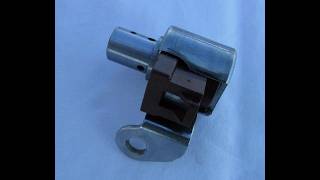
(OEM #35210-33030)— This is the specific linear solenoid (SL3) that controls the B1 brake clutch and is identified as 'Shift Solenoid C' by the diagnostic system. It is the most likely component to fail electrically or mechanically.
Trusted brands: Toyota (Genuine OEM), Aisin, Rostra, Standard Motor Products
OEM price range: $190-$280
Aftermarket price range: $50-$150 - Automatic Transmission Fluid (Toyota WS)
(OEM #00289-ATFWS)— This is the required fluid for the U660E transmission. A fluid and filter change is required when replacing the solenoid and is the first diagnostic step. Degraded fluid is a primary cause of this code.
Trusted brands: Toyota (Genuine OEM), Idemitsu TLS-LV, Valvoline MaxLife ATF
OEM price range: $10-$15 per quart
Aftermarket price range: $8-$12 per quart - Automatic Transmission Filter Kit
(OEM #35330-48020)— The filter should always be replaced whenever the transmission pan is removed for service to ensure clean fluid is circulating.
Trusted brands: Toyota (Genuine OEM), Beck/Arnley, Wix, ATP
OEM price range: $40-$60
Aftermarket price range: $20-$40
Related Codes That Often Appear With This One
- P2714 - Pressure Control Solenoid 'D' Performance/Stuck Off: On Toyota platforms with the U660E/AB60F transmissions, P0761 is very frequently seen alongside P2714. This combination strongly suggests a hydraulic issue stemming from old fluid or a clogged valve body, rather than two simultaneously failed solenoids. —
Technical Service Bulletins (TSBs) & Recalls
- TC005-06: This technical service bulletin provides a detailed chart and diagrams for correctly identifying the seven different solenoids within the U660E transmission, which is critical for ensuring the correct part is replaced.
- T-SB-0036-13: This bulletin details the specific procedure for checking the World Standard (WS) automatic transmission fluid level on U660E/U760E transmissions, including the critical fluid temperature range of 85°C-90°C (185°F-194°F).
Mechanic-Grade Diagnostic Values
- Shift Solenoid 'C' (SL3) Resistance — expected: 5.0 - 5.6 Ohms at 20°C (68°F). Failure: A reading outside of this range (e.g., open circuit or significantly higher/lower resistance) indicates a failed solenoid coil.
Scan Tool Commands That Help
- Toyota Techstream: Active Test: Control the Shift Position — This function allows a technician to command specific gear shifts while driving (under 50 km/h) to see if the transmission responds correctly. Comparing the commanded gear to the actual gear helps confirm if the SL3 solenoid is mechanically stuck or failing to actuate.
- Toyota Techstream: Utility: Reset Memory (or A/T Code Reset) — This function must be performed after replacing the valve body or any shift solenoid (including SL3). It clears the transmission's adaptive learning values, allowing the TCM to relearn shift points and pressures with the new component. Failing to do this can result in continued poor shifting even after the repair.
Wiring & Ground Locations
- Transmission Main Harness Connector — The main electrical connector is located on the exterior of the U660E transmission case. The internal harness for the solenoids connects to this point from inside the pan.. This is the primary point for checking continuity from the TCM to the solenoid circuit without dropping the pan. Corrosion or damage to the pins in this external connector can cause an open or short in the SL3 solenoid circuit, triggering P0761.
- Engine Compartment Ground Points — For a 2013 Venza, a key ground distribution point is located on the left side of the engine compartment, connected to the engine room junction block. Specific ground points for the ECM/TCM are detailed in the vehicle's electrical wiring diagram.. A poor ground connection for the Engine Control Module (ECM) or Transmission Control Module (TCM) can cause erratic behavior and incorrect voltage readings for all sensors and actuators, including the shift solenoids. Verifying clean and tight grounds is a crucial step in diagnosing any electronic fault code.
Real Owner Repair Stories
- Toyota Tundra Forum user (2008 Toyota Sequoia (shares U660E family transmission), 241k miles) — Vehicle would not shift above 3rd gear and would enter limp mode, especially on a cold start. Threw codes P2714 and P0761.
❌ Tried (didn't work) Clearing codes would temporarily fix the issue until the next cold start. Fluid was dark but had minimal shavings.
✅ What actually fixed it The owner replaced the entire valve body assembly, which included all new solenoids. This resolved the shifting issue. - Toyota Tundra Forum user (2008 Toyota Tundra, ~200k miles) — Intermittently throwing codes P0761 and P2714. Shifting was fine 90% of the time.
❌ Tried (didn't work) A transmission shop replaced the solenoids, but the codes returned. The shop then replaced the valve body, and the codes still returned a week later.
✅ What actually fixed it The final resolution was not posted in the thread, but the user's experience highlights that even replacing the entire valve body and solenoids is not a guaranteed fix, suggesting the issue can sometimes be a more complex internal leak or a problem external to the transmission (wiring/TCM).
OEM Part Supersession History
35210-73010→35210-33030— Part number consolidation and potential minor revision by Toyota.
Heads up: The new part number (35210-33030) is the correct and current replacement for the original.
Model Year Variations Within This Range
- 2009-later: Starting in the 2009 model year, the U660E transmission family received a revised valve body separator plate where two check balls (#6 and #7) were eliminated. While this doesn't directly cause P0761, it's a critical detail for anyone rebuilding the valve body to ensure the correct plate and check ball configuration is used for the specific year.
Diagnostic Flowchart
Other Known Issues on This Vehicle
Issues unrelated to this code that are worth knowing about as an owner of this generation:
- VVT-i Cam Gear Rattle on Cold Start 🟠 Medium — Common on earlier 2GR-FE engines. A brief rattle for 1-2 seconds on a cold start. Can eventually lead to gear failure if it becomes a continuous noise. (Ref: T-SB-0094-09)
- Rubber Engine Oil Cooler Line Leak/Rupture 🔴 High — Affects V6 models equipped with the tow package. The original rubber lines are prone to leaking or bursting, which can cause rapid oil loss and catastrophic engine failure. Many have been replaced with an all-metal line under a warranty enhancement program (ZE2). FWD models may not have this cooler. (Ref: LSC ZE2 / T-SB-0201-11)
- Steering Column Rattle or Pop Noise 🟡 Low — A rattle or pop noise may be heard from the steering column when turning at low speeds or driving on rough surfaces. It is often caused by a failed damper/coupling inside the column, not the expensive steering rack itself. (Ref: T-SB-0005-11 / T-SB-0015-13)
- Water Pump Leak 🟠 Medium — The water pump on the 2GR-FE engine can develop coolant leaks, typically between 80,000 and 130,000 miles. Replacement can be labor-intensive due to the transverse engine layout.
Used vs. New Parts: Buying Guide for This Vehicle
When a used part is the smart pick: A complete used valve body assembly from a low-mileage donor vehicle can be a cost-effective alternative to buying a new OEM solenoid, especially if the issue is suspected to be a worn valve body bore and not just the solenoid. Given the high cost of a new valve body, a used unit is a common repair strategy.
Donor-vehicle mileage cap: roughly under 80000 miles for the part to have meaningful remaining life.
What to inspect on the donor part:
- Verify the donor vehicle's mileage. Aim for a donor under 80,000 miles if possible.
- Ask for the VIN of the donor car to confirm it had a U660E transmission and matches the model year range.
- Inspect the fluid color from the donor transmission if possible. Avoid parts from transmissions with dark, burnt fluid.
- Buy from a reputable salvage yard that offers a short-term warranty (e.g., 30-90 days) to protect against a dead-on-arrival part.
OEM-only on this vehicle (don't cheap out):
- Transmission Control Module (TCM): If the TCM is diagnosed as faulty, a new or professionally remanufactured OEM unit is required due to the need for VIN-specific programming.
Aftermarket brands forum-validated for this vehicle:
- Aisin: Aisin is the original equipment manufacturer (OEM) for the transmission itself, so their branded solenoids are identical to Toyota Genuine parts but often cheaper.
- Rostra: A well-regarded aftermarket brand for transmission solenoids and wiring harnesses.
- Valvoline MaxLife ATF / Idemitsu TLS-LV: These are widely accepted in forums as suitable and more affordable alternatives to Toyota WS fluid.
Brands owners have reported issues with on this vehicle:
- Unbranded, no-name solenoids from online marketplaces can have high failure rates. While the price is tempting, forum discussions often feature stories of these parts failing shortly after installation, requiring the labor to be done a second time.
Real Owner Stories
Aggregated from forums and TSBs cited above. Mileages and costs reflect what owners reported in those sources.
Toyota Venza V6 (U660E Transmission)
Symptoms: Persistent shifting issues and the P0761 code being triggered.
What fixed it: Replacing the SL1, SL2, and SL3 solenoids as a complete set.
Source hint: ToyotaNation Forum
Toyota Venza V6 (U660E Transmission)
Symptoms: Erratic shifting and transmission codes.
What fixed it: A series of drain-and-fills using Toyota WS fluid to refresh the 'lifetime' fluid.
Source hint: ToyotaNation Forum
Related OBD-II Codes
Frequently Asked Questions
How do I check the transmission fluid level on my Venza since there is no dipstick?
Which solenoid do I need to replace for a P0761 code on the 3.5L V6 model?
What is the correct resistance for the SL3 solenoid in the U660E transmission?
Is there a specific type of transmission fluid I must use for my 2009-2015 Venza?
Could my P0761 code be caused by a known engine issue like the oil cooler line leak?
Helpful Videos

We Have This Part in Stock

The information in this article is provided for general reference and educational purposes only. Vehicle specifications, procedures, and part compatibility can vary by production date, trim level, and region. Always consult your vehicle's factory service manual and verify part numbers before purchasing or performing repairs. Safety-critical components such as airbags, seat belts, and braking systems should be installed by a qualified professional.
- Toyota Venza:
- 🧭 Diagnostic Flowchart
- 🎬 Helpful Videos
- 🛍️ Shop This Part
- What's Unique About the 2009-2015 Toyota Venza
- Symptoms You May Notice
- Most Likely Causes
- Rare But Worth Checking
- Diagnosis Steps
- Parts You'll Likely Need
- Related Codes That Often Appear With This One
- Technical Service Bulletins (TSBs) & Recalls
- Mechanic-Grade Diagnostic Values
- Scan Tool Commands That Help
- Wiring & Ground Locations
- Real Owner Repair Stories
- OEM Part Supersession History
- Model Year Variations Within This Range
- Other Known Issues on This Vehicle
- Used vs. New Parts: Buying Guide for This Vehicle
- Real Owner Stories
- Toyota Venza V6 (U660E Transmission)
- Toyota Venza V6 (U660E Transmission)
- Related OBD-II Codes
- Frequently Asked Questions
- 🎟️ Get 5% Off