

P0762 on 2020-2023 Ford Explorer: Shift Solenoid 'C' Stuck On Causes and Fixes
On the 2020-2023 Explorer, P0762 is rarely just a bad solenoid. It's a known issue with the 10-speed (10R60/10R80) transmission, often requiring a valve body replacement or internal CDF drum repair, guided by multiple Ford TSBs. This is a professional-level job costing $1,500-$4,000+.
- P0762 on a 2020-2023 Explorer is a serious code indicating a significant transmission problem, not just a simple sensor failure.
- The root cause is very likely a faulty main control valve body or an internal CDF clutch drum issue, as documented in numerous Ford TSBs.
- The first diagnostic step a dealer will likely take is to update the transmission software, as outlined in the TSBs.
- Do not simply replace the 'C' solenoid. The repair almost certainly requires a valve body replacement or a more intensive transmission teardown.
- This is not a DIY-friendly repair. It requires professional diagnosis and service at a qualified transmission shop or Ford dealership.
What's Unique About the 2020-2023 Ford EXPLORER
The 2020-2023 Explorer uses a 10-speed (10R60/10R80) automatic transmission that is known for experiencing harsh and delayed shifting issues. 🎬 Watch: A breakdown of Ford's harsh shifting TSB and fixes. While P0762 points to a specific solenoid, Ford has issued multiple Technical Service Bulletins (TSBs) indicating the root cause is often more complex. The problem is frequently traced to either sticking valves in the main control valve body or a well-documented manufacturing defect in the transmission's CDF clutch drum where an internal sleeve can move, causing hydraulic leaks. Therefore, a fix on this platform often involves a complete valve body replacement or a transmission-out repair to replace the CDF drum, rather than just a single solenoid.
Diagnostic Flowchart
Tap your situation to follow the diagnostic path that matches what you're seeing on this vehicle.
Symptoms You May Notice
- Harsh or delayed gear shifts, especially the 3-5 upshift or 7-6 downshift.
- Abrupt, clunking, or delayed engagement when shifting into Drive or Reverse. 🎬 See how a technician diagnoses delayed reverse on this platform.
- Transmission getting stuck in one gear (limp mode).
- Illuminated Malfunction Indicator Lamp (MIL) or wrench light.
- Vehicle shudders or jerks during shifts.
- A whining or clunking noise from the transmission.
- Feeling of the transmission 'slipping' or 'floating' between gears before slamming into the next one.
- Replacing only the 'C' shift solenoid without addressing the underlying valve body or CDF drum issue. The code and symptoms will likely return.
- Performing a fluid flush and expecting it to fix the problem. While good for maintenance, it will not repair a faulty valve body or a slipped CDF drum sleeve.
Most Likely Causes
- Main Control Valve Body Failure 🔴 High Probability → Shop Transmission Valve Body Ford TSBs (like 24-2046) for this transmission frequently identify sticking valves within the main control (valve body) as a primary cause of shifting issues and related codes, sometimes correctable with a software break-in procedure, but often requiring replacement.
How to confirm: A technician will use Ford's diagnostic software (FDRS) to run a 'Transmission Accelerated Main Control Break-In Routine'. If this fails to resolve the issue, or if pressure testing shows faults, the valve body is condemned.
Typical fix: Replacement of the entire main control valve body assembly, followed by programming the new solenoid strategy to the TCM using FDRS.
Est. part cost: $800-$1500 - CDF Clutch Cylinder Sleeve Failure 🔴 High Probability → Shop Automatic Transmission Coast Clutch Hub A widely documented design flaw in the 10R80. The bushings inside the CDF drum wear out, allowing the internal sleeve to 'walk' or move axially. This movement uncovers hydraulic ports, causing a significant pressure loss that triggers a wide range of shift codes, including P0762.
How to confirm: This requires transmission disassembly to physically inspect the CDF drum and its sleeve. Newer TSBs (like 24-2254) describe a pressure test procedure using a Pressure Vacuum Transducer Kit (Rotunda 164-R9833) to diagnose the leak without full disassembly, but this is an advanced dealer-level diagnostic.
Typical fix: The transmission must be removed and partially disassembled to replace the faulty CDF clutch cylinder/drum assembly with an updated part that has a machined lip to prevent the sleeve from moving. 🎬 Watch: A quick overview of the CDF drum replacement process.
Est. part cost: $400-$700 - Low or Contaminated Transmission Fluid 🟡 Medium Probability → Shop Transmission Assembly
How to confirm: Checking the fluid on the 10R60/10R80 is complex. The vehicle must be level, running, and the transmission fluid temperature must be between 206-215°F (96-101°C). A small dipstick is removed from a plug on the driver's side of the transmission case. The correct level for a 10R80 is between marks 5 and 6 on the numbered stick.
Typical fix: Perform a transmission fluid drain-and-fill or a complete fluid flush using the correct Motorcraft MERCON ULV fluid. Replace the transmission filter. This is often done as a first step but rarely solves the P0762 issue if it's caused by the valve body or CDF drum.
Est. part cost: $150-$300 - Faulty Shift Solenoid 'C' ⚪ Low Probability → Shop Transmission Valve Body While the code directly names the solenoid, on this platform it is more often a symptom of a larger hydraulic or mechanical issue within the valve body or CDF drum. The solenoid itself is part of the valve body assembly and is not typically replaced individually.
How to confirm: A technician can test the solenoid's resistance with a multimeter. The expected value for all 10R80 shift solenoids is 5.0-5.4 Ohms at 68°F (20°C). However, since the solenoid is integral to the valve body, this test is often moot as the entire assembly is replaced.
Typical fix: Replace the entire main control valve body assembly.
Est. part cost: $50-$150
Rare But Worth Checking
- PCM/TCM Software Glitch: Ford TSBs often list reprogramming the Powertrain Control Module (PCM) or Transmission Control Module (TCM) with the latest software as the first step, as logic errors can cause these symptoms. A dealer can perform this update.
- Wiring Harness Damage: An internal or external wiring short-to-power could cause the solenoid to remain energized. This is less common than the mechanical failures but should be inspected, especially for any signs of corrosion or physical damage to the transmission connectors.
Diagnosis Steps
- Check the transmission fluid level and condition using the specific temperature-dependent procedure (206-215°F). If low or dirty, perform a fluid and filter change with Motorcraft MERCON ULV.
- Use a professional scan tool (like Ford's FDRS) to check for all stored DTCs in the TCM and PCM.
- Compare the list of codes against Ford TSBs 24-2254 and 25-2302.
- If applicable, have a dealer perform the TSB, which typically starts with a PCM/TCM software update and an 'adaptive learning' reset or a 'Transmission Accelerated Main Control Break-In Routine'.
- If symptoms persist, advanced diagnosis is required. This involves using the Pressure Vacuum Transducer Kit (Rotunda 164-R9833) to pressure test the CDF clutch circuit as outlined in TSB 24-2254 to check for leaks.
- If pressure tests fail or are inconclusive, the next step is dropping the transmission pan to inspect and likely replace the main control valve body. This requires programming the new solenoid strategy to the PCM/TCM.
- If the valve body is replaced and issues continue, the final step is the removal and disassembly of the transmission to inspect and replace the CDF clutch drum assembly with the updated part.
Parts You'll Likely Need
- Main Control Valve Body Assembly
(OEM #L1MZ-7A100-K (Supersedes L1MZ-7A100-A, L1MZ-7A100-E))— This is one of the most common root causes of shifting issues on this platform, as identified in multiple Ford TSBs. It contains the solenoids and control valves.
Trusted brands: Motorcraft
OEM price range: $800-$1500
Aftermarket price range: $600-$1200 - CDF Clutch Drum Assembly
(OEM #JL3Z-7H351-B (Supersedes HL3Z-7H351-A, JL3Z-7H351-A))— A known mechanical failure point involving a moving sleeve that causes internal pressure loss, as documented by Ford TSBs. The replacement part is an updated design to prevent reoccurrence.
Trusted brands: Motorcraft
OEM price range: $400-$700 - Automatic Transmission Fluid
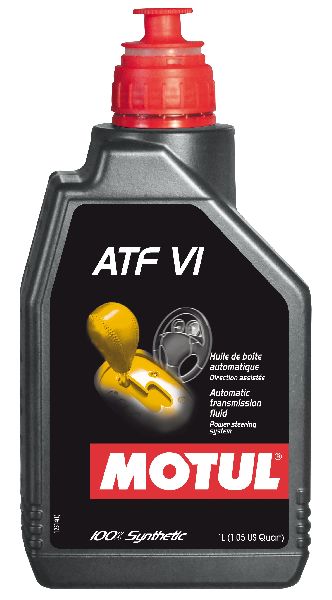
(OEM #Motorcraft MERCON ULV (Part # XT-12-QULV))— Any repair involving the valve body or internal components will require draining and refilling the transmission with this specific fluid.
Trusted brands: Motorcraft
OEM price range: $10-$15 per quart
Related Codes That Often Appear With This One
- P0751, P0756, P0761, P0766, P2700-P2708, etc. — These codes are all listed together in Ford's TSBs for the 10-speed transmission. Their appearance together strongly indicates the systemic valve body or CDF drum issue rather than an isolated solenoid failure, as they all relate to different clutch circuits being affected by the same root hydraulic problem.
Technical Service Bulletins (TSBs) & Recalls
- TSB 22-2428: A comprehensive TSB that supersedes many earlier ones. It outlines a full diagnostic path starting with software updates, then valve body inspection, and finally CDF drum inspection for a wide range of 10-speed vehicles, including the Explorer.
- TSB 25-2302: Specifically calls out harsh/delayed shifts and lists P0762, pointing directly to 'axial movement of the CDF clutch cylinder sleeve causing hydraulic circuit leaks' as the cause.
- TSB 24-2254: Also addresses harsh/delayed shifts for non-hybrid 10R80 models, listing P0762 and identifying the moving CDF clutch cylinder sleeve as the culprit, requiring replacement.
- TSB 20-2403: An earlier TSB for 2020 Explorers/Aviators that focused on sticking valves in the main control body and prescribed a 'Transmission Accelerated Main Control Break In routine' as a potential fix before valve body replacement.
Platform-Specific Known Issues
- CDF Drum Sleeve Migration: The most notorious issue with the 10R80 transmission is the tendency for a bushing within the C/D/F clutch drum to wear, allowing a steel sleeve to slide out of position. This uncovers oil passages, causing a major hydraulic leak that leads to erratic shifting, slipping, and numerous trouble codes, including P0762. Ford has released multiple TSBs and an updated part (JL3Z-7H351-B) with a machined lip to prevent the sleeve from moving again.
- Sticking Valves in Main Control Body: Early versions of the 10-speed transmission were prone to valves sticking within the main control (valve body), causing harsh and delayed shifts. Ford's initial fix, outlined in TSB 20-2403, was a software-based 'break-in' procedure, but this often proved temporary, with a full valve body replacement being the more permanent solution.
Mechanic-Grade Diagnostic Values
- Shift Solenoid Resistance — expected: 5.0 - 5.4 Ohms at 68°F (20°C). Failure: A reading outside this range indicates a faulty solenoid coil.
Hidden / Shadow Codes Worth Checking
- P163E: Transmission Control Module - Solenoid Body ID Not Programmed Or Incompatible (see via This code can be set if a technician incorrectly enters the 12-digit solenoid body ID instead of the required 13-digit solenoid body strategy during the 'Transmission Strategy Download' procedure after replacing a valve body. It is visible with Ford's IDS/FDRS scan tool.)
Scan Tool Commands That Help
- Ford IDS/FDRS: Transmission Characterization / Solenoid IDN Download — This procedure is mandatory after replacing the transmission or the main control valve body. It writes the new part's unique 13-digit solenoid strategy to the TCM. Failure to perform this step will result in poor shift quality and may set additional DTCs like P163E.
- Ford IDS/FDRS: Clear Transmission Adaptive Tables — This is performed after a major repair like a valve body or transmission replacement to reset the transmission's learned shift behavior. A technician warns not to perform this on a high-mileage, potentially slipping transmission as it can make the condition worse by removing the learned compensations.
Wiring & Ground Locations
- Powertrain Control Module (PCM) — In the engine bay, typically located on the firewall. Fuses for the PCM are located in both the under-hood fuse box and the interior fuse box in the driver's footwell.. The PCM acts as the TCM in this application, directly controlling the shift solenoids. A poor power or ground connection to the PCM can cause a wide range of erratic electronic behaviors, including transmission fault codes.
- AWD Control Module Ground — Under the driver's seat, beneath the carpet. The module grounds through its three mounting studs.. While not the primary controller for shift solenoids, a known issue on 2019-2021 models is a poor ground at this location due to paint on the studs. This can cause various network communication errors and warning lights. While not a direct cause of P0762, checking this ground is wise when diagnosing any electronic issue on these vehicles.
Real Owner Repair Stories
- Reddit user Shoplizard88 on r/f150 (2018 Ford F-150 Platinum (with 10R80 transmission)) — Not specified, but repair was for the common 10R80 issues.
❌ Tried (didn't work) Not specified, went straight for rebuild.
✅ What actually fixed it A dealer rebuilt the transmission, which included replacing the faulty CDF drum. The user reported the dealer charged 22 hours of labor for the remove, rebuild, and reinstall, and had the truck for one week. Another user in the same thread reported waiting 3 months for a valve body job due to parts and labor backlogs.
"I Checked Everything" — The Actual Cause
- The diagnostic equivalent for this transmission code is a pressure test. TSB 24-2254 outlines an advanced procedure where a technician uses a specific 'Pressure Vacuum Transducer Kit' (Rotunda 164-R9833) to test the CDF clutch hydraulic circuit for leaks. This can confirm an internal leak from the CDF drum sleeve even if there are no external leaks, providing a definitive diagnosis beyond just reading codes. The TSB also notes this special tool was discontinued in July 2023, making this diagnosis potentially difficult for some shops.
When the Usual Fixes Don't Work
- While the vast majority of P0762 and related shift codes on this platform are caused by either the main valve body or the CDF drum, technicians note that these are not the only possible internal failures. A complete diagnosis should not rule out other issues. One technician commented that it's important to check for collateral damage, such as wear on the 'E' clutch or the #1 and #2 planetary gear sets, which can occur as a result of the primary CDF drum failure. Simply replacing the CDF drum without inspecting the rest of the transmission could lead to future problems.
OEM Part Supersession History
L1MZ-7A100-A, L1MZ-7A100-E→L1MZ-7A100-K— Running production changes and improvements to address valve sticking issues.
Heads up: This is for the standard 10R80. The hybrid version (10R80-MHT) uses a different part number (L1MZ-7A100-C). Always verify the correct part for the specific vehicle configuration.HL3Z-7H351-A, JL3Z-7H351-A→JL3Z-7H351-B— The updated CDF drum assembly has a machined lip on the inner half of the drum to physically prevent the internal sleeve from moving and causing hydraulic leaks.
Model Year Variations Within This Range
- 2020-2022 (built on or before 15-Aug-2022): Vehicles built before this date are explicitly covered by TSB 24-2254 for the CDF clutch cylinder sleeve failure. This implies that vehicles built after this date may have received the updated CDF drum from the factory, though failures are not impossible.
Helpful Videos
We Have This Part in Stock


The information in this article is provided for general reference and educational purposes only. Vehicle specifications, procedures, and part compatibility can vary by production date, trim level, and region. Always consult your vehicle's factory service manual and verify part numbers before purchasing or performing repairs. Safety-critical components such as airbags, seat belts, and braking systems should be installed by a qualified professional.
- Ford EXPLORER:
- 🧭 Diagnostic Flowchart
- 🎬 Helpful Videos
- 🛍️ Shop This Part
- What's Unique About the 2020-2023 Ford EXPLORER
- Symptoms You May Notice
- Most Likely Causes
- Rare But Worth Checking
- Diagnosis Steps
- Parts You'll Likely Need
- Related Codes That Often Appear With This One
- Technical Service Bulletins (TSBs) & Recalls
- Platform-Specific Known Issues
- Mechanic-Grade Diagnostic Values
- Hidden / Shadow Codes Worth Checking
- Scan Tool Commands That Help
- Wiring & Ground Locations
- Real Owner Repair Stories
- "I Checked Everything" — The Actual Cause
- When the Usual Fixes Don't Work
- OEM Part Supersession History
- Model Year Variations Within This Range
- 🎟️ Get 5% Off