

P0768 on 2011-2015 Kia Forte: Shift Solenoid 'D' Electrical Fault Causes and Fixes
This code almost always points to a failed shift solenoid 'D' inside the transmission. A Kia Technical Service Bulletin (TSB) confirms this is a known issue and advises replacing the individual solenoid, not the entire transmission. Expect a repair cost of $300-$600 at a shop. The solenoid itself is the most common failure point, and testing its electrical resistance is a key diagnostic step.
- P0768 on a 2011-2015 Forte is an electrical fault with Shift Solenoid 'D'.
- The most likely cause is a failed solenoid, a known issue acknowledged by Kia in a service bulletin (TSBTRA051R1).
- The correct repair is to replace the solenoid inside the transmission, NOT the entire transmission assembly.
- Always check the transmission fluid level and condition first, as low or dirty fluid can cause shifting problems.
- This repair requires opening the transmission and is best left to a professional or highly experienced DIYer.
What's Unique About the 2011-2015 Kia FORTE
For the 6-speed automatic transmission (A6MF1/A6GF1) in the Forte, this code is part of a well-documented pattern of solenoid failures. Kia issued a Technical Service Bulletin (TSB) that specifically addresses P0768, among other solenoid codes. The bulletin's key advice is to replace the faulty solenoid(s) directly and explicitly warns technicians *not* to replace the entire transaxle for this issue, which can save owners a significant amount of money. [TSBTRA051R1]
Diagnostic Flowchart
Tap your situation to follow the diagnostic path that matches what you're seeing on this vehicle.
Generation note: The 2011-2015 year range covers two Forte generations: the first (TD, through 2013) and the second (YD, starting 2014). Both generations used a 6-speed automatic transmission (from the A6 family, like the A6MF1) where this solenoid issue is documented, and the official TSB applies to all models with this transmission.
Symptoms You May Notice
- Check Engine Light is on
- Harsh, jerky, or delayed gear shifts.
- Transmission getting stuck in one gear (limp mode).
- Failure to shift into or out of certain gears.
- Reduced fuel efficiency.
- Vehicle has a brief loss of power during acceleration when a shift should occur.
- Transmission slipping.
- Transmission overheating.
- Replacing the entire transmission. The official Kia TSB for this code explicitly states NOT to replace the transaxle, but to target the specific solenoid. [TSBTRA051R1]
- Replacing the wrong solenoid. It is crucial to correctly identify Shift Solenoid 'D' (Overdrive Clutch) within the valve body. Solenoids in the A6MF1 are often color-coded to aid identification.
Most Likely Causes
- Failed Shift Solenoid 'D' 🔴 High Probability → Shop Transmission Valve Body This is a known pattern failure on Kia's 6-speed automatic transmissions, as acknowledged by Kia's own Technical Service Bulletin (TSBTRA051R1). The solenoids are considered a wear item and can fail electrically after 80,000 miles.
How to confirm: A mechanic can test the solenoid's resistance at the transmission connector or directly at the solenoid. For the A6MF1/A6GF1 transmission, VFS (linear) solenoids like the Overdrive Solenoid 'D' should measure approximately 5.1-5.3 ohms. A reading that is open (infinite resistance) or significantly outside the specification confirms failure.
Typical fix: Replace the individual shift solenoid 'D' or the complete solenoid pack. This is done by removing the transmission pan and valve body cover.
Est. part cost: $60-$150 - Low or Dirty Transmission Fluid 🟡 Medium Probability → Shop Transmission Assembly
How to confirm: Check the transmission fluid level and condition. Fluid should be at the correct level, pinkish-red, and not smell burnt. Dark, brown, or metallic fluid indicates contamination or internal wear that can clog solenoid passages.
Typical fix: Perform a transmission fluid drain and fill, or a full fluid exchange if heavily contaminated. Replace the transmission filter at the same time. Use the correct fluid type, typically SP-IV.
Est. part cost: $50-$120 for fluid and filter - Wiring or Connector Issue ⚪ Low Probability
How to confirm: Visually inspect the wiring harness leading to the transmission for any signs of damage, corrosion, or loose connections. The TSB also advises checking for damaged or improperly seated pins in the connector. A continuity test can be performed from the TCM to the solenoid connector to find breaks in the wire.
Typical fix: Repair the damaged section of wiring or clean/replace the connector.
Est. part cost: $10-$100
Rare But Worth Checking
- Faulty Powertrain/Transmission Control Module (PCM/TCM): → Shop Transmission Assembly This is very rare. The PCM/TCM should only be considered after all other possibilities, including solenoids and wiring, have been definitively ruled out. The TSB advises replacing the PCM only if the solenoid DTC returns after replacing the solenoid and checking the harness. In some cases, a failed power driver IC on the TCM's circuit board can be the root cause, which requires specialized electronic repair or module replacement.
Diagnosis Steps
- Verify the code with a quality OBD-II scanner.
- Check the transmission fluid level and condition. Address any low or dirty fluid first, as this can cause shifting issues.
- Inspect the main transmission wiring harness and connector for any visible damage, corrosion, or loose pins.
- Using a multimeter and wiring diagram, test the resistance of the Shift Solenoid 'D' circuit from the transmission's main connector. Compare the reading to the manufacturer's specifications. For this transmission, expect ~5.1-5.3 ohms for a VFS solenoid like Solenoid 'D'.
- If the resistance is out of spec (open or shorted), the solenoid is bad. If the resistance is good, the issue could be an intermittent wiring problem or, rarely, the TCM.
- If the solenoid is confirmed to be faulty, drain the transmission fluid, remove the transmission pan and filter, and locate Shift Solenoid 'D' on the valve body.
- Replace the faulty solenoid. It is often recommended to replace the full set of solenoids as a preventative measure if they are sold as a pack and others are of the same age.
- Install a new transmission filter and pan gasket, reinstall the pan, and refill with the correct type and amount of Kia-specific transmission fluid (e.g., SP-IV).
- Clear the code and perform a test drive to ensure normal shifting has been restored.
Parts You'll Likely Need
- Automatic Transmission Control Solenoid
(OEM #46313-3B030, 46313-3B762, 463133B770 (Verify with VIN))— This is the most common failure point for code P0768, as confirmed by Kia's TSB. [TSBTRA051R1] Part number varies by specific solenoid function and vehicle year.
Trusted brands: Genuine Kia, Standard Motor Products, Ackoja
OEM price range: $80-$150
Aftermarket price range: $60-$100 - Automatic Transmission Filter Kit — The filter should always be replaced whenever the transmission pan is removed.
Trusted brands: ATP, Beck Arnley, Wix, Kia Genuine
OEM price range: $40-$60
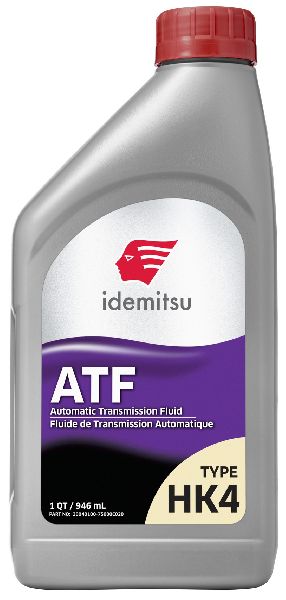
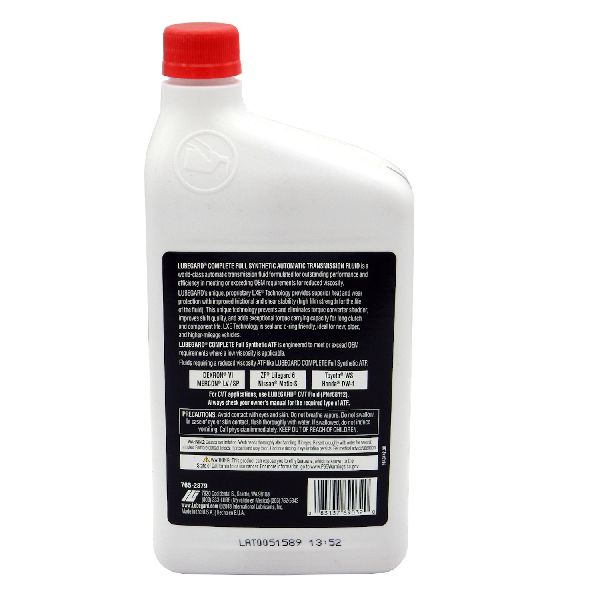
Aftermarket price range: $25-$40 - Automatic Transmission Fluid — The transmission must be refilled with the correct fluid type (e.g., SP-IV) after the repair. A drain and fill typically requires around 5 quarts.
Trusted brands: Kia Genuine SP-IV, Idemitsu, Valvoline MaxLife
OEM price range: $18-$25 per quart
Aftermarket price range: $10-$15 per quart
Related Codes That Often Appear With This One
- P0753, P0758, P0763, etc. — These are codes for other shift solenoids ('A', 'B', 'C', etc.). Seeing multiple solenoid codes together often points to a widespread electrical issue, a failing solenoid pack, a shared power/ground circuit problem in the harness, or a potential TCM fault.
Technical Service Bulletins (TSBs) & Recalls
- TSBTRA051R1: Advises replacing individual shift solenoids for DTCs like P0768 on 6-speed automatic transaxles, and explicitly warns against replacing the entire transaxle for this fault. [TSBTRA051R1]
Platform-Specific Known Issues
- The 6-speed automatic transmission (A6MF1/A6GF1) used in this era of Kia vehicles is part of the larger 'A6' family and is known for solenoid-related issues. The TSB TSBTRA051R1 is the primary documentation of this, covering a wide range of solenoid electrical fault codes including P0768.
Mechanic-Grade Diagnostic Values
- Resistance of Shift Solenoid 'D' (Overdrive Clutch Control Solenoid) — expected: 5.1 - 5.3 Ohms. Failure: A reading of infinite resistance (open circuit), near-zero resistance (short circuit), or a value significantly outside the expected range.
- Resistance of On/Off type solenoids (e.g., SS-A, SS-B) — expected: 10 - 11 Ohms. Failure: A reading outside this range. This is useful for confirming the test procedure and differentiating between solenoid types.
- Continuity test for Shift Solenoid 'D' at the main transmission connector — expected: 5.1 - 5.3 Ohms between Pin 10 (Solenoid Power) and Pin 7 (OD Solenoid). Failure: An out-of-spec reading at the main connector when it tests good directly at the solenoid indicates a wiring harness issue.
Scan Tool Commands That Help
- Kia GDS (Global Diagnostic System): Actuation Test / Actuator Drive Test — This bidirectional function is used to command a specific solenoid (e.g., Shift Solenoid 'D') to turn on or off while monitoring transmission behavior or listening for a 'click'. It is a crucial step to verify if the solenoid is mechanically responding to electrical commands from the TCM, which helps differentiate between a faulty solenoid, a wiring issue, or a TCM driver fault.
Wiring & Ground Locations
- Main Transmission Connector (Case Connector) — On the exterior of the transmission case, where the main vehicle wiring harness connects to the internal transmission harness.. This is the primary external test point for all solenoids. Testing here allows a technician to check the solenoid coil and the internal transmission harness without removing the oil pan. The OD Solenoid (Solenoid 'D') circuit is between pins 10 and 7.
- Transaxle Control Module (TCM) — The TCM is the brain of the automatic transaxle. Its location can vary, but it is often found in the engine bay or under the dashboard.. The TCM sends the electrical signals that control the shift solenoids. All diagnostic wiring tests ultimately lead back to the TCM connector to confirm signal integrity from the source.
OEM Part Supersession History
46313-3B020→46313-3B030— Standard part revision and improvement by the manufacturer.
Heads up: The new part number (46313-3B030) is the correct service replacement for the original.
Model Year Variations Within This Range
- 2011-2013 (Early Models): The transmission fluid temperature sensor was a separate component in early models. In March 2013, the design was changed to integrate the sensor into the main internal wiring harness (ribbon style). When servicing an earlier model that requires internal harness work, it is recommended to upgrade to the later-style harness that includes the integrated sensor.
Helpful Videos


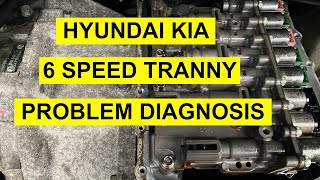

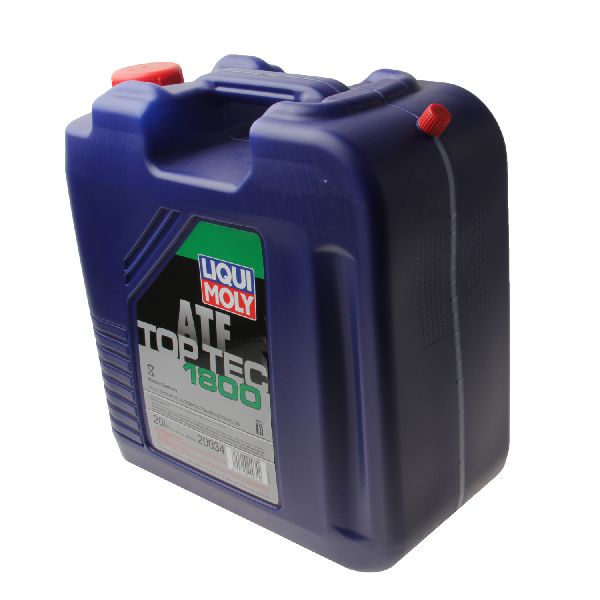
We Have This Part in Stock



The information in this article is provided for general reference and educational purposes only. Vehicle specifications, procedures, and part compatibility can vary by production date, trim level, and region. Always consult your vehicle's factory service manual and verify part numbers before purchasing or performing repairs. Safety-critical components such as airbags, seat belts, and braking systems should be installed by a qualified professional.
- Kia FORTE:
- 🧭 Diagnostic Flowchart
- 🎬 Helpful Videos
- 🛍️ Shop This Part
- What's Unique About the 2011-2015 Kia FORTE
- Symptoms You May Notice
- Most Likely Causes
- Rare But Worth Checking
- Diagnosis Steps
- Parts You'll Likely Need
- Related Codes That Often Appear With This One
- Technical Service Bulletins (TSBs) & Recalls
- Platform-Specific Known Issues
- Mechanic-Grade Diagnostic Values
- Scan Tool Commands That Help
- Wiring & Ground Locations
- OEM Part Supersession History
- Model Year Variations Within This Range
- 🎟️ Get 5% Off