

P0771 on 2010-2015 Hyundai Tucson: Shift Solenoid 'E' Causes and Fixes
This code typically points to a problem with the transmission's Shift Solenoid 'E'. On this Tucson, the most common causes are low/dirty fluid or a faulty internal transmission wiring harness. Checking the fluid is the first step, but a professional repair involving replacing the solenoid and harness is often required.
- P0771 on your Tucson indicates a serious transmission issue that should be addressed immediately.
- Always start diagnosis by checking the transmission fluid level and condition. Use only Hyundai SP-IV fluid.
- The most likely cause beyond fluid is a combination of a failing shift solenoid and a faulty internal wiring harness.
- Due to the complexity, this repair is not recommended for DIY beginners. Seek a qualified transmission shop.
- To prevent a repeat failure, ensure both the solenoid and the internal wiring harness are replaced at the same time.
What's Unique About the 2010-2015 Hyundai Tucson
The 2010-2015 Tucson uses a 6-speed automatic transmission (A6MF1/A6MF2) that is part of a larger family of Hyundai transmissions with a known weakness. While low fluid is a possible cause, a more common platform-specific failure is the internal transmission wiring harness becoming brittle from constant exposure to hot transmission fluid and failing, causing a poor connection to the solenoid. Hyundai has issued technical service bulletins (TSBs) for other models with similar transmissions that point to replacing both the solenoid and the harness to ensure a lasting repair. This issue is so prevalent that the harness is considered a high-failure component.
Symptoms You May Notice
- Harsh or jerky shifting
- Transmission failing to shift into certain gears
- Vehicle gets stuck in one gear (limp mode, often 3rd gear)
- Delayed engagement when shifting from Park to Drive or Reverse
- Reduced fuel economy
- Illuminated Check Engine Light
- Transmission overheating warning light
- Engine stalls when coming to a stop
- Replacing only the shift solenoid without replacing the known-problematic internal wiring harness. The code often returns because the harness was the root cause or a contributing factor.
- Replacing the solenoid when the true cause is clogged passages in the valve body from dirty fluid.
Most Likely Causes
- Low or Dirty Transmission Fluid 🔴 High Probability → Shop Transmission Assembly Like any automatic transmission, the fluid can degrade or leak over time. Hyundai's 6-speed transmissions are sensitive to fluid level and quality. Contaminated fluid can clog the small passages in the solenoid, causing it to stick.
How to confirm: Check the transmission fluid level and condition. On this sealed transmission, this requires a specific procedure outlined by Hyundai, often involving getting the fluid to a specific temperature. The fluid should be bright red and not smell burnt. Dark, brown, or metallic-flecked fluid indicates a serious internal problem.
Typical fix: Perform a transmission fluid drain-and-fill or a complete fluid exchange. Use only Hyundai-specified SP-IV fluid. If the fluid is very dirty, a full flush may be recommended to clear passages.
Est. part cost: $50-$150 - Faulty Internal Transmission Wiring Harness 🔴 High Probability → Shop Transmission Assembly A known issue on many Hyundai/Kia 6-speed transmissions. The harness inside the transmission becomes brittle from heat cycles, leading to cracked wires and intermittent electrical connections for the solenoids.
How to confirm: This requires professional diagnosis. A technician will drop the transmission pan and valve body to visually inspect the harness and test for continuity from the solenoid connector to the main transmission case connector.
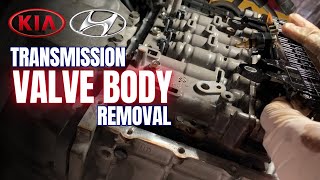
Typical fix: Replace the internal valve body wiring harness. This is often done at the same time as replacing the suspect solenoid. The OEM part number is typically 46307-3B650. 🎬 Watch: Step-by-step valve body and harness replacement guide
Est. part cost: $70-$150 - Failed Shift Solenoid 'E' 🟡 Medium Probability → Shop Transmission Valve Body The solenoid can fail electrically (open or shorted coil) or mechanically (stuck plunger) due to age, heat, or contamination from dirty fluid.
How to confirm: A technician can test the solenoid's resistance with a multimeter and compare it to the manufacturer's specifications (typically 10-11 Ohms for on/off solenoids). They can also use a scan tool to command it on and off to check for an audible click. This is done with the transmission pan removed.
Typical fix: Replace the individual shift solenoid. It is highly recommended to replace the internal wiring harness (P/N 46307-3B650) at the same time.
Est. part cost: $60-$120
Rare But Worth Checking
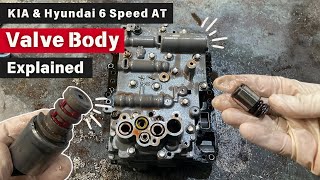
- Clogged Valve Body Passages: → Shop Transmission Valve Body If the transmission fluid has not been changed regularly, sludge and debris can build up and restrict fluid flow within the valve body, preventing the solenoid from operating correctly. 🎬 Watch: How the 6-speed transmission valve body works
- Faulty Transmission Control Module (TCM): → Shop Transmission Assembly In rare cases, the computer that controls the transmission can fail. This should only be considered after all other possibilities (fluid, wiring, solenoids) have been ruled out.
Diagnosis Steps
- Check the transmission fluid level and condition. If low, top it off with Hyundai SP-IV fluid and check for leaks. If dark or burnt, a fluid and filter change is necessary.
- Scan the TCM for any other transmission-related codes that could provide more clues. Troubleshoot other codes first, especially electrical circuit codes.
- If the fluid is okay, the next step requires professional service. A technician will lift the vehicle and drop the transmission oil pan.
- Inspect the internal wiring harness for any signs of damage, brittleness, or discoloration. Pay close attention to the connector ends.
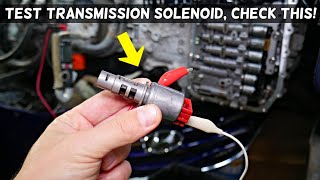
- Test the resistance of Shift Solenoid 'E' using a multimeter. It should be within the manufacturer's specification, typically 10-11 Ohms for an on/off solenoid. 🎬 See how to test transmission solenoids with a multimeter
- Check for power and ground at the solenoid connector to rule out external wiring issues. A technician may also command the solenoid ON with a scan tool and listen for a click.
- If the solenoid and/or harness test bad, they should be replaced. It is best practice to replace both simultaneously. If they test good, further diagnosis of the valve body or TCM may be needed.
Parts You'll Likely Need
- Transmission Valve Body Wiring Harness
(OEM #46307-3B650)— This is a known failure point on this transmission family and is often the root cause of solenoid performance codes.
Trusted brands: Hyundai (OEM)
OEM price range: $70-$150
Aftermarket price range: $40-$100 - Automatic Transmission Shift Solenoid — The solenoid itself can fail. It is best practice to replace it along with the harness.
Trusted brands: Hyundai (OEM), Rostra
OEM price range: $60-$120
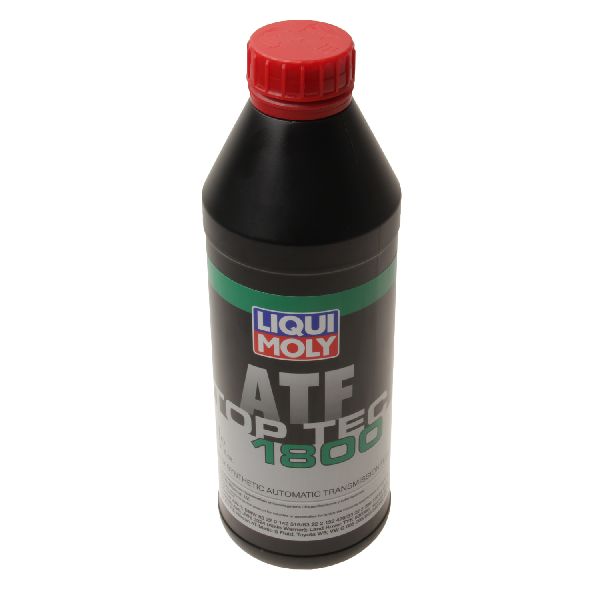
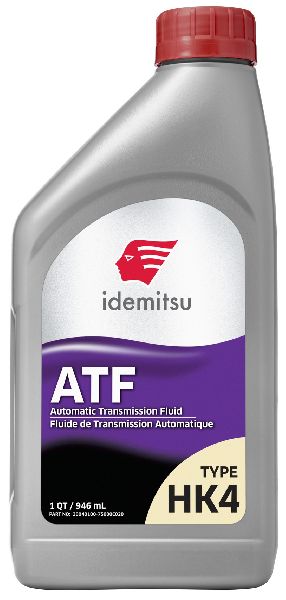
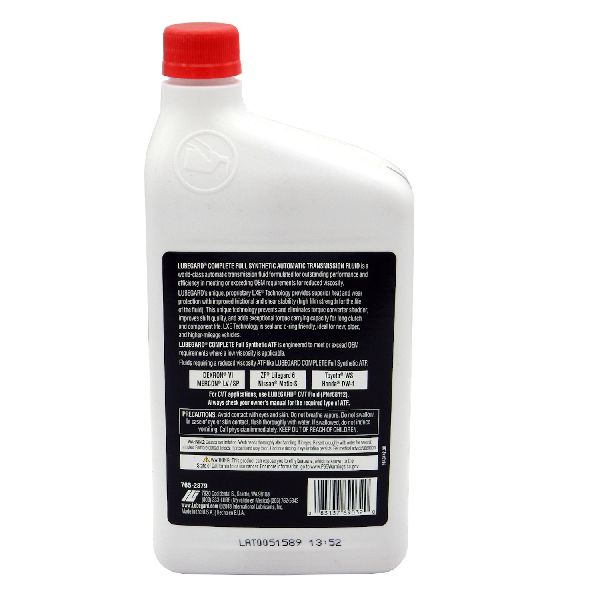
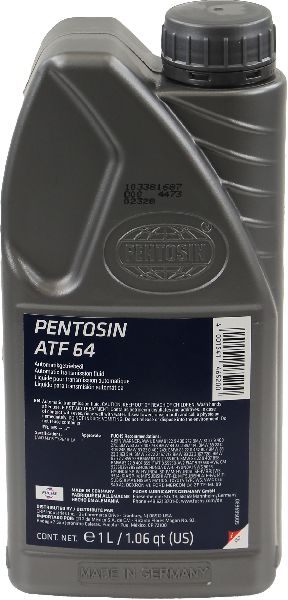
Aftermarket price range: $40-$80 - Automatic Transmission Fluid (Hyundai SP-IV)
(OEM #00232-19045)— Required for refilling the transmission after service. Using the correct fluid is critical for transmission health.
Trusted brands: Hyundai (OEM), Idemitsu, Valvoline MaxLife LV
OEM price range: $15-$25 per quart
Aftermarket price range: $10-$20 per quart - Transmission Oil Pan Gasket
(OEM #45285-3B700)— Must be replaced anytime the transmission pan is removed to prevent leaks. Some technicians may opt for high-quality RTV sealant instead.
Trusted brands: Hyundai (OEM), Fel-Pro
OEM price range: $20-$40
Aftermarket price range: $15-$30
Related Codes That Often Appear With This One
- P0773 — This is the electrical fault code for Shift Solenoid 'E' (Circuit Malfunction). P0771 is a performance code, while P0773 points specifically to a circuit malfunction (open or short), often seen together or interchangeably depending on the exact failure mode.
- P0741 — Torque Converter Clutch Solenoid Circuit Performance/Stuck Off. This is another solenoid-related code and can be triggered by the same failing internal wiring harness that causes P0771.
- P0711 — Transmission Fluid Temperature Sensor 'A' Circuit Range/Performance. The temperature sensor is integrated into the same internal wiring harness (P/N 46307-3B650) that is a common failure point, so this code often appears alongside solenoid codes.
Technical Service Bulletins (TSBs) & Recalls
- TSB 20-AT-008H: Supersedes older bulletins and directly applies to the 2010-2015 Tucson (LM). It lists various solenoid electrical DTCs (including P0773, the electrical equivalent of P0771) and instructs technicians to replace the solenoid and the internal harness, confirming this is the official repair path.
- TSB 14-AT-012: An earlier bulletin that describes the same failure pattern (solenoid DTCs) and prescribes the same fix (replace solenoid and/or harness), indicating a systemic issue with this transmission family.
- TSB 14-AT-003: This bulletin details the procedure for replacing solenoids and the internal harness for a range of DTCs including P0773 (the electrical counterpart to P0771) on the Tucson (LM) among other models.
Platform-Specific Known Issues
- A widespread issue across multiple Hyundai models using the 6-speed automatic transmission is the failure of the internal valve body wiring harness (P/N 46307-3B650) due to heat and vibration. This often leads to various solenoid performance codes, including P0771.
- TSB 20-AT-008H specifically addresses solenoid DTCs for the 2010-2015 Tucson (LM) and instructs technicians to replace the related solenoid and the oil pressure harness.
Mechanic-Grade Diagnostic Values
- Shift Solenoid 'E' (On/Off type) Coil Resistance — expected: 10 - 11 Ohms. Failure: A reading outside this range (open circuit or short) indicates a failed solenoid coil.
- VFS Solenoids (Variable Force, not Shift Solenoid E) Coil Resistance — expected: 5.1 - 5.3 Ohms. Failure: This is for reference; Shift Solenoid E is an on/off type with different specs. A failure here would set other codes.
- Transmission Fluid Temperature Sensor Resistance — expected: 2.51K Ohms @ 68°F (20°C). Failure: An incorrect resistance value can cause erratic shifting and may accompany solenoid codes, as the sensor is part of the same harness.
Scan Tool Commands That Help
- Hyundai GDS (Global Diagnostic System): Resetting Auto T/A values — This function must be performed after replacing the transmission, valve body, solenoids, or TCM to erase old learned shift parameters and initiate a new learning cycle for optimal shift quality.
- Hyundai GDS (Global Diagnostic System): Solenoid Actuation Test — A bidirectional test to command a specific solenoid ON and OFF. This helps verify if the solenoid is mechanically responding (an audible click should be heard) and if the control circuit from the TCM is functional.
- Car Scanner ELM OBD2 (App): Reset automatic transmission adaptation (6-speed AT) — Some advanced aftermarket scan tool apps claim to have the ability to perform the transmission adaptation reset for the A6MF1 series. This can be a lower-cost alternative to the dealer GDS tool for DIYers, but compatibility can vary.
Wiring & Ground Locations
- Main Transmission Case Connector — On the top or side of the transmission case, where the external vehicle harness plugs into the internal transmission components.. This is the primary external test point for checking the electrical integrity of Shift Solenoid 'E' and its wiring without dropping the transmission pan. A technician can use a pinout diagram here to measure resistance back to the solenoid.
- Transmission Ground Strap — A braided metal strap connecting the transmission housing to the vehicle's chassis frame rail.. A poor or corroded ground connection can cause a host of electrical issues, including erratic solenoid operation and incorrect sensor readings. Ensuring this strap is clean and tight is a crucial preliminary electrical check.
- Shift Solenoid 'E' (SSA) — Inside the transmission, on the valve body. It is an on/off solenoid, typically identified as SSA (Shift Solenoid A) in some diagrams, which can be confusing. TSB 14-AT-003 identifies Shift Solenoid E (SS-A).. This is the component the code directly refers to. It is a normally closed (NC) on/off solenoid. Knowing its location and type is critical for testing and replacement.
OEM Part Supersession History
46307-3B610, 46307-3B620→46307-3B650— Revisions to improve durability and resistance to heat-induced brittleness.
Heads up: The older part numbers have been replaced by 46307-3B650, which should be used for all repairs to ensure the most updated and durable version is installed.
Model Year Variations Within This Range
- 2010-2015: The 2010-2015 Tucson with the 2.0L or 2.4L engine uses the A6MF1 or A6MF2 transmission, respectively. While internally similar, they are rated for different torque levels. However, the common failure points for code P0771, such as the internal wiring harness and solenoids, are largely the same across these variants within this generation.
Diagnostic Flowchart
Other Known Issues on This Vehicle
Issues unrelated to this code that are worth knowing about as an owner of this generation:
- Theta II Engine Failure 🔴 High — Widespread across 2010-2015 models with the 2.4L Theta II engine. Manufacturing debris can block oil passages, leading to connecting rod bearing failure and catastrophic engine seizure. (Ref: Multiple recalls (e.g., NHTSA 20V746) and a class-action lawsuit settlement provide a lifetime warranty extension for the engine short block for eligible vehicles that have received the KSDS update.)
- Excessive Oil Consumption 🟠 Medium — Common on both 2.0L and 2.4L engines. Owners report needing to add significant amounts of oil between changes. Can be caused by faulty PCV valves, worn piston rings, or valve stem seals. (Ref: Subject of a class-action investigation. Hyundai has often considered some consumption 'normal' but may perform tests if consumption is extreme.)
- ABS Module Internal Short / Fire Risk 🔴 High — Affects a wide range of Hyundai models from the era, including the 2010-2013 Tucson. The ABS module can leak brake fluid internally, causing an electrical short and potential for an engine compartment fire, even when the vehicle is parked. (Ref: NHTSA Recall 20V-520. The remedy involves replacing the ABS module fuse.)
- Leaking Engine Oil Pan 🟡 Low — A recall was issued for some 2011-2013 models due to the oil pan potentially leaking. If not addressed, the loss of oil could lead to engine damage. (Ref: NHTSA Recall 19V-869.)
Used vs. New Parts: Buying Guide for This Vehicle
When a used part is the smart pick: A complete used valve body assembly (including solenoids and harness) from a low-mileage, verified-running donor vehicle can be a cost-effective option if multiple solenoids are suspected or if there's a risk of valve body passage blockage. However, given the high failure rate of the harness, this is risky.
Donor-vehicle mileage cap: roughly under 60000 miles for the part to have meaningful remaining life.
What to inspect on the donor part:
- Verify the donor vehicle's mileage and ensure it had no transmission-related codes.
- Inspect the wiring harness connector pins for any corrosion or damage.
- Look for evidence of regular maintenance; avoid parts from vehicles with signs of neglect or accident damage.
- If possible, check the color and smell of the transmission fluid from the donor vehicle. Dark or burnt-smelling fluid is a major red flag.
OEM-only on this vehicle (don't cheap out):
- Internal Transmission Wiring Harness (P/N 46307-3B650)
Aftermarket brands forum-validated for this vehicle:
- Rostra (for solenoids)
Brands owners have reported issues with on this vehicle:
- Unbranded, no-name wiring harnesses from online marketplaces are a significant risk. The OEM harness is the only reliable choice due to the known heat degradation issue, and the updated OEM part is designed to address this.
Real Owner Stories
Aggregated from forums and TSBs cited above. Mileages and costs reflect what owners reported in those sources.
2013 Hyundai Tucson — ~100000 miles
Symptoms: The vehicle was experiencing transmission issues related to the 6-speed automatic system.
What fixed it: Replacement of the internal wiring harness (P/N 46307-3B650).
Source hint: Gears Magazine - 'A6 Series Transmission Concerns and Solutions'
Related OBD-II Codes
Frequently Asked Questions
Does TSB 20-AT-008H apply to my 2012 Hyundai Tucson regarding the P0771 code?
What is the specific part number for the internal wiring harness often blamed for P0771 in the Tucson?
Can I use any transmission fluid to top off my Tucson if I have a P0771 code?
Is there a relationship between P0771 and the electrical code P0773 on this vehicle?
My Tucson is stuck in 3rd gear and won't shift; is this related to P0771?
Should I replace just the solenoid or the harness as well?
Helpful Videos

We Have This Part in Stock


The information in this article is provided for general reference and educational purposes only. Vehicle specifications, procedures, and part compatibility can vary by production date, trim level, and region. Always consult your vehicle's factory service manual and verify part numbers before purchasing or performing repairs. Safety-critical components such as airbags, seat belts, and braking systems should be installed by a qualified professional.
- Hyundai Tucson:
- 🧭 Diagnostic Flowchart
- 🎬 Helpful Videos
- 🛍️ Shop This Part
- What's Unique About the 2010-2015 Hyundai Tucson
- Symptoms You May Notice
- Most Likely Causes
- Rare But Worth Checking
- Diagnosis Steps
- Parts You'll Likely Need
- Related Codes That Often Appear With This One
- Technical Service Bulletins (TSBs) & Recalls
- Platform-Specific Known Issues
- Mechanic-Grade Diagnostic Values
- Scan Tool Commands That Help
- Wiring & Ground Locations
- OEM Part Supersession History
- Model Year Variations Within This Range
- Other Known Issues on This Vehicle
- Used vs. New Parts: Buying Guide for This Vehicle
- Real Owner Stories
- 2013 Hyundai Tucson — ~100000 miles
- Related OBD-II Codes
- Frequently Asked Questions
- 🎟️ Get 5% Off