

P0771 on 2011-2018 Volkswagen Jetta: Shift Solenoid 'E' Causes and Fixes
On a 2011-2018 Jetta, P0771 means a transmission shifting problem. If you have a standard automatic (most gas models), it's likely a bad shift solenoid in the valve body, a ~$400-$800 repair. If you have a TDI or GLI with a DSG transmission, it's probably a failing Mechatronic unit, a much more expensive repair often costing over $2,000.
- The first step in diagnosing P0771 is to identify your transmission: a conventional automatic (most models) or a DSG (TDI/GLI).
- Always check the transmission fluid level and condition first. This is the simplest and cheapest potential fix.
- For most Jettas with a conventional automatic, the problem is likely a bad shift solenoid or valve body.
- For Jetta TDI or GLI models with a DSG, P0771 is a strong sign of a failing Mechatronic unit, which is a major and expensive repair.
- Do not continue driving with these symptoms, as you risk severe transmission damage and creating a safety hazard.
What's Unique About the 2011-2018 Volkswagen Jetta
The 2011-2018 VW Jetta (A6 generation) was sold with two very different automatic transmissions, and the diagnosis for P0771 is completely different for each. Jettas with standard gasoline engines (like the 2.5L and later 1.4T/1.8T) typically have a conventional 6-speed automatic (Aisin 09G, also known as TF-60SN), where this code usually points to a failing solenoid or valve body. In contrast, the TDI (diesel) and GLI (performance) models use a 6-speed Direct-Shift Gearbox (DSG), specifically the DQ250, where P0771 is a strong indicator of a much more complex and expensive failure in the Mechatronic unit, which combines the TCM and valve body.
Symptoms You May Notice
- Check Engine Light and/or Transmission Warning Light (often a wrench symbol) is on
- Harsh, jerky, or delayed gear shifts, especially when warm.
- Transmission slipping or flaring between shifts, feeling like it's in neutral.
- Vehicle enters "limp mode," getting stuck in a single gear (often 2nd or 3rd).
- Sudden loss of ability to accelerate, especially when warm.
- For DSG models, the 'PRNDS' gear indicator on the dashboard may flash.
- Reduced fuel economy.
- A noticeable bang or clunk when downshifting.
- Replacing a single solenoid on a DSG transmission when the entire Mechatronic unit is the root cause of the failure.
- Replacing the entire transmission when only the valve body or solenoids (on an 09G) needed to be replaced.
- Replacing the shift solenoid without checking the wiring harness first. A poor connection or damaged wire can mimic a failed solenoid.
Most Likely Causes
- Low or Dirty Transmission Fluid 🔴 High Probability → Shop Transmission Assembly Transmission fluid degrades over time. Many owners may not adhere to the recommended service intervals for fluid changes, leading to fluid that is burnt or contaminated with debris, which can clog solenoid passages.
How to confirm: Check the transmission fluid level and condition according to the manufacturer's procedure, which must be done at a specific temperature using a scan tool. The fluid should be at the correct level, its specified color (typically red for 09G), and not smell burnt or contain metallic debris.
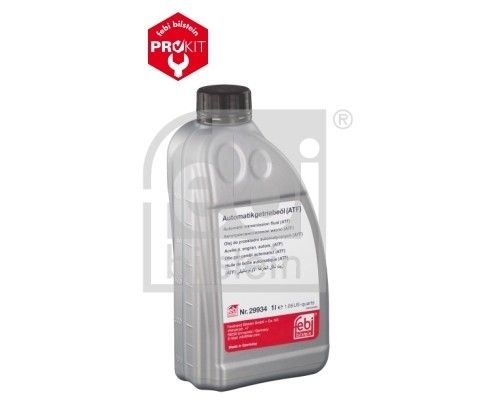
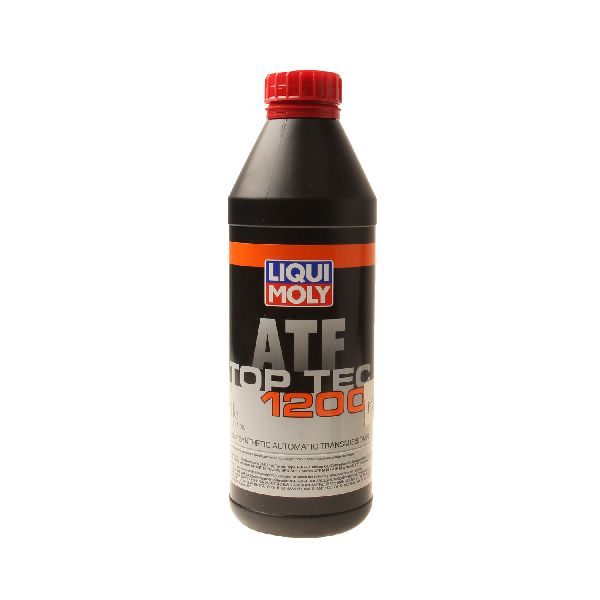
Typical fix: Perform a transmission fluid and filter change using the correct VW-specific fluid (e.g., G 055 025 A2 for 09G). This is often called a 'drain and fill'.
Est. part cost: $80-$150 - Failed Shift Solenoid or Valve Body (09G Automatic Transmission) 🔴 High Probability → Shop Transmission Valve Body The Aisin 09G transmission is known for having solenoids that become sticky or fail electrically over time due to heat and contaminated fluid. The valve body bores can also wear, causing pressure losses. Shift Solenoid 'E' is specifically the N92 solenoid.
How to confirm: After confirming fluid is good, a technician will use a scan tool to monitor solenoid commands and performance. They may also test the solenoid's resistance with a multimeter (typically 5-6 Ohms for the N92). The solenoids are located inside the transmission, on the valve body, accessible after removing the pan.
Typical fix: Replace the faulty N92 solenoid or the entire set of solenoids. In many cases, replacing the complete valve body with a remanufactured unit is a more reliable, long-term repair as it also addresses bore wear. Some specialists also clean the original solenoids.
Est. part cost: $70-$500 - Failed Mechatronic Unit (DSG Transmission) 🔴 High Probability → Shop Transmission Valve Body The Mechatronic units in DQ250 DSG transmissions are a known failure point. The failure can be electronic (cracked solder joints on the circuit board) or hydraulic (internal solenoids/valves failing). P0771 is a listed fault code directly pointing to Mechatronic issues.
How to confirm: Diagnosis requires an advanced scan tool like VCDS (VAG-COM) to read manufacturer-specific fault codes from the transmission module (address 02). The presence of P0771, often alongside other pressure control valve or solenoid codes, is a strong indicator of failure.
Typical fix: Replacement of the entire Mechatronic unit. This is a complex job that requires special tools and software to program and adapt the new unit to the vehicle.
Est. part cost: $1200-$2500 - Damaged Wiring or Connectors ⚪ Low Probability While not specific to this platform, road debris, oil leaks, or heat can damage the wiring harness leading to the transmission. On the 09G, fluid can sometimes wick up into the internal harness connector, causing shorts.
How to confirm: Visually inspect the main transmission wiring harness and connectors for any signs of corrosion, breaks, or loose connections. For the 09G, the internal harness connector should be checked for fluid contamination when the pan is off.
Typical fix: Repair the damaged section of the harness or replace the faulty connector. The internal harness is often replaced during a solenoid service.
Est. part cost: $20-$200
Rare But Worth Checking
- Failed Transmission Control Module (TCM): → Shop Transmission Assembly This is very rare on non-DSG models. On DSG models, the TCM is integrated into the Mechatronic unit, so a 'TCM failure' is a 'Mechatronic failure'.
Diagnosis Steps
- Scan the vehicle for all OBD-II codes, paying close attention to any other codes stored in the Engine (ECU) and Transmission (TCM) modules.
- Crucially, identify the transmission type. Check your vehicle's specifications or VIN. Is it a conventional 6-speed automatic (Aisin 09G, found in 2.5L, 1.4T, 1.8T models) or a 6-speed DSG (DQ250, found in TDI/GLI models)?
- Check the transmission fluid level and condition. This must be done while the vehicle is running and the fluid is at a specific temperature (usually 35-45°C), monitored with a scan tool. If the fluid is low, dirty, or smells burnt, a fluid and filter service is the first step.
- If 09G Transmission: Inspect the external wiring harness for damage. Use a professional scan tool to command Shift Solenoid 'E' (N92) and check its response. If it fails, drop the transmission pan. Test the solenoid's resistance (should be ~5-6 ohms). Inspect the internal wiring harness for damage or fluid contamination. If the solenoid and wiring test good, the issue is likely a blockage or wear in the valve body itself.
- If DSG Transmission: Suspect a Mechatronic unit failure. A specialist shop will confirm this with advanced diagnostics using a tool like VCDS. While an individual solenoid can be at fault, it is often a symptom of a larger problem within the unit, and replacement of the entire Mechatronic assembly is the standard, most reliable repair.
- If all solenoids and wiring are confirmed to be good, the problem may lie in the valve body passages (09G) or internal mechanicals of the transmission (both types), such as a worn clutch pack.
Parts You'll Likely Need
- Transmission Solenoid Kit (for 09G)
(OEM #09G325039A (This is a VW part number for the complete valve body with solenoids. Individual solenoids are also available.))— This is the most common failure point for P0771 on the conventional 6-speed automatic transmission. Replacing the set is often recommended.
Trusted brands: Genuine VW, Aisin, Rostra, Sonnax
OEM price range: $400-$600 (Solenoid Set)
Aftermarket price range: $150-$350 (Solenoid Set) - Mechatronic Unit (for DQ250 DSG)
(OEM #02E325025AT (Example, part number is highly VIN-specific))— This is the most likely cause of P0771 on Jetta TDI and GLI models. It is a complete electro-hydraulic control unit.
Trusted brands: Genuine VW, Temic (Original Manufacturer)
OEM price range: $1500-$2500
Aftermarket price range: Not Recommended
Related Codes That Often Appear With This One
- P2711 — This code for 'Unexpected Mechanical Gear Disengagement' often appears with P0771, especially on DSG models, indicating a severe internal fault.
- P0702 — This code indicates a 'Transmission Control System Electrical' issue and can accompany P0771, pointing towards a problem with the TCM or Mechatronic unit.
- P0773 — This code is for 'Shift Solenoid E Electrical', indicating a specific short or open in the circuit. P0771 is a performance code, which can be electrical, mechanical, or hydraulic. Seeing them together strongly points to an electrical issue with the solenoid or its wiring.
Technical Service Bulletins (TSBs) & Recalls
- V371701 / 2046493: Titled 'Proper Documentation of Transmission Concerns before Contacting Volkswagen Technician Helpline', this TSB applies to 2016-2017 Jettas with the 1.8T engine and 09G transmission, indicating a known area of concern for VW.
- TSB 2045453/3: While for a different code (P0016), it highlights a related issue where a torn screen on the camshaft bridge can cause timing problems, relevant for the EA888 engine found in some Jettas.
- TB A011008 / V011011: Bulletins issued by Audi and VW regarding engine performance issues that could be caused by misfueling in TDI models, which can lead to HPFP failure.
Platform-Specific Known Issues
- Jettas equipped with the 09G transmission can experience harsh downshifts and flares between gears even at low mileage (starting around 20,000 miles) due to premature valve body wear.
- On DSG-equipped models, Mechatronic failure is common and often presents with a flashing PRNDS indicator and the car going into limp mode. The repair is notoriously expensive.
- A forum user on VWVortex with a 2012 Jetta 2.5 (09G) reported solving P0771 and harsh shifting by replacing the full solenoid pack and changing the fluid, emphasizing the importance of not mixing up the solenoids as they have different functions.
Mechanic-Grade Diagnostic Values
- 09G PWM Solenoid Resistance (N90, N92, N93, N282, N283) — expected: ~5.0-6.0 Ohms. Failure: A reading far outside this range, or an open/short circuit. When testing multiple solenoids, their resistance values should be within 0.5 Ohms of each other.
- 09G Transmission Adaptation Relearn Conditions — expected: Transmission fluid at 151°F–230°F (70°C–110°C), no trouble codes present, at least 1/4 tank of fuel, battery voltage not dropping below 10.5V during cranking.. Failure: The TCM will not properly relearn new shift adapts if these conditions are not met, leading to continued poor shifting after a repair.
Hidden / Shadow Codes Worth Checking
- VCDS Fault Description: 'sporadic blocked or without voltage': This is not a separate code but a more detailed description that VCDS (VAG-COM) can provide for the P0771 fault. It points directly to a mechanical (blocked) or electrical (without voltage) issue with the N92 solenoid. (see via VCDS (VAG-COM) or other advanced VW-specific scan tool.)
Scan Tool Commands That Help
- VCDS (VAG-COM): Basic Settings - Group 001 (Resetting Shift Adapts) — This is critical after replacing the valve body or solenoids on an 09G transmission. It clears the old learned values, allowing the TCM to start a fresh relearn process.
- VCDS (VAG-COM): Adaptation Functions (Throttle and Kick-Down) — After a repair and clearing basic settings, performing the throttle body and kick-down adaptations ensures the TCM understands the driver's input correctly in relation to the new transmission components.
Wiring & Ground Locations
- 09G Internal Transmission Harness Connector (14-pin) — Inside the transmission, connecting the valve body solenoids to the main pass-through case connector. It is replaced when the pan is off.. This harness (VW P/N 09G927363) lives in hot transmission fluid and can become brittle or have its pins contaminated, causing electrical faults that mimic a failed solenoid. It's often replaced preventatively during a solenoid or valve body service.
- 09G External Transmission Harness Connector (8-pin) — On the outside of the transmission case, where the main vehicle harness connects to the transmission.. This is the primary connection point for all electronic signals going into the transmission. Corrosion or damage at this connector (VW P/N 1J0973714) can cause a loss of signal to Shift Solenoid 'E'.
Real Owner Repair Stories
- Reddit user Wild-Double5479 in r/Volkswagen (2015 Jetta with 09G NTJ transmission) — General shifting problems, leading to a valve body replacement.
❌ Tried (didn't work) Not specified, the user went straight for the valve body replacement.
✅ What actually fixed it Replacing the entire valve body with a '$300 ebay reman special' instead of the $2100 OEM remanufactured part (09G325039FX). The user confirmed part numbers with a dealer, bought hardware from FCP Euro, and used erWin for service manuals. The repair was successful and significantly improved shifting. - YouTube channel 'bestautodiagnostic' (VW with 09G transmission) — Hard upshifts and downshifts, slipping. Fault code for N92 (Solenoid E) 'sporadic blocked or without voltage'.
❌ Tried (didn't work) The mechanic warns against using new, cheap aftermarket solenoids, as they can be faulty out of the box.
✅ What actually fixed it The mechanic removed the original solenoids, which were sticky. Instead of replacing them, he cleaned the internal bushings with a drill bit to free up the armature's movement. He reinstalled the cleaned, original solenoids into their original positions on the valve body and performed a factory reset and adaptation with a scan tool. This resolved the shifting issues.
OEM Part Supersession History
09G325039A→09G325039F, 09G325039FX (remanufactured)— Multiple design changes to address inherent flaws.
Heads up: There are at least 5 different versions of the 09G valve body. Some early versions had pressure sensors, while later ones did not. The casting and solenoid types can also differ. It is critical to match the valve body part number or use the VIN to get the correct version for the specific vehicle, as they are not all interchangeable.02E325025AT (example)→Various, with different end suffixes (e.g., ZP7, ZGP, ZF3)— Hardware and software revisions to improve reliability.
Heads up: The DSG Mechatronic unit is VIN-specific and must be ordered for the exact vehicle. The suffix denotes a specific software and hardware configuration. Installing the wrong one will result in a no-start or no-shift condition. It requires online programming to the vehicle.
Model Year Variations Within This Range
- 2011-2018 (09G Transmission): While all are Aisin 09G transmissions, there were multiple running changes and valve body designs over the years. A valve body from a 2011 Jetta may not be identical to one from a 2018 model. Using a VIN to source the correct replacement valve body (e.g., P/N 09G325039A or its successor) is essential to ensure compatibility.
Diagnostic Flowchart
Other Known Issues on This Vehicle
Issues unrelated to this code that are worth knowing about as an owner of this generation:
- Timing Chain Tensioner Failure (2.5L and 2.0TSI) 🔴 High — Common on early-generation EA888 2.0TSI engines and can occur on the 2.5L at higher mileage (over 100k miles). A rattling noise on cold startup is the primary warning sign. (Ref: A class-action lawsuit led to a warranty extension for the 2.0TSI engine's timing chain system.)
- Water Pump / Thermostat Housing Leak (1.8T/2.0T TSI) 🟠 Medium — Very common. The plastic housing is prone to cracking and leaking coolant, often starting around 60k-80k miles. (Ref: A class-action settlement extended the warranty for some model years.)
- Heater Core Clogging/Failure 🟠 Medium — Common across many VW models of this era. Coolant breakdown can cause sediment to clog the heater core, resulting in no heat in the cabin. A sweet smell or foggy windows indicate a leak.
- High-Pressure Fuel Pump (HPFP) Failure (TDI Models) 🔴 High — A known issue on 2.0L TDI engines where the pump can fail, sending metal fragments throughout the fuel system, requiring a very expensive repair. Misfueling with gasoline is a major cause. (Ref: NHTSA investigated (EA11-003), and VW extended the warranty for this component on affected vehicles.)
- Ignition Coil Failure 🟡 Low — Fairly common across all gasoline engines, leading to engine misfires (P0300 series codes). Easy to diagnose and replace.
- Failing Door Lock Actuators 🟡 Low — A common annoyance where doors fail to lock or unlock with the remote or central locking button.
Used vs. New Parts: Buying Guide for This Vehicle
When a used part is the smart pick: For the 09G transmission, a professionally 'remanufactured' or 'rebuilt' valve body is a smart, cost-saving choice over a brand new OEM unit. A 'used' valve body from a junkyard is a major gamble and not recommended, as it likely has the same wear issues. For the DSG, used parts are not recommended at all.
Donor-vehicle mileage cap: roughly under 60000 miles for the part to have meaningful remaining life.
What to inspect on the donor part:
- For a remanufactured 09G valve body, look for sellers who explicitly mention Sonnax updates or other bore/valve repairs.
- Check for a warranty. Reputable remanufacturers offer at least a 1-year warranty.
- Avoid sellers with suspiciously low prices ($100-$200), as they are often just cleaned-up used parts, not truly remanufactured.
- Confirm the exact part number matches your old unit.
OEM-only on this vehicle (don't cheap out):
- DSG Mechatronic Unit: Due to the complex, VIN-specific programming required, a new Genuine VW unit is the most reliable path to a successful repair.
Aftermarket brands forum-validated for this vehicle:
- Sonnax (for 09G valve body repair kits and remanufactured valve bodies)
- Trans-Go (for 09G valve body modification kits)
- Aisin (The original manufacturer of the 09G transmission)
Brands owners have reported issues with on this vehicle:
- Unbranded, cheap online solenoids for the 09G are frequently reported as being defective out of the box or failing shortly after installation.
Real Owner Stories
Aggregated from forums and TSBs cited above. Mileages and costs reflect what owners reported in those sources.
2012 Jetta SE 2.5L
Symptoms: Harsh shifting and code P0771.
What fixed it: Replacing the full solenoid pack and changing the transmission fluid.
Source hint: VWVortex forum thread titled 'p0771-code-on-my-2012-jetta-se-2-5-need-help'
Jetta with 09G Transmission — 20000 miles
Symptoms: Harsh downshifts and flares between gears, even at low mileage.
What fixed it: The issue is noted as being caused by premature valve body wear, implying a valve body repair or replacement is the required fix.
Source hint: vehicle_specific_issues
Related OBD-II Codes
Frequently Asked Questions
My Jetta has a 2.5L engine. What is the most likely cause of code P0771?
The 'PRNDS' gear indicator on my dashboard is flashing. Is this related to P0771?
Should I replace just the single N92 solenoid or the entire valve body for the 09G transmission?
How can I tell if my 2011-2018 Jetta has the 09G or the DSG transmission?
Is Volkswagen aware of transmission problems on the 2017 Jetta 1.8T?
What specific transmission fluid should I use for a fluid change on my 09G transmission?
We Have This Part in Stock




The information in this article is provided for general reference and educational purposes only. Vehicle specifications, procedures, and part compatibility can vary by production date, trim level, and region. Always consult your vehicle's factory service manual and verify part numbers before purchasing or performing repairs. Safety-critical components such as airbags, seat belts, and braking systems should be installed by a qualified professional.
- Volkswagen Jetta:
- 🧭 Diagnostic Flowchart
- 🛍️ Shop This Part
- What's Unique About the 2011-2018 Volkswagen Jetta
- Symptoms You May Notice
- Most Likely Causes
- Rare But Worth Checking
- Diagnosis Steps
- Parts You'll Likely Need
- Related Codes That Often Appear With This One
- Technical Service Bulletins (TSBs) & Recalls
- Platform-Specific Known Issues
- Mechanic-Grade Diagnostic Values
- Hidden / Shadow Codes Worth Checking
- Scan Tool Commands That Help
- Wiring & Ground Locations
- Real Owner Repair Stories
- OEM Part Supersession History
- Model Year Variations Within This Range
- Other Known Issues on This Vehicle
- Used vs. New Parts: Buying Guide for This Vehicle
- Real Owner Stories
- 2012 Jetta SE 2.5L
- Jetta with 09G Transmission — 20000 miles
- Related OBD-II Codes
- Frequently Asked Questions
- 🎟️ Get 5% Off