

OBD-II Code P0775: Pressure Control Solenoid 'B' Malfunction
The Ultimate Guide to Understanding, Diagnosing, and Fixing P0775
- Check your transmission fluid immediately; performing a $150 drain-and-fill resolves up to 30% of P0775 codes caused by dirty fluid sticking the solenoid.
- Never drive a vehicle stuck in 'limp mode' (locked in 2nd or 3rd gear at 30 mph), as the resulting heat buildup destroys clutch packs within days.
- Test the solenoid's electrical resistance (typically 5-40 ohms) with a multimeter at the external wiring harness before paying $500+ to drop the transmission pan.
- For 2010-2017 Subarus with CVTs, P0775 almost always requires a $1,500+ valve body replacement, but check with a dealer first as extended 10-year/100,000-mile warranties often cover it.
What Does P0775 Mean?
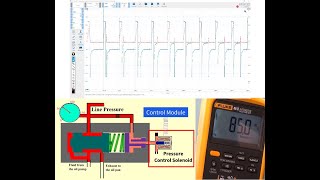
P0775 indicates the Powertrain Control Module (PCM) detects a malfunction in the 'B' pressure control solenoid. This electronically controlled valve manages transmission fluid flow and pressure, dictating smooth gear changes. When it fails, the transmission cannot regulate hydraulic pressure for clutches and bands, causing severe drivability issues.
Technical definition: SAE/OBD-II defines P0775 as 'Pressure Control Solenoid B Malfunction.' The PCM or Transmission Control Module (TCM) triggers this code when the electrical circuit or hydraulic function of Solenoid 'B' falls outside expected parameters. The PCM monitors voltage and commands specific pressures via a pulse-width modulated (PWM) signal, setting the code if feedback contradicts the command.
Can I Drive With P0775?
No — Do Not Drive. Driving with code P0775 destroys your transmission. Operating the vehicle causes irreversible damage, including burnt clutches and bands from fluid pressure loss. Symptoms like harsh shifting or sudden power loss create immediate safety hazards. The transmission enters a fail-safe 'limp mode,' locking into 2nd or 3rd gear with a 30 mph maximum speed. Ignoring this code turns a $200 solenoid fix into a $4,000 rebuild.
Common Causes
- Low or Dirty Transmission Fluid (Very Common) — Low fluid starves the pump, preventing solenoids from managing pressure. Dirty, burnt fluid clogs tiny passages in the solenoid and valve body, causing the plunger to stick.
- Faulty Pressure Control Solenoid 'B' (Very Common) — The solenoid fails electrically via internal coil burnout or mechanically when the plunger sticks from debris and wear.
- Wiring or Connector Issues (Common) — The wiring harness frays, shorts, or breaks from heat and vibration. Connectors corrode or suffer fluid intrusion, severing the PCM signal.
- Clogged Transmission Filter (Common) — A clogged filter restricts fluid flow from the pan to the pump, starving the entire hydraulic system and solenoids of operating pressure.
- Faulty Transmission Valve Body (Less Common) — The valve body warps, cracks, or develops internal blockages. Worn check balls cause pressure loss, mimicking a failed solenoid.
- Defective Transmission Pump (Less Common) — A worn transmission pump fails to supply adequate base hydraulic pressure, causing solenoids to malfunction.
- Worn Internal Components (Servos, Bands, Clutches) (Rare) — Leaking servo piston seals or worn bands prevent hydraulic pressure from applying correctly. This is common in older Ford models with worn servo bores.
- Failing TCM or PCM (Rare) — The control module fails to send signals or misinterprets sensor data. Rule out all other hardware before replacing the computer.
Symptoms
- Check Engine Light On — Illuminates immediately. Some vehicles also flash the Overdrive (O/D) OFF light or a specific transmission warning.
- Harsh, Delayed, or Erratic Shifting — Produces a hard clunk during shifts, long pauses between gears, or unexpected up/down shifting.
- Transmission Slipping — Engine RPMs spike without vehicle acceleration because the solenoid fails to apply sufficient pressure to clutch packs.
- Vehicle Enters 'Limp Mode' — The TCM locks the transmission into 2nd or 3rd gear, severely limiting speed to prevent catastrophic internal damage.
- Transmission Overheating — Slipping generates excessive friction and heat, producing a burning smell and destroying internal components.
- Misfire-like Sensations or Stalling — Erratic pressure causes the torque converter to lock inappropriately at low speeds, resulting in violent shuddering or engine stalling.
- Decreased Fuel Economy — Inefficient shifting and torque converter failure force the engine to work harder, burning more fuel.
Diagnostic Flowchart
Tap your situation to follow the diagnostic path that matches what you're seeing on this code.
Common Fixes & Costs
- Transmission Fluid Drain-and-Fill — Parts: $50-$120, Labor: $100-$200, ~1 hr book time (DIY)
- Replace Pressure Control Solenoid 'B'
— Parts: $50-$200, Labor: $200-$500, ~2.5 hr book time
(Intermediate)
: OEM - Repair Transmission Wiring Harness — Parts: $20-$100, Labor: $150-$350, ~2 hr book time (Intermediate)
- Replace Transmission Solenoid Pack/Block
— Parts: $200-$500, Labor: $300-$700, ~3 hr book time
(Professional)
: OEM - Replace Transmission Valve Body — Parts: $400-$1200, Labor: $400-$1000, ~4 hr book time (Professional)
- TCM Reprogramming — Parts: $0, Labor: $150-$300, ~1.5 hr book time (Professional)
Used vs. New Parts: Buying Guide
When a used part is worth it: For individual external solenoids on older, high-mileage vehicles where a new OEM part is cost-prohibitive.
Donor-vehicle mileage cap: roughly under 100000 miles for the part to have meaningful remaining life.
Donor quality checklist:
- Verify the donor vehicle was not scrapped due to transmission failure.
- Match part numbers exactly to avoid incompatibility.
- Avoid salvage yards with no return policy.
Decision logic:
- If The part is a complete solenoid pack or valve body for a modern transmission (post-2010) → Buy new or professionally remanufactured. Used units carry a high risk of containing identical wear issues.
- If Vehicle is high-value or you plan to keep it long-term → Buy new OEM or high-quality aftermarket. The warranty outweighs the savings of a used part.
- If Budget is extremely tight and the vehicle has low resale value → A used solenoid is a viable short-term solution to restore drivability.
Warranty tradeoff: Used parts offer a 30-90 day warranty covering only the part. New aftermarket parts include a 1-3 year warranty.
Worst-case if a used part fails: $300-$800 if a used solenoid fails after installation, requiring repeat labor.
What Happens If You Wait — Timeline
- 0-1 month: Check Engine Light is on. Shifting becomes slightly harsher or delayed. Vehicle occasionally hesitates. (MPG impact: 3-5%% · Added cost: $0-$50 in wasted fuel. A fluid change or minor wiring fix resolves the issue.)
- 1-3 months: Shifting becomes consistently erratic. The transmission slips, flaring engine RPMs between shifts. Limp mode engages intermittently. (MPG impact: 5-15%% · Added cost: $200-$500. Increased slipping generates heat, burning fluid and accelerating clutch pack wear.)
- 3-6 months: Severe slipping occurs in multiple gears. A burning smell is noticeable. Fluid turns black and fills with clutch material. (MPG impact: 15-25%% · Added cost: $1,800-$3,500. The original solenoid issue causes significant clutch damage, requiring a full rebuild.)
- 6+ months: Catastrophic failure. The transmission no longer engages. Burnt clutches and metal debris contaminate the entire system. (MPG impact: N/A (vehicle likely inoperable)% · Added cost: $3,500-$7,000+. The transmission requires complete replacement due to widespread internal hard-part damage.)
Cost of Not Fixing It
- 0-1 month: Noticeable decrease in fuel economy and increasingly harsh shifting. Minor increase in clutch wear due to slipping. (Added cost: Negligible, but drivability is compromised.)
- 1-6 months: Continued slipping generates excessive heat, burning transmission fluid. Sludge buildup clogs the valve body. Clutch packs sustain heat damage. (Added cost: $800-$2200 (A simple solenoid fix escalates into a valve body replacement).)
- 6+ months: Catastrophic transmission failure. Friction material burns away, leading to a no-drive condition. Metal debris contaminates the torque converter. (Added cost: $3500-$5000+ (Requires a complete rebuild or replacement).)
Diagnosis Steps
- Check Transmission Fluid Level and Condition
Park on a level surface and check fluid with the engine running in Park. Top off low fluid. If fluid is black or smells burnt, internal damage exists.
Tools: Rag, Transmission Dipstick (if equipped), OEM-specific transmission fluid (Beginner) - Check Technical Service Bulletins (TSBs)
Search for TSBs for your specific year/make/model. Manufacturers frequently issue software updates or identify known component failures for P0775.
Tools: Online TSB Database Access or Repair Manual (Beginner) - Scan Codes and Review Live Data
Use an advanced scanner to confirm P0775 and review freeze-frame data. Monitor live data for commanded vs. actual pressure for solenoid 'B'.
Tools: Advanced OBD-II Scanner (Intermediate) - Inspect Wiring and Connectors
Visually inspect the transmission wiring harness for melted wires, chafing, or corroded pins. Disconnect and clean the main connector.
Tools: Flashlight, Electrical Contact Cleaner (Intermediate) - Test Solenoid Circuit Resistance
Test the solenoid's resistance at the transmission connector using a multimeter. Compare to OEM specs (typically 5-40 ohms). Infinite resistance means an open circuit; zero means a short.
Tools: Multimeter, Vehicle-Specific Repair Manual/Wiring Diagram (Advanced) - Analyze Live Data PIDs
Monitor 'Commanded Pressure' and 'Actual Pressure'. If the TCM commands a 75% duty cycle but actual pressure remains low, suspect a hydraulic blockage or stuck solenoid.
Tools: Advanced OBD-II Scanner with Live Data (Advanced) - Perform a Bi-Directional Solenoid Test
Command Solenoid 'B' on and off using a bi-directional scanner while monitoring pressure. No pressure change confirms a mechanical or hydraulic failure.
Tools: Advanced Bi-Directional OBD-II Scanner (Advanced) - Conduct a Voltage Drop Test
Back-probe the solenoid power wire and command it on. A reading >0.5V indicates excessive resistance on the power side. Repeat for the ground side (>0.3V indicates poor ground).
Tools: Multimeter with back-probe pins, Advanced Bi-Directional OBD-II Scanner (Expert) - Perform a Line Pressure Test
Connect a 300 PSI gauge to the transmission test port. Measure pressure at idle and during a stall test. Low pressure indicates a failing pump or major leak.
Tools: 300+ PSI Fluid Pressure Gauge Set, Vehicle-Specific Repair Manual (Expert) - Drop the Transmission Pan and Inspect
Drain fluid and remove the pan. Inspect for excessive metal shavings or clutch material, which dictate a full rebuild rather than a solenoid replacement.
Tools: Socket Set, Drain Pan, Gasket Scraper, New Gasket/Fluid (Advanced) - Test or Replace the Solenoid
Apply 12V power directly to the solenoid terminals. An audible click indicates plunger movement, but doesn't guarantee proper flow. Replace if resistance tests failed or debris is present.
Tools: 12V Power Source, Multimeter, Socket Set (Advanced)
When This Code Triggers (Freeze-Frame Conditions)
- Engine Coolant Temp: 180-210°F (The fault is most often detected when the transmission and engine reach full operating temperature.)
- RPM: 1500-3000 (The code sets during or immediately after a gear shift command under moderate acceleration.)
- Engine Load: 25-70% (The PCM actively commands pressure changes to match engine torque during acceleration.)
- Vehicle Speed: 30-60 mph (Occurs during shifts at city or highway speeds, particularly when shifting into overdrive.)
Related Codes
- P0776, P0777, P0778, P0779 — These specify the exact failure of Solenoid 'B'. P0776 is 'Stuck Off', P0777 is 'Stuck On', and P0778 indicates an electrical circuit problem.
- P0700 — A generic code set by the PCM indicating the TCM stored a fault. P0700 almost always appears alongside P0775.
- P0740 — Relates to the Torque Converter Clutch (TCC) Solenoid. If present with P0775, it indicates widespread electrical issues or contaminated fluid affecting multiple solenoids.
- P0732, P0733, P0734, P0735 — 'Gear Ratio Incorrect' codes are symptoms. If Solenoid 'B' fails to engage 2nd gear, the computer sets P0732 due to detected slippage.
Climate & Environmental Factors
- Cold Weather: Thickens transmission fluid, increasing hydraulic resistance. Exacerbates delayed or harsh shifts if the solenoid is already sticking.
- High Humidity / Road Salt: Accelerates corrosion on external wiring harnesses and connectors. Moisture penetrates seals, causing intermittent electrical shorts that trigger P0775.
How to Talk to a Mechanic About This Code
Say this: "I have an OBD-II code P0775 for the Pressure Control Solenoid 'B' and I'm experiencing harsh shifting. I'd like to schedule a diagnostic. Please start by checking the transmission fluid condition and inspecting the external wiring before looking at internal components."
This signals you understand logical diagnostic steps. It directs the shop to check simple causes first, preventing them from immediately quoting an expensive transmission rebuild.
Avoid saying:
- 'My transmission is acting weird, can you fix it?'
- 'Just do whatever it takes to fix the check engine light.'
- 'A friend told me I probably need a new transmission.'
- 'Give me a price over the phone.'
Questions to ask before authorizing the repair:
- What was the condition of the transmission fluid? Was it burnt or full of debris?
- Did you perform a resistance test on the solenoid circuit, and what were the results?
- Have you checked for any Technical Service Bulletins (TSBs) for this code on my specific vehicle?
- If you recommend a solenoid replacement, is that based on an electrical test failure or a hydraulic test?
- What is the warranty on the proposed parts and labor?
Where to Take It: Dealer vs Independent vs Chain
- Dealer:
Recommended for in-warranty vehicles or specific known issues requiring dealer-only tools.
Best for: Vehicles under powertrain or extended warranty., Complex modern transmissions (CVTs) with known manufacturer issues (e.g., Subaru)., Repairs requiring proprietary software updates or re-learn procedures.
Downsides: Highest labor rates and part costs., Defaults to replacing large assemblies rather than diagnosing individual components. (Typical cost: +50% vs. baseline) - Chain Shop:
AVOID for diagnosis. The complexity of P0775 makes it easy to be upsold on unneeded repairs.
Best for: Basic fluid exchange services.
Downsides: Uses high-pressure sales tactics to push full transmission rebuilds., Technician skill and diagnostic capability are highly inconsistent. (Typical cost: -20% vs. baseline)
When to Walk Away From the Repair
If the estimated transmission repair cost exceeds 50% of the car's private-party market value, seriously consider selling the vehicle as-is.
- Car worth $3500, fix is $2800: Walk away. The repair cost is 80% of the car's value. It is not a sound investment.
- Car worth $12000, fix is $1500: Fix it. The repair cost is 12% of the vehicle's value and restores its worth.
- Car worth $5000, fix is $2200: Borderline. At 44% of the car's value, the decision depends on overall vehicle condition.
What Scan Tool You Need for This Code
Minimum: A scanner that reads transmission-specific codes and displays live data, including transmission fluid temperature and solenoid command status.
A basic $20 code reader only provides the P0775 code. It cannot show live data to confirm if the TCM is commanding the solenoid, making diagnosis pure guesswork.
Budget: BlueDriver Pro (~$99) — Connects to your smartphone to read transmission codes, view freeze-frame data, and graph live data PIDs like fluid temperature.
Rent vs buy: Renting a scanner from an auto parts store is useless for P0775, as they are basic readers. Buy a mid-range scanner to access the live data and bi-directional control needed for proper diagnosis.
How to Clear the Code After You Fix It
- Use an OBD-II scan tool to clear P0775 and related codes.
- Verify the transmission fluid level is correct.
- Perform the manufacturer-recommended drive cycle to set readiness monitors.
Drive cycle (~20 minutes): Cold start, idle for 3 minutes, accelerate moderately to 55 mph, cruise steadily for 10 minutes, coast down to 20 mph without braking, and stop.
Readiness monitors affected: Comprehensive Component Monitor, Transmission
Before emissions retest: drive at least 50 miles to fully set monitors.
Watch out for:
- Disconnecting the battery clears the code but resets all monitors to 'Not Ready', guaranteeing an emissions failure.
- The code returns immediately if the underlying mechanical fault remains.
- Replacing a valve body often requires a dealer-level scan tool to perform a TCM re-learn procedure.
Will This Fail Emissions / State Inspection?
Yes — this code typically fails an OBD-II emissions inspection.
- California: An active P0775 code results in an automatic smog check failure. You are allowed one 'Not Ready' monitor (usually EVAP) to pass.
- New York: An illuminated Check Engine Light from P0775 is an automatic failure. You must complete the drive cycle before re-inspection.
- Texas: In emissions-testing counties, P0775 causes an OBD-II failure. The Check Engine Light must be off and monitors set.
Manufacturer-Specific Notes
- Ford: On 2002-2005 Explorers (5R55S/W transmissions), pressure control solenoids are part of a block. TSBs require replacing the block and repairing worn servo bores in the case, turning a simple failure into a major repair.
- Honda/Acura: On 1998-2007 V6 models, transmissions are highly sensitive to fluid condition. Performing 3-4 consecutive drain-and-fills with genuine Honda ATF-DW1 often resolves P0775 without replacing parts.
- Subaru: On 2010-2017 models with the TR580 CVT, solenoids are integrated into the valve body. P0775 requires a complete valve body replacement. Subaru frequently covers this under an extended 10-year/100k-mile CVT warranty.
- GM (Chevrolet/GMC): In 1993-2008 4L60-E transmissions, a worn TCC regulator valve bore causes erratic line pressure, mimicking a bad solenoid and setting P0775. Aftermarket kits fix this without replacing the entire valve body.
Real Owner Stories
2008 Honda Odyssey at 140K miles - The Fluid Fix
Owner experienced harsh shifting between 2nd and 3rd gear and a flashing 'D' light, revealing code P0775.
Outcome: The harsh shifting disappeared, the code cleared, and it did not return. Total cost was $100 for 12 quarts of fluid.
Lesson: For Honda/Acura vehicles, always start with the fluid. Multiple drain-and-fills clean sticky solenoids and resolve pressure codes without replacing parts.
2004 Ford Explorer (5R55S) at 115K miles - The Misdiagnosis
Vehicle exhibited a flashing O/D light, severe 1-2 shift flare, and code P0775.
Outcome: A specialist diagnosed worn servo bores in the transmission case. The pressure leak mimicked a bad solenoid. Fixing it required oversized servo pistons, costing an additional $1,200.
Lesson: On Ford 5R55 transmissions, P0775 is frequently a mechanical issue (worn servo bores). Replacing the solenoid pack without addressing the case wastes money.
2015 Subaru Outback (CVT) at 85K miles - The Warranty Save
Check Engine Light illuminated with code P0775. The vehicle drove normally.
Outcome: The entire valve body required replacement. Because Subaru extended the CVT warranty to 10 years/100,000 miles, the $2,000+ repair was fully covered.
Lesson: For modern CVTs, check for TSBs and warranty extensions. Known manufacturing defects are often covered long after the standard warranty expires.
How to Prevent This Code From Triggering
- Perform regular transmission fluid drain-and-fills. (Every 30,000-60,000 miles.) — Clean fluid maintains hydraulic properties and contains detergents that prevent sludge from clogging solenoid passages.
- Use only OEM-specified transmission fluid. (Every fluid change.) — Manufacturer-specific fluids contain precise friction modifiers. Generic fluids degrade seals and cause shifting problems.
- Install an external transmission cooler. (Once, especially for vehicles used for towing.) — Reduces fluid temperatures by 50-100°F, dramatically extending the life of the fluid, seals, and solenoid coils.
Frequently Asked Questions
What does the Pressure Control Solenoid 'B' actually do?
The pressure control solenoid regulates transmission fluid pressure sent to clutches and bands. The TCM sends a variable electrical signal, opening or closing the valve to ensure smooth gear shifts.
What are the most common misdiagnoses for P0775?
The most common mistake is replacing the solenoid when the actual problem is low or dirty transmission fluid. Technicians also frequently overlook damaged wiring harnesses that mimic a failed solenoid.
Can a bad TCM or PCM cause a P0775 code?
Yes, a faulty TCM or PCM causes P0775 if its driver circuit fails to send signals to the solenoid. Corrupted software also misinterprets data, triggering a false code. Rule out fluid, wiring, and the solenoid before replacing the computer.
My car's O/D OFF light is flashing. Could it still be P0775?
Yes. On many Fords and Nissans, a flashing 'O/D OFF' light is the primary indicator for a stored transmission fault like P0775. The main Check Engine Light often delays illumination until the fault repeats across multiple drive cycles.
How much does it cost to fix P0775?
Costs range from $150 for a fluid change to $700 for a single solenoid replacement. Complex repairs like a Subaru valve body replacement exceed $1,500. Accurate diagnosis prevents wasting money on unnecessary parts.
Is a transmission flush a good idea for this code?
Avoid high-pressure flushes on high-mileage transmissions, as they dislodge debris and create new blockages. A series of 3-4 simple drain-and-fills is the safest method to clean sticky solenoids. Always use exact OEM-specified fluid.
Will this code cause my car to fail an emissions inspection?
Yes. An active Check Engine Light from a P0775 code results in an automatic failure for state emissions and safety inspections. You must repair the fault and complete a drive cycle to pass.
What happens if I don't fix a pressure control solenoid?
Ignoring P0775 causes incorrect fluid pressure, leading to severe transmission slipping and extreme heat generation. This rapidly destroys internal clutches and bands. Within months, you will need a complete $3,000+ transmission rebuild.
Key Takeaways
- Check your transmission fluid immediately; performing a $150 drain-and-fill resolves up to 30% of P0775 codes caused by dirty fluid sticking the solenoid.
- Never drive a vehicle stuck in 'limp mode' (locked in 2nd or 3rd gear at 30 mph), as the resulting heat buildup destroys clutch packs within days.
- Test the solenoid's electrical resistance (typically 5-40 ohms) with a multimeter at the external wiring harness before paying $500+ to drop the transmission pan.
- For 2010-2017 Subarus with CVTs, P0775 almost always requires a $1,500+ valve body replacement, but check with a dealer first as extended 10-year/100,000-mile warranties often cover it.
Helpful Videos
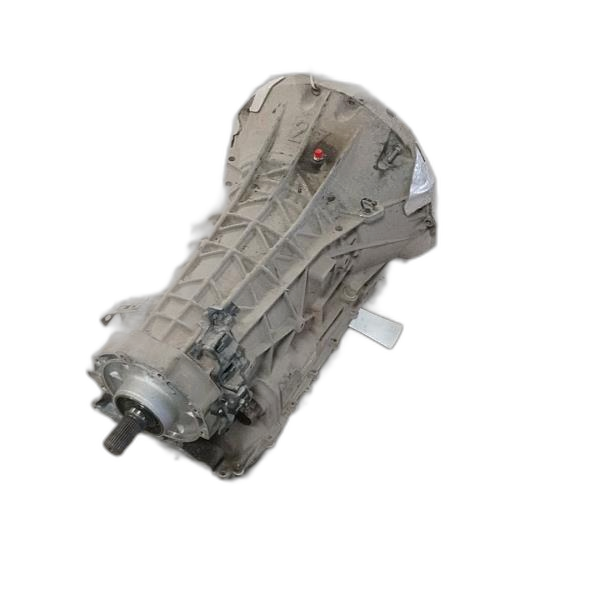
Shop the Parts Behind P0775
Below are the parts most often responsible for code P0775, ranked by how frequently each one is the actual culprit (per the diagnosis above). Tap any to see what we have for your vehicle.



The information in this article is provided for general reference and educational purposes only. Vehicle specifications, procedures, and part compatibility can vary by production date, trim level, and region. Always consult your vehicle's factory service manual and verify part numbers before purchasing or performing repairs. Safety-critical components such as airbags, seat belts, and braking systems should be installed by a qualified professional.
- 🧭 Diagnostic Flowchart
- 🎬 Helpful Videos
- 🛍️ Shop This Part
- What Does P0775 Mean?
- Can I Drive With P0775?
- Common Causes
- Symptoms
- Common Fixes & Costs
- Used vs. New Parts: Buying Guide
- What Happens If You Wait — Timeline
- Cost of Not Fixing It
- Diagnosis Steps
- When This Code Triggers (Freeze-Frame Conditions)
- Related Codes
- Climate & Environmental Factors
- How to Talk to a Mechanic About This Code
- Where to Take It: Dealer vs Independent vs Chain
- When to Walk Away From the Repair
- What Scan Tool You Need for This Code
- How to Clear the Code After You Fix It
- Will This Fail Emissions / State Inspection?
- Manufacturer-Specific Notes
- Real Owner Stories
- 2008 Honda Odyssey at 140K miles - The Fluid Fix
- 2004 Ford Explorer (5R55S) at 115K miles - The Misdiagnosis
- 2015 Subaru Outback (CVT) at 85K miles - The Warranty Save
- How to Prevent This Code From Triggering
- Frequently Asked Questions
- What does the Pressure Control Solenoid 'B' actually do?
- What are the most common misdiagnoses for P0775?
- Can a bad TCM or PCM cause a P0775 code?
- My car's O/D OFF light is flashing. Could it still be P0775?
- How much does it cost to fix P0775?
- Is a transmission flush a good idea for this code?
- Will this code cause my car to fail an emissions inspection?
- What happens if I don't fix a pressure control solenoid?
- Key Takeaways
- 🎟️ Get 5% Off