

P0780 on 2014-2017 Mazda MAZDA6: Shift Malfunction Causes and Fixes
On a 2014-2017 Mazda6, code P0780 indicates a 'Shift Malfunction' and is most often caused by a known issue documented in Mazda Technical Service Bulletin (TSB) 05-004/18. The issue stems from contamination in the transmission fluid causing internal oil pressure switches to stick. The primary fixes are a transmission software (TCM) update to adjust sensor tolerances, or if that fails, replacing the oil pressure switches (A and B) located on the valve body.
- P0780 on a 2014-2017 Mazda6 is a known issue with a clear repair path defined by Mazda.
- Do not immediately assume a costly transmission rebuild is necessary. The fix is very often a software update or a targeted replacement of oil pressure switches.
- Always check for related codes (P1738, P0842, P0847, etc.) as they help confirm the diagnosis points to the valve body.
- Using the correct Mazda ATF FZ fluid is critical for the health and proper function of this transmission.
- This repair is best left to a professional with access to Mazda's software and service information.
What's Unique About the 2014-2017 Mazda MAZDA6
The 2014-2017 Mazda6 uses the SKYACTIV-DRIVE 6-speed automatic transmission, model FW6A-EL. For this specific platform, Mazda has issued multiple Technical Service Bulletins (TSBs), most notably 05-004/18, that directly address code P0780. 🎬 Watch: Understanding the causes and fixes for code P0780 The issue is frequently linked to contamination in the transmission fluid causing oil pressure switches A and/or B within the control valve body to stick. This makes the problem a well-documented pattern rather than a random failure, with specific repair paths involving either a TCM software update to loosen sensor tolerances or targeted component replacement within the transmission.
Diagnostic Flowchart
Tap your situation to follow the diagnostic path that matches what you're seeing on this vehicle.
Symptoms You May Notice
- Check Engine Light and/or AT (Automatic Transaxle) warning light is on.
- Harsh or jarring shifts between gears, especially aggressive downshifts when braking.
- Transmission fails to shift into or out of a gear.
- Transmission gets stuck in 'limp-home' mode (often 3rd gear).
- Delayed gear engagement from Park.
- Transmission slipping, where the engine RPMs increase without a corresponding increase in vehicle speed.
- Whining noise from the transmission.
- Replacing shift solenoids unnecessarily. The issue on this platform is more often related to the oil pressure switches or software, not the shift solenoids themselves.
- Assuming a full transmission rebuild is needed. Due to the known TSBs, the fix is often a much less expensive software update or valve body component replacement. One owner was quoted $5,400 for a new transmission before learning about the TSB.
Most Likely Causes
- TCM Software Requires Update 🔴 High Probability Mazda has released multiple TSBs (e.g., 05-004/18, 05-002/15) that call for a TCM software update as a primary fix. The updated software loosens the pressure sensor tolerances, preventing the code from being triggered by minor contamination.
How to confirm: A Mazda dealer or a properly equipped independent shop can check the current software calibration file against the latest version available from Mazda. This is the first step in the diagnostic procedure outlined by the TSB.
Typical fix: Reprogramming the Transmission Control Module (TCM) with the latest software using the Mazda M-MDS tool.
Est. part cost: $0 - Sticking/Faulty Oil Pressure Switches in Valve Body 🔴 High Probability → Shop Engine Oil Pressure Switch TSB 05-004/18 explicitly states that contamination in the transmission fluid can cause oil pressure switches A and/or B in the control valve body to stick, triggering P0780 and other related codes. These switches are highly sensitive to micro-particles in the fluid.
How to confirm: This is diagnosed after a software update fails to resolve the issue. The presence of codes like P0842, P0847, P0872, or P0877 alongside P0780 strongly points to this cause, as they directly name the pressure switches.
Typical fix: Replace the faulty oil pressure switches (A and B) located on the valve body. This requires removing the transmission oil pan and strainer. In some cases, the entire valve body assembly is replaced.
Est. part cost: $150-$400 - Low or Dirty Transmission Fluid 🟡 Medium Probability → Shop Transmission Assembly While common to all automatic transmissions, it's particularly relevant here as dirty fluid is the root cause of the sticking pressure switches mentioned in Mazda's TSBs. Using fluid other than the specified Mazda ATF FZ can exacerbate issues.
How to confirm: Check the transmission fluid level and condition. The fluid should be at the correct level, bright red, and not smell burnt or contain visible debris. This transmission does not have a traditional dipstick, so checking it requires a specific procedure on a lift.
Typical fix: Perform a transmission fluid drain and fill or a full fluid exchange using only Mazda ATF FZ fluid. A transmission flush was reported by one owner to cost around $270. A fluid and filter change is a common repair step.
Est. part cost: $80-$200
Rare But Worth Checking
- Faulty Transmission Control Module (TCM): → Shop Transmission Assembly While a software glitch is common, an actual hardware failure of the TCM is rare but possible. The TCM is integrated into the valve body, so a failure often necessitates replacing the entire valve body assembly. This should only be considered after all other possibilities, especially those outlined in TSBs, have been exhausted.
- Internal Mechanical Failure: A major internal failure, such as a worn clutch pack or a damaged torque converter, could cause a shift malfunction. This is usually accompanied by more severe symptoms like loud noises, significant metal debris in the transmission fluid pan, or a complete loss of movement.
Diagnosis Steps
- Scan the TCM for all stored trouble codes. Note if P0780 appears with other codes like P1738 or any pressure switch codes (P0842, P0847, etc.).
- Check the transmission fluid level and condition. This is a critical first step, as low or contaminated fluid is a primary cause. If low, top it off. If dirty or burnt, a fluid and filter change is recommended using Mazda ATF FZ.
- Check for applicable TSBs. Using the vehicle's VIN, determine if a TCM software update is available as per Mazda TSB 05-004/18 or its successors.
- If a software update is available, perform the TCM reprogramming. This is often the first and only required step. A dealer or specialized shop must perform this.
- If the code returns after the software update, or if the software is already current, proceed with diagnosing the valve body components.
- Inspect the wiring and connectors to the transmission for any damage or corrosion.
- Following TSB 05-004/18 guidelines, replace oil pressure switches A and B on the valve body. This requires removing the transmission oil pan and oil strainer.
- After any repair involving component replacement or fluid changes, perform the 'Initial Learning Procedure' for the transmission as specified by Mazda's service manual. This can be done with or without a scan tool and forces the TCM to relearn clutch engagement points.
Parts You'll Likely Need
- Oil Pressure Switch 'A'
(OEM #FZ01-21-2C0)— TSB 05-004/18 identifies this switch as a primary failure point due to contamination. It is located on the valve body.
Trusted brands: Mazda (OEM)
OEM price range: $75-$150
Aftermarket price range: $50-$100 - Oil Pressure Switch 'B'
(OEM #FZ01-21-2J0)— TSB 05-004/18 identifies this switch as a primary failure point due to contamination. It is located on the valve body.
Trusted brands: Mazda (OEM)
OEM price range: $75-$150
Aftermarket price range: $50-$100 - Transmission Control Valve Body Assembly
(OEM #FZ21-21-100J, FZ01-21-1F1)— In some cases, or if the TCM integrated into the valve body has failed, the entire assembly is replaced. This is a more expensive but comprehensive repair.
Trusted brands: Mazda (OEM)
OEM price range: $1200-$1500
Aftermarket price range: $500-$800 - Automatic Transmission Fluid (ATF)
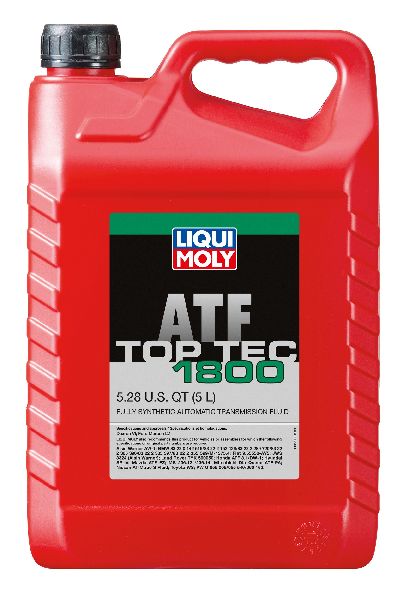
(OEM #0000-FZ-113E-01 (Mazda ATF FZ))— Required for any repair involving the valve body or for a fluid service. The correct type is Mazda ATF FZ. Using the wrong fluid can cause shifting problems.
Trusted brands: Mazda (OEM), Idemitsu, Ravenol
OEM price range: $15-$25 per quart
Aftermarket price range: $10-$20 per quart - Transmission Oil Pan Gasket/Sealant — The oil pan must be removed to access the valve body. These transmissions often use a form-in-place gasket (sealant) which must be reapplied.
Trusted brands: Permatex, ThreeBond
OEM price range: $20-$40
Aftermarket price range: $10-$25
Related Codes That Often Appear With This One
- P1738 — This code for 'Automatic Transaxle Internal Malfunction' is frequently cited in the same TSBs as P0780 and points to the same underlying cause within the valve body.
- P0842, P0847, P0872, P0877 — These codes directly relate to the oil pressure switches that Mazda identifies as a common failure point. P0847 and P0872 point to switch A, while P0842 and P0877 point to switch B. Their presence strongly suggests the valve body/pressure switch issue described in TSBs.
Technical Service Bulletins (TSBs) & Recalls
- 05-004/18: This is the most comprehensive and superseding TSB. It explicitly states the cause is sticking oil pressure switches (A and/or B) from contamination. It provides a detailed diagnostic flow chart starting with a TCM software update and proceeding to switch replacement if the problem persists. It covers a wide range of Mazda vehicles with the SKYACTIV 6AT.
- 05-002-23: A later TSB that also lists P0780 along with other codes related to the automatic transaxle warning light, confirming the issue is ongoing. [NHTSA TSB #05-002-23]
- 0500215: An earlier version of the TSB which also mentions P0780 with other DTCs when the Check Engine and A/T Warning lights are on, pointing to the same set of issues.
- 05-003/14: An older TSB that also links P0780 and P1738 to the same valve body issues. [NHTSA TSB #05-003/14]
Platform-Specific Known Issues
- A series of TSBs, culminating in #05-004/18, document that 2014-2018 Mazda6 models can set P0780 due to contamination causing oil pressure switches in the valve body to stick.
- An owner of a 2015 model reported code P0780 and was told by technicians to re-program the transmission, aligning with TSB recommendations. [ODI #10863682]
- A Reddit user with a 2015 CX-5 (a platform mate) experienced P0780 and P0847, which was resolved with a dealer TCM reprogram and transmission flush for a total of about $440.
Mechanic-Grade Diagnostic Values
- Oil Pressure Switch Continuity Test (Off-Vehicle) — expected: For a normally closed switch, continuity (near 0 ohms) with no pressure applied. For a normally open switch, no continuity (OL) with no pressure applied.. Failure: The switch state does not change when air pressure is applied, or it leaks air from its body or seams.
- Scan Tool Live Data during 'Initial Learning' — expected: Engine RPM will raise to ~1200 RPM, and live data for the oil pressure switches will show them rapidly cycling ON and OFF.. Failure: The RPM does not raise, or the switches do not cycle as expected, indicating a failure in the learning process or a component issue.
- Transmission Fluid Temperature for 'Initial Learning' — expected: Between 140-230°F (60-110°C).. Failure: If the fluid temperature is outside this range, the initial learning procedure will abort or fail to start.
Scan Tool Commands That Help
- Mazda M-MDS (or manual procedure): Initial Learning Procedure — Required after replacing the valve body or the oil pressure switches to allow the TCM to learn the hydraulic response characteristics of the new parts. It resets adaptive learning to a 'blank state' and calibrates clutch engagement timing.
- Mazda M-MDS: Module Reprogramming — Used to flash the Transmission Control Module (TCM) with updated software provided by Mazda via a TSB. This is the primary first step in the official repair procedure to correct diagnostic logic.
Wiring & Ground Locations
- Transmission Main Ground — A ground wire from the negative battery terminal bolts to a bracket on top of the transmission case.. A poor main ground for the transmission can cause erratic behavior from all electronic components within it, including the TCM, sensors, and solenoids, potentially triggering false codes.
- Passenger Motor Mount Ground — A ground point is located on the passenger-side motor mount.. This provides a key grounding path for the powertrain. Corrosion or a loose connection here can lead to various electrical issues.
- Chassis Jump-Start Ground Point — The owner's manual specifies a dedicated, unpainted bolt on the chassis away from the battery for use as a ground point when jump-starting.. This is a confirmed, solid ground location that can be used as a reference point when testing for bad grounds elsewhere in the transmission control circuit.
OEM Part Supersession History
FZ21-21-100→Various pre-programmed part numbers (e.g., PEY0-21-COO for a 2012 Mazda3)— To simplify repairs by eliminating the need for on-site TCM configuration/programming after valve body replacement.
Heads up: For vehicles produced on or before March 31, 2013, the blank valve body was discontinued. A specific, pre-programmed valve body must be ordered by VIN. Installing a blank or incorrect unit will result in failure.
Model Year Variations Within This Range
- 2014 (early production): Early production 2014 models may fall under a service bulletin (RF-13-09) that specifies using pre-programmed valve bodies instead of a generic 'blank' part that requires programming. This was a change implemented around March 2013, affecting the first wave of this vehicle generation.
Helpful Videos


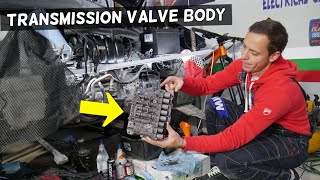
We Have This Part in Stock

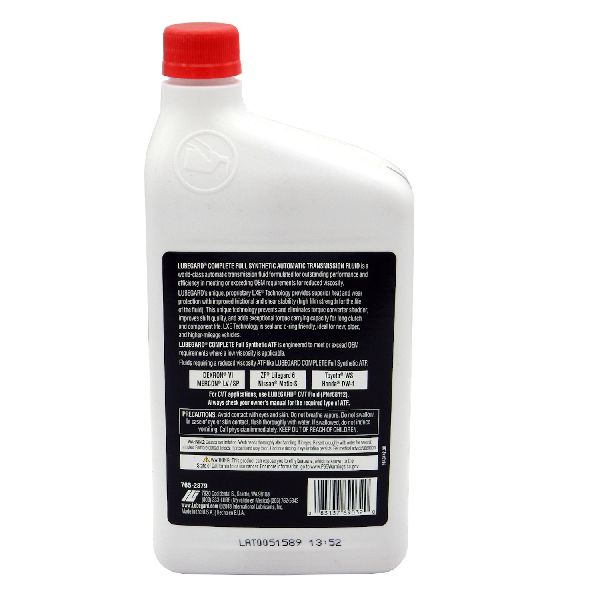
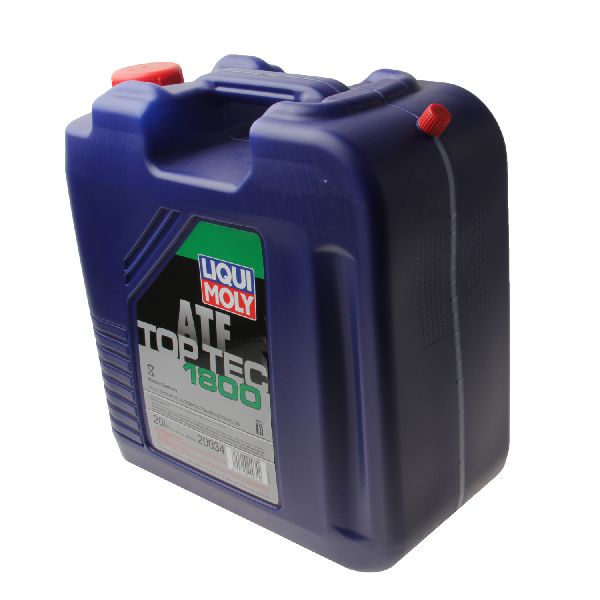


The information in this article is provided for general reference and educational purposes only. Vehicle specifications, procedures, and part compatibility can vary by production date, trim level, and region. Always consult your vehicle's factory service manual and verify part numbers before purchasing or performing repairs. Safety-critical components such as airbags, seat belts, and braking systems should be installed by a qualified professional.
- Mazda MAZDA6:
- 🧭 Diagnostic Flowchart
- 🎬 Helpful Videos
- 🛍️ Shop This Part
- What's Unique About the 2014-2017 Mazda MAZDA6
- Symptoms You May Notice
- Most Likely Causes
- Rare But Worth Checking
- Diagnosis Steps
- Parts You'll Likely Need
- Related Codes That Often Appear With This One
- Technical Service Bulletins (TSBs) & Recalls
- Platform-Specific Known Issues
- Mechanic-Grade Diagnostic Values
- Scan Tool Commands That Help
- Wiring & Ground Locations
- OEM Part Supersession History
- Model Year Variations Within This Range
- 🎟️ Get 5% Off