

OBD-II Code P0783: 3-4 Shift Malfunction
What P0783 means, why it triggers, and how to fix it
- Check your transmission fluid level and condition first, as low or burnt fluid is the most common and cheapest cause of a P0783 code.
- Stop driving immediately; continuing to drive with a failed 3-4 shift overheats the transmission and turns a $200 solenoid repair into a $3,500 rebuild.
- Expect the vehicle to enter 'limp mode,' locking into 2nd or 3rd gear and severely limiting your speed to under 40 mph.
- Test the electrical circuit before replacing parts; a corroded wiring harness causes the exact same symptoms as a failed 3-4 shift solenoid.
- Budget between $150 for a basic fluid and filter change up to $4,500 for a complete transmission replacement if internal clutches are destroyed.
What Does P0783 Mean?

P0783 means the Powertrain Control Module (PCM) detected a failure when shifting from third to fourth gear. The computer expects a specific engine RPM drop during this shift; when it detects a slip or incorrect electronic feedback, it triggers the code.
Technical definition: SAE/OBD-II defines P0783 as '3-4 Shift Malfunction.' The Transmission Control Module (TCM) sets this code when the actual gear position does not match the commanded 4th gear. The TCM verifies this by comparing input and output speed sensor signals to ensure the correct gear ratio. It also monitors the voltage signature from the solenoid circuit; a missing inductive kick when the solenoid deactivates triggers the code.
Can I Drive With P0783?

No — Do Not Drive. The transmission enters 'limp mode,' locking into a single gear (usually 2nd or 3rd) and severely limiting speed. Continuing to drive overheats the transmission, turning a $200 solenoid repair into a $3,500 rebuild. Driving for more than a few miles destroys clutch packs and seals from excessive heat.
Common Causes

- Low, Dirty Fluid or Clogged Filter (Very Common) — Fluid that is low, burnt, or restricted by a clogged filter lacks the hydraulic pressure needed to actuate the 3-4 shift. This is the most frequent and cheapest cause.
- Faulty 3-4 Shift Solenoid (Very Common) — This electronic valve directs fluid to engage the 3-4 shift. If it sticks open/closed or fails electrically (internal short/open), the shift cannot occur.
- Wiring or Electrical Issues (Common) — Damaged wires, corroded connectors, or a bad ground interrupt the TCM signal. A resistance increase of just 0.5 ohms delays the shift and triggers the code.
- Faulty Transmission Valve Body (Less Common) — The valve body directs fluid flow through a maze of channels. Debris blocks these passages or sticks valves, preventing specific gear changes.
- Internal Transmission Failure (Less Common) — Mechanical wear on the 3-4 clutch pack, seals, or bands physically prevents the transmission from holding 4th gear.
- Faulty Transmission Control Module (TCM) (Rare) — The transmission computer fails internally, sending incorrect or zero voltage to the shift solenoid due to a blown driver transistor or software corruption.
- Faulty Transmission Range Sensor (TRS) (Rare) — The TRS sends incorrect gear position data, confusing the computer and preventing the 3-4 shift command.
- Low System Voltage (Very Rare) — A failing battery or alternator drops system voltage, causing erratic solenoid and TCM behavior.
Symptoms

- Check Engine Light / Transmission Warning Light On — The dashboard illuminates the Check Engine Light, a 'Transmission Fault' message, or a flashing O/D light.
- Harsh, Delayed, or Failed Shifting (Engine Flare) — The car jerks or hesitates when shifting between 3rd and 4th. Often, the engine RPMs flare up as if in neutral, and the transmission refuses to enter 4th gear.
- Transmission Stuck in 'Limp Mode' — The transmission locks into 2nd or 3rd gear to prevent internal damage, severely limiting acceleration and top speed.
- Reduced Fuel Economy — The engine runs at high RPMs on the highway because it cannot access the efficient 4th (overdrive) gear.
- Burnt Smell from Transmission Fluid — Friction from slipping clutches burns the transmission fluid, producing a distinct acrid smell.
- Abnormal Noises from Transmission — The transmission whines, whirs, or clunks during a failed 3-4 shift attempt.
Diagnostic Flowchart

Tap your situation to follow the diagnostic path that matches what you're seeing on this code.
Common Fixes & Costs
- Transmission Fluid and Filter Change — Parts: $50-$120, Labor: $100-$250, ~1.5 hr book time (Intermediate)
- Replace 3-4 Shift Solenoid — Parts: $25-$350, Labor: $200-$500, ~3 hr book time (Advanced)
- Repair Wiring Harness or Connectors — Parts: $20-$60, Labor: $200-$500, ~2.5 hr book time (Intermediate)
- Replace or Rebuild Valve Body — Parts: $300-$800, Labor: $400-$1,200+, ~4.5 hr book time (Professional)
- Transmission Rebuild or Replacement — Parts: $2,000-$4,500+, Labor: Included in total cost, ~10 hr book time (Professional)
- Replace Transmission Control Module (TCM) — Parts: $300-$1000+, Labor: $150-$350, ~2.5 hr book time (Professional)
DIY vs Professional
- Transmission Fluid and Filter Change — Beginner:
- Replace 3-4 Shift Solenoid — Beginner:
- Repair Wiring Harness or Connectors — Beginner:
- Replace or Rebuild Valve Body — Beginner:
- Replace Transmission Control Module (TCM) — Beginner:
Used vs. New Parts: Buying Guide
When a used part is worth it: Buying a used internal transmission electronic part rarely makes sense. The significant labor cost to access the part means a premature failure of a used solenoid costs more in repeat labor than the initial savings.
Donor-vehicle mileage cap: roughly under 60000 miles for the part to have meaningful remaining life.
Donor quality checklist:
- Verify the donor vehicle was not scrapped due to transmission failure.
- Match the part number exactly; minor variations cause functional issues.
- Avoid parts from vehicles with high mileage or poor maintenance history.
Decision logic:
- If The cost of a new OEM or quality aftermarket solenoid is less than the cost of 2 hours of shop labor → Buy new. The financial risk of a used part failing is not worth the minimal savings.
- If The vehicle is very old (15+ years) with high mileage (>150K) and you are performing the labor yourself → A used part from a low-mileage, accident-damaged donor vehicle is a calculated risk to save money, but not recommended.
- If The part is a complete solenoid pack → Strongly favor a new or remanufactured unit, replacing multiple potential failure points at once.
Warranty tradeoff: Used parts from a salvage yard offer a 30-90 day warranty on the part only. A failed part means you pay for expensive labor a second time. New aftermarket parts carry a 1-year to limited lifetime warranty.
Worst-case if a used part fails: $400-$800. This represents the cost of repeat labor to drop the transmission pan and replace the faulty used solenoid, doubling the repair cost.
What Happens If You Wait — Timeline
- 0-1 month: Code P0783 appears. Check Engine Light is on. The 3-4 shift is delayed or fails intermittently. The transmission enters 'limp mode' occasionally. (MPG impact: 5-10%% · Added cost: $0-$50 in wasted fuel. The problem is often a simple electrical issue or dirty fluid.)
- 1-3 months: The 3-4 shift consistently fails, forcing the engine to run at high RPMs. Slipping generates significant heat, burning the transmission fluid. (MPG impact: 10-20%% · Added cost: $200-$500. The original problem now requires a fluid flush and new filter due to burnt, contaminated fluid.)
- 3-6 months: The 3-4 clutch pack is severely worn from repeated slipping and overheating. Burnt fluid loses lubricating properties, accelerating wear on other seals. Metal shavings circulate. (MPG impact: 15-25%% · Added cost: $2,000-$3,500. The transmission requires a rebuild to replace the destroyed 3-4 clutch pack and damaged seals.)
- 6+ months: Catastrophic failure. Debris scores the valve body, damages the torque converter, and clogs the transmission cooler. The vehicle becomes completely inoperable. (MPG impact: N/A (Vehicle undrivable)% · Added cost: $4,000-$7,000+. A full replacement with a remanufactured transmission is necessary, along with replacing the external cooler.)
Cost of Not Fixing It
- Immediate (0-1 month): Reduced fuel economy due to being stuck in a lower gear. Unsafe driving conditions from being in 'limp mode' with limited speed and acceleration. (Added cost: $50-$150 in extra fuel costs, plus high safety risk.)
- Medium-Term (1-6 months): Continuous slipping of the 3-4 clutch pack generates extreme heat, burning the transmission fluid. This degraded fluid causes accelerated wear on all internal seals and clutch packs. (Added cost: $2,500-$4,500. The problem escalates from a sub-$800 solenoid repair to requiring a full transmission rebuild.)
- Long-Term (6+ months): Catastrophic transmission failure. The 3-4 clutch pack is destroyed, and metal debris damages the valve body, torque converter, and transmission cooler. The vehicle becomes inoperable. (Added cost: $4,000-$7,000+. This necessitates a complete transmission replacement, including flushing the cooler to prevent debris from contaminating the new unit.)
Diagnosis Steps
- Scan for Trouble Codes
Use an OBD-II scanner to confirm P0783 is present and check for related codes. Codes like P0700 or P0734 provide diagnostic clues.
Tools: OBD-II Scanner (Beginner) - Check Transmission Fluid Level and Condition
With the engine warm and running, check the transmission fluid dipstick. The fluid must be at the 'FULL' mark, bright red, and not smell burnt. Dark or gritty fluid indicates internal wear.
Tools: Rag, Owner's Manual (Beginner) - Inspect Wiring and Connectors
Visually inspect the wiring harness going to the transmission. Look for frayed wires, loose connections, heat damage, or corrosion on the main connector and TCM plugs.
Tools: Flashlight (Intermediate) - Test Solenoid Resistance and Compare to Specs
Disconnect the main harness at the transmission. Measure resistance across the 3-4 shift solenoid pins using a multimeter. Compare to factory specs (e.g., GM 4L60-E: 20-25 Ohms; Ford 4R70W: 20-30 Ohms). Infinite or zero resistance means a dead solenoid.
Tools: Multimeter, Service Manual/Wiring Diagram (Advanced) - Test Circuit Integrity (Shorts)
With the harness unplugged, check for a short to ground by measuring resistance from each solenoid pin to a chassis ground (should be OL). Check for a short to power by testing for voltage at the pins with the key on (should be 0V). Voltage or continuity indicates a wiring problem.
Tools: Multimeter, Service Manual (Advanced) - Command Solenoid with Bi-Directional Scanner
Command the 3-4 shift solenoid on and off using an advanced scan tool. Listen for an audible 'click' from inside the transmission pan. No click confirms a dead solenoid or wiring issue without removing the pan.
Tools: Advanced Bi-Directional Scan Tool (Advanced) - Perform Road Test with Live Data
Drive the vehicle while monitoring 'Commanded Gear' and 'Actual Gear' PIDs on a scan tool. This confirms if the TCM commands the 3-4 shift and the transmission fails to respond, pointing to a mechanical/hydraulic issue.
Tools: Advanced Scan Tool (Advanced) - Perform Transmission Pressure Test
Connect a pressure gauge to the transmission test ports. Compare idle and stall pressures to the service manual (e.g., GM 4L60-E idle: 55-65 PSI). Low pressure during the 3-4 shift confirms a hydraulic leak or worn clutch pack.
Tools: Transmission Pressure Gauge Set, Service Manual (Professional) - Inspect Valve Body and Internal Components
Remove the transmission oil pan. Visually inspect the shift solenoid, valve body, and check for metal shavings or clutch material in the pan, confirming a serious internal mechanical failure.
Tools: Socket Set, Drain Pan, Gasket Scraper, Torque Wrench (Professional)
When This Code Triggers (Freeze-Frame Conditions)
- Engine Coolant Temp: 180-210°F (82-99°C) (The engine must be at full operating temperature for the TCM to run this diagnostic.)
- Engine RPM: 1800-2800 RPM (The fault logs during steady, light-throttle acceleration when the 3-4 shift is commanded.)
- Engine Load: 25-60% (Indicates moderate engine effort consistent with cruising, not heavy acceleration or idling.)
- Vehicle Speed: 35-55 mph (56-88 km/h) (The typical speed range where an automatic transmission attempts to shift into 4th gear.)
Related Codes
- P0700 — A general transmission fault code. It means the TCM stored a specific code (P0783) and requested the Check Engine Light. P0700 tells you to look for specific 'P' codes.
- P0781, P0782, P0784 — Shift malfunctions in other gears. Seeing them alongside P0783 points to a wider issue like low fluid, a failing TCM, or a major electrical problem affecting multiple circuits.
- P0734 — P0734 means 'Gear 4 Incorrect Ratio'. P0783 is the CAUSE (the shift command failed), and P0734 is the EFFECT (the resulting gear ratio is wrong). Diagnose P0783 first.
- P0758 — P0758 indicates an ELECTRICAL fault in the 'Shift Solenoid B' circuit. P0783 is a PERFORMANCE fault. You can have a good electrical circuit but a mechanically stuck solenoid causing P0783.
Climate & Environmental Factors
- Extreme Cold: Cold weather thickens transmission fluid. Increased viscosity slows hydraulic action, leading to delayed or harsh shifts until the transmission warms up, triggering P0783.
- Extreme Heat: High temperatures accelerate fluid breakdown. Degraded fluid loses its ability to lubricate and cool, increasing wear on clutches and seals, leading to slipping.
- High Humidity / Coastal Air: Humid air introduces moisture into the transmission, causing internal corrosion. Salty coastal air corrodes external wiring connectors, leading to electrical faults.
- High Altitude: Lower air density reduces the cooling efficiency of the transmission cooler, leading to higher operating temperatures and accelerated fluid breakdown.
How to Talk to a Mechanic About This Code
Say this: "I have an OBD-II code P0783 for a 3-4 shift malfunction, and the transmission is failing to shift into fourth gear. I need to schedule a diagnostic. Please start with the basics: check the transmission fluid level and condition, and inspect the external wiring harness for damage. Before recommending a major repair, I need the results of the electrical resistance and circuit tests on the 3-4 shift solenoid."
This language proves you researched the issue and directs the shop toward a logical diagnosis. It prevents them from jumping to a $3,000 transmission rebuild and focuses on common $200-$500 culprits like fluid, wiring, or a single solenoid.
Avoid saying:
- 'My transmission is acting weird.' (Too vague, invites a wide range of costly suggestions)
- 'Just fix whatever is wrong with it.' (Gives the shop a blank check to replace parts without your approval)
- 'I got a low quote over the phone from another shop.' (Invites a 'bait and switch' where the initial price is low but inflates after they start work)
Questions to ask before authorizing the repair:
- What was the condition and level of the transmission fluid? Did you find any metal shavings in the pan?
- What was the resistance measurement for the 3-4 shift solenoid? Was it within the manufacturer's specified range?
- Did you test the solenoid's circuit for shorts to power or ground?
- If you recommend a rebuild or replacement, what specific internal mechanical failure makes a simpler repair impossible?
- What is the warranty on the proposed repair, and does it cover both parts and labor?
Where to Take It: Dealer vs Independent vs Chain
- Dealer:
A strong option for in-warranty vehicles or if a known software TSB exists. For out-of-warranty vehicles, it is an unnecessarily expensive choice.
Best for: Vehicles under powertrain warranty, as the repair is fully covered., Newer vehicles (under 5 years old) requiring a specific Technical Service Bulletin (TSB) or proprietary software update., Complex European brands requiring specialized OEM diagnostic tools.
Downsides: Charges the highest labor rates ($150-$250/hr) and OEM parts markups., Often lacks deep rebuilding expertise, favoring full, expensive transmission replacements over targeted internal repairs. (Typical cost: +50% vs. baseline) - Independent Shop:
Best overall fit. A reputable independent shop specializing in transmissions offers the best balance of expertise and value for diagnosing issues ranging from simple solenoids to full rebuilds.
Best for: Out-of-warranty vehicles where cost is a major factor., Finding a dedicated transmission specialist with deep experience diagnosing and rebuilding internal components., Building a long-term relationship with a trusted mechanic.
Downsides: Quality varies significantly; you must vet the shop through reviews and ASE certifications., Lacks access to the absolute latest manufacturer software updates in some cases. (Typical cost: +0% vs. baseline) - Chain Shop:
AVOID for diagnosis and repair. They lack the in-depth electrical and mechanical diagnostic tools required for a P0783 code, risking misdiagnosis and costly, unnecessary work.
Best for: A basic fluid level and condition check.
Downsides: Technicians are generalists, not specialists in complex internal transmission diagnostics., High pressure to upsell services like transmission flushes, which destroy older, un-serviced transmissions., Franchise models mean quality differs drastically from one location to another. (Typical cost: -10% vs. baseline)
When to Walk Away From the Repair
If the estimated repair cost exceeds 50% of your car's private-party value (check Kelley Blue Book or Edmunds), sell the car instead of fixing it.
- Car worth $4000, fix is $2800: Walk away. A transmission rebuild costing $2,800 is 70% of the car's value. It is a poor financial investment.
- Car worth $12000, fix is $750: Fix it. A $750 repair for a faulty solenoid and fluid change is only 6% of the car's value.
- Car worth $5000, fix is $3500: Walk away. The cost of a replacement transmission exceeds the 50% rule of thumb.
What Scan Tool You Need for This Code
Minimum: A scanner that reads manufacturer-specific transmission codes and views live transmission data (fluid temperature, commanded gear vs. actual gear).
A generic $20 code reader only shows the P0783 code but lacks the transmission-specific live data needed to see if the computer commands the shift. Without bidirectional control, you are just guessing at the cause.
Budget: FOXWELL NT604 Elite / similar (~$90) — Reads and clears codes from the Engine, ABS, SRS, and Transmission modules. Confirms the code originates from the transmission controller, not a generic engine fault.
Mid-range: Innova 5610 / Autel MaxiCOM MK808S (~$320-450) — Provides full bidirectional control. Commands the 3-4 shift solenoid on and off directly from the tool to test its mechanical function (listening for a 'click') without removing the transmission pan. This is mandatory for DIY diagnosis.
Professional: Autel MaxiSys Series / Launch X431 Series (~$900-1500) — Offers OEM-level functions, including advanced coding and programming necessary if the TCM requires replacement. Provides professional-grade live data graphing to analyze solenoid performance.
Rent vs buy: Auto parts stores offer free 'loan-a-tool' scanners, but these are simple code readers lacking transmission-specific live data or bidirectional functions. For P0783, renting is useless; buy a mid-range tool or pay a professional.
How to Clear the Code After You Fix It
- Perform the specific repair (e.g., replace solenoid, fix wiring).
- Reconnect any disconnected components, including the battery.
- Use an OBD-II scan tool to clear the P0783 and related trouble codes.
- Perform a transmission drive cycle to verify the repair and allow readiness monitors to set.
Drive cycle (~30 minutes): 1) Cold start (sit for 8+ hours). 2) Idle for 2-3 minutes. 3) Drive in stop-and-go city traffic for 10-15 minutes, ensuring multiple shifts. 4) Accelerate to a steady highway speed of 55 mph for at least 5 minutes to test the 3-4 shift. 5) Coast down to 20 mph without braking. 6) Park and shut off the engine.
Readiness monitors affected: Comprehensive Component Monitor, Catalyst Monitor, Oxygen Sensor Monitor
Before emissions retest: drive at least 100 miles to fully set monitors.
Watch out for:
- Disconnecting the battery clears the code but resets all readiness monitors, guaranteeing an emissions test failure until a full drive cycle is completed.
- The code returns immediately if the underlying mechanical or electrical fault was not repaired.
- Not allowing the vehicle to cool down for a 'cold start' prevents certain monitors from running.
Will This Fail Emissions / State Inspection?
Yes — this code typically fails an OBD-II emissions inspection.
- California: An active Check Engine Light results in an automatic smog check failure. After repairs, a complete drive cycle must be performed to set all readiness monitors before a retest.
- New York: The NYS DMV vehicle inspection includes an OBD-II scan. A P0783 code causes the vehicle to fail the emissions portion of the inspection.
- Texas: In counties requiring emissions testing, a vehicle with a transmission-related DTC like P0783 fails the OBD-II test. The Check Engine Light being commanded 'on' is an automatic failure.
Most Commonly Affected Vehicles
- Ford F-150, Super Duty, Expedition, Ranger (1999-2023) — Related to solenoid pack or valve body issues on 4R70W, 4R100, and 10R80 transmissions. For 2018-2022 F-150s, TSB 22-2139 requires a valve body replacement and PCM update.
- Honda Accord, Odyssey, Pilot (2003-2017) — Caused by a failed 3rd gear clutch pack pressure switch or faulty shift solenoid. For the 2016-2017 Pilot, TSB 17-043 recommends a fluid flush and software update.
- Chevrolet / GMC Silverado, Sierra, Tahoe, Suburban (2000-2013) — Caused by a failed 3-4 shift solenoid (Solenoid 'B') or a stuck valve within the valve body on 4L60-E and 4L80-E transmissions.
- Dodge / Ram Ram 1500, Dakota, Durango (2002-2012) — Points to a failure in the solenoid pack on 45RFE and 545RFE transmissions. The entire solenoid block must be replaced even if only one solenoid fails.
- Hyundai / Kia Elantra, Sonata, Tucson, Optima, Sorento (2010-2020) — TSB 20-AT-008H addresses solenoid electrical faults. The fix involves replacing the specific solenoid and the internal wire harness as a set.
- Volkswagen Jetta, Golf, Passat, Tiguan (2006-2016) — On models with the 09G/TF-60SN transmission, this is caused by valve body wear. On other models, it relates to CAN bus communication errors between the TCM and PCM.
- Jaguar XJ, XK, S-Type (2003-2009) — On the ZF 6HP26 transmission, this points to a failing E-clutch, cracked seals between the mechatronic unit and the case, or a faulty solenoid.
- Acura TL, MDX (2004-2008) — Prone to the same failures as Honda models, related to clutch pressure switches or shift solenoids. Using genuine Honda/Acura ATF is critical.
Manufacturer-Specific Notes
- Ford: For the 10R80 transmission, TSB 22-2139 suggests a main control valve body overhaul and PCM relearn procedure. In older trucks, a failing alternator providing inconsistent voltage triggers this code.
- Honda/Acura: This code is a precursor to significant transmission failure. Using only genuine Honda/Acura ATF-DW1 is critical. Owners just outside the powertrain warranty should ask a dealer about goodwill assistance.
- Chrysler/Dodge/Jeep: Solenoids are part of a solenoid pack. If one fails, the entire pack must be replaced, increasing parts cost but simplifying the repair by replacing all solenoids at once.
- Hyundai/Kia: TSB 20-AT-008H provides a detailed procedure for diagnosing solenoid DTCs, involving replacing the specific solenoid and the oil pressure harness inside the transmission as a matched set.
Real Owner Stories
1999 Ford Expedition 5.4L (~350k miles)
O/D light blinked with code P0783. The transmission was rebuilt 15,000 miles prior.
What they tried:
- The owner suspected the solenoid pack failed again.
Outcome: Forum advice pointed to electrical issues. The owner unplugged, checked for bent pins, and replugged all transmission connectors. The code cleared. A poor connection caused the fault.
Lesson: Always check electrical connectors and wiring integrity before assuming a major component failed. A loose connection mimics a serious internal fault.
2007 Dodge with 545RFE Transmission
Check engine light illuminated for a shift solenoid code. The vehicle required a solenoid replacement.
What they tried:
- The owner performed a DIY replacement of the entire solenoid pack.
Outcome: The owner replaced the solenoid pack in 2 hours. On Dodge transmissions, solenoids are not individually serviceable; the entire pack must be replaced by dropping the pan and removing the valve body.
Lesson: On Dodge/Chrysler/Jeep vehicles with 45RFE/545RFE transmissions, you must replace the entire solenoid pack, requiring valve body removal.
2010 Ford F-150 5.4L
Vehicle threw P0783. When shifting to 4th gear, it banged loudly, and the rear wheels locked up and chirped before downshifting to 3rd.
What they tried:
- The owner scanned the vehicle and observed the electronics working correctly.
Outcome: A transmission expert confirmed the violent symptoms indicated a severe internal mechanical failure within the 4th gear circuit, requiring a full rebuild.
Lesson: Severe physical symptoms like banging and wheel lock-up point to a catastrophic internal mechanical problem, not a sensor or solenoid.
2007 Audi A4 Avant 3.2L V6
Check engine light came on with code P0783. The owner researched low fluid, bad solenoids, and valve bodies.
What they tried:
- The owner posted on a forum asking for advice.
Outcome: The transmission required a complete, expensive rebuild.
Lesson: For European models, P0783 is often an early indicator of a major internal failure requiring a full rebuild or replacement.
How to Prevent This Code From Triggering
- Regular Transmission Fluid and Filter Changes (Every 30,000 to 60,000 miles, or as specified by the manufacturer.) — Clean fluid maintains hydraulic pressure, lubricates moving parts, and carries away heat, preventing wear on clutches and clogging of solenoids.
- Use Only OEM-Specified Transmission Fluid (Every time fluid is added or changed.) — Manufacturer-specific fluids contain precise friction modifiers. Generic fluids cause clutch slippage, harsh shifting, and codes like P0783.
- Install an Auxiliary Transmission Cooler (Once, especially for vehicles used for towing or in hot climates.) — Heat kills automatic transmissions. An external cooler reduces fluid temperature, protecting internal seals, clutches, and electronics from heat failure.
- Check for and Install TCM/PCM Software Updates (During routine service visits to a dealer.) — Software updates improve shift logic, adjust hydraulic pressures, and fix bugs causing false codes or unnecessary wear.
- Allow a Brief Warm-Up Period (Daily, especially in cold climates.) — Warming up for 30-60 seconds allows fluid to circulate and thin slightly, reducing the stress of harsh, cold shifts on internal components.
Frequently Asked Questions
What is the most common misdiagnosis for a P0783 code?
The most common mistake is replacing the 3-4 shift solenoid without testing the electrical circuit. Technicians often find the actual fault is a corroded connector or broken wire, which is much cheaper to fix. Always test the circuit with a multimeter before buying parts.
Can a software update fix a P0783 code?
Yes. Manufacturers like Honda and Ford issue Technical Service Bulletins (TSBs) where a TCM software update resolves the issue. The update adjusts shift logic and pressure control to prevent false codes.
What's the difference between P0783 and P0734?
P0783 means the 3-4 shift failed to execute. P0734 means the computer detected an incorrect gear ratio after the shift attempt. Always diagnose the P0783 shift failure first, as it directly causes the P0734 ratio error.
Can I just clear the P0783 code and keep driving?
You can clear it, but it returns immediately when the computer commands the next 3-4 shift. Clearing the code does not fix the mechanical fault, and driving in this state destroys the transmission.
How much does it cost to diagnose a P0783 code?
Shops charge a diagnostic fee between $100 and $180. This covers the OBD-II scan, visual inspection, and preliminary electrical testing.
Is a transmission flush safer than a drain and fill for this code?
If the fluid is dark, a fluid exchange helps, but a high-pressure flush on an un-serviced transmission dislodges debris and clogs valves. Manufacturers recommend multiple drain-and-fills instead. Always check your specific owner's manual.
Could a bad battery cause a P0783 code?
Yes. A weak battery or failing alternator drops system voltage, causing communication errors between the PCM and TCM. This triggers erratic solenoid behavior and false transmission codes.
Will replacing the 3-4 shift solenoid always fix a P0783 code?
No. The code indicates a failure in the 3-4 shift system, not just the solenoid. A broken wire, failing TCM, or hydraulic blockage in the valve body prevents even a brand-new solenoid from working.
Key Takeaways
- Check your transmission fluid level and condition first, as low or burnt fluid is the most common and cheapest cause of a P0783 code.
- Stop driving immediately; continuing to drive with a failed 3-4 shift overheats the transmission and turns a $200 solenoid repair into a $3,500 rebuild.
- Expect the vehicle to enter 'limp mode,' locking into 2nd or 3rd gear and severely limiting your speed to under 40 mph.
- Test the electrical circuit before replacing parts; a corroded wiring harness causes the exact same symptoms as a failed 3-4 shift solenoid.
- Budget between $150 for a basic fluid and filter change up to $4,500 for a complete transmission replacement if internal clutches are destroyed.
Shop the Parts Behind P0783
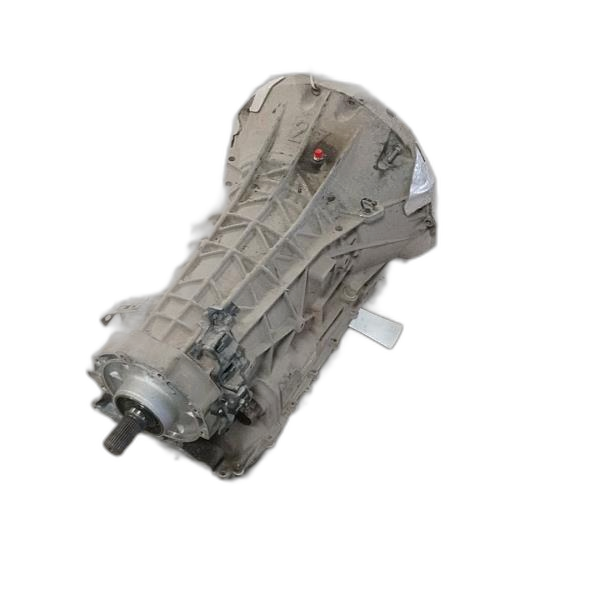
Below are the parts most often responsible for code P0783, ranked by how frequently each one is the actual culprit (per the diagnosis above). Tap any to see what we have for your vehicle.


The information in this article is provided for general reference and educational purposes only. Vehicle specifications, procedures, and part compatibility can vary by production date, trim level, and region. Always consult your vehicle's factory service manual and verify part numbers before purchasing or performing repairs. Safety-critical components such as airbags, seat belts, and braking systems should be installed by a qualified professional.
- 🧭 Diagnostic Flowchart
- 🛍️ Shop This Part
- What Does P0783 Mean?
- Can I Drive With P0783?
- Common Causes
- Symptoms
- Common Fixes & Costs
- DIY vs Professional
- Used vs. New Parts: Buying Guide
- What Happens If You Wait — Timeline
- Cost of Not Fixing It
- Diagnosis Steps
- When This Code Triggers (Freeze-Frame Conditions)
- Related Codes
- Climate & Environmental Factors
- How to Talk to a Mechanic About This Code
- Where to Take It: Dealer vs Independent vs Chain
- When to Walk Away From the Repair
- What Scan Tool You Need for This Code
- How to Clear the Code After You Fix It
- Will This Fail Emissions / State Inspection?
- Most Commonly Affected Vehicles
- Manufacturer-Specific Notes
- Real Owner Stories
- 1999 Ford Expedition 5.4L (~350k miles)
- 2007 Dodge with 545RFE Transmission
- 2010 Ford F-150 5.4L
- 2007 Audi A4 Avant 3.2L V6
- How to Prevent This Code From Triggering
- Frequently Asked Questions
- What is the most common misdiagnosis for a P0783 code?
- Can a software update fix a P0783 code?
- What's the difference between P0783 and P0734?
- Can I just clear the P0783 code and keep driving?
- How much does it cost to diagnose a P0783 code?
- Is a transmission flush safer than a drain and fill for this code?
- Could a bad battery cause a P0783 code?
- Will replacing the 3-4 shift solenoid always fix a P0783 code?
- Key Takeaways
- 🎟️ Get 5% Off