

P0783 on 2008-2011 Jaguar XK: 3-4 Shift Malfunction Causes and Fixes
On a 2008-2011 Jaguar XK, code P0783 almost always indicates a significant internal transmission issue, specifically the failure of a stator support bushing as outlined in Jaguar's Technical Service Bulletin JTB00305NAS1. This failure causes a loss of hydraulic pressure to the E-clutch, preventing the 3-4 shift. This is a complex, professional-level repair requiring transmission removal and overhaul, with costs often running into several thousand dollars.
- P0783 on a 2008-2011 Jaguar XK is a serious code that points to an internal transmission problem, not just a simple sensor.
- A Jaguar Technical Service Bulletin (JTB00305NAS1) directly links this code to a failing internal bushing, which is the most likely cause.
- The repair is complex and expensive, requiring the transmission to be removed and overhauled by a professional.
- Checking the transmission fluid level is a valid first step, but it is unlikely to be the final fix for this specific code on this car.
- Do not continue to drive the vehicle extensively, as this can turn a repairable transmission into one that needs a complete replacement.
What's Unique About the 2008-2011 Jaguar XK
The Jaguar XK from this era uses a ZF 6-speed automatic transmission (either the 6HP26 or the later 6HP28). While generally robust, Jaguar identified a specific weakness and issued a Technical Service Bulletin (JTB00305NAS1). The bulletin states that the cause for P0783 and related codes is often the degradation and failure of an internal "lead-free bush" (bushing), specifically the stator support bushing which seals the E-clutch apply pressure. Its failure leads to a direct loss of hydraulic pressure, making the 3-4 shift impossible. This makes the diagnosis on these specific vehicles more pointed than on other cars that might use a similar transmission but have different wear patterns.
Diagnostic Flowchart
Tap your situation to follow the diagnostic path that matches what you're seeing on this vehicle.
Symptoms You May Notice
- Transmission Malfunction Indicator Lamp (MIL) or Check Engine Light is on.
- "Transmission Fault" message appears on the instrument cluster display.
- Harsh, delayed, or completely failed shifting, specifically between 3rd and 4th gear.
- Vehicle enters "limp-home" mode, often stuck in a single gear (e.g., 3rd gear).
- Engine RPMs flare up when the 3-4 shift is attempted, without an increase in vehicle speed (slipping).
- A feeling of shuddering or jerking when the transmission attempts to shift.
- Replacing only the 3-4 shift solenoid. While the solenoid is part of the circuit, the root cause on this platform is more often the bushing or mechatronic seals causing a hydraulic pressure loss that the solenoid cannot overcome.
- Assuming a full transmission replacement is needed without proper diagnosis. A severe fluid leak is a possible cause and can be fixed for a fraction of the cost of a rebuild. One owner on JaguarForums found their P0783 was resolved after discovering the transmission was low by nearly 3 quarts.
Most Likely Causes
- Worn/Failed Internal Transmission Bushing 🔴 High Probability → Shop Transmission Assembly Jaguar issued TSB JTB00305NAS1 specifically identifying the 'degradation and failure of the lead-free bush' as the cause for P0783. This is most often the stator support bushing that seals hydraulic pressure for the E-clutch. Wear in this bushing allows clutch apply pressure to escape, preventing the 3-4 shift.
How to confirm: This is a diagnosis of exclusion. After confirming fluid level and ruling out electrical issues, if the symptoms and codes match the TSB, this is the presumed cause. A definitive diagnosis requires transmission disassembly and inspection of the stator support and other bushings.
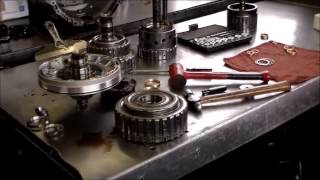
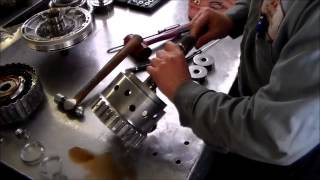
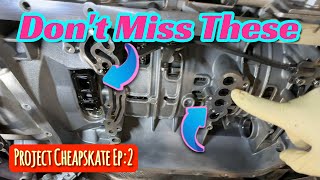
Typical fix: The transmission must be removed from the vehicle and overhauled. This involves replacing the worn bushing kit (Sonnax and ZF are common sources), 🎬 Watch: A professional guide to installing the ZF6HP26 bushing kit. all associated seals, and inspecting the E-clutch drum and clutch packs for heat damage. Per the TSB, Jaguar may recommend replacing the entire transmission with an exchange unit.
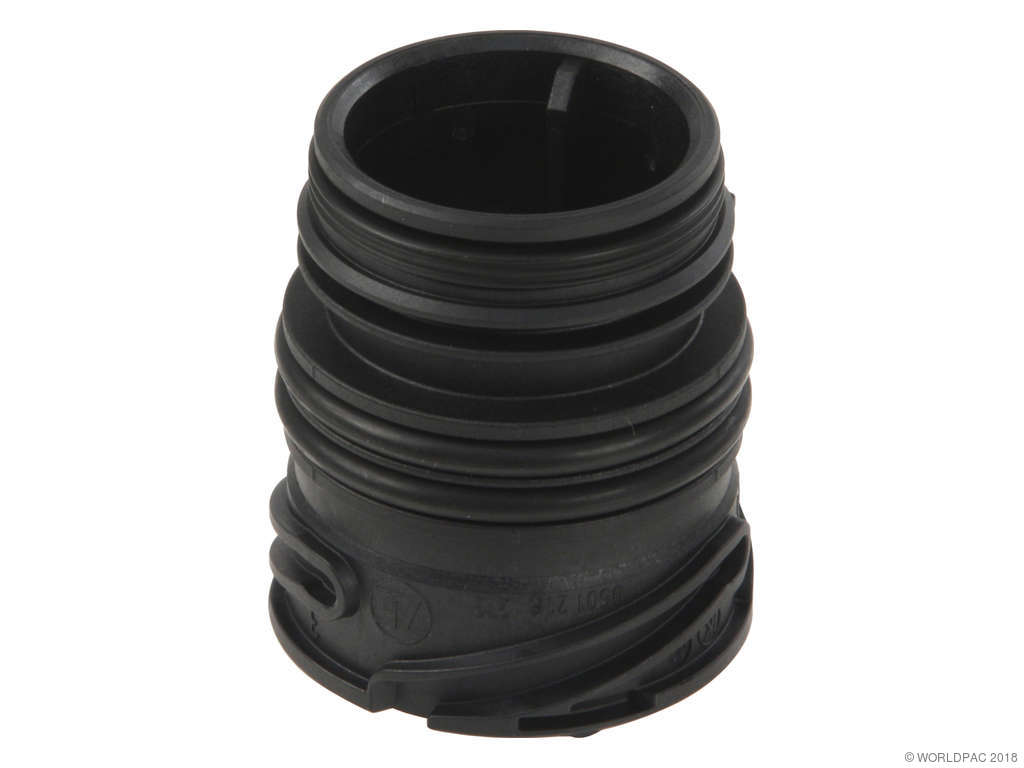
Est. part cost: $300-$800 for a master overhaul kit including bushings and seals; $3000-$5000+ for a remanufactured transmission. - Low or Degraded Transmission Fluid 🟡 Medium Probability → Shop Transmission Assembly These transmissions are well-known for leaks from the pan gasket (which is integrated with the filter), and especially the electrical connector sleeve O-rings. As there is no dipstick, a slow leak can go unnoticed, leading to low fluid levels that cause shifting problems.
How to confirm: The vehicle must be lifted level, brought to a specific operating temperature (typically 30-50°C), and the fluid level checked via the fill plug on the side of the transmission. 🎬 Watch: How to check fluid levels using the SDD temperature method. Burnt or dark fluid indicates internal wear and strengthens the case for an internal failure.
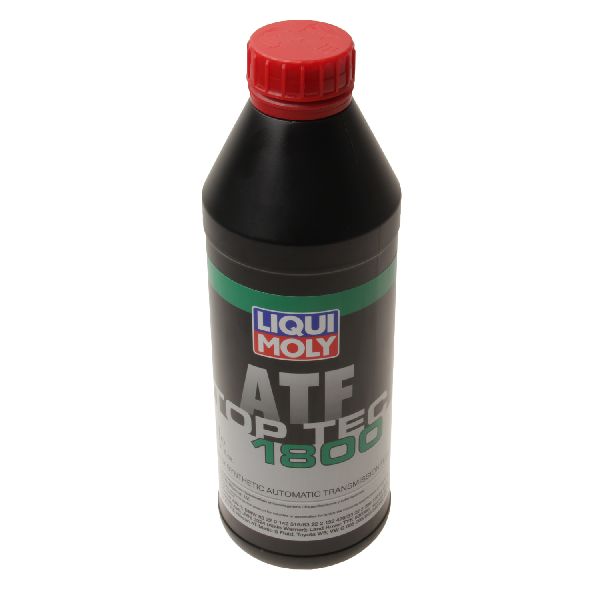
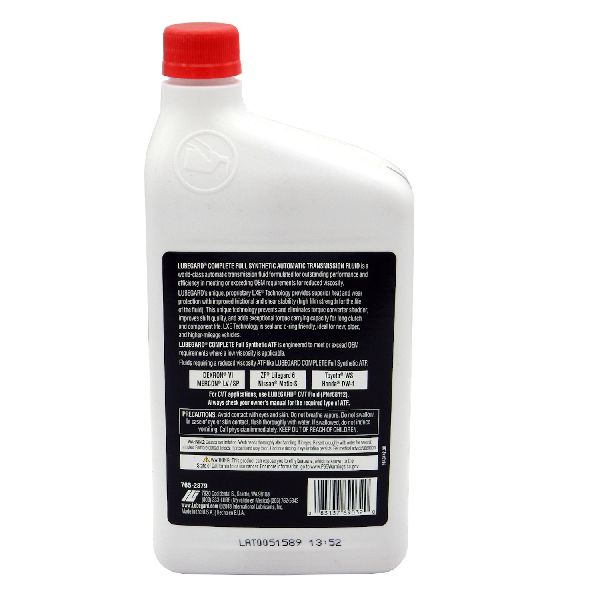
Typical fix: If low, top up with the correct fluid (ZF Lifeguard 6 or an approved equivalent like Mercon SP). If leaking, replace the leaking component. The most common culprits are the pan/filter assembly and the mechatronic connector sleeve. A fluid and filter change is a good first step, but if the fluid was very low or burnt, internal damage may already be done.
Est. part cost: $150-$300 for a pan/filter kit, connector sleeve, and fluid. - Failed Mechatronic Unit Seals or Solenoids ⚪ Low Probability → Shop Transmission Valve Body The seals between the mechatronic unit (valve body) and the transmission case can become hard and crack over time, causing pressure loss similar to the bushing issue. These include the 'bridge seal' (figure-8 seal) and four tube seals. While less common for an isolated P0783 code, it's a known failure point for the 6HP family.
How to confirm: Requires dropping the transmission pan and mechatronic unit to inspect the seals. They will often be visibly flattened, cracked, or brittle. Solenoids can be tested for resistance or activated with a high-end scan tool, but are less likely to be the root cause than the seals or main bushings for this specific code.
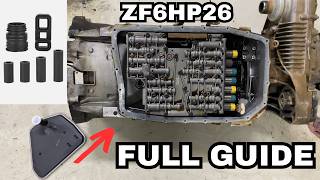
Typical fix: Replace the set of five seals (bridge and tube seals). 🎬 See this walkthrough for replacing mechatronic seals and the sleeve. This is often done as a preventative measure during any transmission service that involves dropping the pan. Aftermarket kits from Sonnax (Zip Kits) also address wear in the valve body itself.
Est. part cost: $50-$150 for the seal kit. $200-$400 for a comprehensive Sonnax Zip Kit.
Rare But Worth Checking
- Faulty Transmission Control Module (TCM): → Shop Transmission Assembly The TCM is integrated into the mechatronic unit inside the transmission. While an internal electronic failure is possible, it is far less common than the mechanical and hydraulic issues. A TCM should only be considered after all other causes are ruled out. Replacement or repair can be very expensive, often exceeding $2,800.
- Wiring Harness Damage: Damage to the main transmission wiring harness or a fluid leak wicking up into the connector pins from a failed connector sleeve can cause erratic signals. This is unlikely to cause an isolated P0783 code without other electrical faults present.
- Worn Rear Wheel Bearings / Faulty ABS Sensor: In some rare cases on Jaguar forums, users have reported that severe rear wheel bearing play can cause the ABS sensor to send erratic speed signals. This can confuse the TCM, which compares engine speed to output speed to monitor shifts, potentially triggering a gear ratio error code. This is highly improbable and would typically be accompanied by DSC/ABS fault codes.
Diagnosis Steps
- Scan the TCM for all stored trouble codes. Note if other gear ratio or clutch apply codes are present, as this strengthens the case for the TSB issue.
- Perform a thorough check of the transmission fluid level and condition. This requires following the specific manufacturer procedure (vehicle level, running, at 30-50°C) as there is no dipstick.
- If the fluid is low, inspect for leaks at the pan gasket, electrical connector sleeve, and cooler lines. The connector sleeve is a very common leak point. Correct any leaks, top up the fluid with ZF Lifeguard 6 or equivalent, clear codes, and test drive.
- Review TSB JTB00305NAS1. If the symptoms and stored codes match the bulletin, the high-probability cause is the internal bushing failure.
- If fluid level is correct, consider a pan drop to inspect the fluid for excessive clutch material or metal shavings. While the pan is off, inspect the mechatronic bridge and tube seals for cracking or hardness.
- Advanced diagnostics can include connecting pressure gauges to the transmission to measure line pressure and clutch apply pressures, but this is a specialist task.
- If electrical tests pass and fluid/seal service does not resolve the issue, the diagnosis points definitively to an internal mechanical/hydraulic failure (bushing, clutch pack) requiring transmission removal and overhaul.
Parts You'll Likely Need
- Transmission Bushing Kit — This is the primary failure point identified in Jaguar's TSB JTB00305NAS1.
Related Codes That Often Appear With This One
- P0729 - P0735 — These are all gear ratio error codes for other gears. The TSB JTB00305NAS1 explicitly lists them alongside P0783 as being caused by the failing internal bushing, as the resulting pressure loss can affect multiple clutch circuits.
- P2702 - P2704 — These codes relate to clutch apply time and are also mentioned in TSB JTB00305NAS1 as being related to the same internal bushing failure.
Technical Service Bulletins (TSBs) & Recalls
- JTB00305NAS1: This is the key TSB for this issue. It states that for a complaint of the transmission MIL being on with codes P0729-P0735, P0783, or P2702-P2704 stored, the cause is likely 'degradation and failure of the lead-free bush'. The recommended action is an overhaul or replacement of the transmission.
Platform-Specific Known Issues
- The Stator Bushing is the Key Failure Point: Unlike generic shift solenoid failures, the P0783 code on this specific platform is overwhelmingly linked in TSBs and specialist discussions to the wear of the stator support bushing. This bushing acts as a critical seal for the E-clutch hydraulic circuit. When it wears, pressure is lost, and the 3-4 shift cannot be completed. A video by Gary Ferraro on YouTube titled 'ZF6HP26 Bushing Kit Installation' clearly shows this bushing and explains its function and failure mode.
- Fluid Leaks are a Precursor to Failure: The ZF 6HP transmission is prone to leaks from two main areas: the plastic oil pan/filter assembly and the electrical connector sleeve. Many owners on forums report that their first sign of trouble was a fluid leak, which, if not addressed, leads to low fluid levels and subsequent shifting faults like P0783.
Mechanic-Grade Diagnostic Values
- Pressure Control Solenoid (EDS) Characteristics — expected: The 3-4 shift is controlled by the E-clutch, which is actuated by EDS 4. EDS 4 is a 'high pressure at low current' solenoid.. Failure: A failure can be mechanical (stuck) or electrical (out of resistance). A functional test involves applying 12V directly to the solenoid (when removed) to check for mechanical actuation. Resistance checks can be performed, but specific values are not widely published.
Scan Tool Commands That Help
- Jaguar IDS / SDD: Service Functions -> Transmission -> Clear adaptation — This must be performed after replacing transmission fluid, seals, solenoids, or the entire mechatronic unit. It erases the learned values the TCM uses to compensate for wear and fluid degradation. Failure to do this can result in harsh shifting.
- Jaguar IDS / SDD: Service Functions -> Transmission -> Transmission control module adaptation drive cycle — This is a guided procedure to be performed after clearing adaptations. The tool monitors driving conditions (throttle input, speed) and provides feedback to the technician to ensure the transmission relearns shift points correctly across all gears.
- Jaguar IDS / SDD: Configure new module -> Transmission control module — This function is used to program a replacement TCM/Mechatronic unit to the vehicle. It ensures the TCM has the correct software and VIN configuration to communicate with the ECM and other modules on the CAN bus.
Wiring & Ground Locations
- Transmission Ground Strap — A braided ground strap connecting the transmission case to the vehicle body, located on the driver's side behind the front wheel, near the catalytic converter.. This is a primary ground path for the transmission assembly. Corrosion or breakage of this strap can cause a host of electrical issues, including erratic solenoid operation and TCM communication faults, potentially contributing to shift errors.
- TCM (Transmission Control Module) — The TCM is not in the cabin or engine bay; it is an electronic module physically bolted to the top of the valve body (mechatronic unit) inside the transmission oil pan.. Correctly locating the TCM is critical. Diagnosis of the TCM or its solenoids requires draining the fluid and removing the transmission pan. The only external electrical connection is the main harness connector sleeve, a common source of fluid leaks.
- G09AL / G09BL — Main ground points located behind the left-hand kick panel in the driver's footwell.. While not directly for the transmission, these are major chassis ground points. Widespread electrical issues caused by loose or corroded grounds here could potentially affect systems that communicate with the TCM, though it's an unlikely cause for an isolated P0783.
When the Usual Fixes Don't Work
- A notable pattern seen in forums is the sudden appearance of P0783 immediately after a technician uses the Jaguar SDD/IDS tool to 'Clear Transmission Adaptations'. This suggests the transmission had a pre-existing mechanical weakness (like a worn bushing or failing seal) that the adaptive software was successfully compensating for. Once the adaptations were reset to baseline, the underlying hydraulic leak became too severe for the system to control, instantly triggering the 3-4 shift malfunction code. This indicates that clearing adaptations can unmask a problem that is on the verge of failure.
OEM Part Supersession History
050121578301 (Plastic)→SFC-MA-001 (Aluminum)— The OEM plastic mechatronic adapter (main fluid transfer port) is known to become brittle from heat cycles and crack, causing a significant loss of hydraulic pressure. Aftermarket aluminum versions provide a more durable, lifetime repair.
Heads up: This specific part fits 6HP26, 6HP28, and 6HP32 transmissions.Various (e.g., 24347588727, TZT500010)→Mechatronic Seal Kit (Bridge & Tube Seals)— The rubber seals between the valve body and transmission case harden and flatten over time, causing internal pressure leaks. These are typically replaced as a complete kit during any service that involves dropping the valve body.
Heads up: The seal kit is compatible with both 6HP26 and 6HP28 transmissions. The kit typically contains one 'bridge' seal and four tube seals of varying lengths.
Model Year Variations Within This Range
- 2008-2009 (4.2L V8): These models use the first-generation ZF 6HP26 transmission. They have a traditional 'J-Gate' gear shifter. Repair kits, such as the Sonnax Zip Kit, must be the specific version for Gen 1 transmissions (e.g., ZF6-6R60-ZIP).
- 2010-2011 (5.0L V8): These models use the updated second-generation ZF 6HP28 transmission, which features revised internals and different solenoids for faster, smoother shifts. They are distinguished by the rotary 'JaguarDrive' gear selector. The mechatronic units and some internal parts are not interchangeable with the 6HP26. Repair kits must be for Gen 2 transmissions (e.g., Sonnax ZF6-GEN2-ZIP).
Helpful Videos

We Have This Part in Stock

The information in this article is provided for general reference and educational purposes only. Vehicle specifications, procedures, and part compatibility can vary by production date, trim level, and region. Always consult your vehicle's factory service manual and verify part numbers before purchasing or performing repairs. Safety-critical components such as airbags, seat belts, and braking systems should be installed by a qualified professional.
- Jaguar XK:
- 🧭 Diagnostic Flowchart
- 🎬 Helpful Videos
- 🛍️ Shop This Part
- What's Unique About the 2008-2011 Jaguar XK
- Symptoms You May Notice
- Most Likely Causes
- Rare But Worth Checking
- Diagnosis Steps
- Parts You'll Likely Need
- Related Codes That Often Appear With This One
- Technical Service Bulletins (TSBs) & Recalls
- Platform-Specific Known Issues
- Mechanic-Grade Diagnostic Values
- Scan Tool Commands That Help
- Wiring & Ground Locations
- When the Usual Fixes Don't Work
- OEM Part Supersession History
- Model Year Variations Within This Range
- 🎟️ Get 5% Off