

P0783 on 2008-2011 Land Rover Range Rover: 3-4 Shift Malfunction Causes and Fixes
On a 2008-2011 Range Rover, code P0783 almost always points to an internal transmission issue, specifically a worn stator support bushing in the ZF 6HP26/6HP28 transmission. This wear causes a hydraulic pressure loss to the E-clutch, leading to the 3-4 shift slip. This is not a simple DIY fix and typically requires transmission removal to repair the bushing.
- P0783 on a 2008-2011 Range Rover is not a random electrical fault; it's most often a specific, known mechanical issue.
- The primary cause is a worn stator support bushing inside the ZF 6HP26 transmission, confirmed by a Land Rover TSB.
- Do not rush to replace shift solenoids or the valve body, as this is a common misdiagnosis that won't fix the root cause.
- This is a major repair requiring transmission removal and is not recommended for a DIY mechanic. Budget for a significant repair bill at a qualified independent shop.
- Always check the transmission fluid level and condition first, and inspect for leaks from the electrical connector sleeve.
What's Unique About the 2008-2011 Land Rover RANGE ROVER
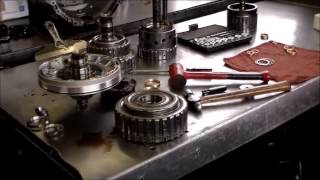
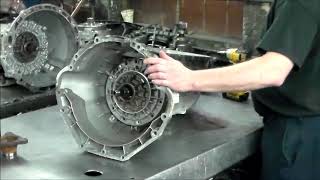
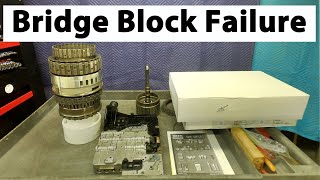
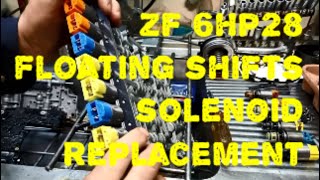
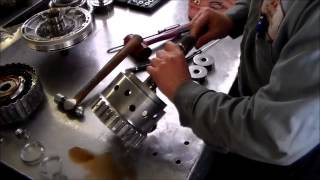
The 2008-2011 Range Rover uses a ZF 6-speed automatic transmission (the 6HP26, updated to the 6HP28 around 2010). This transmission family is known for a specific weakness that directly causes the P0783 code. Land Rover issued a Technical Service Bulletin (TSB #LTB00514NAS1) pointing to wear on the stator lead-free bushing as a primary cause. This bushing acts as a seal for hydraulic pressure needed to engage the E-clutch pack (used for 4th, 5th, and 6th gears). When the sub-optimal material of the OE bushing wears, pressure is lost, causing shift flares and triggering the code. 🎬 See a teardown of the 3-4 slip and bushing failure. Aftermarket solutions, like the Sonnax 95030-01K bushing kit, use an upgraded material to prevent premature failure.
🎬 Watch: How to install the upgraded Sonnax bushing kit.Diagnostic Flowchart
Tap your situation to follow the diagnostic path that matches what you're seeing on this vehicle.
Symptoms You May Notice
- Transmission Fault - Limited Gears' message on the dash.
- Check Engine Light or transmission warning light is on.
- Harsh, delayed, or slipping shifts, particularly between 3rd and 4th gear.
- Vehicle enters 'limp-home' mode, often stuck in 3rd gear.
- Engine RPMs surge without an increase in vehicle speed during the 3-4 shift (a 'flare').
- Decreased fuel efficiency due to the engine operating at higher RPMs.
- A feeling of slipping when accelerating moderately, especially from 3rd to 4th gear.
- Replacing shift solenoids without first suspecting the stator bushing. Many owners and shops replace the solenoids or the entire valve body, but the P0783 code returns because the root cause is the mechanical wear of the bushing causing a pressure loss.
- Attributing the fault to the torque converter. While torque converter issues can cause shuddering, the specific 3-4 shift slip of P0783 points more directly to the E-clutch circuit and its related seals/bushings.
Most Likely Causes
- Worn Stator Support Bushing 🔴 High Probability This is a known failure point in the ZF 6HP26/6HP28 transmission, as documented by Land Rover TSB #LTB00514NAS1. The original lead-free bushing material wears prematurely, allowing hydraulic pressure for the E-clutch (used for 4th, 5th, 6th gears) to leak, causing a slip detected as P0783.
How to confirm: This requires transmission disassembly to visually inspect the bushing. A transmission specialist can perform an air pressure test on the E-clutch feed port after removing the mechatronic unit to check for leaks. A significant leak confirms an internal seal or bushing failure.
Typical fix: The transmission must be removed from the vehicle to access and replace the worn stator bushing and any related seals. Upgraded bushings from brands like Sonnax (part 95030-01 or 95030-02) are recommended to prevent recurrence.
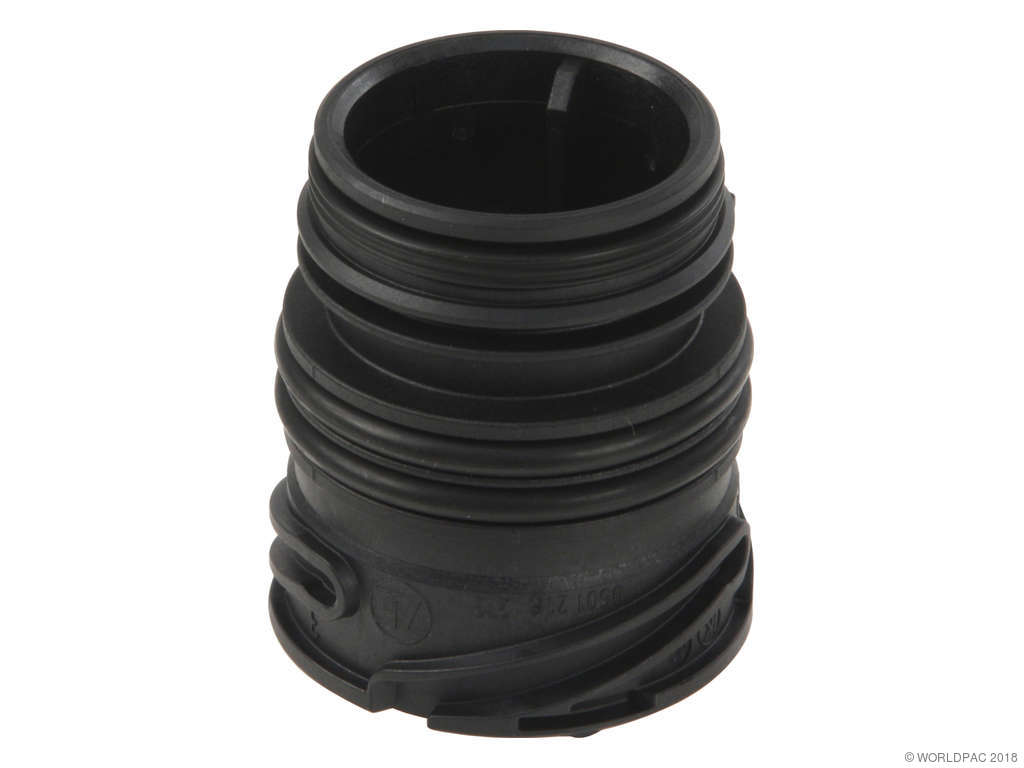
Est. part cost: $50-$100 for a bushing kit. - Low or Degraded Transmission Fluid 🟡 Medium Probability → Shop Transmission Assembly The transmission connector sleeve, a plastic part that seals the electrical connector to the mechatronic unit, is a very common leak point on these transmissions. Low fluid level affects hydraulic pressure required for all shifting operations.
How to confirm: Check the transmission fluid level and condition. The level must be checked when the fluid is at a specific temperature (30-50°C). The fluid should be a clear honey/brown color (ZF Lifeguard 6), not dark, burnt-smelling, or containing metallic debris.
Typical fix: Top off the fluid to the correct level. If the fluid is dirty or burnt, a full fluid and filter change is required. Fix any leaks, most commonly by replacing the transmission connector sleeve (Land Rover part TZV500010 or ZF part 24347588727).
Est. part cost: $150-$300 for fluid and a filter/pan kit. - Faulty Shift Solenoid or Valve Body (Mechatronic Unit) ⚪ Low Probability → Shop Transmission Valve Body While solenoids can fail, the stator bushing is a much more common cause for this specific code on this platform. Owners and shops often replace solenoids first, only to find the problem persists because the root cause is the mechanical wear of the bushing causing a pressure loss.
How to confirm: A diagnostic scan tool can be used to command the solenoid on and off to test its function. Resistance can also be checked with a multimeter and should be approximately 5.0 ohms at 68°F (20°C). However, a functioning solenoid cannot overcome a major hydraulic leak elsewhere.
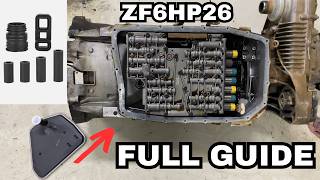
Typical fix: Replace the faulty solenoid or the entire valve body/mechatronic unit. This requires draining the fluid and dropping the transmission pan. It's often done in conjunction with replacing the connector sleeve and bridge seal.
Est. part cost: $400-$1500 for solenoids or a remanufactured valve body.
Rare But Worth Checking
- Worn E-Clutch Pack: The slip caused by the worn stator bushing can, over time, burn out the E-clutch friction plates. If the problem has been ignored for a long time, the clutch pack itself may need replacement in addition to the bushing.
- Corroded Wiring or Connectors: In some cases, corrosion at the main transmission connector or the Integrated Transfer Case (ITC) module can cause communication errors that manifest as shift problems or even a crank-no-start condition alongside the P0783 code.
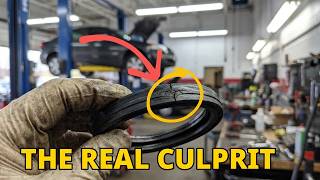
- Worn Mechatronic Bridge Seal: The seal between the valve body (mechatronic unit) and the transmission case can harden and flatten over time, causing hydraulic pressure loss. This can lead to shift flares and harsh changes, similar to the stator bushing issue. It is often replaced as a preventative measure during other transmission services.
Diagnosis Steps
- Check and verify the transmission fluid level and condition. This is the first and most crucial step. The level must be checked at the correct operating temperature (30-50°C). A low level from a leak is a common contributor.
- Scan the TCM for all stored trouble codes. Note if other gear ratio codes (P0729, P0734, P0735) are present, as this strengthens the case for a stator bushing/E-clutch circuit issue.
- Inspect the transmission electrical connector for leaks. A leaking connector sleeve is very common and should be addressed. This part is inexpensive and a frequent cause of fluid loss.
- If fluid level and condition are good, review TSB #LTB00514NAS1. The symptoms and code point strongly toward the stator bushing wear described in the bulletin.
- A specialist may use a scan tool to monitor solenoid commands and transmission slip data in real-time during a test drive to confirm the 3-4 slip.
- Definitive diagnosis requires a transmission specialist. They may perform hydraulic pressure tests on the E-clutch circuit to confirm an internal leak before recommending removal of the transmission for inspection and repair of the stator bushing.
Parts You'll Likely Need
- Transmission Stator Support Bushing Kit — This is the most common root cause of P0783 on this vehicle, as identified in a manufacturer TSB.
Trusted brands: Sonnax (95030-01 or 95030-02), ZF
OEM price range: $50-$100
Aftermarket price range: $40-$80 - Transmission Pan/Filter and Gasket
(OEM #LR007474 (Land Rover), 24117571227 (BMW equivalent))— Must be replaced whenever the transmission is serviced. The filter is integrated into the plastic pan. Some owners opt for a steel pan conversion kit for easier future filter changes.
Trusted brands: ZF, Vaico, Britpart (DA2142 conversion kit)
OEM price range: $150-$250
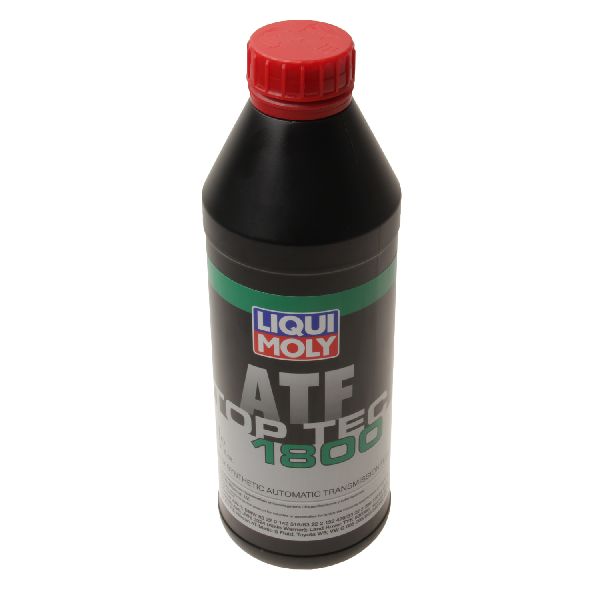
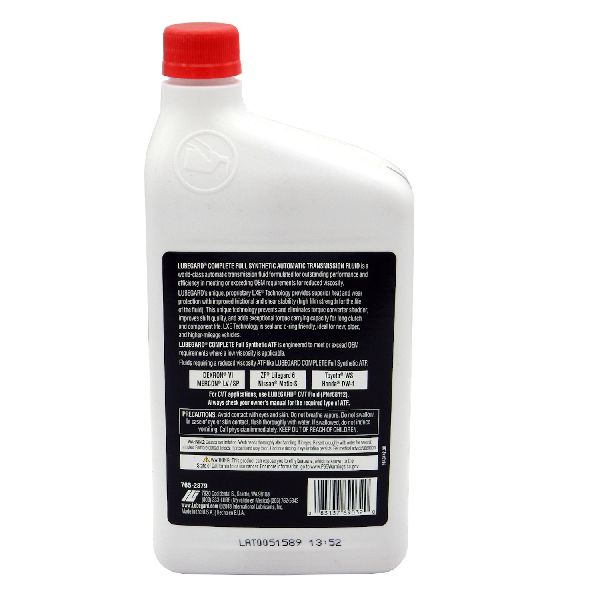
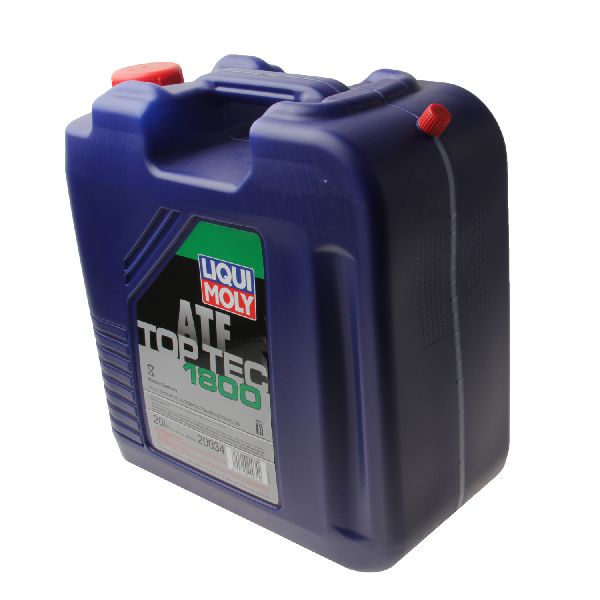
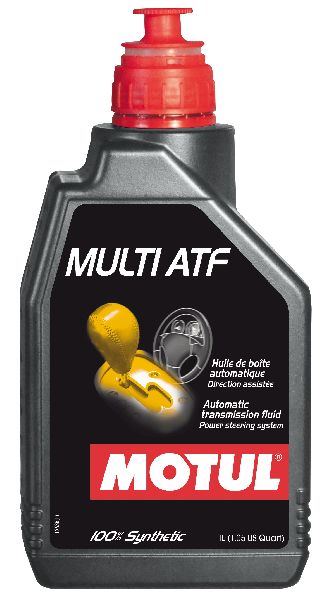
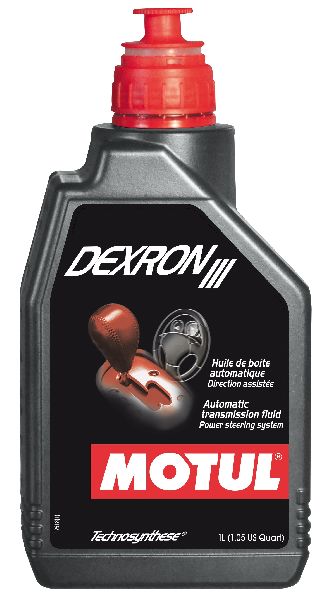
Aftermarket price range: $100-$180 - ZF Lifeguard 6 Automatic Transmission Fluid
(OEM #TYK500050 (Land Rover), S671090255 (ZF))— The correct fluid is required for refilling the transmission after the repair. Typically requires 6-8 liters for a pan drop and service. This fluid is also known as Shell M-1375.4.
Trusted brands: ZF
Related Codes That Often Appear With This One
- P0729 — Incorrect 6th Gear Ratio
- P0734 — Incorrect 4th Gear Ratio
- P0735 — Incorrect 5th Gear Ratio. All these codes, along with P0783, are mentioned in TSB LTB00514NAS1 and relate to the E-clutch which is used for gears 4, 5, and 6. A failure affecting the 3-4 shift will often impact the following gears as well.
Technical Service Bulletins (TSBs) & Recalls
- LTB00514NAS1: States that the Transmission Malfunction Indicator Lamp (MIL) may be illuminated with DTC P0783 (among others) stored, caused by wear of the stator lead-free bush. The recommended action in the bulletin is to replace the entire transmission assembly, though specialists now commonly repair the bushing itself.
Platform-Specific Known Issues
- TSB LTB00514NAS1 was issued by Land Rover specifically addressing P0783 (and other related codes) on 2008-2011 Range Rovers, identifying the cause as wear of the stator lead-free bush causing a loss of pressure to the E-clutch.
- Owner forums like LandyZone and RangeRovers.net are filled with threads where users experiencing 'Transmission Fault' messages and P0783 ultimately trace the issue to the stator bushing, confirming the TSB's findings in the real world.
Mechanic-Grade Diagnostic Values
- Shift Solenoid Resistance — expected: Approximately 5.0 Ohms at 20°C (68°F). Failure: A reading significantly higher or lower than 5.0 Ohms indicates a faulty solenoid coil.
- E-Clutch Air Pressure Test — expected: The clutch pack should hold air pressure with minimal, slow leakage.. Failure: A loud hissing sound or inability to hold any pressure when air is applied to the E-clutch feed port on the transmission case (with valve body removed) indicates a significant leak, likely from the stator bushing or clutch seals.
Scan Tool Commands That Help
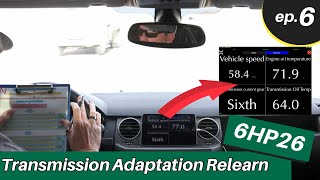
- Land Rover SDD, iCarsoft LR series, GAP IIDTool: Reset Adaptation / Clear Adaptations — This function should be performed after replacing transmission fluid, solenoids, the mechatronic unit, or the entire transmission. It clears the learned values the TCM uses to compensate for wear, forcing it to relearn shift pressures with the new components. A relearn drive cycle is critical after a reset. CAUTION: Resetting adaptations on a mechanically failed transmission (like one with a worn stator bushing) will not fix the issue and may make shifting feel worse.
Wiring & Ground Locations
- TCM (Transmission Control Module) — The TCM is integrated into the mechatronic unit (valve body) inside the transmission oil pan.. Its location subjects it to thermal stress and potential fluid contamination if seals fail. All solenoid commands originate from this module.
- Main Transmission Case Connector — A round, 16-pin connector on the rear passenger side of the transmission case. The connector sleeve (ZF Part No. 0501212190) passes through the case to the mechatronic unit.. This is the main electrical interface for the entire transmission. The connector sleeve O-rings are a very common leak point, leading to low fluid levels that can cause shifting faults. A bent pin on this connector has also been reported to cause shift issues.
Real Owner Repair Stories
- LandyZone forum user 'Bemble' (Land Rover Range Rover L322 3.6 V8 Diesel with ZF 6HP26 transmission.) — Vehicle slips from 5th down to 3rd gear on the motorway, triggering limp mode. The user also mentions this is applicable to 4th, 5th, and 6th gear issues.
❌ Tried (didn't work) The owner was quoted for a full gearbox replacement.
✅ What actually fixed it The user, a knowledgeable member, identified the cause as a worn rear stator bushing allowing hydraulic pressure for the E-clutch (used in 4th, 5th, 6th gears) to escape. The fix is to remove the transmission and replace the inexpensive bushing, which does not require a full transmission rebuild as the stator is one of the first parts accessible upon disassembly.
OEM Part Supersession History
Sonnax 95030-01→Sonnax 95030-02— These are two different bushings for different sized input shafts. The 95030-01 fits a 1.022" journal, while the 95030-02 fits a 1.180" journal. A full bushing kit like 95030-26K contains both sizes to cover all ZF6HP26/28 variants.
Heads up: It is critical to measure the input shaft journal to ensure the correct bushing is installed. Using the wrong size will not fix the hydraulic leak. The Sonnax 95030-26K kit includes both common sizes, eliminating guesswork.
Model Year Variations Within This Range
- 2006-onward: Around 2006, the ZF6HP transmission was updated from Generation 1 (6HP26) to Generation 2 (6HP28). The Gen 2 mechatronic was upgraded for increased oil flow and faster shifts. While the stator bushing issue affects both, it's important to use the correct valve body Zip Kit (e.g., Sonnax ZF6-GEN2-ZIP) if performing a valve body overhaul, as the components differ between generations.
Helpful Videos
We Have This Part in Stock

The information in this article is provided for general reference and educational purposes only. Vehicle specifications, procedures, and part compatibility can vary by production date, trim level, and region. Always consult your vehicle's factory service manual and verify part numbers before purchasing or performing repairs. Safety-critical components such as airbags, seat belts, and braking systems should be installed by a qualified professional.
- Land Rover RANGE ROVER:
- 🧭 Diagnostic Flowchart
- 🎬 Helpful Videos
- 🛍️ Shop This Part
- What's Unique About the 2008-2011 Land Rover RANGE ROVER
- Symptoms You May Notice
- Most Likely Causes
- Rare But Worth Checking
- Diagnosis Steps
- Parts You'll Likely Need
- Related Codes That Often Appear With This One
- Technical Service Bulletins (TSBs) & Recalls
- Platform-Specific Known Issues
- Mechanic-Grade Diagnostic Values
- Scan Tool Commands That Help
- Wiring & Ground Locations
- Real Owner Repair Stories
- OEM Part Supersession History
- Model Year Variations Within This Range
- 🎟️ Get 5% Off