

OBD-II Code P0795: Pressure Control Solenoid 'C' Performance/Stuck Off
The Ultimate 2026 Guide to What P0795 Means, Why It Triggers, and How to Fix It for Good
- P0795 flags a hydraulic pressure failure in the transmission's 'C' circuit, most frequently caused by degraded fluid or a mechanically stuck solenoid.
- Expect immediate drivability issues, including harsh 3-4 upshifts, engine RPM flaring between gears, or the vehicle locking into 3rd gear (limp mode).
- Driving with an active P0795 code destroys clutch packs rapidly; continuing for even 100 miles can escalate a $400 solenoid repair into a $4,000 transmission rebuild.
- Never replace the solenoid without first verifying fluid condition and using a bi-directional scanner to compare commanded versus actual hydraulic pressure.
- Repairing P0795 typically requires dropping the transmission pan to replace either a single $50 solenoid (common on Hondas) or a $400 integrated solenoid pack (common on Fords).
What Does P0795 Mean?
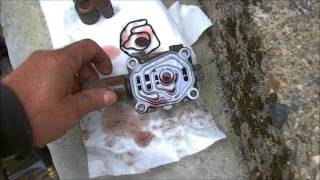
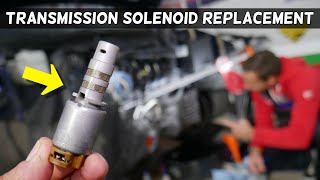
The Powertrain Control Module (PCM) or Transmission Control Module (TCM) detected a performance failure in the 'C' pressure control solenoid. 🎬 Watch: A quick overview of the P0795 code and solenoid malfunction. This electronically controlled valve manages transmission fluid pressure to execute smooth gear shifts. When it fails, the transmission cannot build or release the exact hydraulic pressure required for the current vehicle speed and engine load.
Technical definition: P0795 sets when the TCM detects the actual hydraulic pressure in the transmission's 'C' circuit deviates significantly from the commanded pressure. This is a mechanical performance fault—not a purely electrical circuit error—indicating a physically stuck solenoid, a hydraulic leak, or a blocked valve body passage.
Can I Drive With P0795?
Yes, But With Caution. You can drive, but doing so risks severe transmission damage. The transmission will shift harshly, slip, or lock into limp mode. Ignoring this code accelerates clutch wear due to incorrect fluid pressure, turning a $400 solenoid repair into a $4,000+ rebuild in under 100 miles.
Common Causes
- Low or dirty transmission fluid (Very Common) — Fluid that is low, old, or contaminated with clutch material is the leading cause of solenoid issues. Dirty fluid clogs the solenoid's small passages, causing the internal plunger to stick or respond slowly.
- Faulty Pressure Control Solenoid 'C' (Common) — The solenoid itself fails mechanically due to a stuck plunger, weak return spring, or internal seal leak. This is the most frequent hardware failure once fluid problems are ruled out.
- Blocked or leaking valve body passages (Less Common) — Debris blocks the specific hydraulic channel associated with the 'C' solenoid, or worn seals cause pressure to leak away before reaching the clutch pack, even if the solenoid functions perfectly.
- Wiring or connector issues (Common) — Wires leading to the solenoid fray, corrode, or short out. The internal transmission harness is highly vulnerable due to constant exposure to extreme heat and corrosive fluid.
- Low system voltage (Uncommon) — A weak battery or failing alternator drops the voltage supplied to the transmission below 11 volts. This prevents the solenoid from actuating correctly under hydraulic load.
- Failing Transmission Control Module (TCM) (Less Common) — The TCM's internal driver circuit that controls the solenoid burns out, or the module's software corrupts, requiring a replacement or reflash.
- Internal transmission mechanical failure (Rare) — A failing transmission pump, worn-out clutches, or damaged internal seals cause widespread pressure loss. In these cases, P0795 is a secondary symptom of a transmission requiring a full rebuild.
Symptoms
- Harsh, delayed, or erratic shifting — The car bangs into gear, pauses for several seconds before engaging Drive or Reverse, or shifts at incorrect RPMs.
- Transmission slipping — The engine revs higher than usual between shifts, but the car does not accelerate, feeling momentarily stuck in neutral.
- Vehicle stuck in 'Limp Mode' — The transmission locks itself into a single gear (usually 2nd or 3rd) to prevent further damage, severely limiting speed and acceleration.
- Check Engine Light or Transmission Warning Light is on — The vehicle's computer illuminates a dashboard warning light to alert the driver of the pressure fault.
- Transmission overheating — Slipping clutches generate excessive friction, triggering an overheat warning and rapidly degrading the transmission fluid.
- Decreased fuel economy — Inefficient shifting forces the engine to work harder, leading to a noticeable drop in MPG.
Diagnostic Flowchart
Tap your situation to follow the diagnostic path that matches what you're seeing on this code.
Common Fixes & Costs
- Replace Pressure Control Solenoid 'C'
— Parts: $50-$150, Labor: $200-$400, ~2.5 hr book time
(Professional)
: OEM 28250-P7W-003 (Alt: Dorman 90428E, Standard Motor Products TCS128)
: OEM 35240-50040 (A761E) (Alt: Denso, Rostra) - Replace Solenoid Pack/Block
— Parts: $250-$600, Labor: $250-$500, ~2.0 hr book time
(Professional)
: OEM 9L2Z-7G391-A (5R55S/W) (Alt: Bosch, Dorman 609-025)
: OEM 68376696AA (62TE) (Alt: Dorman 609-040) - Transmission Fluid and Filter Change — Parts: $50-$120, Labor: $120-$250, ~1.5 hr book time (Intermediate)
- Repair Wiring Harness (External or Internal)
— Parts: $20-$100, Labor: $150-$400, ~2.5 hr book time
(Intermediate)
: OEM 46307-2F000 (6-speed) (Alt: Various) - Replace or Reprogram Transmission Control Module (TCM)
— Parts: $600-$1200, Labor: $150-$300, ~2.0 hr book time
(Professional)
: OEM 24256939 (6L80 TEHCM) (Alt: Sonnax GM6L-TEHCM-C6)
DIY vs Professional
- Transmission Fluid and Filter Change 🟢 Beginner
Tools: Socket set, drain pan, funnel, torque wrench, new fluid and filter/gasket. - Replace Solenoid or Solenoid Pack 🟢 Beginner
Tools: Tools for fluid change, snap-ring pliers, multimeter, service manual, bi-directional scan tool. - Repair Wiring Harness 🟢 Beginner
Tools: Multimeter, wire strippers, soldering iron/heat shrink connectors for external repair. Full pan-drop tools for internal. - Replace TCM 🟢 Beginner
Tools: Socket set, professional-grade scan tool with pass-through capabilities (J2534 device), manufacturer software subscription.
Used vs. New Parts: Buying Guide
When a used part is worth it: For a single, externally accessible solenoid on an older, high-mileage vehicle, a used OEM part from a low-mileage donor is cost-effective. It is never recommended for internal solenoid packs due to the high labor cost of a repeat failure.
Donor-vehicle mileage cap: roughly under 80000 miles for the part to have meaningful remaining life.
Donor quality checklist:
- Verify the donor vehicle was not scrapped due to transmission failure.
- Match the part number exactly, including color codes on the connector.
- Inspect electrical connectors for corrosion or damage.
Decision logic:
- If The part is a complete solenoid pack or internal to the transmission → Buy new (OEM or reputable aftermarket) to avoid risking a repeat of the high labor cost.
- If Vehicle is over 150,000 miles and budget is the primary concern → A used part is a viable risk, but understand it has significantly less remaining life.
- If The OEM part is known for a high failure rate → Buy a revised OEM part or a quality aftermarket version that addresses the original design flaw.
Warranty tradeoff: Used parts typically come with a 30-90 day warranty covering only the part. New aftermarket parts offer 1-year to lifetime warranties. New OEM parts carry a 1-year/12,000-mile warranty.
Worst-case if a used part fails: $400 - $800 if a used part fails after installation, primarily due to the repeated labor cost of dropping the transmission pan.
What Happens If You Wait — Timeline
- 0-1 month: Check Engine Light illuminates. Occasional, subtle harsh shifts or slight delays engaging a gear occur, mostly when the transmission is hot. (MPG impact: 0-5%% · Added cost: $0-$50 in wasted fuel. The problem is contained to the solenoid circuit.)
- 1-3 months: Shifting problems become frequent. The transmission slips between gears, and the fluid darkens and develops a burnt smell from overheating clutch material. (MPG impact: 5-15%% · Added cost: $200-$500. Slipping clutches experience accelerated wear. Contaminated fluid circulates, risking damage to the valve body.)
- 3-6 months: Severe daily symptoms. The vehicle bangs into gear and frequently enters limp mode. Fluid is black and full of clutch debris. (MPG impact: 15-25%% · Added cost: $1,500-$2,500. Clutch packs are burnt, and valve body passages are scored. A simple solenoid replacement will no longer fix the issue.)
- 6+ months: Catastrophic failure. The transmission fails to engage any gear, leaving the vehicle stranded. Widespread internal damage requires a complete rebuild. (MPG impact: 25%+% · Added cost: $3,500-$7,000+. The transmission is beyond repair and requires full replacement.)
Cost of Not Fixing It
- 0-1 Month: Noticeable harsh shifting, slipping, and a drop in fuel economy. Increased stress on internal transmission components begins. (Added cost: Negligible, but risk of getting stranded increases.)
- 1-6 Months: Continued slipping generates excessive heat, burning the transmission fluid and glazing clutch packs. This damages the valve body and other solenoids. (Added cost: $500 - $1,200)
- 6+ Months: Catastrophic internal transmission failure. Burnt clutches and widespread contamination require a complete transmission rebuild. (Added cost: $3,500 - $7,000+)
Diagnosis Steps
- Check Transmission Fluid Level and Condition
With the engine warm and running, check the transmission fluid. It should be bright red and not smell burnt. Dark, brown, or burnt-smelling fluid containing metal particles indicates severe internal wear that a solenoid replacement will not fix. Correct low fluid levels immediately.
Tools: White paper towel (to check fluid color) (Beginner) - Scan for Codes and Review Live Data
Use an advanced scanner to confirm P0795 and monitor the 'Commanded' vs. 'Actual' pressure for solenoid 'C' during a test drive. A significant discrepancy confirms the fault. Monitor the solenoid's PWM duty cycle percentage to ensure the TCM is actively trying to control it.
Tools: Advanced OBD-II Scanner with live data (Beginner) - Command the Solenoid with a Bi-Directional Scan Tool
Command the 'C' solenoid on and off while the vehicle is stationary. You should hear a faint 'click' from the transmission pan and see a corresponding pressure change on the live data. No click or pressure change strongly suggests a failed solenoid or broken wiring.
Tools: Advanced Bi-directional Scan Tool (Advanced) - Inspect External Wiring and Connectors
Visually inspect the wiring harness running to the transmission. Look for chafing, exhaust heat damage, or corrosion on the main connector pins. Wiggle the harness while the engine runs to check for intermittent connection drops.
Tools: Flashlight, Mirror (Beginner) - [PRO TIP] Test Solenoid Circuit Resistance
Disconnect the harness at the transmission and use a multimeter to test the resistance of the 'C' solenoid circuit. A reading of infinity (OL) indicates an open circuit, while near-zero ohms indicates a short. Compare your reading to the manufacturer's specification (typically 4-8 ohms).
Tools: Digital Multimeter, Vehicle-specific wiring diagram (Intermediate) - [ADVANCED] Test Solenoid Circuit Voltage
Back-probe the solenoid command wire at the TCM. Verify the TCM supplies a stable pulse-width modulated (PWM) signal above 11V. No voltage points directly to a wiring break or a failed TCM driver.
Tools: Digital Multimeter, Back-probe pins (Advanced) - [ADVANCED] Perform a Hydraulic Pressure Test
Locate the pressure tap for the 'C' circuit on the transmission case and attach a hydraulic gauge. If commanded pressure on the scan tool rises but the mechanical gauge does not, you have confirmed a definitive hydraulic fault (bad solenoid, leak, or blockage).
Tools: Transmission hydraulic pressure gauge set, Service manual (Advanced) - Inspect the Internal Components
If external tests pass, drop the transmission pan. Inspect the fluid for heavy debris. Remove the solenoid and check its screen for clogging. Inspect the internal wiring harness for brittle wires and the valve body for scoring.
Tools: Socket set, Drain pan, Torque wrench, new fluid/gasket (Professional)
When This Code Triggers (Freeze-Frame Conditions)
- Engine Coolant Temp: 180-205°F (The fault is most often detected when the transmission fluid and engine reach full operating temperature.)
- Engine RPM: 1500-2500 RPM (Sets during steady-state cruising or light acceleration when the TCM expects predictable pressure responses.)
- Vehicle Speed: 35-55 mph (Appears during shifts at city and highway speeds, particularly the 3-4 or 4-5 upshift controlled by the 'C' circuit.)
- Engine Load: 25-60% (The pressure discrepancy is most apparent under moderate engine load, rather than heavy acceleration.)
Related Codes
- P0700 — A general transmission fault code requesting the main engine computer to turn on the Check Engine Light. It always accompanies P0795 and provides no extra diagnostic value.
- P0796, P0797, P0798, P0799 — Codes specific to Solenoid 'C'. P0796 ('Stuck Off') suggests a blockage. P0797 ('Stuck On') points to a stuck valve. P0798 is an electrical circuit fault. P0799 indicates an intermittent fault.
- P0970, P0971 — Electrical codes for the Solenoid 'C' control circuit. P0970 indicates low voltage, and P0971 indicates high voltage. These direct diagnosis entirely to wiring and the TCM.
- P0731-P0736 (Gear Ratio Errors) — Indicate an incorrect gear ratio detected in a specific gear. A malfunctioning pressure control solenoid fails to engage a clutch pack, causing the transmission to slip and triggering these codes.
Climate & Environmental Factors
- Cold Weather: Cold temperatures increase transmission fluid viscosity. This causes delayed shifting until the vehicle reaches operating temperature. The increased strain on the hydraulic system causes actual pressure to deviate from commanded pressure, triggering P0795 on the first few shifts.
- High Heat / Heavy Towing: Excessive heat accelerates the breakdown of transmission fluid, reducing its ability to lubricate. Degraded fluid leads to solenoid contamination and sticking. High heat also stresses the TCM's internal driver circuits.
How to Talk to a Mechanic About This Code
Say this: "I have a P0795 code and shifting problems. I'd like to schedule a diagnostic to confirm the cause. Please start by checking fluid condition, external wiring, and viewing live pressure data on a scanner before recommending parts. I'd also like to know if any TSBs apply to my vehicle."
This signals you are an informed consumer. It directs the mechanic to perform a logical diagnostic process instead of just replacing the most likely part. Asking for live data and TSBs prevents them from skipping crucial diagnostic steps.
Avoid saying:
- 'My transmission is acting weird, can you fix it?' (Too vague, invites expensive suggestions).
- 'I think I need a new solenoid.' (Don't diagnose it for them; you might pay for a part you don't need).
- 'Just do whatever it takes to fix it.' (This is a blank check for unnecessary repairs and upsells).
Questions to ask before authorizing the repair:
- What was the condition of the transmission fluid?
- Did you see a discrepancy between commanded and actual pressure for solenoid 'C' on the scan tool?
- Did you test the solenoid's circuit for resistance and voltage to rule out a wiring or TCM issue?
- If recommending a solenoid pack or valve body, what test confirmed this over a single solenoid or wiring harness?
- What is the warranty on the parts and labor for this specific repair?
Where to Take It: Dealer vs Independent vs Chain
- Dealer:
Recommended if your vehicle is known for specific TSBs or software-related fixes for P0795, or if it is still under warranty. Otherwise, a specialist is more cost-effective.
Best for: Vehicles under powertrain warranty., Complex, known manufacturer-specific issues (like Nissan valve bodies or Ford servo bores)., Repairs requiring TCM software updates or programming.
Downsides: Highest labor rates., Defaults to replacing larger, more expensive assemblies instead of smaller components. (Typical cost: +40% vs. baseline) - Chain Shop:
AVOID for P0795 diagnosis and repair. The risk of misdiagnosis and being oversold on a transmission rebuild is extremely high.
Best for: Basic fluid and filter changes ONLY.
Downsides: Technicians lack specialized training for internal transmission diagnostics., High pressure to upsell leads to recommendations for a full transmission replacement. (Typical cost: -10% vs. baseline)
When to Walk Away From the Repair
If the total estimated repair cost for the transmission exceeds 40-50% of your car's private-party market value, seriously consider selling the car as-is or trading it in.
- Car worth $5000, fix is $2800: Walk away. The repair cost is over 50% of the car's value. You are unlikely to recoup this cost, and other age-related failures are imminent.
- Car worth $15000, fix is $1200: Fix it. The repair is well below the 50% threshold and restores a significant portion of the vehicle's function and value.
- Car worth $3000, fix is $700: Borderline, but likely worth fixing. The cost is less than 30% of the car's value. Consider the car's overall condition before proceeding.
What Scan Tool You Need for This Code
Minimum: A scanner that reads manufacturer-specific transmission codes and displays live data for the Transmission Control Module (TCM).
A cheap $20 reader only shows the P0795 code. It cannot access crucial live data, such as commanded vs. actual solenoid pressure, which is essential for diagnosing whether the problem is electrical, mechanical, or hydraulic.
Budget: BlueDriver Pro Scan Tool (~$100) — Reads and clears transmission-specific codes. It displays live data streams for the TCM, allowing you to graph parameters like fluid temperature and solenoid commanded states.
Mid-range: Foxwell NT510 Elite (~$180) — Provides full system diagnostics and bi-directional control, allowing you to command the 'C' solenoid on and off to test its mechanical function. It also performs transmission-specific functions like resetting adaptive learn values.
Professional: Autel MaxiCOM MK808S / MK808Z (~$450-550) — Offers full bi-directional control to actively test solenoids. It provides comprehensive live data and performs special service functions like 'Quick Learn' procedures required after a repair to ensure proper shifting.
Rent vs buy: Auto parts stores scan codes for free, but their scanners won't provide the live data needed for P0795. If you plan to diagnose the issue yourself, you must buy a scanner with live transmission data capabilities.
How to Clear the Code After You Fix It
- Use an OBD-II scan tool to clear all diagnostic trouble codes (DTCs).
- Perform a transmission adaptive pressure relearn procedure using an advanced scan tool.
- Conduct a complete drive cycle to allow the vehicle's readiness monitors to run.
Drive cycle (~20 minutes): Idle for 3 minutes. Drive in stop-and-go traffic, ensuring the transmission shifts through all forward gears. Drive for 10 minutes at a steady 55 mph. Allow the vehicle to cool completely and repeat.
Readiness monitors affected: Comprehensive Component Monitor (CCM), Catalyst (CAT) Monitor, Evaporative System (EVAP) Monitor
Before emissions retest: drive at least 50 miles to fully set monitors.
Watch out for:
- Disconnecting the battery clears the code but resets adaptive memory, causing erratic shifting until the vehicle relearns.
- The code returns immediately if the underlying mechanical fault is not repaired.
- Failing to perform the manufacturer-specific relearn procedure after replacing a solenoid results in persistent shifting problems.
Will This Fail Emissions / State Inspection?
Yes — this code typically fails an OBD-II emissions inspection.
- California: P0795 is an automatic failure of the smog check. The Check Engine Light causes a failure, and readiness monitors will not set to 'Ready'.
- New York: The NYS vehicle inspection includes an OBD-II scan. An active P0795 code results in an immediate emissions test failure.
- Texas: In the 17 Texas counties requiring emissions testing, a vehicle with an illuminated Check Engine Light and an active P0795 code fails the inspection.
Most Commonly Affected Vehicles
- Honda CR-V, Accord, Odyssey, Civic (2003-2024) — Extremely common. On older 5-speed automatics, it is often a single solenoid failure. On newer CVTs (2015+), it relates to the valve body or the solenoid itself.
- Ford Explorer, Mustang, Focus, Escape (2000-2016) — Vehicles with 5R55S/W/N and 6F35 transmissions are highly prone to this. The 5R55 requires replacement of the entire solenoid block. Focus/Escape models suffer from internal harness issues.
- Chevrolet / GMC Silverado, Suburban, Sierra, Equinox (2003-2016) — Trucks with 4L60-E/4L80-E and 6L80/6L90 transmissions experience this code due to a faulty solenoid, a cracked valve body, or a failed TEHCM.
- Nissan Rogue, Altima, Maxima, Sentra (2007-2018) — A major issue on Jatco CVTs. The code points to a failing valve body assembly. Technicians replace the entire valve body rather than individual solenoids due to high failure rates.
- Hyundai / Kia Elantra, Sonata, Sorento, Optima (2011-2019) — Known for failures of the internal transmission wiring harness, which becomes brittle from heat. Replacing the harness is a common fix addressed in multiple TSBs.
- Lincoln LS, Aviator (2000-2006) — The 5R55N/S transmissions are notorious for solenoid pack failures triggering P0795. These models are also subject to TSB 09-12-12 regarding worn servo bores.
- Toyota Sienna, Camry, Corolla, RAV4 (2004-2012) — Typically due to an individual solenoid failing mechanically or electrically. For U660E/U760E transmissions, check for updated revised solenoids.
- Chrysler/Dodge/Jeep Town & Country, Grand Caravan, Charger, Grand Cherokee (2008-2018) — The 62TE transmission and the NAG1/W5A580 have issues with the solenoid pack or the conductor plate connecting the solenoids to the TCM.
Manufacturer-Specific Notes
- Honda: On newer CVTs (2015+), this code appears with a suffix, such as P0795-7E (Stuck On) or P0795-7F (Performance/Range issue), providing specific diagnostic information directly from the TCM.
- Ford/Lincoln/Mercury: In 5R55 series transmissions, the 'C' solenoid is part of an integrated pack. TSB 09-12-12 describes how worn servo bores in the transmission case cause a pressure leak that perfectly mimics solenoid failure, leading to frequent misdiagnosis.
- Nissan/Jatco: On CVTs, P0795 often requires replacing the entire valve body. Solenoids are integrated, and debris scores the soft aluminum bores, making a simple solenoid swap ineffective.
- Hyundai/Kia: For 2011-2019 6-speed models, the internal transmission wiring harness cracks over time. TSBs instruct technicians to replace the affected solenoid and the valve body harness simultaneously.
Real Owner Stories
2013 Honda Odyssey at 115K miles
Check Engine Light and flashing 'D' light. Transmission shifted harshly from 2nd to 3rd gear.
What they tried:
- Mechanic read code P0795.
- Performed a 3x transmission fluid drain and fill because the fluid was dark.
- Code returned within 50 miles.
Outcome: Mechanic replaced the 'C' pressure control solenoid (2-3 shift solenoid). Total cost was $450. The harsh shifting resolved permanently.
Lesson: For high-mileage Hondas, P0795 often points directly to a failed solenoid. If a fluid change doesn't immediately fix it, replace the specific solenoid.
2011 Hyundai Elantra at 95K miles
P0795 and P0763 codes appeared. The car intermittently locked into 3rd gear (limp mode).
What they tried:
- A general shop replaced the 'C' solenoid. The problem returned two days later.
- Owner took the car to a transmission specialist.
Outcome: The specialist diagnosed a faulty internal transmission wiring harness. The insulation cracked from heat, causing an intermittent short. They replaced the harness for $600, fixing the issue.
Lesson: On 2011-2019 Hyundai/Kia models, solenoid codes are frequently caused by the internal harness. Replacing the solenoid without the harness leads to repeat failures.
2008 Ford Explorer V6 at 140K miles
Vehicle threw P0795, slipped badly between gears, and hesitated from a stop.
What they tried:
- Owner replaced the solenoid pack based on forum advice for $350.
- The problem persisted exactly as before.
- A shop confirmed the new solenoid pack functioned correctly.
Outcome: The shop diagnosed worn servo bores in the transmission case, a known 5R55S issue that starves clutches of pressure, mimicking a solenoid failure. The transmission required a $3,200 rebuild.
Lesson: Misdiagnosis is costly. On Fords with the 5R55S/W transmission, symptoms of a bad solenoid pack are identical to worn servo bores. Always perform a hydraulic pressure test first.
2015 Nissan Rogue at 88K miles
Check Engine Light on for P0795. The car shuddered when accelerating and felt sluggish.
What they tried:
- Dealer diagnosed the code.
- Owner asked to replace just the faulty solenoid.
Outcome: The dealer advised that Jatco CVT solenoids are integrated into the valve body and not serviced separately. Debris scored the valve body bores. The owner paid $2,000 for a full valve body assembly replacement.
Lesson: For modern CVTs (especially Nissan), P0795 requires a full valve body replacement. Attempting to replace a single solenoid is rarely possible or effective.
How to Prevent This Code From Triggering
- Regular Transmission Fluid and Filter Changes (Every 30,000 to 60,000 miles.) — Clean fluid maintains correct hydraulic pressure, lubricates moving parts, and prevents contaminants from clogging the small passages within the solenoids.
- Use Only OEM-Specified Transmission Fluid (Every time fluid is added or changed.) — Manufacturer-specific fluids have the exact viscosity and friction modifiers required. Incorrect fluid harms seals and causes solenoid performance issues.
- Install an Auxiliary Transmission Cooler (One-time installation for vehicles under heavy stress.) — Excess heat breaks down fluid rapidly. An auxiliary cooler keeps fluid temperatures in the optimal 175-200°F range, protecting solenoids during towing or mountain driving.
- Maintain a Healthy Electrical System (Ongoing.) — Low or fluctuating system voltage prevents solenoids from actuating correctly under hydraulic load, triggering performance codes even when the solenoid is healthy.
Frequently Asked Questions
Can I fix P0795 myself?
A confident DIYer can handle checking and changing the fluid. Replacing a solenoid requires draining fluid, dropping the pan, and working with delicate electronics in a tight space. Stop DIY and consult a transmission specialist if the issue requires internal valve body work or TCM programming.
How much does it cost to fix P0795 in 2026?
Costs range from $150 for a fluid change to $500 for a single solenoid replacement. Solenoid packs cost $500-$1,200, while full rebuilds exceed $3,500. Always diagnose before replacing parts to avoid wasting money.
What is the most common mistake when diagnosing P0795?
The most common mistake is immediately replacing the pressure control solenoid without performing a thorough diagnosis. Technicians often overlook simple causes like low fluid, a corroded connector, or a wiring issue. This leads to the problem returning immediately after the expensive repair.
Do I have to replace the whole solenoid pack for a P0795 code?
This depends entirely on your vehicle's design. Some transmissions use individual, easily replaceable solenoids. Others group them into a single, non-serviceable solenoid pack or valve body assembly, requiring you to replace the entire unit.
What happens if I ignore P0795?
Ignoring this code is a costly gamble. Continued driving with incorrect fluid pressure causes clutches and bands to slip and burn, generating extreme heat. This quickly escalates a minor solenoid issue into a complete transmission failure requiring a multi-thousand dollar rebuild.
Is the Pressure Control Solenoid inside or outside the transmission?
Pressure control solenoids are located inside the transmission, mounted directly to the valve body. Accessing them always requires draining the transmission fluid and removing the transmission oil pan.
Will a transmission fluid change fix a P0795 code?
A fluid change only fixes P0795 if the code was triggered by dirty or low fluid causing the solenoid to stick. If the solenoid is electrically faulty, mechanically broken, or if there is a wiring issue, new fluid will not solve the problem.
Can a bad battery cause a P0795 code?
Yes, a weak battery or failing alternator causes a P0795 code. Transmission solenoids require a stable voltage (above 11V) to operate correctly against hydraulic pressure. If system voltage drops, the solenoid fails to actuate, leading the TCM to register a performance fault.
Key Takeaways
- P0795 flags a hydraulic pressure failure in the transmission's 'C' circuit, most frequently caused by degraded fluid or a mechanically stuck solenoid.
- Expect immediate drivability issues, including harsh 3-4 upshifts, engine RPM flaring between gears, or the vehicle locking into 3rd gear (limp mode).
- Driving with an active P0795 code destroys clutch packs rapidly; continuing for even 100 miles can escalate a $400 solenoid repair into a $4,000 transmission rebuild.
- Never replace the solenoid without first verifying fluid condition and using a bi-directional scanner to compare commanded versus actual hydraulic pressure.
- Repairing P0795 typically requires dropping the transmission pan to replace either a single $50 solenoid (common on Hondas) or a $400 integrated solenoid pack (common on Fords).
Helpful Videos



Shop the Parts Behind P0795
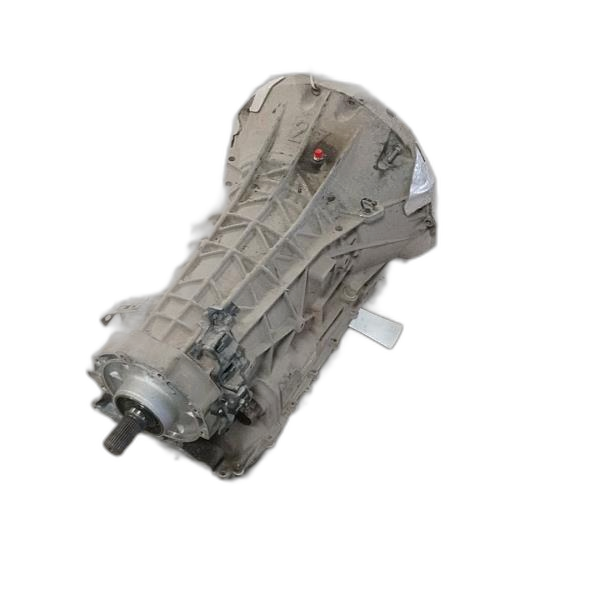
Below are the parts most often responsible for code P0795, ranked by how frequently each one is the actual culprit (per the diagnosis above). Tap any to see what we have for your vehicle.




The information in this article is provided for general reference and educational purposes only. Vehicle specifications, procedures, and part compatibility can vary by production date, trim level, and region. Always consult your vehicle's factory service manual and verify part numbers before purchasing or performing repairs. Safety-critical components such as airbags, seat belts, and braking systems should be installed by a qualified professional.
- 🧭 Diagnostic Flowchart
- 🎬 Helpful Videos
- 🛍️ Shop This Part
- What Does P0795 Mean?
- Can I Drive With P0795?
- Common Causes
- Symptoms
- Common Fixes & Costs
- DIY vs Professional
- Used vs. New Parts: Buying Guide
- What Happens If You Wait — Timeline
- Cost of Not Fixing It
- Diagnosis Steps
- When This Code Triggers (Freeze-Frame Conditions)
- Related Codes
- Climate & Environmental Factors
- How to Talk to a Mechanic About This Code
- Where to Take It: Dealer vs Independent vs Chain
- When to Walk Away From the Repair
- What Scan Tool You Need for This Code
- How to Clear the Code After You Fix It
- Will This Fail Emissions / State Inspection?
- Most Commonly Affected Vehicles
- Manufacturer-Specific Notes
- Real Owner Stories
- 2013 Honda Odyssey at 115K miles
- 2011 Hyundai Elantra at 95K miles
- 2008 Ford Explorer V6 at 140K miles
- 2015 Nissan Rogue at 88K miles
- How to Prevent This Code From Triggering
- Frequently Asked Questions
- Can I fix P0795 myself?
- How much does it cost to fix P0795 in 2026?
- What is the most common mistake when diagnosing P0795?
- Do I have to replace the whole solenoid pack for a P0795 code?
- What happens if I ignore P0795?
- Is the Pressure Control Solenoid inside or outside the transmission?
- Will a transmission fluid change fix a P0795 code?
- Can a bad battery cause a P0795 code?
- Key Takeaways
- 🎟️ Get 5% Off