

P0797 on 2011-2014 Chevrolet Volt: Pressure Control Solenoid 'C' Stuck On Guide
On a 2011-2014 Chevy Volt, code P0797 indicates the Pressure Control Solenoid 'C' is stuck on within the complex 4ET50 transaxle. This is most often caused by internal debris contaminating the transmission fluid and jamming a valve, or a faulty valve body. This is a job for a professional, as repair involves accessing or replacing the internal transmission valve body assembly, a high-voltage component requiring special procedures.
- P0797 on a 2011-2014 Volt is a serious transaxle code, not a simple engine issue.
- The most probable cause is not the solenoid itself failing, but debris inside the complex valve body causing it to stick, as noted in a GM service bulletin.
- This is not a DIY-friendly repair. It requires a professional with experience in hybrid vehicle transaxles.
- The fix almost always involves labor-intensive internal transaxle work, specifically on the valve body.
- Always check for code P0700 alongside P0797, as this confirms the transmission is the source of the Check Engine Light.
What's Unique About the 2011-2014 Chevrolet VOLT
The 2011-2014 Chevrolet Volt does not have a traditional automatic transmission. It uses a sophisticated 4ET50 Multi-Mode Electric Transaxle (also known by RPO code MKA), which combines electric motors and clutch packs. A P0797 code on this vehicle is not a typical transmission problem; it points to a fault within this highly specialized hybrid component. Diagnosis and repair are more complex than on a conventional vehicle and require specific knowledge of the Voltec drivetrain and high-voltage safety procedures.
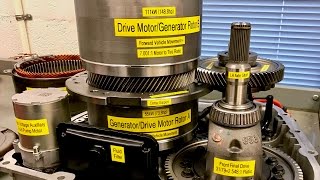
🎬 Watch: Learn how the unique 4ET50 transaxle components and motors operate.Diagnostic Flowchart
Tap your situation to follow the diagnostic path that matches what you're seeing on this vehicle.
Symptoms You May Notice
- Check Engine Light illuminated
- Vehicle enters a reduced power or 'limp' mode
- Harsh or erratic shifting
- Transmission may feel like it's slipping or stuck in one gear
- Reduced fuel efficiency
- Transmission overheating
- Replacing the entire transaxle assembly when only the internal valve body or control solenoid assembly is faulty.
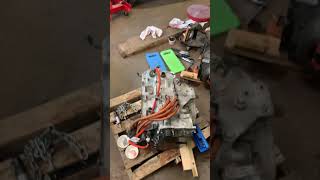
- Mistaking the Volt's 4ET50 transaxle for a more common GM 6T40/6T45 and ordering incorrect parts. Parts for these transmissions are not interchangeable. 🎬 See this walkthrough of a full Volt transmission replacement and teardown.
Most Likely Causes
- Debris in the Transmission Valve Body 🔴 High Probability → Shop Transmission Valve Body Internal component wear can create metallic particles and sludge that contaminate the fluid. This debris can cause precision components like solenoid valves to stick mechanically. A GM Technical Service Bulletin (PIP4831E) specifically addresses this issue across several solenoid-related codes, including P0797, for this transaxle.
How to confirm: A technician must perform the high-voltage disabling procedure, remove the internal valve body, disassemble it, and inspect the fluid passages and valves for debris or restrictions.
Typical fix: The technician will clean the valve body, valves, and related components with a recommended cleaner and reassemble. If cleaning is not sufficient or parts are damaged, the valve body assembly must be replaced.
Est. part cost: $500-$1200 for a valve body assembly - Failed Pressure Control Solenoid 'C' 🟡 Medium Probability → Shop Transmission Clutch Pressure Control Solenoid The solenoid is an electro-mechanical part that can fail either electrically (e.g., shorted coil) or, more commonly, mechanically by getting jammed with debris. On the Volt's 4ET50 transaxle, the solenoids are integrated into the control solenoid valve assembly, which is part of the larger valve body.
How to confirm: A technician can use a professional scan tool to command the solenoid on and off to check its response. They can also measure the solenoid's electrical resistance with a multimeter after gaining access to it.
Typical fix: Replacement of the control solenoid. This almost always involves replacing the entire control solenoid valve assembly (which includes the TCM and solenoids) or the valve body it mounts to.
Est. part cost: $500-$1200 - Dirty or Low Transmission Fluid ⚪ Low Probability → Shop Transmission Assembly While often a symptom or contributor rather than a root cause, fluid that is low or contaminated with debris can cause a variety of pressure-related issues, including sticking solenoids.
How to confirm: Check the transmission fluid level and condition. The fluid should be at the correct level and not appear dark, burnt, or contain metallic particles.
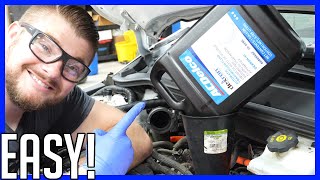
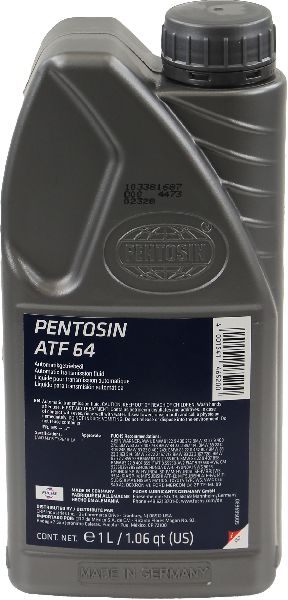
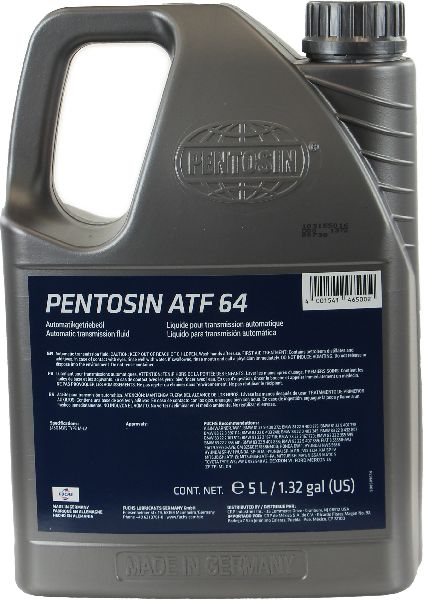
Typical fix: Perform a transmission fluid flush and fill with the correct specification fluid (ACDelco DEXRON-VI). If the fluid is heavily contaminated, it indicates a more serious internal problem requiring disassembly and cleaning or replacement of components.
Est. part cost: $100-$250 for a fluid service
Rare But Worth Checking
- Wiring Harness or Connector Issue: Damage to the wiring leading to or inside the transaxle can cause a loss of signal or a short, mimicking a solenoid failure. This should be checked before replacing expensive internal components.
- Faulty Transmission Control Module (TCM): → Shop Transmission Assembly It is rare for the TCM itself to fail, but it's a possibility if all other components and wiring test correctly. On the Volt, the TCM is often part of the main control solenoid valve assembly inside the transaxle, so it gets replaced with the assembly.
Diagnosis Steps
- Scan the ECM and TCM for all stored codes. Confirm the presence of P0797 in the TCM, likely with P0700 in the ECM.
- Check the transmission fluid level and condition. Note any signs of burning or metal debris.
- Visually inspect the external wiring harness and connectors at the transaxle for any signs of damage, corrosion, or loose connections.
- Per TSB PIP5000B, attempt to duplicate the condition. Shift between Drive and Neutral several times. Drive the vehicle around 52 mph (83 kph) to force shifts that cycle the C1 clutch on and off. If the code resets, proceed with internal inspection.
- Using a GM-compatible scan tool, access live transmission data and attempt to command Pressure Control Solenoid 'C' on and off to verify its electronic response.
- If the solenoid does not respond or the code persists, the next step is internal inspection. This requires performing the high-voltage disabling procedure and removing the transmission pan to access the valve body and control solenoid assembly.
- Follow TSB PIP4831E: Remove and inspect the valve body for debris or stuck valves.
- If debris is found, clean all components thoroughly, reassemble, and re-test. If no debris is found or if the solenoid fails electrical tests (e.g., resistance check), the control solenoid/valve body assembly will likely need replacement.
Parts You'll Likely Need
- Transmission Control Solenoid Valve Assembly / Valve Body
(OEM #24256627 (superseded by 24266719))— This is the most common fix. The faulty solenoid is housed within this assembly, and debris often requires the entire unit to be serviced or replaced. Part number 24256627 is listed for 2011-2015 Volts and is replaced by 24266719. Verify the exact number with a dealer using your VIN.
Trusted brands: ACDelco (OEM)
OEM price range: $600-$1200
Aftermarket price range: $450-$900 - Automatic Transmission Fluid
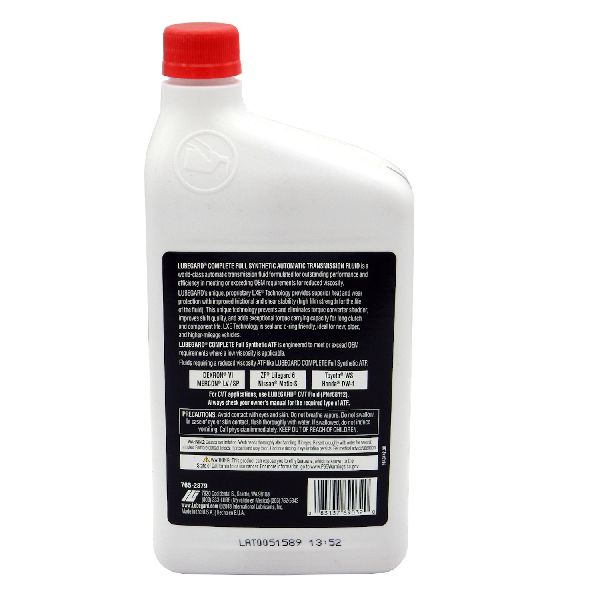
(OEM #10-9243 (ACDelco DEXRON-VI))— The fluid must be replaced anytime the internal components of the transaxle are serviced.
Trusted brands: ACDelco
OEM price range: $10-$15 per quart
Aftermarket price range: $8-$12 per quart
Related Codes That Often Appear With This One
- P0700 — This code is set by the Engine Control Module (ECM) to signal that the Transmission Control Module (TCM) has stored a fault. It's a general indicator that points you toward the transmission for specific codes like P0797. [⭐ MANUFACTURER TSB — highest authority] Bulletin #PIP5000B
Technical Service Bulletins (TSBs) & Recalls
- PIP5000B: Notes that P0797 in the TCM is often paired with P0700 in the ECM. It provides a specific drive-cycle diagnostic procedure to attempt to replicate the fault before proceeding to internal inspection.
- PIP4831E: Provides detailed instructions for technicians when encountering P0797 (and other solenoid codes) on hybrid models. It points to debris in the valve body as a primary cause and outlines a cleaning procedure.
Platform-Specific Known Issues
- A known issue, documented in TSB PIP4831E, involves debris contaminating the valve body, causing solenoids to stick. The official repair procedure is to remove, disassemble, and thoroughly clean the valve body assembly before considering replacement.
- Due to the novelty and complexity of the 4ET50 transaxle at its launch, GM initiated a component restriction program (per TSB PIP4840G) requiring dealers to consult with the Technical Assistance Center (TAC) before replacing the transmission assembly or other major components, underscoring the specialized nature of this repair.
Mechanic-Grade Diagnostic Values
- Pressure Control Solenoid 'C' Coil Resistance — expected: Typically 10-30 ohms, but verify with OEM service information.. Failure: A reading of infinite resistance (open circuit) or near-zero resistance (short circuit) indicates a failed solenoid coil.
Scan Tool Commands That Help
- GM GDS2 (or equivalent professional scan tool): Solenoid Control / Output Control — After checking fluid and external wiring, use this function to command the Pressure Control Solenoid 'C' on and off. This helps determine if the solenoid is responding to electrical commands from the TCM or if it is mechanically stuck or electrically failed.
Wiring & Ground Locations
- Transmission Control Module (TCM) — The TCM is integrated into the control solenoid valve assembly (valve body) located inside the 4ET50 transaxle, underneath the side cover. It is not a separate, externally-mounted module.. Since the TCM and solenoids are part of one assembly, a failure often requires replacing the entire unit. Access requires draining fluid and removing the transaxle side cover after performing high-voltage disablement procedures.
- Main Transaxle Harness Connector — The main electrical connector for the transmission is located on the exterior of the transaxle case. The Drive Motor / Generator Power Inverter Module sits on top of the transmission, with large, high-voltage orange cables connected to it.. This is the primary point for checking for external wiring damage, corrosion, or loose pins before proceeding with internal inspection. All signals for the solenoids pass through this connector.
OEM Part Supersession History
24256627→24266719— Part revision by manufacturer. The newer part is the current replacement for the original.
Heads up: The original part number 24256627 was also replaced by 24262847 before both were superseded by 24266719. For any repair, 24266719 is the correct service part to use.
Model Year Variations Within This Range
- 2011-2014: No significant variations related to the 4ET50 (RPO MKA) transaxle internals or the P0797 fault have been documented within this specific model year range. The same transaxle was used through the 2015 model year before being replaced by the 5ET50 in the second-generation Volt.
Helpful Videos
We Have This Part in Stock

The information in this article is provided for general reference and educational purposes only. Vehicle specifications, procedures, and part compatibility can vary by production date, trim level, and region. Always consult your vehicle's factory service manual and verify part numbers before purchasing or performing repairs. Safety-critical components such as airbags, seat belts, and braking systems should be installed by a qualified professional.
- Chevrolet VOLT:
- 🧭 Diagnostic Flowchart
- 🎬 Helpful Videos
- 🛍️ Shop This Part
- What's Unique About the 2011-2014 Chevrolet VOLT
- Symptoms You May Notice
- Most Likely Causes
- Rare But Worth Checking
- Diagnosis Steps
- Parts You'll Likely Need
- Related Codes That Often Appear With This One
- Technical Service Bulletins (TSBs) & Recalls
- Platform-Specific Known Issues
- Mechanic-Grade Diagnostic Values
- Scan Tool Commands That Help
- Wiring & Ground Locations
- OEM Part Supersession History
- Model Year Variations Within This Range
- 🎟️ Get 5% Off