

OBD-II Code P0811: Excessive Clutch 'A' Slippage
The Ultimate Guide to What P0811 Means, Why It Triggers, and How to Fix It
- Stop driving immediately; continuing to drive with a slipping clutch generates extreme heat that turns a $500 solenoid repair into a $3,500+ full transmission rebuild.
- Start diagnosis by checking transmission fluid; low or burnt fluid is the leading cause, followed by failed $150-$500 shift solenoids.
- Accurate diagnosis requires an OBD-II scanner with live data capabilities to compare engine RPM against transmission input speed during a test drive.
- Always check for Technical Service Bulletins (TSBs) before authorizing major repairs; software updates fix this code on 2022-2024 Ford Maverick Hybrids and 2016-2020 Hyundai/Kia DCTs.
- If the transmission fluid is black, smells burnt, and contains metal shavings in the pan, a fluid change will not work; the internal clutch packs are destroyed and require a rebuild.
What Does P0811 Mean?
Code P0811 indicates the Powertrain Control Module (PCM) or Transmission Control Module (TCM) detected excessive slip in 'Clutch A'. This occurs when the engine's speed is significantly higher than the transmission's input speed when a specific gear is engaged. This code applies to automatic transmissions, dual-clutch transmissions (DCTs), and some hybrid systems where it refers to a clutch-like damper.
Technical definition: The official SAE/OBD-II definition is "Excessive Clutch 'A' Slippage". The PCM/TCM continuously monitors the ratio between the engine RPM and the transmission input/output speed sensors. If the detected slippage—the difference between engine RPM and transmission input speed—exceeds a specific threshold (e.g., 100 RPM for more than 500 milliseconds) during a commanded gear change, the module stores the P0811 code and illuminates the Check Engine Light.
Can I Drive With P0811?
No — Do Not Drive. Do not drive the vehicle. Continuing to drive with a slipping clutch generates extreme heat, which warps internal transmission components and contaminates the fluid with metal debris. This quickly turns a $500 solenoid repair into a $3,500+ catastrophic transmission failure requiring a full rebuild. The vehicle will also shift erratically or enter a low-power 'limp mode' unexpectedly, creating a significant safety hazard in traffic.
Common Causes
- Low, Burnt, or Contaminated Transmission Fluid (Very Common) — Low, burnt, or contaminated fluid lacks the hydraulic pressure and frictional properties needed to hold the clutch, causing it to slip under load.
- Failed Pressure Control or Shift Solenoid (Common) — A clogged, leaking, or electrically failed solenoid cannot deliver the precise hydraulic pressure required to firmly engage clutch 'A'.
- Malfunctioning Transmission Valve Body (Common) — Worn bores, sticking valves, or cracked separator plates cause internal pressure leaks, preventing full pressure from reaching the clutch pack.
- Worn Internal Clutch Pack 'A' (Very Common) — Once the friction material wears away, the metal plates cannot hold the gear, resulting in severe slippage under acceleration.
- Faulty Transmission Input/Output Speed Sensor (Less Common) — If a speed sensor provides an erratic signal, the PCM misinterprets the data and falsely sets a P0811 code, even if no mechanical slip is occurring.
- Incorrect Transmission Fluid Type (Less Common) — Using a fluid that does not meet the manufacturer's specific friction coefficient requirements causes clutch chatter, judder, and slippage.
- Failed Engine Damper (Ford Hybrids) (Less Common) — On specific hybrid models like the Ford Maverick, a failing engine damper connecting the gasoline engine to the transaxle triggers the P0811 code.
- Faulty Transmission Control Module (TCM) or PCM (Rare) — A hardware fault or software glitch causes the control module to command incorrect pressures or misinterpret sensor data. Rule out all mechanical causes first.
Symptoms
- Check Engine Light is On — The PCM detects excessive slippage, stores the P0811 code, and illuminates the Malfunction Indicator Lamp (MIL) on the dashboard.
- Delayed or Harsh Gear Engagement — Shifts feel unnervingly slow or engage with a rough 'bang' as the system struggles to apply pressure to the slipping clutch.
- Vehicle Enters 'Limp Mode' — The TCM commands a reduced power state, locking the transmission into a single gear (like 2nd or 3rd) to prevent catastrophic damage.
- Burning Smell from Under the Vehicle — A pungent, sweet, burning odor indicates overheating transmission fluid and actively burning clutch friction material.
- Shuddering or Vibration on Acceleration — A slipping clutch causes a noticeable shudder or vibration at low speeds, often mistaken for an engine misfire.
- Reduced Power and Poor Fuel Economy — Engine power is lost to heat and friction instead of reaching the wheels, causing sluggish acceleration and a 10-20% drop in MPG.
- Engine RPM Flares During Shifting (also visible on scanner) — Engine RPMs jump suddenly during a shift without a corresponding increase in vehicle speed 🎬 Watch: How to identify the signs of a slipping transmission., indicating the clutch is failing to hold power.
Diagnostic Flowchart
Tap your situation to follow the diagnostic path that matches what you're seeing on this code.
Common Fixes & Costs
- Diagnostic Check — Parts: $0, Labor: $125-$200, ~1.5 hr book time (Professional)
- Transmission Fluid and Filter Change — Parts: $75-$200, Labor: $150-$300, ~1.5 hr book time (Intermediate)
- Replace Transmission Solenoid Pack
— Parts: $150-$500, Labor: $250-$500, ~3.5 hr book time
(Professional)
: OEM - Replace Transmission Valve Body
— Parts: $500-$1200, Labor: $400-$600, ~4.5 hr book time
(Professional)
: OEM - Replace Transmission Speed Sensor(s) — Parts: $50-$150, Labor: $150-$400, ~2 hr book time (Intermediate)
- Replace Dual Clutch Assembly (DCT)
— Parts: $800-$1500, Labor: $600-$1000, ~8 hr book time
(Professional)
: OEM - Transmission Rebuild (including clutch packs) — Parts: $1500-$2500, Labor: $1000-$2000, ~12 hr book time (Professional)
- Replace Transmission Assembly — Parts: $3000-$6000+, Labor: $800-$1500, ~9 hr book time (Professional)
Used vs. New Parts: Buying Guide
When a used part is worth it: For major assemblies like a complete transmission, a used unit from a low-mileage, accident-damaged vehicle offers significant savings. It is most viable for older, high-mileage vehicles where the cost of a new transmission exceeds the car's value.
Donor-vehicle mileage cap: roughly under 70000 miles for the part to have meaningful remaining life.
Donor quality checklist:
- Verify the donor vehicle's VIN to confirm mileage and ensure it wasn't scrapped for a transmission-related issue.
- Inspect the fluid from the used transmission if possible; it should be red/pink and not smell burnt.
- Match part numbers exactly, including any specific identifying marks or tags, as variations exist even within the same model year.
Decision logic:
- If The fault is a known electronic wear item like a solenoid pack or external sensor. → Buy new. The labor to install is significant, and the risk of a used electronic part failing soon after is too high to justify the small savings.
- If The fault is internal mechanical wear (clutch packs, valve body) on a vehicle with >120k miles. → A low-mileage used assembly is a reasonable choice over a costly rebuild, provided it comes with a warranty.
- If The vehicle is less than 5 years old or has under 80k miles. → Favor new OEM or high-quality remanufactured parts to maintain vehicle reliability and value.
Warranty tradeoff: Used parts from a salvage yard typically offer a 30-90 day part-only warranty. Aftermarket new parts often carry a 1-year to limited lifetime warranty. A remanufactured transmission from a reputable rebuilder usually comes with a 1 to 3-year/unlimited mileage warranty that covers labor.
Worst-case if a used part fails: $800-$1500 if a used transmission fails after installation, primarily due to the repeated labor cost for removal and replacement.
What Happens If You Wait — Timeline
- 0-1 month: Check Engine Light is on with code P0811. Slipping is only noticeable during a specific shift or under hard acceleration. No other major symptoms are present. (MPG impact: 0-5%% · Added cost: $0)
- 1-3 months: Slipping becomes frequent. Engine RPMs flare between shifts during normal driving. A faint burning smell appears after long drives as heat degrades the transmission fluid. (MPG impact: 5-10%% · Added cost: $50-$100 in wasted fuel)
- 3-6 months: Shifting becomes harsh and unpredictable. The extreme heat from constant slipping destroys the fluid's properties and warps the steel plates within the clutch pack. A simple solenoid fix now requires a clutch pack replacement. (MPG impact: 10-20%% · Added cost: $1,500-$3,000)
- 6+ months: Catastrophic failure. The transmission enters limp mode frequently or fails to engage gears altogether. Burnt clutch material contaminates the entire hydraulic system, destroying the valve body and torque converter. A complete transmission rebuild is mandatory. (MPG impact: 20-30%+% · Added cost: $3,500-$7,000+)
Cost of Not Fixing It
- 0-1 month: Noticeable drop in fuel economy (5-15%), increased transmission heat, and worsening shift quality. Risk of becoming stranded increases. (Added cost: $50-$150 in wasted fuel.)
- 1-3 months: Extreme heat from constant slipping destroys the transmission fluid, warps steel plates, and damages seals. What might have been a solenoid repair now requires an intensive clutch pack replacement. (Added cost: $1,500-$3,000)
- 3+ months: Catastrophic failure. Contaminated fluid and metal debris circulate throughout the transmission, destroying the valve body, torque converter, and pump. A complete transmission rebuild or replacement is the only option. (Added cost: $3,500-$7,000+)
Diagnosis Steps
- Scan for Codes and Review Freeze Frame Data
Scan for P0811 and related codes (e.g., P0730, P0868). Review freeze frame data to identify the exact RPM, speed, and temperature when the slip occurred.
Tools: OBD-II Scanner (Beginner) - Check Transmission Fluid Level and Condition
Check fluid level and condition using the manufacturer's temperature-specific procedure. Pink/red fluid is healthy; brown/black, burnt-smelling fluid confirms overheating and clutch damage.
Tools: Gloves, Rag, Level Surface (Beginner) - Perform a Road Test with Live Data Monitoring
Graph live data for Engine RPM, Transmission Input Speed (TSS), and Output Speed (OSS) during a test drive. A confirmed slip occurs when Engine RPM flares but TSS fails to increase proportionally during a commanded shift.
Tools: Advanced OBD-II Scanner with Live Data (Intermediate) - Inspect External Wiring and Connectors
Inspect the transmission wiring harness and speed sensor connectors for corrosion, chafed wires, or fluid intrusion.
Tools: Flashlight, Mirror (Intermediate) - Pro Tip: Test Solenoid Resistance
Measure the resistance of the pressure control and shift solenoids at the transmission connector pins using a multimeter. Infinite (open) or near-zero (short) resistance confirms a failed solenoid.
Tools: Multimeter, Wiring Diagram, Service Manual (Advanced) - Pro Tip: Test Transmission Line Pressure
Connect a 300+ PSI gauge to the transmission line pressure test port. Low pressure at idle or stall speed confirms a hydraulic fault (e.g., failing pump or valve body leak) causing the slip.
Tools: Transmission Pressure Gauge Set, Service Manual (Advanced) - Inspect Internal Components (Pan Drop)
Remove the transmission oil pan. A pan coated in heavy gray/black clutch material or excessive metal shavings confirms internal mechanical failure requiring a rebuild.
Tools: Socket Set, Torque Wrench, Gaskets, Fluid (Professional) - Pro Tip: Test Pressure Control Solenoid with an Oscilloscope
Connect an oscilloscope to the signal wire of the suspected pressure control solenoid. A noisy, erratic, or flat-lined PWM square wave points to a failing solenoid or a wiring issue.
Tools: Oscilloscope, Wiring Diagram (Advanced) - Pro Tip: Test Clutch Position Sensor Voltage (if applicable)
For manual or DCT systems with an external clutch position sensor, back-probe the signal wire with a multimeter. Slowly depress the clutch pedal; any jumps or dead spots in the voltage sweep indicate a faulty sensor.
Tools: Multimeter, Wiring Diagram (Advanced)
When This Code Triggers (Freeze-Frame Conditions)
- Engine Coolant Temp: 185-210°F (Vehicle is at full operating temperature.)
- Engine RPM: 1800-2800 RPM (During a gear shift under moderate acceleration.)
- Engine Load: 30-70% (Moderate load, such as accelerating to merge or climbing a slight incline.)
- Vehicle Speed: 25-55 mph (Occurs during upshifts in city or highway driving.)
- Transmission Fluid Temperature: 175-220°F (Transmission is fully warmed up, often after 15+ minutes of driving.)
Related Codes
- P081E — This code indicates 'Excessive Clutch 'B' Slippage'. It is the direct counterpart to P0811 for the other clutch in a dual-clutch transmission. Seeing one code and not the other helps isolate the fault to a specific clutch pack and its hydraulic circuit.
- P0730 — 'Incorrect Gear Ratio'. This code is an effect, while P0811 is the cause. The clutch slips (P0811), which prevents the transmission from achieving the correct speed ratio for the commanded gear. Diagnosing P0811 is the priority.
- P0741 — 'Torque Converter Clutch (TCC) Circuit Performance or Stuck Off'. P0741 is specific to the torque converter lock-up clutch, which engages at cruising speeds for efficiency. P0811 relates to the clutches used for shifting between gears.
- P0868 — 'Transmission Fluid Pressure Low'. This code indicates the TCM detected main hydraulic line pressure is below specification. This lack of pressure is a direct cause of clutch slippage. If both codes are present, investigate the cause of low pressure first.
- P17F1 — A Nissan-specific code for 'CVT Judder'. This code is a direct relative of P0811's symptoms. It instructs the technician to perform a borescope inspection of the CVT belt and pulleys.
Climate & Environmental Factors
- High Ambient Temperature: Hot weather thins transmission fluid. If fluid is degraded or a minor internal leak exists, the thinner fluid cannot generate enough pressure to hold the clutch, causing heat-induced slippage.
- High Altitude: Thinner air reduces engine power and cooling efficiency, forcing the transmission to downshift more frequently. This generates excess heat, accelerating fluid breakdown and exposing hydraulic weaknesses.
How to Talk to a Mechanic About This Code
Say this: "I have a P0811 code and symptoms of transmission slipping. I'd like to schedule a diagnostic that includes checking the fluid condition, looking for TSBs, and monitoring live data for clutch slip. Please do not quote a rebuild until these initial steps are done."
This signals you understand the diagnostic process. It prevents a shop from immediately jumping to the most expensive conclusion (a full rebuild) and forces them to follow a logical, evidence-based diagnostic path.
Avoid saying:
- 'My transmission is slipping, how much for a new one?'
- 'My check engine light is on, can you just fix it?'
- 'I think I need a transmission rebuild.'
Questions to ask before authorizing the repair:
- What were the specific results of the fluid inspection? Was it burnt or full of metal?
- Can you show me the live data from the scanner that confirms the slip between the engine RPM and the transmission input speed sensor?
- Did you check for any Technical Service Bulletins (TSBs) for my vehicle related to this code?
- If you are recommending a rebuild, are you doing the work in-house or outsourcing it?
- What is the 'worst-case scenario' price if more damage is found after disassembly?
- What is the warranty on this repair, and does it cover both parts and labor?
Where to Take It: Dealer vs Independent vs Chain
- Dealer:
Recommended if the vehicle is under warranty or has a known, specific TSB. Their access to proprietary software and tools is crucial for many modern cars.
Best for: Vehicles still under powertrain warranty, Newer vehicles with known TSBs (e.g., Ford Maverick, Hyundai/Kia DCTs), Complex electronic issues requiring manufacturer-specific software
Downsides: Highest labor rates, May default to replacing entire assemblies (e.g., new transmission) instead of repairing components (e.g., valve body) (Typical cost: +50% vs. baseline) - Independent Shop:
Best fit, *if* it is a dedicated transmission specialist. A general independent mechanic may lack the tools and experience. A transmission shop deals with these issues daily and is often more cost-effective than a dealer for out-of-warranty rebuilds.
Best for: Out-of-warranty vehicles where cost is a major factor, Vehicles with common, well-documented failures (e.g., Chrysler 62TE solenoid pack), Getting a second opinion after a dealer diagnosis
Downsides: Quality and expertise vary dramatically; a general mechanic may not have the depth of knowledge for a complex internal transmission issue., May not have the latest manufacturer-specific diagnostic tools or software. (Typical cost: +0% vs. baseline) - Chain Shop:
AVOID for diagnosis and repair. The risk of misdiagnosis, upselling to an unnecessary rebuild, or a poor-quality repair is very high for a complex code like P0811.
Best for: Simple fluid and filter changes, but only if they use the correct OEM-spec fluid.
Downsides: High pressure to upsell services; may use 'bait and switch' tactics with low initial quotes., Technician skill varies widely; complex jobs like internal transmission work are often outsourced., Often lack the deep diagnostic capability for complex electronic or hydraulic faults. (Typical cost: -10% vs. baseline)
When to Walk Away From the Repair
Sell or trade the vehicle if the estimated repair cost exceeds 50% of its current market value.
- Car worth $4000, fix is $2500: Walk away. The repair is 62.5% of the car's value. It's not financially sound to invest this much into an older vehicle.
- Car worth $15000, fix is $3500: Fix it. The repair is only 23% of the car's value. This is well below the threshold and makes economic sense, assuming the rest of the car is in good condition.
- Car worth $7000, fix is $900: Fix it. This is a clear-cut case where the repair (likely a solenoid or sensor) is a small fraction of the vehicle's value.
What Scan Tool You Need for This Code
Minimum: An OBD-II scanner that can read manufacturer-specific transmission codes and display live data PIDs (Parameter IDs), including Engine RPM, Transmission Input Speed, Transmission Output Speed, and Transmission Fluid Temperature.
Basic $20 code readers only display the P0811 code. You need live data to compare sensor speeds and fluid temperature to confirm actual clutch slippage. You will be guessing at the cause without this data.
Budget: XTOOL A30M / AUTOPHIX 3210 PRO (~$80) — These Bluetooth dongle-style scanners connect to a smartphone app and can access live data streams for the transmission system, including temperature and sensor speeds, which is the minimum required for effective DIY diagnosis.
Mid-range: Foxwell NT510 Elite / Innova 5610 (~$150) — These handheld scanners offer more robust software, can read enhanced codes from all modules (ABS, SRS, TCM), and provide graphing for live data. Some offer basic bidirectional controls or special functions like a transmission relearn after a repair.
Professional: Autel MaxiCOM MK808S / Launch CRP919E (~$500-700) — Provides full bidirectional control to command solenoids, perform transmission adaptation relearn procedures (critical after replacing a valve body or solenoids), and access all manufacturer-specific data and functions. This is the level of tool a professional shop uses.
Rent vs buy: Basic code readers can be borrowed from auto parts stores, but they are insufficient for this code. For a P0811, you must have a scanner with live data capabilities. If this is a one-time repair, it's more cost-effective to pay for a professional diagnosis. Buy a mid-range scanner only if you plan to do your own maintenance and diagnostics regularly.
How to Clear the Code After You Fix It
- Use an OBD-II scan tool to clear the P0811 fault code.
- Perform a transmission adaptive pressure relearn procedure if required by the manufacturer (especially after solenoid or valve body replacement).
- Perform a complete drive cycle to allow the readiness monitors to run.
Drive cycle (~30 minutes): From a cold start (parked overnight), start the engine and idle for 2-3 minutes. Drive in stop-and-go city traffic for 10-15 minutes, ensuring multiple shifts through the lower gears. Accelerate onto a highway and maintain a steady speed of 55-60 mph for 5-10 minutes. Safely coast to a lower speed without aggressive braking. Park the vehicle and turn off the engine.
Readiness monitors affected: Comprehensive Component Monitor, Catalyst Monitor, Oxygen Sensor Monitor
Before emissions retest: drive at least 100 miles to fully set monitors.
Watch out for:
- Simply clearing the code with a scanner without performing a drive cycle will result in a 'Not Ready' status at an emissions test.
- Disconnecting the battery will clear the code but also resets all other vehicle modules and readiness monitors, which takes longer to reset than a targeted scan tool clear.
- The code will return almost immediately if the underlying mechanical or hydraulic fault has not been properly repaired.
Will This Fail Emissions / State Inspection?
Yes — this code typically fails an OBD-II emissions inspection.
- California: An active P0811 code with the Check Engine Light on is an automatic smog check failure. After repairs, a full drive cycle must be completed to set all readiness monitors before a re-test.
- New York: The NYS DMV vehicle inspection includes an OBD-II scan. Any active powertrain fault code, including P0811, causes the vehicle to fail the emissions portion of the inspection.
- Texas: In counties requiring emissions testing, an illuminated Check Engine Light from a P0811 code results in an automatic inspection failure.
Most Commonly Affected Vehicles
- Ford Maverick Hybrid (2022-2024) — Commonly caused by a slipping engine damper, not a traditional clutch. TSB 22-2124 addresses related issues with a PCM software update for 2022 models built before March 9, 2022. The OEM part number for the damper is NZ6Z-7550-A.
- Hyundai / Kia Elantra, Optima, Forte, Soul, Tucson, Sonata with 7-speed DCT (2016-2020) — Prone to shudder and slipping, triggering P0811. TSB 21-AT-013H and 21-AT-014H detail the fix, which involves replacing the dual clutch assembly (P/N 41200-2D220 or 41200-2C220) and snap ring, followed by a mandatory TCU software update.
- Nissan Sentra, Versa, Altima, Rogue with CVT (2013-2019) — While P0811 may not always be the primary code, its symptom of slipping is identical to the widespread CVT 'judder'. This is often accompanied by CVT-specific codes like P17F0 or P17F1. The cause is often a failing valve body leading to belt slippage.
- Volkswagen Jetta, Golf, Beetle (2000-2006) — On these models with automatic transmissions (01M/09G), P0811 is a frequent indicator of internal hydraulic issues. Using non-OEM transmission fluid is a common trigger. The fix often points to a worn valve body or failing solenoids.
- Volvo C70, V70, S40, S60 (2006-2013) — Owners report P0811 with harsh shifting and slipping that appears or worsens significantly in hot weather or after long drives. This points to fluid breakdown or a failing valve body. A fluid drain-and-fill is a first step, but often a valve body replacement is required.
- Dodge / Chrysler / Jeep Various models with 42RLE, 62TE transmissions (2004-2016) — Many vehicles from this era (e.g., Grand Caravan, Charger, Wrangler) are prone to solenoid pack failures. A faulty solenoid pack causes erratic pressure control, leading to clutch slippage and setting a P0811 code. Replacing the solenoid pack (Mopar P/N 68376696AA) is a common and effective repair.
- Subaru Crosstrek, Impreza, Forester with Lineartronic CVT (2013-2017) — These CVTs exhibit slipping or shuddering when the torque converter lock-up clutch engages, triggering P0811. The cause is often a failing lock-up duty solenoid within the valve body. Subaru extended the CVT warranty on many models to 10 years / 100,000 miles.
- BMW 1-Series (F20), other models (2012-2019) — It is critical to distinguish a generic P0811 OBD-II code from a BMW-specific CC-ID code '811'. A P0811 indicates a genuine transmission slip concern. However, a CC-ID 811 displayed on the dash indicates 'Bonnet (Hood) Open', a completely unrelated issue.
Manufacturer-Specific Notes
- Ford: On hybrid models like the Maverick, P0811 does not refer to a traditional clutch pack but to a damper between the engine and transmission. A failure here is mechanical but is detected as 'slippage' by the PCM. TSB 22-2124 involves a software update to address this sensitivity.
- Hyundai / Kia: For their 7-speed DCTs, a specific 'Clutch Judder Measurement' test must be performed with the manufacturer's scan tool (GDS-M). The result of this test dictates whether to only perform a software update or to proceed with the full replacement of the dual-clutch assembly.
- Nissan: After replacing a CVT or valve body due to 'judder' symptoms, a 'TCM Calibration Data Write' procedure is mandatory. The new component comes with a QR code or CD containing calibration data that must be written to the TCM.
- Honda: Honda has issued TSBs (e.g., 15-086 for CR-V) for symptoms like juddering and harsh shifts that are very similar to P0811 symptoms. The official fix is often a software update combined with a specific procedure of draining and filling the transmission fluid three consecutive times (a '3x flush').
- Subaru: Subaru has extended the warranty on the CVT for many 2010-2018 models to 10 years or 100,000 miles. This program covers failures that cause slipping symptoms, such as a faulty valve body or torque converter.
Real Owner Stories
2017 Dodge Grand Caravan at 110K miles
P0811 code appeared along with harsh shifting between 2nd and 3rd gear. The van occasionally felt like it was losing power during the shift.
Outcome: After searching forums, the owner found that the solenoid pack is a common failure point on the 62TE transmission. They had a different shop replace only the solenoid pack (Mopar part 68376696AA) and change the fluid and filter for $900. This completely resolved the shifting issues.
Lesson: On Dodge/Chrysler vehicles, a solenoid pack failure frequently causes P0811 and mimics severe internal damage. Always investigate this possibility before agreeing to a costly transmission rebuild.
2022 Ford Maverick Hybrid at 800 miles
While accelerating to pass a vehicle, the Check Engine Light came on, the truck went into a low-power limp mode (20 mph), and the code P0811 was stored.
Outcome: The dealer found a Technical Service Bulletin (TSB) related to the issue and reprogrammed the Powertrain Control Module (PCM). This software update resolved the false slippage detection under warranty.
Lesson: On new models like the Maverick Hybrid, P0811 is often a software glitch rather than a mechanical failure. Always check for relevant TSBs, as a simple computer re-flash is often the entire fix.
2008 Volvo C30 at 242K miles
After a long, hilly drive, the P0811 code appeared. The engine had to rev unusually high (2500-2800 RPM) to get the car moving from a stop. The problem worsened in warm weather.
Outcome: Given the high mileage and classic symptoms of worn clutch plates, the consensus was that the internal clutch friction material was worn out. The repair required removing the transmission to replace the clutch packs, costing thousands of dollars.
Lesson: At very high mileage, P0811 accompanied by classic slipping symptoms is almost certainly due to the clutch reaching the end of its service life. Be prepared for a major mechanical repair.
2018 Audi A5 at 102K miles with ECU Tune
Three weeks after applying an aftermarket APR ECU tune for more power, the driver accelerated hard and the transmission went into limp mode, triggering the P0811 code.
Outcome: The increased torque from the ECU tune exceeded the holding capacity of the stock clutch, causing it to slip under high load. The solution was to either remove the tune or upgrade the clutch assembly to a performance version.
Lesson: Adding significant power with an engine tune without considering the transmission's limits triggers P0811. A holistic upgrade approach including the TCU and the clutch itself is necessary.
How to Prevent This Code From Triggering
- Change transmission fluid and filter at recommended intervals (Every 30,000-60,000 miles for most automatics, or as specified in your owner's manual.) — Clean fluid with the correct frictional properties is essential for proper hydraulic pressure, cooling, and lubrication. Old, degraded fluid loses its ability to cool and lubricate, leading to overheating and clutch slip.
- Come to a complete stop before shifting from Drive to Reverse (or vice-versa) (Daily habit) — Stop completely before shifting between Drive and Reverse to prevent the internal clutches from acting as brakes, which causes extreme stress and premature wear on the friction material.
- Avoid aggressive driving and heavy acceleration (Daily habit) — Avoid hard acceleration and abrupt shifts, which generate excessive heat and accelerate clutch wear and fluid breakdown.
- Use the correct, manufacturer-specified transmission fluid (Every fluid change) — Always use the exact OEM-specified transmission fluid to ensure the correct friction coefficient. Using the wrong type causes the clutches to slip or shudder.
- Avoid overloading or towing beyond the vehicle's capacity (As needed) — Do not exceed towing capacities; excessive weight overwhelms the transmission cooler and boils the fluid, leading to clutch slippage under strain.
Frequently Asked Questions
What does the 'A' in 'Clutch A' refer to?
In a modern automatic or dual-clutch transmission, there isn't just one clutch but a series of clutch packs or assemblies. Each one is responsible for engaging specific gears. 'Clutch A' is simply the generic designation for the first of these, as defined by the manufacturer's control strategy.
What is the difference between transmission 'slipping' and 'juddering'?
Slipping is when a clutch fails to hold, causing the engine RPM to increase without a corresponding increase in vehicle speed. Juddering is a rapid engaging and disengaging of the clutch, causing a rhythmic shaking or vibration at low speeds. Both are caused by a loss of precise hydraulic control or worn components.
My car only slips when it's hot. What does that mean?
This strongly points to a problem with the transmission fluid or a heat-sensitive component. As fluid heats up, its viscosity decreases. If the fluid is old or there is an internal hydraulic leak, the thinner hot fluid cannot generate enough pressure to hold the clutches firmly.
Will changing the transmission fluid fix a P0811 code?
It depends on the root cause. If the code is new and caused by low or moderately degraded fluid, a fluid and filter change often restores proper hydraulic function. However, if the clutch friction material is already worn out, a fluid change is a temporary fix that will not repair the mechanical damage.
Can a bad battery or alternator cause transmission problems like P0811?
Yes, modern transmissions rely on precise electrical signals to operate solenoids. If the vehicle's voltage is low or unstable due to a failing battery or alternator, it causes the transmission control module to behave erratically. This leads to improper solenoid function, shifting problems, and codes like P0811.
How much will it cost to fix a P0811 code?
Costs vary drastically based on the root cause. A fluid change costs $225-$500, while replacing a solenoid pack runs $500-$1,200. If a full transmission rebuild is required, expect to pay between $3,500 and $7,000.
What is the most common misdiagnosis for P0811?
On manual vehicles, a P0811 code related to a faulty clutch position sensor causes a no-start condition often misdiagnosed as a bad starter. On automatics, a common mistake is replacing an entire transmission when the root cause was a less expensive failing external speed sensor or a wiring issue.
Key Takeaways
- Stop driving immediately; continuing to drive with a slipping clutch generates extreme heat that turns a $500 solenoid repair into a $3,500+ full transmission rebuild.
- Start diagnosis by checking transmission fluid; low or burnt fluid is the leading cause, followed by failed $150-$500 shift solenoids.
- Accurate diagnosis requires an OBD-II scanner with live data capabilities to compare engine RPM against transmission input speed during a test drive.
- Always check for Technical Service Bulletins (TSBs) before authorizing major repairs; software updates fix this code on 2022-2024 Ford Maverick Hybrids and 2016-2020 Hyundai/Kia DCTs.
- If the transmission fluid is black, smells burnt, and contains metal shavings in the pan, a fluid change will not work; the internal clutch packs are destroyed and require a rebuild.
Helpful Videos
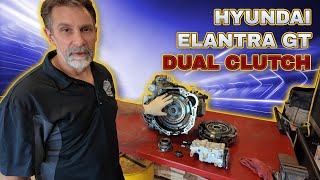
Shop the Parts Behind P0811
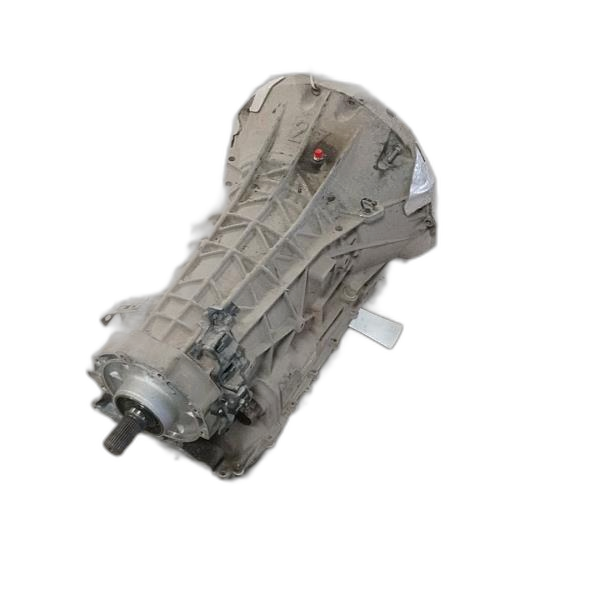
Below are the parts most often responsible for code P0811, ranked by how frequently each one is the actual culprit (per the diagnosis above). Tap any to see what we have for your vehicle.


The information in this article is provided for general reference and educational purposes only. Vehicle specifications, procedures, and part compatibility can vary by production date, trim level, and region. Always consult your vehicle's factory service manual and verify part numbers before purchasing or performing repairs. Safety-critical components such as airbags, seat belts, and braking systems should be installed by a qualified professional.
- 🧭 Diagnostic Flowchart
- 🎬 Helpful Videos
- 🛍️ Shop This Part
- What Does P0811 Mean?
- Can I Drive With P0811?
- Common Causes
- Symptoms
- Common Fixes & Costs
- Used vs. New Parts: Buying Guide
- What Happens If You Wait — Timeline
- Cost of Not Fixing It
- Diagnosis Steps
- When This Code Triggers (Freeze-Frame Conditions)
- Related Codes
- Climate & Environmental Factors
- How to Talk to a Mechanic About This Code
- Where to Take It: Dealer vs Independent vs Chain
- When to Walk Away From the Repair
- What Scan Tool You Need for This Code
- How to Clear the Code After You Fix It
- Will This Fail Emissions / State Inspection?
- Most Commonly Affected Vehicles
- Manufacturer-Specific Notes
- Real Owner Stories
- 2017 Dodge Grand Caravan at 110K miles
- 2022 Ford Maverick Hybrid at 800 miles
- 2008 Volvo C30 at 242K miles
- 2018 Audi A5 at 102K miles with ECU Tune
- How to Prevent This Code From Triggering
- Frequently Asked Questions
- What does the 'A' in 'Clutch A' refer to?
- What is the difference between transmission 'slipping' and 'juddering'?
- My car only slips when it's hot. What does that mean?
- Will changing the transmission fluid fix a P0811 code?
- Can a bad battery or alternator cause transmission problems like P0811?
- How much will it cost to fix a P0811 code?
- What is the most common misdiagnosis for P0811?
- Key Takeaways
- 🎟️ Get 5% Off