

P0842 on 2016-2022 Honda Pilot: Transmission Pressure Switch 'A' Circuit Low Causes and Fixes
On a 2016-2022 Honda Pilot, code P0842 is most often caused by a failed 2nd clutch transmission fluid pressure switch. Replacing this switch is the most common fix, with the genuine OEM part costing approximately $60-$90. This is an electrical fault, not an internal mechanical transmission failure.
- P0842 on a 2016-2022 Pilot points to an electrical problem with the 2nd clutch pressure switch circuit, not a major mechanical transmission failure.
- The most common fix is to replace the faulty pressure switch, which is located on top of the transmission housing under the air intake box.
- Symptoms almost always include a Check Engine Light and a flashing 'D' (Drive) indicator.
- Always check the transmission fluid level and condition first, as low or dirty fluid can cause various transmission issues.
- Do not immediately assume the transmission needs a rebuild; proper electrical diagnosis is required and often saves thousands of dollars.
What's Unique About the 2016-2022 Honda Pilot
For Honda vehicles, including the Pilot, this code is almost always an electrical issue with the switch or its wiring, not an internal mechanical failure of the transmission. A key indicator on this platform is a flashing 'D' (Drive) light on the instrument cluster, which accompanies the Check Engine Light. The vehicle's computer will engage a failsafe mode to prevent damage, often limiting the transmission to either 2nd or 5th gear. This specific issue can occur on Pilots with either the Honda-built 6-speed automatic or the ZF-sourced 9-speed automatic transmission.
Symptoms You May Notice
- Check Engine Light is on
- Flashing 'D' (Drive) indicator light
- Harsh, erratic, or delayed gear shifts
- Transmission is stuck in one gear (limp mode), often 2nd or 5th
- Vehicle may feel sluggish or have poor acceleration
- Minor lurching when shifting at low speeds
- Replacing internal transmission components like clutch packs, the valve body, or the entire transmission. Honda service information and owner forums repeatedly state this code is for an electrical fault, not an internal mechanical one, and a transmission rebuild is almost never the correct fix.
Most Likely Causes
- Faulty 2nd Clutch Transmission Fluid Pressure Switch 🔴 High Probability → Shop Transmission Assembly These pressure switches are a very common failure point on many Honda and Acura models due to internal wear over time, leading to an electrical fault.
How to confirm: After confirming fluid is clean and full, and wiring is intact, use a diagnostic scanner to monitor the switch's status (ON/OFF) in live data. If the status doesn't change from OFF to ON when the transmission should be in 2nd gear, the switch is likely bad.
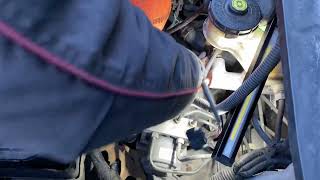
Typical fix: Replace the 2nd clutch transmission fluid pressure switch and its crush washer. The switch is located on the top of the transmission and typically requires removing the air filter box for access. A 22mm deep socket is needed for removal. 🎬 Watch: Step-by-step guide to replacing the transmission oil pressure switch. It is highly recommended to use a genuine Honda part to avoid premature failure of aftermarket parts.
Est. part cost: $60-$90 - Wiring or Connector Issue 🟡 Medium Probability The wiring harness leading to the transmission can be exposed to engine heat and vibration, which can eventually cause a wire to break, chafe and short to ground, or cause corrosion in the connector pins.
How to confirm: Visually inspect the wiring harness and the connector at the pressure switch for any signs of damage, melting, or corrosion. Disconnect the switch and the PCM, then use a multimeter to check for continuity on the signal wire and to check for a short to ground.
Typical fix: Repair the damaged section of wire or clean/replace the faulty connector.
Est. part cost: $10-$50 - Low or Dirty Transmission Fluid ⚪ Low Probability → Shop Transmission Assembly While P0842 is an electrical code, extremely low or degraded fluid can cause erratic hydraulic pressure. While this doesn't directly cause the electrical fault, it can cause other shifting problems and should be addressed as a basic maintenance step.
How to confirm: Check the transmission fluid level and condition using the dipstick (if equipped) or fill/check plug. The fluid should be at the correct level and reddish in color (for Honda ATF DW-1), not brown, black, or burnt-smelling.
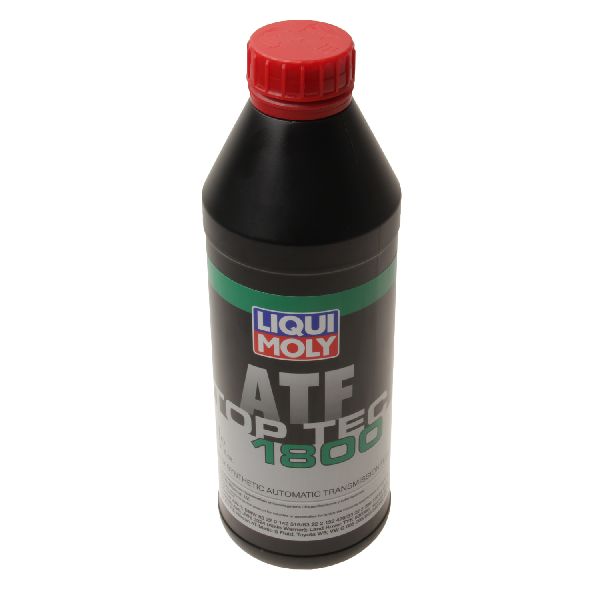
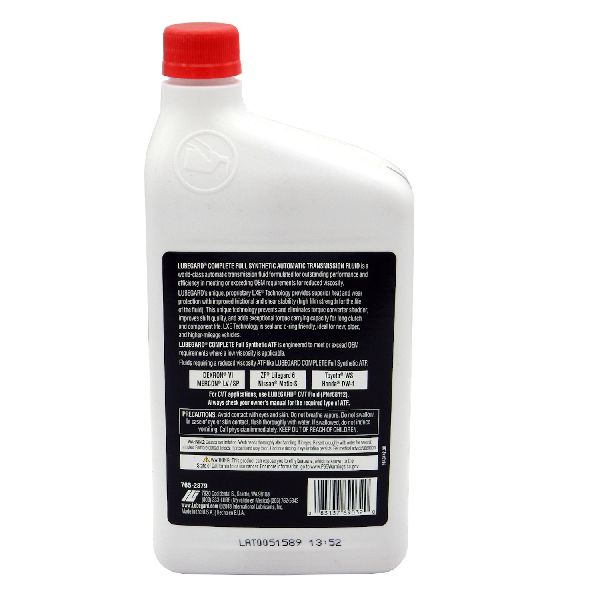
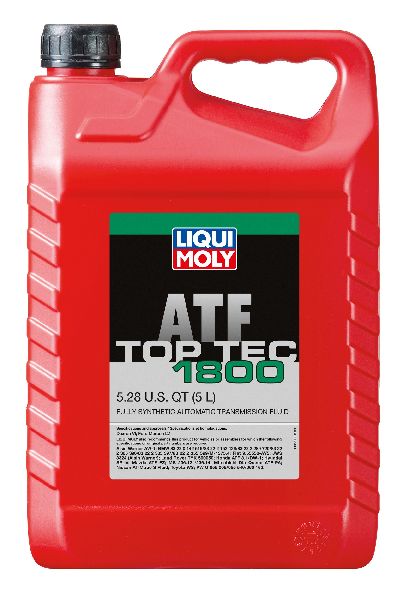
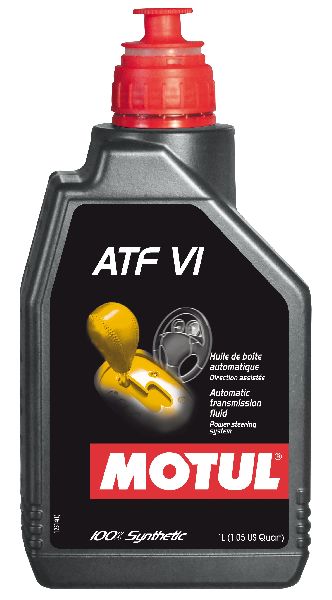
Typical fix: Perform a transmission fluid drain and fill using the correct Honda-specific automatic transmission fluid (e.g., Honda ATF DW-1 for the 6-speed, ATF Type 3.1 for the 9-speed).
Est. part cost: $50-$150
Rare But Worth Checking
- Faulty Powertrain Control Module (PCM): → Shop Engine Control Module (ECM) This is very rare. The PCM should only be considered after all other possibilities, including the switch and wiring, have been exhaustively tested and ruled out.
Diagnosis Steps
- Check the transmission fluid level and condition. Top off or replace if low or dirty, using the correct fluid type for your transmission (6-speed vs 9-speed).
- Scan the vehicle for any other related trouble codes. Note them and clear the codes.
- Perform a test drive, shifting through all gears, to see if the P0842 code and flashing 'D' light return.
- If the code returns, visually inspect the 2nd clutch pressure switch connector and its wiring harness for any obvious damage, corrosion, or loose connections.
- Using a compatible scan tool (like the Honda HDS), access the transmission data list and monitor the live data for the '2nd Clutch Pressure Switch'. Observe if its status changes from OFF to ON as the transmission shifts into 2nd gear.
- If the switch status does not change, disconnect the switch connector. Test the signal wire for a short to ground using a multimeter.
- If the wiring is confirmed to be good, the pressure switch itself is the most likely culprit.
- Replace the 2nd clutch transmission fluid pressure switch with a new crush washer. Use a 22mm deep socket for removal. Torque the new switch to specification (typically 14 ft-lbs, but verify for your specific model).
- Clear the codes and perform another test drive to verify the repair.
Parts You'll Likely Need
- 2nd Clutch Transmission Fluid Pressure Switch
(OEM #28600-R97-003 (for 6-speed models) or 28600-RKE-004 (often used as a replacement for multiple applications))— This switch is the most common failure point that triggers code P0842 on this vehicle. Part numbers can supersede, so always verify with a dealer using your VIN.
Trusted brands: Honda (Genuine), Standard Motor Products (SMP), NTK, Rostra
OEM price range: $60-$90
Aftermarket price range: $40-$70
Related Codes That Often Appear With This One
- P0700 — P0700 is a generic code indicating that the Transmission Control Module (TCM) has stored a fault and has requested the Check Engine Light to be turned on. A more advanced scanner is needed to read the specific code, which in this case would be P0842.
- P0843 — P0843 is the opposite fault for the same switch ('Circuit High'). Seeing either code points directly to a problem with the 2nd clutch pressure switch circuit.
Platform-Specific Known Issues
- The 3rd generation Pilot used two different transmissions, a 6-speed and a 9-speed. While both can exhibit this code, the 6-speed was known for a separate issue causing a torque converter shudder, while the 9-speed was sometimes criticized for clunky shifting behavior related to software. It's important not to confuse those issues with the specific electrical fault of P0842.
Mechanic-Grade Diagnostic Values
- Pressure Switch Signal Wire Voltage (Key On, Engine Off) — expected: Approximately 5.0V reference voltage from PCM.. Failure: A reading of 0-0.5V on the signal wire indicates a short to ground, which triggers the P0842 'Circuit Low' code.
- Continuity Test on Signal Wire — expected: With the switch and PCM disconnected, there should be NO continuity between the signal wire pin at the PCM connector and chassis ground.. Failure: If continuity is present (low resistance to ground), it confirms a short in the harness.
- Live Data on Honda HDS (Switch Disconnected) — expected: With the pressure switch connector unplugged and ignition ON, the HDS should show the '2nd Pressure Switch' status as OFF.. Failure: If the status remains ON even with the switch disconnected, it points to a short in the wiring harness. If the status is OFF, and the code appears when plugged in, the switch itself is faulty.
Scan Tool Commands That Help
- Honda Diagnostic System (HDS): Live Data List > AT Data List > 2nd Pressure Switch — This is the primary method to diagnose the fault. It allows you to monitor the switch's reported status (ON/OFF) in real-time as the vehicle is driven or gears are selected to see if it corresponds with the actual gear.
- Honda Diagnostic System (HDS): Jump SCS Line — This procedure is mentioned in official Honda troubleshooting flowcharts before performing continuity tests. It is used to reset certain stored conditions in the system to prepare for accurate electrical testing.
- Honda Diagnostic System (HDS): DTCs MENU > Clear DTC — Used after a repair to clear the P0842 code and the flashing 'D' light. A test drive is then required to see if the code returns, verifying the fix.
Wiring & Ground Locations
- PCM Connector B, Pin 24 — This is the specific pin for the 2nd clutch pressure switch signal wire (OP2SW) at the Powertrain Control Module (PCM). The PCM is located in the engine bay. Connector B is a 51-pin connector.. This is the exact pin to test for a short to ground when diagnosing a P0842 code, eliminating guesswork. Testing for continuity to ground from this pin with the connector unplugged will confirm if the wiring harness is shorted.
- Main Chassis Ground — The main battery-to-chassis ground connection point is often located on the frame rail near the battery, but under an air intake cover, making it difficult to access.. Owners and technicians have noted that the factory ground connection is sometimes made on a painted surface, relying only on the bolt threads for contact. A poor ground for the vehicle can create a floating ground reference for the PCM, potentially causing erroneous voltage readings and codes like P0842. Ensuring this ground is clean and secure is a valid, though rare, diagnostic step.
Real Owner Repair Stories
- YouTube Channel 'P0848 HONDA TRANSMISSION FLUID PRESSURE SENSOR/SWITCH "B" CIRCUIT ISSUES AND REPLACEMENT' (2020 Honda Pilot (similar issue P0848 on 3rd clutch switch)) — Check Engine Light and flashing 'D' light with code P0848.
❌ Tried (didn't work) The owner had the same switch replaced under warranty by a Honda dealer two years prior. The failure recurred.
✅ What actually fixed it The owner replaced the faulty 3rd clutch pressure switch himself with a new, genuine Honda OEM part (P/N 28600-R94-004). He noted the replacement part was black, while the failed part was a different color, suggesting a part revision. He also warned against buying cheap aftermarket versions. The fix was successful and the code cleared after a drive cycle.
OEM Part Supersession History
28600-R97-003→28600-R36-004— The original part was updated. While not officially stated, supersessions often address a known failure mode or manufacturing improvement.
Heads up: The new part number is the correct replacement. Using old stock of the original part number may lead to a repeat failure.
Model Year Variations Within This Range
- 2016-2022: The required Automatic Transmission Fluid (ATF) is different depending on the transmission. 6-speed models (2016-2020 LX/EX/EX-L) require Honda ATF DW-1. 9-speed models (2016-2020 Touring/Elite & all 2021-2022) require Honda ATF Type 3.1, which is a rebranded ZF Lifeguard 9 fluid. The fluids are NOT interchangeable. Using the wrong fluid can cause severe transmission damage.
Diagnostic Flowchart
Other Known Issues on This Vehicle
Issues unrelated to this code that are worth knowing about as an owner of this generation:
- Fuel Injector Failure 🔴 High — Commonly reported around 45k-100k miles. Honda extended the warranty for this issue on many vehicles. (Ref: Warranty Extension)
- Infotainment System Glitches (Popping/Cracking/Black Screen) 🟠 Medium — Widespread issue across many 2016+ models. Often related to a loose FAKRA connector for the MOST bus network. (Ref: TSB A19030B / 23-047)
- Auto Start-Stop System Failure 🟡 Low — Frequently reported issue where the system deactivates and displays a warning message, often requiring battery replacement or software updates. (Ref: TSB 23-023)
- Torque Converter Shudder (6-Speed AT) 🟠 Medium — A well-known issue on 6-speed models, causing a vibration/shudder between 20-60 mph. Often resolved with repeated transmission fluid changes. (Ref: TSB 23-078)
- Crankshaft Manufacturing Defect (Engine Seizure) 🔴 High — Affected certain 2016, 2018, and 2019 models. Improperly manufactured crankshafts could lead to premature bearing wear and engine failure. (Ref: NHTSA Recall 23V-751)
Used vs. New Parts: Buying Guide for This Vehicle
When a used part is the smart pick: For this specific repair, a used part is NEVER recommended. The pressure switch is a known common failure item, and a used part from a donor vehicle has an unknown history and is likely to fail in the same way as the original.
What to inspect on the donor part:
- Not applicable; do not purchase this part used.
OEM-only on this vehicle (don't cheap out):
- Transmission Fluid Pressure Switch
Aftermarket brands forum-validated for this vehicle:
- While some brands like NTK or Standard Motor Products are generally reputable, the consensus in Honda forums and among mechanics is to use only Genuine Honda OEM parts for transmission sensors to avoid premature failure and compatibility issues.
Brands owners have reported issues with on this vehicle:
- Unnamed, low-cost brands found on sites like Amazon or eBay are frequently cited as unreliable and a common cause of repeat repairs.
Real Owner Stories
Aggregated from forums and TSBs cited above. Mileages and costs reflect what owners reported in those sources.
2015 Honda Odyssey
Symptoms: Owner was quoted $4,700 for a transmission rebuild by one shop to fix a P0842 code.
What fixed it: A second shop correctly identified the problem as a faulty pressure switch, avoiding the unnecessary and costly transmission rebuild.
Source hint: Reddit r/HondaOdyssey - 'P0842 - Trans Pressure Switch A (2nd Clutch)'
2009 Acura MDX
Symptoms: Vehicle presented with a P0842 code. The owner initially replaced the wrong pressure switch before correctly identifying the faulty one.
What fixed it: Replacing the correct 2nd clutch transmission fluid pressure switch resolved the issue, highlighting the importance of proper diagnosis.
Source hint: AcuraZine - '09 MDX showing Code P0842 / AT Switch?'
Related OBD-II Codes
Frequently Asked Questions
My mechanic is quoting me for a full transmission rebuild for code P0842. Is this necessary on my 2017 Pilot?
What part do I need to fix P0842 and where is it located?
Is the P0842 code related to the torque converter shudder issue I've heard about on the 6-speed Pilot?
My 'D' (Drive) light is flashing and the transmission is stuck in gear. Is this caused by P0842?
I have the 9-speed transmission in my Pilot, not the 6-speed. Can I still get a P0842 code?
I've confirmed my transmission fluid is clean and full. What is the next most likely cause of P0842?
Helpful Videos
We Have This Part in Stock

The information in this article is provided for general reference and educational purposes only. Vehicle specifications, procedures, and part compatibility can vary by production date, trim level, and region. Always consult your vehicle's factory service manual and verify part numbers before purchasing or performing repairs. Safety-critical components such as airbags, seat belts, and braking systems should be installed by a qualified professional.
- Honda Pilot:
- 🧭 Diagnostic Flowchart
- 🎬 Helpful Videos
- 🛍️ Shop This Part
- What's Unique About the 2016-2022 Honda Pilot
- Symptoms You May Notice
- Most Likely Causes
- Rare But Worth Checking
- Diagnosis Steps
- Parts You'll Likely Need
- Related Codes That Often Appear With This One
- Platform-Specific Known Issues
- Mechanic-Grade Diagnostic Values
- Scan Tool Commands That Help
- Wiring & Ground Locations
- Real Owner Repair Stories
- OEM Part Supersession History
- Model Year Variations Within This Range
- Other Known Issues on This Vehicle
- Used vs. New Parts: Buying Guide for This Vehicle
- Real Owner Stories
- 2015 Honda Odyssey
- 2009 Acura MDX
- Related OBD-II Codes
- Frequently Asked Questions
- 🎟️ Get 5% Off