

P0847 on 2020-2021 Ford Escape: Causes and Fixes for Transmission Sensor Circuit High
On a 2020-2021 Ford Escape, code P0847 is almost always caused by a chafed engine wiring harness (specifically the 14290 harness), not a faulty sensor. This is a known issue documented in Ford Technical Service Bulletins. For 1.5L models, the chafe point is often where the harness can contact the steering shaft. The fix involves inspecting and repairing the damaged wires, which is low in parts cost but can require 1-3 hours of labor.
- For a 2020-2021 Ford Escape, P0847 is a strong indicator of a specific, known wiring harness problem.
- Do not replace the transmission pressure sensor without first thoroughly inspecting the 14290 engine harness for chafing, especially near the steering shaft on 1.5L models.
- Check for a blown fuse F44 and the presence of other VREF-related codes like P06A7.
- The issue may be reproducible by turning the steering wheel lock-to-lock.
What's Unique About the 2020-2021 Ford ESCAPE
For the 2020-2021 Ford Escape, this code has a very specific and well-documented cause that is different from the generic diagnosis. Ford has issued multiple Technical Service Bulletins (TSBs) indicating that a particular engine wiring harness, part number series 14290, is prone to chafing. This rubbing action can expose wires and cause a short circuit on the 5-volt reference (VREF) line that powers numerous sensors, including the transmission pressure sensor. TSB SSM 50116 specifically identifies a chafe point for 1.5L models where the harness contacts the steering shaft, meaning the short can be triggered simply by turning the wheel. This is why P0847 often appears with a large, seemingly unrelated group of other sensor codes.
Diagnostic Flowchart
Tap your situation to follow the diagnostic path that matches what you're seeing on this vehicle.
Symptoms You May Notice
- Illuminated Malfunction Indicator Lamp (Check Engine Light)
- Vehicle runs rough or stalls
- Erratic or harsh transmission shifting
- Transmission may enter 'limp mode,' limiting available gears
- Blown fuse, specifically fuse F44 in the engine compartment fuse box
- Multiple other warning lights or seemingly unrelated DTCs stored at the same time
- Symptoms may appear or worsen when turning the steering wheel
- Replacing the transmission fluid pressure sensor without first inspecting the 14290 wiring harness. On this specific vehicle, the harness is the most likely culprit, and replacing the sensor will not fix the underlying short circuit.
Most Likely Causes
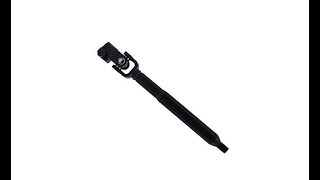
- Chafed or Shorted Engine Wiring Harness (14290 harness) 🔴 High Probability → Shop Engine Wiring Harness This is a known issue documented by Ford in TSBs SSM 50245 and SSM 50116. TSB SSM 50116 specifically calls out a location on 1.5L models where the harness is routed too close to the steering shaft u-joint near the upper brake pedal mount. 🎬 Watch: How to access and replace the intermediate steering shaft. Turning the steering wheel causes the shaft to rub against the harness, eventually wearing through the insulation and causing a short on the VREF circuit.
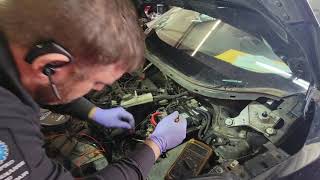
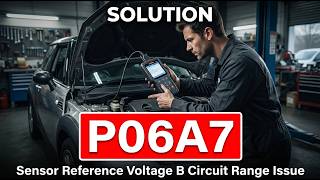
How to confirm: Check for blown fuse F44. Scan for other VREF-related codes (P06A7 is a key indicator 🎬 Watch: This video explains the P06A7 code and its causes.). With the vehicle running, carefully turn the steering wheel from lock to lock to see if symptoms can be reproduced. Perform a careful visual inspection of the 14290 wiring harness, focusing on the area above the steering shaft u-joint near the upper brake pedal mount for any signs of chafing, melting, or exposed wires.
Typical fix: Repair the damaged section of the harness by splicing in new wire and using heat-shrink tubing. Secure the harness with zip ties or loom to create clearance and prevent it from rubbing against the steering shaft or other components again.
Est. part cost: $10-$30 - Failed Transmission Fluid Pressure Sensor 'B' ⚪ Low Probability → Shop Transmission Assembly
How to confirm: Only after the wiring harness has been thoroughly inspected and confirmed to be in good condition. The sensor's voltage output can be tested with a multimeter to see if it is shorted internally.
Typical fix: Replace the transmission fluid pressure sensor. This may be part of a larger solenoid body assembly inside the transmission.
Est. part cost: $70-$200
Rare But Worth Checking
- Powertrain Control Module (PCM) Failure: This is extremely rare. The PCM should only be considered as the cause after all wiring and sensor-related possibilities have been exhaustively ruled out by a professional.
Diagnosis Steps
- Scan the PCM for all stored Diagnostic Trouble Codes (DTCs). Note if P0847 is present with a cluster of other codes, especially those listed in the 'often_seen_with_codes' section.
- Check fuse F44 in the engine bay fuse box to see if it is blown. A blown fuse is a strong indicator of a short circuit.
- If multiple VREF codes are present and/or fuse 44 is blown, prioritize inspection of the 14290 engine wiring harness.
- As per TSB SSM 50116, focus the inspection on the area where the harness passes the steering shaft u-joint near the upper brake pedal mount. Look for evidence of rubbing.
- If damage is located, disconnect the battery. Carefully cut out the damaged wire section(s).
- Splice in new wire(s) using solder or high-quality butt connectors. Seal the repair with heat-shrink tubing to prevent moisture intrusion.
- Wrap the repaired section in automotive-grade electrical tape or loom and securely fasten the harness away from the point of contact to prevent future damage. Ensure adequate clearance from the steering shaft.
- If no harness damage is found, proceed with testing the transmission fluid pressure sensor circuit for a short to power using a digital multimeter.
- If the wiring is confirmed to be good, test the sensor itself according to the factory service manual. If it fails, it will need replacement.
Parts You'll Likely Need
- Engine Compartment Wiring Harness
(OEM #PZ1Z-14290-P)— This is the harness identified in Ford TSBs as being prone to chafing. While a full replacement is expensive and often unnecessary, knowing the part number helps identify the correct harness to inspect. The typical fix is to repair the existing harness.
Trusted brands: Motorcraft
OEM price range: $750-$1100 - Transmission Fluid Pressure Sensor — This is the part that gets replaced when the wiring harness is mistakenly overlooked. It is the correct fix only if the sensor itself has failed, which is less common on this vehicle for this code.
Trusted brands: Motorcraft
OEM price range: $70-$200
Aftermarket price range: $40-$120
Related Codes That Often Appear With This One
- P06A7 — This code for 'Sensor Reference Voltage 'B' Circuit Range/Performance' directly indicates the VREF circuit problem that is the root cause. 🎬 See how to troubleshoot and fix the P06A7 error code.
- P0840, P0842, P0845 — These are other transmission fluid pressure sensor circuit codes that can be triggered by the same electrical fault.
- P2122, P2127 — These are throttle/pedal position sensor codes. These sensors are often on the same VREF circuit that is shorting out.
- P0192, P0340, P0344, P0365, P0369 — These are various fuel pressure and camshaft position sensor codes that can also be triggered by the loss of the shared VREF signal, as noted in Ford's TSBs.
Technical Service Bulletins (TSBs) & Recalls
- SSM 50245: Addresses a loss of VREF or rough running condition, potentially blowing fuse 44 and setting P0847 among many other codes, due to a wiring harness issue.
- SSM 50116: A similar bulletin that specifically identifies the chafe point on 1.5L models as the 14290 harness contacting the steering shaft u-joint, causing a short when the wheel is turned.
Platform-Specific Known Issues
- Ford has issued Technical Service Bulletins SSM 50245 and SSM 50116 for 2020-2021 Escape vehicles. These bulletins directly address symptoms like an illuminated MIL, rough running, and an open fuse 44, which may be accompanied by a long list of DTCs including P0847. TSB SSM 50116 for 1.5L models states the cause is the '14290 harness directly above the steering shaft u-joint near the upper brake pedal mount may come in contact with the steering shaft.' It notes that rotation of the steering wheel can trigger the short circuit.
Mechanic-Grade Diagnostic Values
- Transmission Fluid Pressure (TFP) Sensor 'B' Voltage — expected: 0.5V to 4.5V. Failure: A P0847 'Circuit High' code indicates the voltage is stuck above the expected 4.5V maximum, often due to a short to a 5V reference line.
Scan Tool Commands That Help
- Ford IDS (Integrated Diagnostic Software): Powertrain > Transmission > Service Functions > Reset Transmission Adaptive Tables — After repairing the wiring harness or replacing a transmission component, a technician must use this function to clear the old, learned shift parameters. This forces the TCM to relearn shifting strategy with the corrected sensor inputs, ensuring smooth operation and preventing harsh shifts.
Wiring & Ground Locations
- C175B — This is one of the main connectors at the Powertrain Control Module (PCM).. The TSBs mention that the 14290 harness is the culprit. Pinout diagrams confirm that connector C175B is the interface for the 14290 harness at the PCM. A short circuit in the harness between a sensor and the PCM will manifest as an out-of-range voltage reading at one of the pins in this connector.
OEM Part Supersession History
LX6Z-14290-series (example)→PZ1Z-14290-series (example)— Part numbers for the 14290 harness are extremely specific to the vehicle's configuration.
Heads up: You must match the harness part number exactly. Variations like engine (1.5L vs 2.0L vs Hybrid), drivetrain (FWD vs AWD), and trim level options (heated seats, premium audio) result in different harnesses. For example, PZ1Z-14290-P is for a 2.0L AWD model, while PZ1Z-14290-C is for a 2.5L Hybrid FWD model. Installing the wrong harness will lead to non-functional components.
Helpful Videos
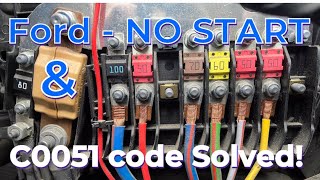
We Have This Part in Stock

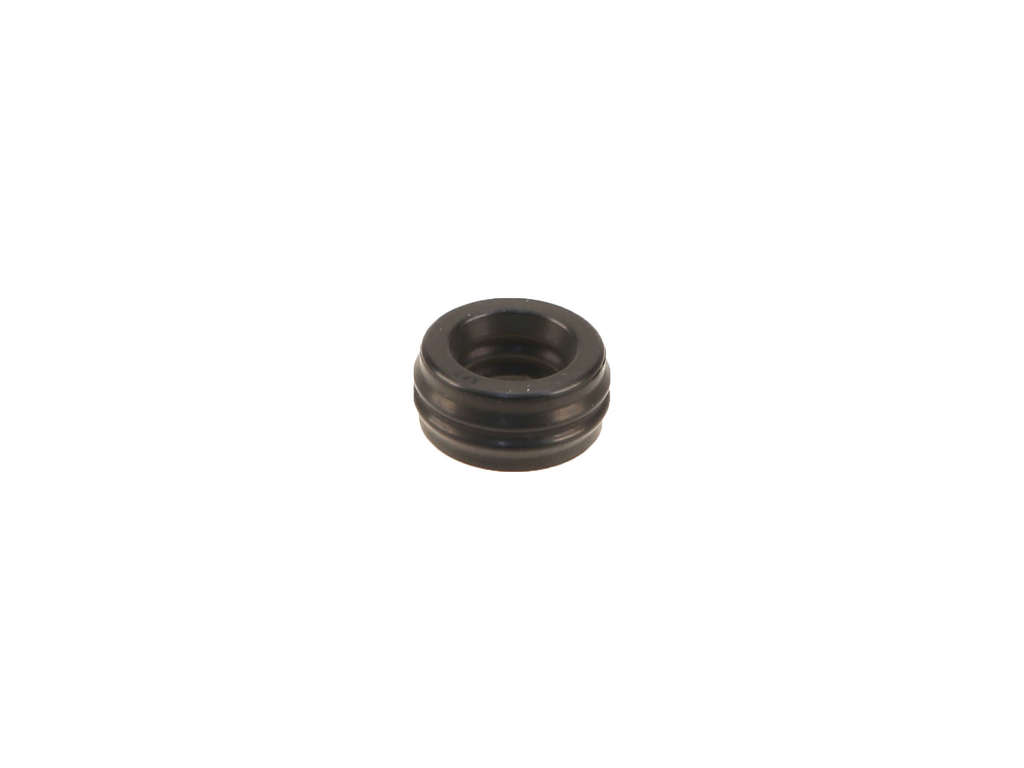
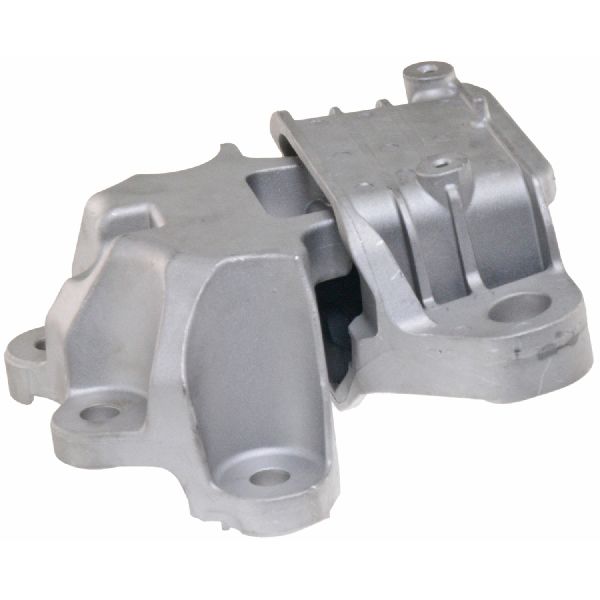
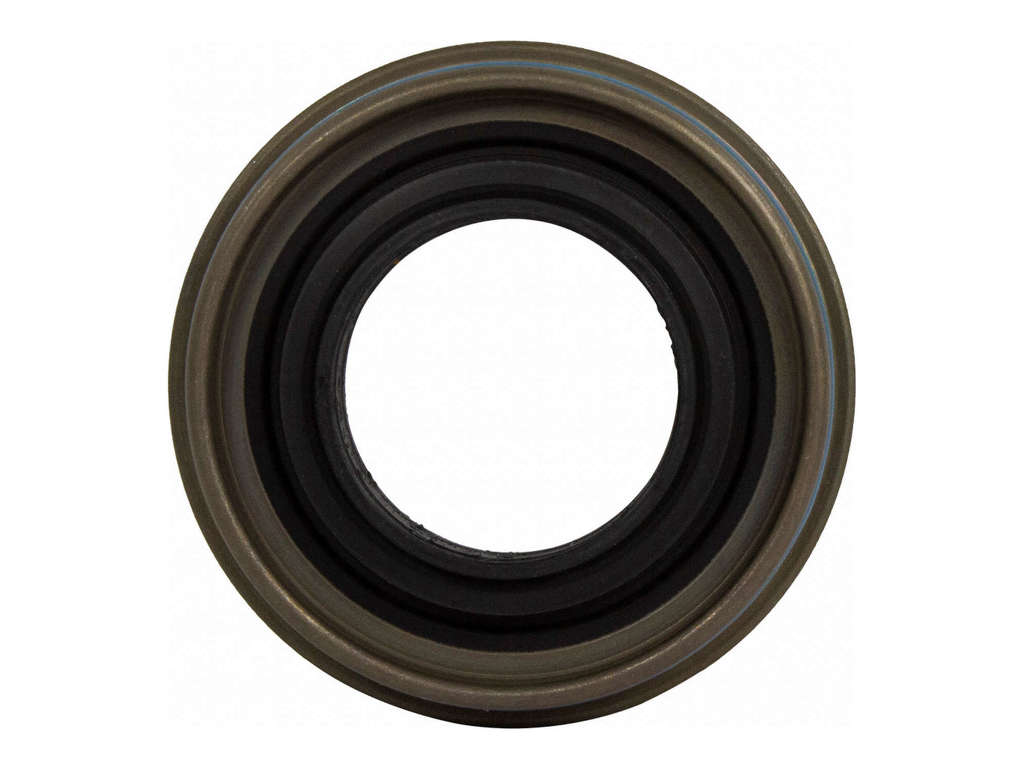

The information in this article is provided for general reference and educational purposes only. Vehicle specifications, procedures, and part compatibility can vary by production date, trim level, and region. Always consult your vehicle's factory service manual and verify part numbers before purchasing or performing repairs. Safety-critical components such as airbags, seat belts, and braking systems should be installed by a qualified professional.
- Ford ESCAPE:
- 🧭 Diagnostic Flowchart
- 🎬 Helpful Videos
- 🛍️ Shop This Part
- What's Unique About the 2020-2021 Ford ESCAPE
- Symptoms You May Notice
- Most Likely Causes
- Rare But Worth Checking
- Diagnosis Steps
- Parts You'll Likely Need
- Related Codes That Often Appear With This One
- Technical Service Bulletins (TSBs) & Recalls
- Platform-Specific Known Issues
- Mechanic-Grade Diagnostic Values
- Scan Tool Commands That Help
- Wiring & Ground Locations
- OEM Part Supersession History
- 🎟️ Get 5% Off