

P0856 on 2008-2014 Cadillac CTS: Traction Control Signal Fault Causes and Fixes
On a 2008-2014 Cadillac CTS, code P0856 is almost always caused by a wiring issue at the main transmission connector (X1), not a failed module. Inspecting and repairing corroded or loose pins in this connector, as outlined in GM TSB PIC4740E, is the most common fix.
- P0856 on a 2008-2014 CTS is primarily an electrical communication problem, not a mechanical failure.
- Before considering expensive module replacements, always inspect the transmission X1 connector for corrosion or loose pins, as this is the most likely cause.
- This code is often accompanied by a host of 'U' codes (e.g., U0100, U0101), which confirms a network communication failure.
- Due to the risk of stalling or erratic shifting, the vehicle should not be driven until the issue is repaired.
What's Unique About the 2008-2014 Cadillac CTS
The second-generation Cadillac CTS, built on the GM Sigma II platform, is uniquely susceptible to this issue due to problems with the main transmission harness connector, known as X1. A General Motors Technical Service Bulletin (TSB PIC4740E and its successor, PIC4740F) specifically calls out this connector as a common point of failure, where pins can become unseated or corroded, leading to a cascade of communication codes, including P0856. This makes it more of a known wiring problem than a random component failure, a fact corroborated by numerous owner experiences in online forums.
Diagnostic Flowchart
Tap your situation to follow the diagnostic path that matches what you're seeing on this vehicle.
Symptoms You May Notice
- Traction control system disabled or unavailable message
- Check Engine Light is on
- Traction control or StabiliTrak warning light is on 🎬 Watch: How one owner fixed their CTS traction control light.
- Harsh or erratic transmission shifting
- Vehicle may enter a reduced power "limp mode"
- Vehicle may not crank or start
- Multiple other warning lights may be illuminated [ODI #11533125]
- Door locks may cycle while driving
- Replacing the Transmission Control Module (TCM) or Electronic Brake Control Module (EBCM) without first thoroughly inspecting the transmission X1 connector and related wiring harness. The issue is far more likely to be a simple wiring or connection problem as outlined in TSB PIC4740E/F.
Most Likely Causes
- Poor Connection at Transmission Connector X1 🔴 High Probability → Shop Transmission Assembly As documented in GM TSB PIC4740E and PIC4740F, pins in this specific connector are known to become loose, unseated, or corroded, causing widespread communication failures. This is the most common cause by a significant margin.
How to confirm: Disconnect the X1 connector, which is the large, round main connector on the driver's side of the transmission. Visually inspect for green corrosion, moisture, or damage. Gently tug on each individual wire to ensure the terminal pins are fully seated and locked in place. A side load on the wires may give a false sense of security, so be thorough.
Typical fix: Clean the connector terminals with electrical contact cleaner and a small brush. If pins are loose, they may need to be re-seated or replaced. In severe cases of corrosion or damage, the connector pigtail itself may need to be replaced.
Est. part cost: $10-$60 - Damaged Wiring Harness 🟡 Medium Probability TSB PIC4740E/F also notes that the harness can chafe against a securing bracket located on the passenger side of the vehicle where the transmission bell housing is attached to the engine block. Over time, vibration wears through the insulation and causes shorts.
How to confirm: Visually inspect the wiring harness, especially where it is routed near metal brackets on the passenger side of the transmission. Look for any signs of rubbing, chafing, or exposed copper wires.
Typical fix: Repair the damaged section of wire using solder and heat shrink tubing. Protect the harness from further chafing using loom, high-quality electrical tape, or by repositioning it away from the bracket.
Est. part cost: $5-$25 - Faulty Electronic Brake Control Module (EBCM) ⚪ Low Probability → Shop ABS Control Module
How to confirm: This requires a professional scan tool to check for internal EBCM faults and to monitor its communication data. This should only be suspected after all wiring issues, as described in TSB PIC4740E/F, have been meticulously ruled out. A poor ground at G110 near the EBCM should also be checked first.
Typical fix: Replacement of the EBCM, which often requires programming to the vehicle's VIN.
Est. part cost: $200-$500
Rare But Worth Checking
- Faulty Transmission Control Module (TCM): → Shop Transmission Assembly While possible, the TCM is rarely the root cause. The provided TSB and owner complaints strongly point to external wiring as the primary issue. A TCM should only be replaced after exhaustive wiring diagnostics.
- Faulty Engine Control Module (ECM): Similar to the TCM, an ECM failure is a rare cause for this specific code. It should be considered a last resort after all other possibilities are eliminated.
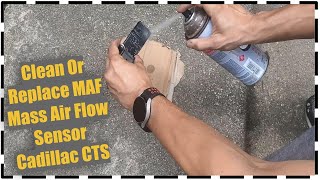
- Faulty Mass Airflow (MAF) Sensor: In some cases, a failing MAF sensor can send erroneous data to the ECM, causing it to set a variety of codes, including communication codes like P0856, as it cannot rationalize the conflicting inputs. One owner documented this exact scenario where replacing the MAF sensor resolved the P0856 and associated traction control warnings.
Diagnosis Steps
- Scan the vehicle for all stored trouble codes. Note the presence of any 'U' (network) codes, as they strongly suggest a communication issue consistent with TSB PIC4740E/F.
- Follow the instructions in TSB PIC4740E/F. Disconnect the negative battery terminal. The battery is located in the trunk on the passenger side.
- Locate and disconnect the main transmission electrical connector (X1). This is a large, round connector on the driver's side of the transmission case.
- Thoroughly inspect both the male and female sides of the connector for any signs of green or white corrosion, moisture, or bent/damaged pins.
- Gently tug on each individual wire going into the back of the connector. A properly seated pin will not move. If a wire feels loose or pulls out, the terminal lock is broken or the pin was not fully seated. This is the core issue described in the TSB.
- Inspect the wiring harness near the transmission bell housing on the passenger side for any signs of chafing or damage, particularly where it passes near the metal securing bracket.
- Inspect key ground locations for tightness and corrosion, especially G110 (on the right frame rail, near the ABS module) and G101/G102 which ground the ECM.
- If corrosion is found, clean the terminals carefully using an electrical contact cleaner and a small brush. Apply dielectric grease upon reassembly to prevent future moisture intrusion.
- If wiring is damaged, repair the affected wires using solder and heat-shrink tubing for a durable, insulated connection.
- Reconnect the X1 connector, ensuring it clicks and is fully seated. Reconnect the battery.
- Clear all fault codes and perform a test drive to see if the P0856 code returns.
Parts You'll Likely Need
- Electrical Contact Cleaner — Often, the only thing needed is to clean corrosion from the transmission X1 connector terminals.
Trusted brands: CRC, WD-40 Specialist
Aftermarket price range: $10-$15 - Transmission Connector Pigtail — If the X1 connector body or its internal seals are severely damaged by corrosion or heat, replacing the connector end (pigtail) is necessary. This requires splicing multiple wires.
Trusted brands: ACDelco, Dorman (e.g., 645-800, verify pin count)
OEM price range: $40-$80
Aftermarket price range: $25-$60 - Dielectric Grease — To protect the cleaned or repaired connector from future moisture and corrosion.
Trusted brands: Permatex, CRC
Aftermarket price range: $5-$10
Related Codes That Often Appear With This One
- U0073 — Indicates a general Control Module Communication Bus 'A' Off, pointing to a network-wide issue, and is explicitly listed in TSB PIC4740E/F.
- U0100 — Lost Communication With ECM/PCM. This code is explicitly mentioned in both the TSB and an owner complaint, confirming a communication breakdown. [TSB #PIC4740E, ODI #11533125, 8]
- U0101 — Lost Communication With TCM. This code is also listed in the TSB and points directly to a problem with the transmission's ability to communicate, often due to the X1 connector. [TSB #PIC4740E, ODI #11533125, 8, 12]
- U0121 — Lost Communication With Anti-Lock Brake System (ABS) Control Module. Since the traction control system is part of the ABS, this code is a common companion when the network is disrupted. [TSB #PIC4740E, 8, 9]
- P0700 — Transmission Control Module (TCM) Requested MIL Illumination. This is a general code indicating the TCM has detected a fault (like the P0856) and has asked the ECM to turn on the Check Engine Light. [TSB #PIC4740E, 8]
Technical Service Bulletins (TSBs) & Recalls
- PIC4740E/PIC4740F: Addresses multiple communication DTCs, including P0856, and directs technicians to inspect the transmission X1 connector for unseated pins and the harness for chafing. This TSB applies to the CTS, STS, SRX, and ATS.
Platform-Specific Known Issues
- A known issue, documented in TSB PIC4740E/F, involves unseated pins and chafing of the wiring harness at the main transmission connector (X1), causing P0856 and numerous other communication codes.
Hidden / Shadow Codes Worth Checking
- P0856-00: The '-00' is a GM-specific symptom byte. It typically means 'No Additional Symptom Information.' This indicates the control module has detected the general fault condition for P0856 (an issue with the traction control input signal) but has no more specific information to report about the nature of the failure (e.g., circuit high, circuit low). It is the most common variant seen in owner complaints. [ODI #11533125] (see via A professional scan tool capable of reading manufacturer-specific codes, such as a GM GDS2/Tech2 or high-end aftermarket scanner.)
Scan Tool Commands That Help
- GM GDS2 (Global Diagnostic System 2): Module Diagnostics & Control Functions — After checking for codes, a technician uses GDS2 to enter the EBCM, ECM, and TCM to monitor live data. They can observe the state of the traction control switch, see the torque request signal status, and use bidirectional controls to command various system components on and off to verify the integrity of the control modules and wiring, helping to isolate the fault.
Wiring & Ground Locations
- Connector X1 — The large, round, 16-pin main electrical connector on the driver's side of the transmission case.. This is the primary failure point identified in GM TSB PIC4740E/F. Loose or corroded pins in this connector directly cause the communication loss that triggers P0856 and a host of other 'U' codes.
- Harness Chafing Point — On the passenger side of the vehicle, inspect the wiring harness where it passes a securing bracket on the transmission bell housing.. TSB PIC4740E/F specifically calls out this location as a place where engine and transmission vibration can cause the harness to rub through on the metal bracket, causing short circuits.
- G110 — On the right frame rail, near the ABS module (EBCM).. This is a primary ground for the Electronic Brake Control Module (EBCM). A poor ground here can cause the EBCM to malfunction or send erratic data on the CAN bus, which could be interpreted by the ECM as a fault and set P0856.
- G101 / G102 — G101 is near the left front strut tower; G102 is in the right front of the engine compartment.. These are ground points for the Engine Control Module (ECM). Since the ECM is the module that ultimately sets code P0856 based on the signals it receives, ensuring it has a solid ground is a fundamental diagnostic step.
- Battery — Located in the trunk, behind a panel on the passenger side.. Properly disconnecting the battery is the first step before inspecting or servicing electrical connectors like X1 to prevent accidental shorts or module damage.
Real Owner Repair Stories
- YouTube channel 'TheFlashPerformance' (Cadillac CTS (year not specified, but within generation)) — "Service Traction Control" message on the dash, traction control light on, and multiple DTCs stored.
❌ Tried (didn't work) Clearing codes would result in them immediately returning.
✅ What actually fixed it Replacing the Mass Airflow (MAF) sensor. The diagnostic logic was that service information instructed the technician to resolve any other module DTCs first. The ECM had a MAF code, and the EBCM was setting a fault because it was receiving bad data from the ECM. Replacing the faulty MAF sensor provided the ECM with correct data, which in turn allowed it to communicate properly with the EBCM, resolving the traction control fault.
Model Year Variations Within This Range
- 2008-2015: The original TSB PIC4740E was superseded by PIC4740F, which expanded the model years covered to include the 2015 CTS but did not change the diagnosis or repair procedure, indicating the X1 connector and harness chafing issue persists across the entire generation.
Helpful Videos


We Have This Part in Stock

The information in this article is provided for general reference and educational purposes only. Vehicle specifications, procedures, and part compatibility can vary by production date, trim level, and region. Always consult your vehicle's factory service manual and verify part numbers before purchasing or performing repairs. Safety-critical components such as airbags, seat belts, and braking systems should be installed by a qualified professional.
- Cadillac CTS:
- 🧭 Diagnostic Flowchart
- 🎬 Helpful Videos
- 🛍️ Shop This Part
- What's Unique About the 2008-2014 Cadillac CTS
- Symptoms You May Notice
- Most Likely Causes
- Rare But Worth Checking
- Diagnosis Steps
- Parts You'll Likely Need
- Related Codes That Often Appear With This One
- Technical Service Bulletins (TSBs) & Recalls
- Platform-Specific Known Issues
- Hidden / Shadow Codes Worth Checking
- Scan Tool Commands That Help
- Wiring & Ground Locations
- Real Owner Repair Stories
- Model Year Variations Within This Range
- 🎟️ Get 5% Off