

OBD-II Code P0868: Transmission Fluid Pressure Low
What P0868 means, why it triggers, and how to fix it
- Check your transmission fluid level immediately; a leak causing low fluid is the root cause of P0868 in over 50% of cases.
- Stop driving the vehicle immediately when P0868 appears, as operating with low hydraulic pressure destroys clutch packs and escalates a $200 sensor fix into a $3,000 transmission rebuild.
- Verify actual line pressure with a mechanical gauge connected to the transmission test port before spending $150+ replacing the electronic pressure sensor.
- On 2008-2018 Nissan models with CVT transmissions, P0868 frequently indicates a failed oil pump flow control valve requiring a $1,200+ valve body replacement, not just a fluid change.
What Does P0868 Mean?
The Powertrain Control Module (PCM) or Transmission Control Module (TCM) detects dangerously low hydraulic pressure inside the transmission. This pressure is the lifeblood of the transmission, essential for changing gears, engaging clutches, lubricating moving parts, and keeping the system cool.
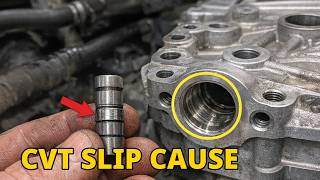
Technical definition: The SAE/OBD-II definition is "Transmission Fluid Pressure Low. 🎬 Watch: A breakdown of common causes and fixes for P0868" The PCM or TCM receives a voltage signal from the transmission fluid pressure sensor that falls below the manufacturer's specified range. On some Dodge/Ram models, the code sets when actual line pressure is 15 psi below desired pressure for 3.5 continuous seconds, or due to a "Governor Pressure Sensor Volts Too High" circuit fault.
Can I Drive With P0868?
No — Do Not Drive. Do not drive with P0868. Low fluid pressure starves the transmission of the hydraulic force needed for gear changes and lubrication, quickly causing severe internal damage. Continuing to drive risks burning out clutches, seizing gears, and catastrophic transmission failure, resulting in repair bills exceeding $2,000.
Common Causes
- Low transmission fluid level (Very Common) — The most frequent cause, almost always due to a leak from a pan gasket, seal, hose, or cracked housing. Without enough fluid, the pump cannot generate necessary pressure.
- Clogged filter or contaminated fluid (Common) — Old, degraded fluid loses hydraulic properties. Debris from normal wear clogs the filter, restricting flow and causing a pressure drop. An improperly seated filter O-ring also draws air into the system.
- Failing transmission fluid pressure sensor (Common) — The sensor fails and sends incorrect low-pressure readings to the computer, even if actual pressure is normal.
- Faulty pressure control solenoid (Less Common) — The TCM commands this solenoid to regulate line pressure. A stuck or failed solenoid prevents the TCM from managing pressure.
- Failing internal transmission pump (Less Common) — The pump is the heart of the hydraulic system. A worn or failing pump cannot generate sufficient pressure, common in vehicles over 150,000 miles.
- Damaged wiring or connectors (Less Common) — Frayed wires, loose connections, or corrosion in the pressure sensor circuit cause incorrect signals.
- Internal mechanical failure (Rare) — Worn valve bodies, failing clutches, or sticking regulator valves cause internal pressure leaks.
- Outdated TCM/PCM software (Rare) — Firmware glitches cause the module to misinterpret sensor data. A dealer software update resolves this.
Symptoms
- Check Engine Light is on — Often the first and only early warning sign.
- Vehicle enters 'Limp Mode' — The computer locks the transmission into a single gear (usually 2nd or 3rd) to prevent further damage, severely limiting speed.
- Gears slipping or delayed shifting — The engine revs between shifts, or you experience a 3-5 second delay before the transmission engages Drive or Reverse. Acceleration feels weak.
- Harsh or erratic shifting — Shifts feel rough, jerky, or unpredictable as the transmission struggles with low hydraulic pressure.
- Transmission overheating — Low fluid pressure reduces cooling. You will notice a burning smell or see smoke from the transmission area.
- Whining or grinding noises — A whining sound that changes with engine RPM indicates the transmission pump is starving for fluid.
Diagnostic Flowchart
Tap your situation to follow the diagnostic path that matches what you're seeing on this code.
Common Fixes & Costs
- Top-off or change transmission fluid and filter — Parts: $50-$150, Labor: $100-$300, ~1.5 hr book time (DIY)
- Repair transmission fluid leak — Parts: $20-$200, Labor: $150-$500, ~2.5 hr book time (Intermediate)
- Replace transmission fluid pressure sensor
— Parts: $40-$150, Labor: $150-$350, ~2 hr book time
(Intermediate)
: OEM 31936-8E003 (Alt: Dorman 926-442, Standard Motor Products PS750)
: OEM Mopar 5078708AC (Alt: Standard Motor Products PS750, Dorman 601-215) - Replace valve body or solenoid pack
— Parts: $300-$800, Labor: $300-$700, ~4 hr book time
(Professional)
: OEM 31705-29X6D (Alt: Various remanufactured units)
: OEM Mopar 68376696AA (Alt: Dorman 609-040, Rostra 52-0531) - Replace transmission pump — Parts: $300-$700, Labor: $500-$1500, ~10 hr book time (Professional)
- Repair wiring or replace connector — Parts: $10-$50, Labor: $100-$250, ~1.5 hr book time (Intermediate)
DIY vs Professional
- Top-off or change transmission fluid and filter 🟢 Beginner
Tools: Socket set, drain pan, funnel, torque wrench, fluid pump (for sealed units). - Replace transmission fluid pressure sensor 🟢 Beginner
Tools: Socket set, torque wrench, multimeter, potentially a trim removal tool or stubby wrenches for access. - Replace valve body or solenoid pack 🟢 Beginner
Tools: Extensive socket set, inch-pound and foot-pound torque wrenches, service manual, possibly special alignment tools. - Replace transmission pump 🟢 Beginner
Tools: Transmission jack, engine hoist, full professional mechanic's toolset, special transmission tools for disassembly/reassembly.
Used vs. New Parts: Buying Guide
When a used part is worth it: For an older, high-mileage vehicle (>150k miles) where the repair cost is a significant portion of the car's value, a used valve body or solenoid pack from a guaranteed low-mileage donor extends its life.
Donor-vehicle mileage cap: roughly under 80000 miles for the part to have meaningful remaining life.
Donor quality checklist:
- Verify the donor vehicle was not scrapped due to transmission failure.
- Purchase from a reputable salvage yard that offers at least a 30-90 day warranty.
- Ensure the part number is an exact match, as slight variations are incompatible.
Decision logic:
- If The part is a simple sensor and the vehicle has low to moderate mileage. → Buy new (OEM or quality aftermarket) for the longer warranty and reliability.
- If The vehicle is over 150,000 miles and needs a valve body or solenoid pack. → A used part is a reasonable risk if the budget is tight, but it has a significantly shorter lifespan.
- If A mechanic advises the valve body failure is due to other internal wear. → Consider a remanufactured transmission over a used valve body, as it comes with a warranty and addresses the entire system.
Warranty tradeoff: Used parts offer a 30-90 day functional warranty. New aftermarket parts provide a 1-year to limited lifetime warranty. New OEM parts carry the manufacturer's warranty (typically 12 months/12,000 miles).
Worst-case if a used part fails: $500-$1500 if a used valve body or solenoid fails after installation, requiring you to pay for labor a second time plus the cost of another part.
What Happens If You Wait — Timeline
- Immediate (0-50 miles): Check Engine Light illuminates. You experience delayed gear engagement (2-3 seconds to engage Drive) or minor gear slipping. The vehicle enters 'Limp Mode'. (MPG impact: 0-5%% · Added cost: $100-$300 in potential towing costs if stranded.)
- Short-Term (50-250 miles): Shifting becomes noticeably harsh and erratic. The transmission whines as the pump starves for fluid. Slipping between gears increases, causing accelerated wear on clutch packs. (MPG impact: 5-10%% · Added cost: $800-$2,000 as a simple sensor/fluid fix escalates to needing a valve body or solenoid pack.)
- Medium-Term (250-500 miles): Transmission overheats due to reduced fluid flow and excessive friction from slipping clutches. A distinct burning smell becomes apparent. The transmission fails to shift entirely. (MPG impact: 10-15%% · Added cost: $2,000-$3,500 as overheating damages seals, warps components, and guarantees a complex repair.)
- Long-Term (500+ miles): Catastrophic internal failure. The transmission pump seizes, clutches burn out entirely, and gears are permanently damaged. The vehicle stops moving altogether. (MPG impact: 15-25%+% · Added cost: $3,500-$7,000+ for a complete transmission rebuild or replacement.)
Cost of Not Fixing It
- Immediate (0-50 miles): Drivability issues such as slipping gears, harsh shifting, and 'Limp Mode' activation. Increased risk of being stranded. (Added cost: Towing costs ($100-$300))
- Short-Term (50-500 miles): Accelerated wear of clutch packs and bands due to slipping and overheating. A simple sensor or fluid fix escalates into an expensive valve body or solenoid pack replacement. (Added cost: $800-$2,000)
- Long-Term (500+ miles): Catastrophic internal transmission failure. Burnt clutches, damaged gears, and a failed transmission pump necessitate a complete transmission rebuild or replacement. (Added cost: $2,500-$6,000+)
Diagnosis Steps
- Check the Transmission Fluid Level and Condition
With the vehicle on level ground and at operating temperature, check the transmission fluid dipstick. Note the fluid level, color, and smell. It must be at the full mark and reddish-pink, not brown, black, or smelling burnt.
Tools: Rag, Owner's Manual (Beginner) - Scan for Other Trouble Codes
Use an OBD-II scanner to read all stored codes. Other codes related to sensors, solenoids (like P0746), or specific circuits (like P0842) provide valuable clues to the root cause.
Tools: OBD-II Scanner (Beginner) - Inspect for Fluid Leaks
Visually inspect the transmission pan, cooler lines, axle seals, and electrical connector seals for any signs of red or brown fluid leaks.
Tools: Flashlight, Jack and Jack Stands (Beginner) - Analyze Live Scan Tool Data
Monitor the Transmission Fluid Pressure (TFP) PID. Normal pressure at idle in Drive is typically 40-100 PSI. A reading consistently below 30 PSI confirms the low-pressure condition. Watch the TFP sensor voltage; it should be between 0.5 and 4.5 volts.
Tools: OBD-II Scanner with Live Data (Intermediate) - Test the Actual Transmission Fluid Pressure (Mechanical Gauge)
This is the definitive step to confirm if pressure is actually low. Connect a mechanical pressure gauge to a test port on the transmission. Compare readings at idle and stall speed to manufacturer specifications. If the mechanical gauge shows good pressure but the scan tool shows low, the sensor is bad. If both are low, a mechanical fault is confirmed.
Tools: Mechanical Pressure Gauge, Service Manual (Advanced) - Inspect Wiring and Connectors
Examine the wiring harness and connectors going to the transmission fluid pressure sensor. Look for damage, corrosion, or loose connections near hot exhaust or moving parts.
Tools: Flashlight (Intermediate) - Test the Transmission Fluid Pressure Sensor Circuit
Using a multimeter, back-probe the sensor connector. Check for the 5-volt reference from the TCM and a good ground. The signal wire voltage should be between 0.5 and 4.5 volts. A reading of 0 volts or a constant 5 volts points to a faulty sensor or circuit problem.
Tools: Multimeter, Service Manual, Back-probe Kit (Advanced) - Command Line Pressure with a Bi-Directional Scan Tool
Command the pressure control solenoid to increase or decrease line pressure. While monitoring live data and a mechanical gauge, determine if the solenoid responds and if the pump builds pressure. If the solenoid is commanded ON but pressure doesn't change, the solenoid or valve body is faulty.
Tools: Advanced Bi-Directional Scan Tool (Advanced)
When This Code Triggers (Freeze-Frame Conditions)
- Engine Coolant Temp: 180-200°F (The engine has reached full operating temperature.)
- RPM: 1500-2500 (The code sets during steady-state cruising or light acceleration.)
- Engine Load: 30-60% (Under a moderate and consistent engine load, where the system expects stable pressure.)
- Vehicle Speed: 35-55 mph (Occurs at city or highway cruising speeds, often during a gear shift event.)
Related Codes
- P0869 — This code means 'Transmission Fluid Pressure High,' the direct opposite of P0868. Diagnosis for P0869 looks for blockages or stuck pressure control solenoids causing pressure to build too high.
- P0746 — 'Pressure Control Solenoid 'A' Performance or Stuck Off.' Frequently appears with P0868 on Nissan CVTs. If both are present, the issue is a failure in the hydraulic control system, likely the solenoid or valve body.
- P0842 — 'Transmission Fluid Pressure Sensor/Switch 'A' Circuit Low.' Points specifically to an electrical fault in the sensor's circuit. If a mechanical gauge shows normal pressure but the scanner shows low, you have a P0842 electrical issue.
- P0867 — 'Transmission Fluid Pressure Sensor/Switch 'A' Circuit Range/Performance'. Sets alongside P0868 when the sensor's readings are erratic or illogical, suggesting the sensor itself is providing unstable data.
Climate & Environmental Factors
- Cold Weather: Low ambient temperatures increase the viscosity of transmission fluid. On startup, the pump struggles to circulate thick fluid, causing a temporary drop in pressure that triggers P0868. Cold also causes rubber seals to shrink, worsening fluid leaks.
- High Temperatures: Sustained high operating temperatures (above 220-240°F) cause transmission fluid to break down and lose viscosity. Thinner fluid is harder for the pump to pressurize, leading to low line pressure, clutch slippage, and the P0868 code.
How to Talk to a Mechanic About This Code
Say this: "I have a P0868 code and need a diagnostic to determine if it's a mechanical pressure drop or a faulty sensor. Please check the fluid level, inspect for leaks, and compare the scanner's live pressure reading to a mechanical gauge reading from the transmission test port."
This signals you understand the critical diagnostic step, preventing a shop from replacing the sensor without confirming actual pressure. It directs them toward a definitive diagnosis, saving you from paying for unnecessary parts.
Avoid saying:
- 'My transmission is acting funny, can you fix it?'
- 'My check engine light is on, I think it's the transmission.'
- 'Just replace the pressure sensor.'
Questions to ask before authorizing the repair:
- What were the pressure readings from both the scan tool and the mechanical gauge?
- If the pressure is actually low, what is the condition of the fluid and filter?
- If you recommend a part replacement, what specific tests confirmed that part failed?
- What is the warranty on this repair, including both parts and labor?
Where to Take It: Dealer vs Independent vs Chain
- Dealer:
Recommended if your vehicle is a model with known, complex issues (like CVTs or 10-speed automatics) or is under warranty. Otherwise, an independent shop is more cost-effective.
Best for: Vehicles under powertrain warranty, Known manufacturer-specific issues or TSBs (e.g., Ford 10R80, Nissan CVT), Complex diagnostics requiring proprietary software
Downsides: Highest labor rates, Defaults to replacing large, expensive assemblies (like the entire valve body) instead of smaller components. (Typical cost: +50% vs. baseline) - Independent Shop:
Best fit for most P0868 repairs, especially on common domestic and Asian vehicles. Prioritize shops advertising transmission expertise.
Best for: Out-of-warranty vehicles, Common transmission types (e.g., GM 6L80, Chrysler 62TE), Shops specializing in transmission repair
Downsides: Quality and expertise vary greatly. Ensure the shop has experience with modern electronic transmissions., Lacks access to the latest manufacturer software updates. (Typical cost: +0% vs. baseline) - Chain Shop:
AVOID for P0868 diagnosis. While they perform fluid changes, they are not equipped to diagnose the root cause of a pressure-related code.
Best for: Simple fluid and filter changes ONLY.
Downsides: Technicians lack specialized training for in-depth transmission diagnostics., High pressure to upsell services; misdiagnoses the issue., Not equipped for internal transmission work. (Typical cost: -10% vs. baseline)
When to Walk Away From the Repair
If the estimated repair cost exceeds 40-50% of your car's private-party value, sell the car as-is or trade it in.
- Car worth $4000, fix is $2500: Walk away. The repair cost is over 60% of the car's value. It is not a sound financial decision.
- Car worth $12000, fix is $1800: Fix it. The repair is well below the 40-50% threshold and restores the vehicle's function.
- Car worth $3000, fix is $3500: Walk away. The repair cost exceeds the car's value. Sell it for parts or scrap.
What Scan Tool You Need for This Code
Minimum: A scanner that reads manufacturer-specific transmission codes and displays live data for transmission fluid pressure and temperature.
A basic $20 code reader only shows the P0868 code but cannot display the live pressure data needed to determine if you have a real pressure drop or a bad sensor.
Budget: BlueDriver Pro Scan Tool (~$100) — Reads transmission-specific codes and displays live data for transmission fluid pressure, allowing you to monitor the sensor's readings in real-time.
Mid-range: Foxwell NT510 Elite (~$180) — Provides OE-level diagnostics for a specific car brand. Reads and clears all system codes, views live sensor data, and performs bidirectional tests to activate solenoids.
Professional: Autel MaxiCOM MK808 / MK808BT (~$500-650) — Offers full bidirectional control, allowing a user to command the TCM to increase or decrease line pressure while monitoring the sensor's response. Essential for diagnosing a faulty pressure control solenoid.
Rent vs buy: For P0868, a basic rental scanner from a parts store is insufficient as it won't show live transmission data. Buying a tool like the Foxwell NT510 Elite or Autel MK808 is a worthwhile investment for complex repairs.
How to Clear the Code After You Fix It
- Use a compatible OBD-II scan tool to clear the diagnostic trouble codes.
- Perform a transmission fluid level check to ensure it is correct after the repair.
- Conduct a complete drive cycle to allow the vehicle's readiness monitors to reset.
Drive cycle (~30 minutes): Start the engine from a cold start and idle for 2-3 minutes. Drive the vehicle in mixed conditions (city and highway speeds between 35-55 mph) for 15-20 minutes, including several stops and accelerations. Allow the vehicle to cool completely, then repeat if necessary.
Readiness monitors affected: Comprehensive Component Monitor, Catalyst Monitor, Oxygen Sensor Monitor
Before emissions retest: drive at least 100 miles to fully set monitors.
Watch out for:
- Disconnecting the battery does not clear the code from the TCM's memory and resets all readiness monitors, delaying an emissions test.
- The code returns quickly if the underlying mechanical or electrical fault is not properly repaired.
Will This Fail Emissions / State Inspection?
Yes — this code typically fails an OBD-II emissions inspection.
- California: An active P0868 code causes an automatic smog check failure. A full drive cycle must be completed to set all readiness monitors before a re-test.
- New York: The NYS DMV emissions inspection includes an OBD-II scan. An illuminated Check Engine Light from a P0868 code results in an automatic failure.
- Texas: In the 17 counties requiring emissions testing, a vehicle with an active P0868 code and illuminated MIL fails the OBD portion of the state inspection.
Most Commonly Affected Vehicles
- Nissan Altima, Rogue, Juke, Sentra, Quest (2008-2018) — Extremely common in vehicles with Jatco CVT transmissions. The code points to a failing flow control valve inside the oil pump, not just low fluid. Frequently accompanied by P0746.
- Dodge Grand Caravan, Journey, Ram 1500/2500 (2011-2019) — Related to a cracked internal filter, a sticking main regulator valve in the valve body, or issues with the pressure sensor circuit.
- Jeep Grand Cherokee (2011-2015) — Triggered by internal transmission faults, a bad solenoid pack, or issues with the valve body.
- Chrysler Town & Country (2011-2016) — Shares the 62TE transmission platform with the Dodge Grand Caravan and is prone to similar solenoid pack and valve body problems.
- Ford Ranger, F-150, Mustang, Expedition (2018-2021) — A known issue on models with the 10R80 transmission. Ford TSBs (19-2350 and 22-2428) point to problems within the pump or valve body requiring specific repair procedures.
- Chevrolet Silverado, Malibu, Corvette, Equinox (2008-2019) — Caused by low fluid, an improperly seated filter, or internal faults in the 6L80/6L90 transmissions.
- Honda Accord, CR-V, Odyssey (2007-2018) — Appears due to low fluid from leaks (e.g., axle seals) or internal component wear on higher mileage vehicles.
- Subaru Outback, Forester, Impreza (2010-2017) — In Subarus with CVT transmissions, P0868 points to a problem with the valve body or the torque converter lock-up solenoid.
Manufacturer-Specific Notes
- Nissan/Jatco: On Nissan vehicles with CVT transmissions, P0868 indicates a failure of the oil pump's flow control valve, not just low fluid. Per TSB NTB15-083b, this condition requires valve body or complete transmission replacement.
- Dodge/Chrysler/Jeep: For vehicles with the 62TE transmission, P0868 is triggered by a cracked primary oil filter inside the transmission pan, or a sticking main regulator valve in the valve body.
- Ford: In Ford F-150s with the 10R80 transmission, Recall 22S15 was issued for 2021 models where a software bug falsely triggers P0868 and shifts the transmission to neutral. TSB 22-2428 addresses harsh shifting pointing to a faulty main control valve body.
- General Motors (Chevrolet/GMC): On trucks with 6L80 or 6L90 transmissions, P0868 is traced to a torn internal filter seal. If the filter was recently changed, ensure the old seal was removed before the new one was installed to prevent an air leak.
Real Owner Stories
2016 Ram 2500 5.7L - Simple Fix
Owner bought the truck used and the P0868 code appeared on the drive home from the dealership.
Outcome: The owner used a fluid extractor to remove 3.25 quarts of excess transmission fluid. After correcting the fluid level, the truck shifted perfectly and the P0868 code cleared.
Lesson: Always check the basics first. Overfilling aerates the fluid, causing it to foam and lose hydraulic properties, leading to a pressure drop.
2015 Dodge Grand Caravan 3.6L - Misdiagnosis Story
Vehicle had a P0868 code and rough shifting. A dealer quoted $6,000 for a full transmission replacement, suggesting the valve body failed.
Outcome: The DIY valve body replacement did not solve the problem and introduced a new fault code, leaving the owner considering a junkyard transmission.
Lesson: Jumping to a major component replacement without a complete diagnosis is costly. A professional diagnosis involving mechanical pressure tests is crucial before attempting expensive repairs.
2008 Nissan Altima with CVT - Unusual Root Cause
Car was jerky, hesitant, and intermittently entered limp mode, triggering P0868. Turning the car off and on temporarily resolved the issue.
Outcome: The underlying cause on these Jatco CVTs is a worn flow control valve bore inside the oil pump causing a loss of hydraulic pressure. A simple fluid change is a temporary band-aid. The true fix requires a valve body repair kit or complete transmission replacement.
Lesson: On Nissan CVTs, P0868 frequently points to a known mechanical failure in the oil pump or valve body. A simple fluid service will not provide a permanent solution.
2009 Mitsubishi Lancer GTS with CVT - The Fix Didn't Last
The car threw a P0868 code and struggled to accelerate. The transmission fluid was low by about a quart.
Outcome: The recurring code after fluid services pointed towards a failing pressure sensor providing incorrect readings or a developing internal mechanical fault.
Lesson: If topping off fluid or changing filters only provides a temporary fix, the root cause is a substantial leak or a failing component like a pressure sensor, solenoid, or pump.
How to Prevent This Code From Triggering
- Regularly change transmission fluid and filter(s) (Every 30,000 to 60,000 miles, or as specified by the manufacturer.) — Clean fluid maintains hydraulic properties and provides proper lubrication. A clean filter ensures unrestricted fluid flow to the pump, preventing pressure drops.
- Use only the manufacturer-specified transmission fluid (Every time fluid is added or changed.) — Different transmissions require fluids with specific viscosity and additive packages. Using the wrong fluid leads to poor performance, overheating, and internal damage.
- Install an auxiliary transmission cooler (One-time installation, especially for vehicles used for towing or in hot climates.) — Excessive heat breaks down fluid. An external cooler keeps fluid temperature in the optimal range (175-200°F), preserving fluid life and preventing overheating-related pressure loss.
- Periodically inspect for transmission fluid leaks (During every oil change or at least twice a year.) — The most common cause of P0868 is a low fluid level from a leak. Catching small leaks early prevents fluid levels from dropping low enough to cause pump starvation.
Frequently Asked Questions
Can I just add transmission fluid to fix a P0868 code?
If the code is caused solely by a low fluid level, adding the correct fluid resolves it. However, you must find and fix the leak that caused the low level, or the problem returns.
What is the most common misdiagnosis for P0868?
The most common mistake is replacing the pressure sensor without confirming actual pressure with a mechanical gauge. Another error is fixing a fluid leak without assessing for internal damage caused by driving with low pressure.
My transmission fluid level is full. What should I check next?
Determine if you have a faulty sensor or a real mechanical pressure problem. Test the sensor's electrical circuit and verify actual transmission pressure using a mechanical gauge. If pressure is truly low, suspect a clogged filter, failing pump, or internal leak.
How much does it cost to fix a P0868 code?
A simple fluid and filter service costs $150-$450, while replacing a pressure sensor runs $200-$600. For Nissan CVTs, a valve body replacement costs $1,200-$2,500. If the transmission pump fails or internal damage occurs, expect repair costs to exceed $2,000.
Is it safe to drive my car with a P0868 code?
No, driving with P0868 is not safe. Operating with low transmission pressure causes severe, irreversible damage to internal components. This quickly escalates a minor repair into a complete transmission replacement.
What does 'Limp Mode' mean?
'Limp Mode' is a self-preservation feature where the vehicle's computer limits engine power and locks the transmission in one gear. This prevents further internal damage while allowing you to drive slowly to a safe location or repair shop.
Will a transmission flush fix a P0868 code?
A flush might help if the cause is dirty fluid, but it will not fix a leak, failed pump, bad sensor, or mechanical damage. On high-mileage transmissions, high-pressure flushes can dislodge debris and worsen problems. A standard fluid and filter change is a safer first step.
Can overfilling transmission fluid cause P0868?
Yes, overfilling causes the fluid to become aerated and foamy as it churns against rotating parts. Foamy fluid does not compress properly, leading to a drop in hydraulic pressure that triggers the P0868 code.
Key Takeaways
- Check your transmission fluid level immediately; a leak causing low fluid is the root cause of P0868 in over 50% of cases.
- Stop driving the vehicle immediately when P0868 appears, as operating with low hydraulic pressure destroys clutch packs and escalates a $200 sensor fix into a $3,000 transmission rebuild.
- Verify actual line pressure with a mechanical gauge connected to the transmission test port before spending $150+ replacing the electronic pressure sensor.
- On 2008-2018 Nissan models with CVT transmissions, P0868 frequently indicates a failed oil pump flow control valve requiring a $1,200+ valve body replacement, not just a fluid change.
Helpful Videos


Shop the Parts Behind P0868
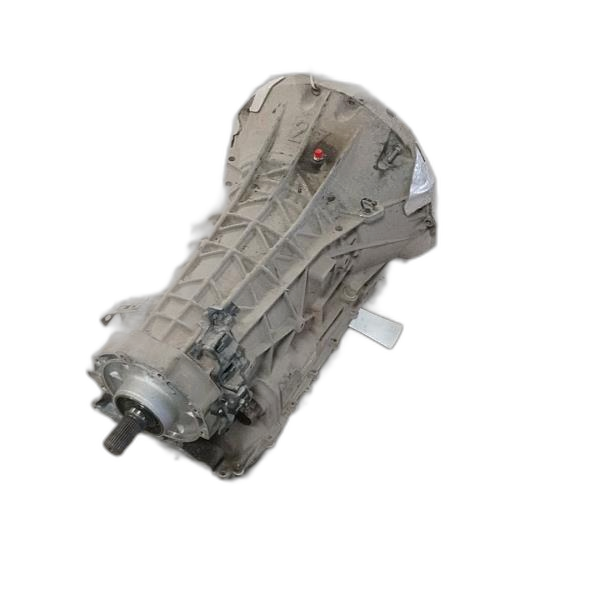
Below are the parts most often responsible for code P0868, ranked by how frequently each one is the actual culprit (per the diagnosis above). Tap any to see what we have for your vehicle.




The information in this article is provided for general reference and educational purposes only. Vehicle specifications, procedures, and part compatibility can vary by production date, trim level, and region. Always consult your vehicle's factory service manual and verify part numbers before purchasing or performing repairs. Safety-critical components such as airbags, seat belts, and braking systems should be installed by a qualified professional.
- 🧭 Diagnostic Flowchart
- 🎬 Helpful Videos
- 🛍️ Shop This Part
- What Does P0868 Mean?
- Can I Drive With P0868?
- Common Causes
- Symptoms
- Common Fixes & Costs
- DIY vs Professional
- Used vs. New Parts: Buying Guide
- What Happens If You Wait — Timeline
- Cost of Not Fixing It
- Diagnosis Steps
- When This Code Triggers (Freeze-Frame Conditions)
- Related Codes
- Climate & Environmental Factors
- How to Talk to a Mechanic About This Code
- Where to Take It: Dealer vs Independent vs Chain
- When to Walk Away From the Repair
- What Scan Tool You Need for This Code
- How to Clear the Code After You Fix It
- Will This Fail Emissions / State Inspection?
- Most Commonly Affected Vehicles
- Manufacturer-Specific Notes
- Real Owner Stories
- 2016 Ram 2500 5.7L - Simple Fix
- 2015 Dodge Grand Caravan 3.6L - Misdiagnosis Story
- 2008 Nissan Altima with CVT - Unusual Root Cause
- 2009 Mitsubishi Lancer GTS with CVT - The Fix Didn't Last
- How to Prevent This Code From Triggering
- Frequently Asked Questions
- Can I just add transmission fluid to fix a P0868 code?
- What is the most common misdiagnosis for P0868?
- My transmission fluid level is full. What should I check next?
- How much does it cost to fix a P0868 code?
- Is it safe to drive my car with a P0868 code?
- What does 'Limp Mode' mean?
- Will a transmission flush fix a P0868 code?
- Can overfilling transmission fluid cause P0868?
- Key Takeaways
- 🎟️ Get 5% Off