

P0868 on 2008-2017 Mitsubishi Lancer: CVT Fluid Pressure Low Causes and Fixes
On a 2008-2017 Lancer, P0868 means the CVT transmission fluid pressure is dangerously low. This is a critical code often leading to 'limp mode'. Before condemning the transmission, check the CVT fluid level and condition, and replace both the pan filter and the often-neglected cooler filter. If that doesn't work, the cause is often an internal failure of the CVT (pump, valve body, or whole unit), which is an expensive repair.
- P0868 on a 2008-2017 Lancer is a critical code indicating low CVT fluid pressure and should be addressed immediately.
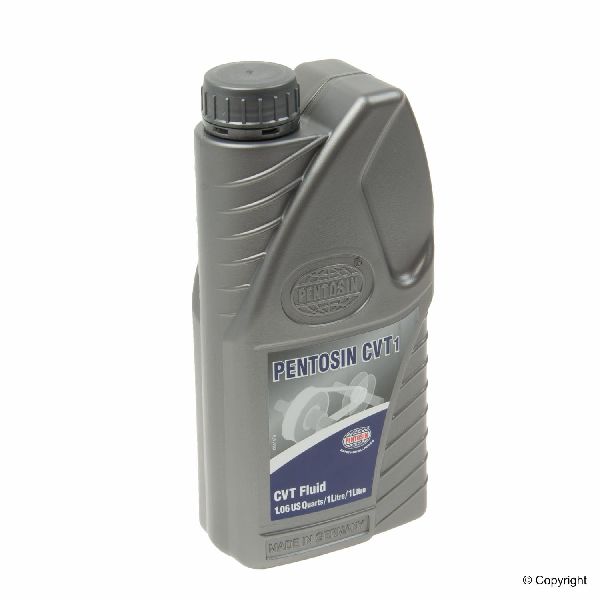
- Your first and most important step is to check the CVT fluid level and condition. Use only Mitsubishi-specified CVT fluid.
- If a fluid and filter change does not resolve the issue, the CVT itself has likely failed internally.
- Due to the complexity and common failure rate of this transmission, professional diagnosis is strongly recommended.
- Do not continue to drive the vehicle, as this can lead to a sudden loss of power and complete, catastrophic transmission failure.
What's Unique About the 2008-2017 Mitsubishi Lancer
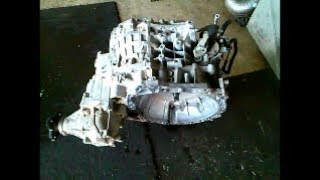
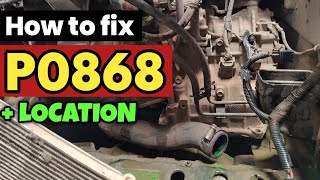
The 2008-2017 Lancer primarily uses a JATCO JF011E (also known as RE0F10A) Continuously Variable Transmission, which is notoriously sensitive to fluid type, level, and condition. Unlike traditional automatic transmissions, CVTs use a steel belt and pulley system that relies on precise, high hydraulic pressure to function. Code P0868 is a very common, and often terminal, issue on this platform and its many platform-mates. 🎬 Watch: A breakdown of what P0868 means and how to diagnose it. While it can sometimes be resolved with a thorough fluid and filter service (including both filters), it frequently points to deeper, well-documented problems within the CVT such as a worn fluid pump, a failing valve body, or complete unit failure, requiring specialized service or replacement.
Symptoms You May Notice
- Vehicle enters 'limp mode' or failsafe mode, limiting engine RPMs (often below 2,500 RPM). 🎬 See this guide on limp mode symptoms and common causes.
- Transmission slipping, shuddering, or hesitation, especially on acceleration from a stop.
- Engine revs up, but the car does not gain speed accordingly.
- A noticeable whining or grinding noise from the transmission area.
- Inability to shift or move the vehicle at all.
- "Service Required" or Check Engine light illumination.
- Replacing only the pressure sensor without confirming it's faulty. The sensor is often just accurately reporting a real pressure problem caused by a failing pump or clogged filter.
- Performing only a fluid drain-and-fill without changing both the pan filter and the crucial cooler filter.
- Assuming the transmission is bad without first checking for leaks and performing a full fluid and filter service, which has resolved the issue for some owners.
Most Likely Causes
- Low or Incorrect CVT Fluid 🔴 High Probability The JATCO CVT is highly sensitive to fluid level and specification. Leaks can develop, and using non-compliant fluid (e.g., standard ATF instead of a specific CVT fluid like Mitsubishi Diamond CVTF-J4 or a compatible equivalent like Valvoline CVT) can cause pressure issues and damage.
How to confirm: Check the CVT fluid level and condition according to the manufacturer's procedure. This model does not have a traditional dipstick, so the level must be checked via a standpipe in the pan with the fluid at a specific temperature. The fluid should not appear dark, burnt, or contain metal particles.
Typical fix: Top off with the correct fluid or perform a complete fluid and filter change. Some owners on forums report needing to do a drain-and-fill twice to replace enough of the old fluid. In one instance involving a related Mitsubishi model, NHTSA ODI #11322793 notes that a mechanic identified P0868 as a known problem even when the transmission fluid was at the recommended level.
Est. part cost: $50-$150 for fluid and filters - Clogged CVT Fluid Filters 🔴 High Probability These transmissions have two filters—a strainer/filter in the pan (OEM Part #: 2824A007) and a paper cartridge filter in the cooler housing (OEM Part #: 2824A006). The cooler filter, in particular, is often neglected and can become clogged with debris, severely restricting flow and causing a pressure drop.
How to confirm: This is typically discovered during a transmission fluid service. The old filters, especially the cooler filter, will appear dirty and clogged. A fluid and filter change is a primary diagnostic step.
Typical fix: Replace both CVT fluid filters during a fluid change. This is a critical step before assuming a more severe internal failure.
Est. part cost: $30-$80 for both filters - Internal CVT Failure (Pump, Valve Body, or Unit) 🔴 High Probability The JATCO JF011E CVTs in these Lancers are known to have a finite lifespan, and internal components like the fluid pump's flow control valve, pressure control solenoids on the valve body, or the belt/pulleys can fail, especially over 100k miles.
How to confirm: If the fluid level and filters are good, the problem is almost certainly internal. A professional diagnosis with a scan tool to read live transmission data is needed. Checking the fluid pan for excessive metal shavings (beyond a fine gray paste on the magnets) is a key indicator of fatal damage. NHTSA ODI #11636737 describes a case where a dealership verified diagnostic codes P0776 and P0868 as indicating internal transmission failure.
Typical fix: This often requires a complete transmission replacement or a rebuild by a specialist. Replacing the valve body assembly (which includes solenoids and sometimes the pressure sensor) is a possible but less certain fix. If significant metal debris is present, replacement is the only option.
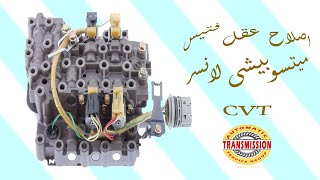
Est. part cost: $2000-$4500+ for a rebuilt or new CVT unit - Faulty Transmission Fluid Pressure Sensor ⚪ Low Probability → Shop Transmission Assembly While less common than a true pressure failure, the sensor that reports the pressure to the TCM can fail. However, it's often just accurately reporting a real pressure problem. The sensor is typically integrated into the valve body and not sold separately by Mitsubishi, making replacement difficult without replacing the entire valve body assembly. 🎬 Watch: Step-by-step walkthrough for replacing the valve body and filters.
How to confirm: Requires advanced diagnostics to compare the sensor's readings with actual pressure readings from a mechanical gauge attached to the transmission's test ports.
Typical fix: Replace the transmission valve body assembly.
Est. part cost: $300-$800 for a remanufactured valve body assembly
Rare But Worth Checking
- Damaged Wiring or Connectors: The official Mitsubishi diagnostic procedure includes checking the wiring harness between the TCM and the CVT assembly (Connectors B-08, C-40, A-09) for shorts or open circuits. While not common, it should be ruled out before condemning the transmission.
- Malfunction of the Transmission Control Module (TCM): → Shop Transmission Assembly This is the least likely cause but is listed as a possibility in the factory service information. All other possibilities should be exhausted before considering a faulty TCM.
Diagnosis Steps
- Scan the TCM for any other stored trouble codes. Address other codes first, especially those related to sensors or solenoids (e.g., P0746, P0776).
- Check the CVT fluid level and condition. This requires the vehicle to be level and the fluid to be at a specific temperature (40-50°C), checked via an overflow plug. Ensure the correct fluid type (Mitsubishi CVTF-J4 or equivalent) is being used.
- If the fluid is low, top it off, clear the code, and test drive. If the code returns, inspect for leaks, particularly from the pan gasket, cooler lines, or axle seals.
- If the fluid is old, burnt, or contaminated, perform a complete fluid and filter change. CRITICAL: Replace both the internal pan strainer (2824A007) and the external cooler cartridge filter (2824A006). This is the most important first step.
- Inspect the wiring harness and connectors between the TCM and the CVT for any visible damage, corrosion, or loose connections, as per the service manual.
- If the fluid and filters are new and wiring is good, drop the transmission pan and inspect the magnets for debris. A fine, grey paste is normal wear. Shiny silver flakes, chunks, or glitter-like particles indicate catastrophic internal failure (belt/pulley damage), requiring transmission replacement.
- For advanced diagnosis, a technician can use a scan tool to monitor target vs. actual secondary pressure in real-time to confirm the pressure drop. They can also perform a stall test and check pressures at the transmission's test ports with a mechanical gauge.
- If no significant metal is found, the problem may be isolated to the valve body (worn bores, faulty solenoids, bad pressure sensor). Replacing the valve body assembly is a potential fix.
Parts You'll Likely Need
- Continuously Variable Transmission (CVT) Assembly — This is the most common fix for P0868 when fluid/filter service fails, due to the high rate of internal failure in the JATCO JF011E units. Required if significant metal debris is found in the pan.
Trusted brands: Mitsubishi (OEM Remanufactured), JATCO (Original Manufacturer), Certified Transmission (Remanufactured)
OEM price range: $3500-$5000+
Aftermarket price range: $2000-$3500 (Rebuilt) - CVT Filter Kit (Pan and Cooler)
(OEM #2824A007, 2824A006)— A critical first step in attempting to resolve the low pressure code. The external cooler filter is often neglected and a primary cause of flow restriction.
Trusted brands: Mitsubishi (OEM), WIX, Fram
OEM price range: $50-$80
Aftermarket price range: $30-$60 - CVT Valve Body Assembly — If no major metal debris is found, the failure is likely in the valve body (solenoids, pressure sensor, worn bores). A remanufactured assembly is often the next logical step before full transmission replacement.
Trusted brands: Street Smart Transmission (Remanufactured), Sunbelt Valve Body Builders (Remanufactured), OEM (New or Remanufactured)
OEM price range: $800-$1200
Aftermarket price range: $300-$800 (Remanufactured)
Related Codes That Often Appear With This One
- P0741 — Torque Converter Clutch Circuit Performance or Stuck Off. Hydraulic pressure issues from P0868 can prevent the lockup function from operating correctly.
- P0746 — Pressure Control Solenoid 'A' Performance or Stuck Off. This code directly points to a problem in the hydraulic control system, which is often the root cause of the P0868 pressure drop.
- P0776 — Pressure Control Solenoid 'B' Performance or Stuck Off. Often appears with P0868, indicating a widespread hydraulic control issue within the valve body or due to low pressure.
Platform-Specific Known Issues
- Owner Experience: Successful Fluid/Filter Change: A Reddit user with a 2012 Lancer at 163k miles encountered P0868 and P0776. After an initial fluid-only change didn't solve the problem long-term, they performed a second service, this time replacing both filters and doing a double drain-and-fill. This resolved the codes and restored normal operation, demonstrating the importance of replacing both filters.
- Owner Experience: Temporary Fix, Eventual Failure: On a Reddit thread for a 2009 Lancer GTS, an owner with P0868 tried topping off fluid, which worked for a week. A subsequent full fluid and filter change also only worked for a week before the code and symptoms returned. Another user commented that this is a classic failure pattern, and their own CVT failed completely a few weeks after this code appeared, confirming that once metal is circulating, the transmission is on borrowed time.
Mechanic-Grade Diagnostic Values
- Secondary Pressure Solenoid (PCS 'B') Resistance — expected: 3.0 - 9.0 Ohms. Failure: Reading outside of this range indicates a faulty solenoid coil.
- Line Pressure Solenoid (PCS 'A') Resistance — expected: 3.0 - 7.0 Ohms. Failure: Reading outside of this range indicates a faulty solenoid coil.
- Torque Converter Clutch (TCC) Solenoid Resistance — expected: 3.0 - 9.0 Ohms. Failure: Reading outside of this range indicates a faulty solenoid coil.
- Lock-Up Select Solenoid Resistance — expected: 17.0 - 38.0 Ohms. Failure: Reading outside of this range indicates a faulty solenoid coil.
- CVT Fluid Temperature Sensor Resistance — expected: Approx. 6.5 kOhms at 20°C (68°F) or 0.9 kOhms at 80°C (176°F). Failure: Resistance readings that deviate significantly indicate a faulty sensor.
- Secondary Pressure Drop Threshold (Scan Tool Data) — expected: Target secondary pressure should be close to actual secondary pressure.. Failure: When (Target Pressure - Actual Pressure) is > 0.25 MPa (36 psi) for 1.52 seconds, the code is set.
Scan Tool Commands That Help
- Mitsubishi MUT-III or equivalent professional scan tool: Live Data Monitoring: Target Secondary Pressure vs. Actual Secondary Pressure — This is the primary diagnostic function to confirm the P0868 fault. It allows the technician to see the pressure discrepancy in real-time during a test drive, confirming whether the issue is intermittent or constant.
- Mitsubishi MUT-III or equivalent professional scan tool: CVT Oil Pressure Adjustment / Calibration — After replacing the valve body or the entire CVT assembly, a calibration or 'relearn' procedure is often required to teach the TCM the characteristics of the new components.
Wiring & Ground Locations
- B-08 — Main electrical connector on the CVT assembly itself.. This is the primary connection point for all sensors and solenoids within the transmission. A poor connection here can cause a variety of codes, including P0868. It is a key point to check for corrosion or damage.
- C-40 — Connector at the Transmission Control Module (TCM).. This connector feeds signals from the TCM to the transmission. A fault here can interrupt commands to the pressure solenoids.
- G13 — Ground point located behind the left side of the dashboard.. This is a potential ground point for the TCM. A poor ground connection can cause erratic behavior and incorrect readings from transmission sensors.
- G17 — Ground point located in the left front of the engine compartment.. An engine bay ground that could be related to the transmission's main power or control circuits. Corrosion here is common and should be inspected.
Real Owner Repair Stories
- Reddit user ValuableSingle3248 (2009 Mitsubishi Lancer GTS) — Car struggled to get past 2,000 RPM (limp mode) and code P0868 appeared.
❌ Tried (didn't work) Topping off the CVT fluid (worked for one week)., Performing a full transmission fluid change with both filters replaced using spec-compliant Valvoline CVT fluid (worked for one week).
✅ What actually fixed it The original poster did not report a final fix. Another user commented that the transmission likely needed to be replaced, a common outcome when fluid and filter changes do not resolve the issue, indicating a severe internal failure. - NHTSA ODI #11322793 — An owner reported that even with the recommended level of transmission fluid, a specialist confirmed code P0868 and stated this is a known problem with these transmissions.
- NHTSA ODI #11636737 — A dealership service department verified diagnostic codes P0776 and P0868, indicating an internal transmission failure.
Diagnostic Flowchart
Other Known Issues on This Vehicle
Issues unrelated to this code that are worth knowing about as an owner of this generation:
- Clear Coat / Paint Peeling 🟠 Medium — Very common, especially on darker colors (red, blue) and horizontal surfaces (roof, trunk, hood). Often starts after 5-7 years. (Ref: No official recall, but widely acknowledged as a factory paint issue. Repairs are out-of-pocket post-warranty.)
- Prematurely Worn Front Lower Control Arm Bushings 🟠 Medium — Commonly fails after 80,000-120,000 miles, causing clunking noises over bumps, poor steering feel, and uneven tire wear.
- Air Conditioning (A/C) Compressor Failure 🟠 Medium — The A/C compressor clutch or the compressor itself can fail, leading to a loss of air conditioning. This is a frequent complaint among owners.
Used vs. New Parts: Buying Guide for This Vehicle
When a used part is the smart pick: For this specific P0868 issue on a JF011E transmission, a used part from a junkyard is almost NEVER a smart choice for the complete transmission or the valve body. The risk of hidden internal damage (worn pump flow control valve, failing pulley bearings) is extremely high. A professionally remanufactured transmission or valve body is the recommended path if replacement is needed.
Donor-vehicle mileage cap: roughly under 50000 miles for the part to have meaningful remaining life.
What to inspect on the donor part:
- For a complete CVT, this is not recommended. If attempted, it's a complete gamble.
- Verify the donor vehicle was not in a severe front-end collision that could have damaged the transmission or cooler.
- Ask for maintenance records if possible, specifically looking for regular CVT fluid services.
- Even with low mileage, hidden damage from bearing failure is a significant risk and cannot be seen externally.
OEM-only on this vehicle (don't cheap out):
- CVT Fluid: While some high-quality aftermarket fluids meet spec (e.g., Valvoline CVT), using the OEM Mitsubishi Diamond CVTF-J4 fluid eliminates any fluid-related variables.
- Complete Transmission Assembly: A remanufactured unit from a reputable specialist is strongly preferred over a used one. These specialists often correct the original design flaws, such as the pump flow control valve.
Aftermarket brands forum-validated for this vehicle:
- Certified Transmission (Remanufactured Transmissions)
- Street Smart Transmission (Remanufactured Valve Bodies)
- Sunbelt Valve Body Builders (Remanufactured Valve Bodies)
- TransGo (Offers repair kits for components like the flow control valve)
Brands owners have reported issues with on this vehicle:
- Unbranded, low-cost valve bodies or solenoids from online marketplaces, as they often have high failure rates.
- Any used CVT assembly without a warranty and a clear history of being internally inspected and serviced.
Real Owner Stories
Aggregated from forums and TSBs cited above. Mileages and costs reflect what owners reported in those sources.
2012 Lancer — 163000 miles
Symptoms: Owner encountered codes P0868 and P0776.
What fixed it: An initial fluid-only change did not work long-term. A second service that included replacing both CVT filters and performing a double drain-and-fill successfully resolved the codes and restored normal operation.
Source hint: Owner Experience: Successful Fluid/Filter Change
2009 Lancer GTS
Symptoms: Vehicle presented with code P0868.
What fixed it: Topping off the fluid and a subsequent full fluid and filter change were only temporary fixes, each lasting about a week before the code and symptoms returned. The CVT failed completely a few weeks later, indicating the transmission was on borrowed time.
Source hint: Owner Experience: Temporary Fix, Eventual Failure
NHTSA Reported Case (ODI #11322793)
Symptoms: The vehicle displayed error code P0868 despite having the recommended level of transmission fluid.
What fixed it: A transmission specialist confirmed this as a known problem with Mitsubishi transmissions.
NHTSA Reported Case (ODI #11636737)
Symptoms: Diagnostic codes P0776 and P0868 were identified during inspection.
What fixed it: The dealership service department verified the codes indicated an internal transmission failure.
Related OBD-II Codes
Frequently Asked Questions
What specific CVT fluid and filters do I need for my 2008-2017 Lancer to fix a P0868 code?
How do I check the CVT fluid level on my Lancer? I can't find a dipstick.
I found metal shavings in my Lancer's transmission pan. What does this mean for the P0868 code?
Can I just replace the transmission fluid pressure sensor to fix P0868?
Are other cars with the same transmission as my Lancer known for having this P0868 problem?
Is a P0868 code on my Lancer more likely a simple fix or a major transmission failure?
Helpful Videos


We Have This Part in Stock

The information in this article is provided for general reference and educational purposes only. Vehicle specifications, procedures, and part compatibility can vary by production date, trim level, and region. Always consult your vehicle's factory service manual and verify part numbers before purchasing or performing repairs. Safety-critical components such as airbags, seat belts, and braking systems should be installed by a qualified professional.
- Mitsubishi Lancer:
- 🧭 Diagnostic Flowchart
- 🎬 Helpful Videos
- 🛍️ Shop This Part
- What's Unique About the 2008-2017 Mitsubishi Lancer
- Symptoms You May Notice
- Most Likely Causes
- Rare But Worth Checking
- Diagnosis Steps
- Parts You'll Likely Need
- Related Codes That Often Appear With This One
- Platform-Specific Known Issues
- Mechanic-Grade Diagnostic Values
- Scan Tool Commands That Help
- Wiring & Ground Locations
- Real Owner Repair Stories
- Other Known Issues on This Vehicle
- Used vs. New Parts: Buying Guide for This Vehicle
- Real Owner Stories
- 2012 Lancer — 163000 miles
- 2009 Lancer GTS
- NHTSA Reported Case (ODI #11322793)
- NHTSA Reported Case (ODI #11636737)
- Related OBD-II Codes
- Frequently Asked Questions
- 🎟️ Get 5% Off