

P0872 on 2014-2017 Mazda MAZDA6: Transmission Pressure Switch Causes and Fixes
On a 2014-2017 Mazda6, P0872 is almost always caused by a known issue with internal transmission oil pressure switches. The official fix involves replacing the switches inside the transmission and updating the control module's software. This is not a DIY job and requires a trip to a dealer or qualified transmission shop.
- P0872 on a 2014-2017 Mazda6 is part of a well-documented pattern failure acknowledged by Mazda.
- The issue is caused by sticking internal transmission oil pressure switches, not typically a major mechanical failure.
- The correct repair involves replacing the switches AND updating the transmission computer's software; skipping the software update may lead to the problem returning.
- This is not a recommended DIY repair due to the need for internal transmission work and specialized programming tools.
- Always check for the other related codes (P0842, P0847, P0877, P0780, P1738) as they confirm this specific known issue.
What's Unique About the 2014-2017 Mazda MAZDA6
The 2014-2017 Mazda6 uses the SKYACTIV-Drive 6-speed automatic transmission (model FW6A-EL), which is known for this specific issue. Mazda has acknowledged the problem in multiple Technical Service Bulletins (TSBs), stating that contamination in the transmission fluid can cause the internal oil pressure switches to stick. This isn't just a random sensor failure; it's a pattern issue affecting a whole family of Mazda vehicles that share this transmission, including the Mazda3 and CX-5 of the same era. The complete fix requires both hardware (new switches) and a software (TCM update) to be fully resolved.
Diagnostic Flowchart
Tap your situation to follow the diagnostic path that matches what you're seeing on this vehicle.
Symptoms You May Notice
- Check Engine Light is on
- Automatic Transaxle (AT) warning light is on [⭐]
- Harsh or erratic shifting, especially between 1st, 2nd, and 3rd gears
- Transmission may feel like it's slipping
- Vehicle may enter 'limp mode', stuck in a single gear
- Hesitation or lurching during low-speed acceleration
- Delayed engagement into Drive or Reverse
- A burning smell from overheated transmission fluid
- Replacing only the single pressure switch ('C') instead of the set of switches (A and B) as recommended by the TSB.
- Replacing the entire valve body when only the pressure switches and a software update are needed.
- Clearing the code without performing the software update, leading to the problem returning quickly.
- Using non-OEM transmission fluid. The SKYACTIV-Drive transmission is specifically designed for Mazda's low-viscosity ATF-FZ fluid.
Most Likely Causes
- Sticking Internal Transmission Oil Pressure Switches 🔴 High Probability → Shop Engine Oil Pressure Switch Mazda TSBs #05-002-23 and its predecessors directly state this is a known issue caused by contamination in the transmission's hydraulic passages affecting the SKYACTIV 6AT (FW6A-EL). The switches get stuck, sending a continuous 'on' signal (low voltage) to the TCM.
How to confirm: A professional technician will scan the TCM for P0872 and other related codes 🎬 Watch: Understanding pressure switch circuit low codes (P0842, P0847, P0877, P0780, P1738). [⭐] The presence of this group of codes strongly confirms the TSB-documented issue. The repair procedure in the TSB is the primary confirmation method.
Typical fix: Replace both oil pressure switches (A and B) located on the valve body inside the transmission, replace the transmission fluid with Mazda ATF-FZ and replace the filter/strainer, and reprogram the Transmission Control Module (TCM) with the latest software calibration.
Est. part cost: $150-$250 for the switches, fluid, and gasket. - Outdated Transmission Control Module (TCM) Software 🟡 Medium Probability → Shop Transmission Assembly Mazda's TSBs specify that an early step in the repair process is to update the TCM software. The updated logic is more tolerant of minor signal fluctuations and was improved to prevent false positives. In some cases, if the switches are not permanently stuck, this alone can resolve the issue.
How to confirm: A Mazda dealer or a shop with a J2534 pass-thru device can check the current software version against the latest version available from Mazda as listed in the TSB.
Typical fix: Reprogram the TCM to the latest calibration file. This is often done before parts are replaced. If the code returns, the switches must be replaced.
Est. part cost: $0 (parts), but labor for programming will apply, typically 1-1.5 hours. - Low or Contaminated Transmission Fluid ⚪ Low Probability → Shop Transmission Assembly While the TSB points to contamination causing the switches to stick, a simple low fluid level from a leak could also cause pressure-related codes. The SKYACTIV-Drive transmission is sensitive to fluid level and condition. A leak from the transmission cooler lines is a possible cause.
How to confirm: Check the transmission fluid level and condition according to the workshop manual procedure. The fluid should be at the correct level and be reddish (Mazda ATF-FZ is blue, but can change color), not dark, burnt, or full of debris.
Typical fix: Top off the fluid or perform a complete fluid and filter change using only Mazda ATF-FZ. If a leak is found, the source of the leak (e.g., pan gasket, cooler lines) must be repaired.
Est. part cost: $50-$150 for fluid and a filter.
Rare But Worth Checking
- Wiring Harness Damage: Damage to the wiring leading to or inside the transmission can cause a low voltage signal. The internal harness connectors for the switches should be inspected during replacement.
- Faulty Transmission Control Module (TCM): → Shop Transmission Assembly It is very rare for the module itself to fail, but it's a possibility if all other causes have been ruled out. The software issue is far more common than a hardware failure of the TCM. The TCM is located inside the transmission on this model.
Diagnosis Steps
- Verify the Check Engine Light and AT warning light are on.
- Scan the Transmission Control Module (TCM) for stored DTCs. Note if P0872 is present with any of its common companion codes (P0842, P0847, P0877, etc.). [⭐, 9]
- Check the transmission fluid level and condition. The fluid should be clean, at the proper level, and not smell burnt. Use only Mazda ATF-FZ.
- Consult Mazda TSB #05-002-23 to verify the vehicle falls under the described issue and to review the full diagnostic flowchart. [⭐, 9]
- Check the current TCM software calibration. If it is outdated, the first step is to reprogram the TCM to the latest version. Clear codes and test drive.
- If the code returns after the software update, proceed with the 'Parts Replacement' procedure outlined in the TSB.
- Drain transmission fluid and remove the oil pan. Inspect the pan for excessive metal debris, which could indicate a more severe internal failure.
- Remove and replace both internal oil pressure switches (A and B) on the valve body. The part numbers are FZ01-21-2C0 (Switch A) and FZ01-21-2J0 (Switch B).
- Replace the transmission oil strainer (filter) and o-rings.
- Reinstall the oil pan with a new gasket and refill with the correct amount of new Mazda ATF-FZ fluid.
- After parts replacement, perform the transmission's initial learning procedure as specified by the workshop manual.
Parts You'll Likely Need
- Transmission Oil Pressure Switch A
(OEM #FZ01-21-2C0)— This is one of the two switches identified in the TSB as the primary failure point. They must be replaced as a set.
Trusted brands: Mazda OE
OEM price range: $50-$90
Aftermarket price range: Not Recommended - Transmission Oil Pressure Switch B
(OEM #FZ01-21-2J0)— This is the second of two switches identified in the TSB as the primary failure point. They must be replaced as a set.
Trusted brands: Mazda OE
OEM price range: $50-$90
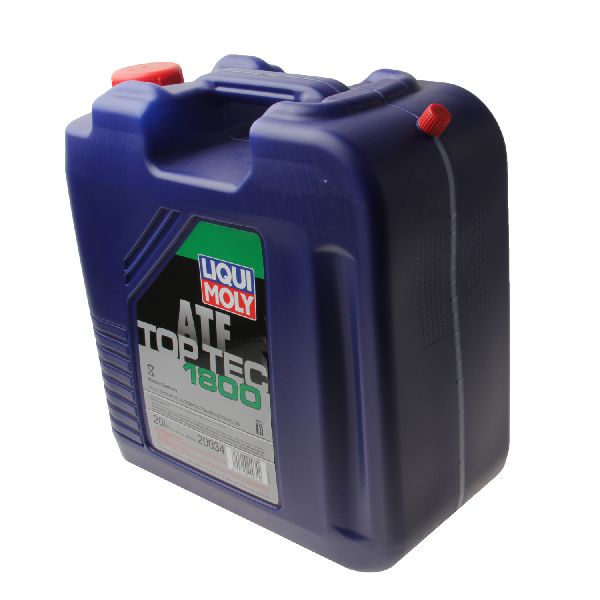
Aftermarket price range: Not Recommended - Automatic Transmission Fluid (ATF)
(OEM #0000-FZ-113E-01 (Mazda ATF-FZ))— The transmission fluid must be drained to access the internal switches and should be replaced with new, correct-spec fluid (Mazda ATF-FZ). Using any other fluid can cause damage.
Trusted brands: Mazda OE
OEM price range: $18-$25 per quart
Aftermarket price range: Not Recommended - Transmission Oil Pan Gasket — The oil pan must be removed for the repair, and the gasket should be replaced to prevent leaks upon reassembly.
Trusted brands: Mazda OE, Fel-Pro
OEM price range: $20-$40
Aftermarket price range: $15-$30 - Transmission Oil Strainer (Filter)
(OEM #FZ01-21-500)— The TSB recommends replacing the strainer if a large amount of foreign material is found in the pan.
Trusted brands: Mazda OE
OEM price range: $40-$60
Aftermarket price range: $25-$45
Related Codes That Often Appear With This One
- P0842 — Relates to Oil Pressure Switch No. 1. All are part of the same known TSB issue. [⭐]
- P0847 — Relates to Oil Pressure Switch No. 2. All are part of the same known TSB issue. [⭐]
- P0877 — Relates to Oil Pressure Switch No. 4. All are part of the same known TSB issue. [⭐]
- P0780 — Indicates a general gear shifting malfunction, which is a symptom of the pressure switches failing. [⭐]
- P1738 — A manufacturer-specific code for an internal automatic transaxle malfunction, triggered by the same root cause. [⭐, 9]
Technical Service Bulletins (TSBs) & Recalls
- 05-002-23: Documents the issue of the check engine and AT warning lights with DTCs P0872, P0842, P0847, P0877, P0780, and P1738 due to sticking oil pressure switches. It provides a detailed repair procedure including TCM reprogramming and parts replacement.
- 05-005/14: An earlier version of the TSB covering the same issue on 2012-2014 Mazda3, 2013-2015 CX-5, and 2014-2015 Mazda6.
- 0500215: A 2015 version of the TSB, also superseded by 05-002-23, addressing the same set of DTCs.
Platform-Specific Known Issues
- Mazda has issued multiple superseding Technical Service Bulletins for this exact problem, with the most recent being #05-002-23. The bulletins confirm the cause is sticking oil pressure switches due to contamination and outline a repair procedure involving parts replacement and a software update.
- A thread on the Car Talk Community forum discusses a 2014 Mazda6 with a whining noise that was diagnosed as needing a new transmission, referencing the TSB and the high cost of dealer repair.
- A Reddit thread in r/mazda6 titled '2014 Mazda 6 Transmission' details a user's experience with rough shifting and lurching at 138k miles, consistent with the symptoms of this known issue.
Mechanic-Grade Diagnostic Values
- Oil Pressure Switch A & B bolt tightening torque — expected: 9-10 N·m (80-88 in·lbf). Failure: N/A - This is an installation specification.
- Reference voltage at TFPS sensor connector (Key On, Engine Off) — expected: 5V or 12V. Failure: No voltage present could indicate a wiring or PCM/TCM issue upstream of the sensor.
- DTC Detection Condition - ATF Temperature — expected: ATF temperature must be 20 °C {68 °F} or more for the TCM to run the diagnostic test that sets P0872.. Failure: N/A - This is a condition for the self-test to run.
Hidden / Shadow Codes Worth Checking
- P1738:00: Automatic transaxle internal malfunction. This is a Mazda-specific code. (see via Standard OBD-II scanner capable of reading manufacturer-specific codes. Mazda's diagnostic procedure for P0872 specifically instructs the technician to check if P1738 is also present as a primary step, indicating it is a key companion code that confirms an internal transmission fault.)
Scan Tool Commands That Help
- Mazda IDS (Integrated Diagnostic System): Module Reprogramming — This is the first step in the official TSB repair. The TCM software is updated to the latest calibration to improve diagnostic logic before any parts are replaced.
- Mazda IDS (Integrated Diagnostic System): Initial Learning Procedure — This must be performed after replacing the pressure switches and refilling the fluid. It allows the TCM to learn the characteristics of the new components and hydraulic pressures for proper shifting.
- Mazda IDS (or other high-amperage stable power supply): Power Supply Mode — During TCM reprogramming, Mazda recommends using a power supply mode that can maintain battery voltage without exceeding 20 amps. This prevents voltage drops that can cause the reprogramming to fail or damage the control module.
Wiring & Ground Locations
- Oil Pressure Switch A/B Connector — Inside the transmission, on the valve body, connecting to the pressure switches.. The connector for pressure switch A has red and white wires. This can help a technician visually confirm they are working on the correct component during replacement inside the transmission pan.
- Main Transmission Ground — Not specified for this exact circuit, but general Mazda practice places a primary ground strap from the negative battery terminal to a bracket on top of the transmission case.. While not the direct cause in the TSB, a poor main ground for the transmission can cause a variety of electrical issues, including erratic sensor readings. This should be checked for cleanliness and tightness if electrical issues are suspected beyond the known switch failure.
Real Owner Repair Stories
- Real-world scenario described in an AliExpress technical guide (2014 Mazda 6) — Hesitation when shifting from 2nd to 3rd gear.
❌ Tried (didn't work) Checking engine oil level (it was full and clean)., Replacing the engine oil pressure sensor.
✅ What actually fixed it After finding code P0842 (a related code to P0872), the owner replaced the correct part: the FW6A-EL transmission valve body oil pressure switch. This immediately resolved the shifting issue.
OEM Part Supersession History
FZ01-21-2C0 (Switch A), FZ01-21-2J0 (Switch B)→No supersession found in search results.— N/A
Heads up: These are two distinct parts and are not interchangeable. The TSB requires replacing both Switch A and Switch B as a set. Ordering one of each specific part number is required for the proper repair.
Model Year Variations Within This Range
- 2014: Some early 2014 models featured a 'gated' style automatic gear selector, while later 2014 models and subsequent years used a straight 'inline' selector. This is a cosmetic and ergonomic change in the cabin and is not known to have any effect on the internal transmission components or the P0872 fault.
Helpful Videos
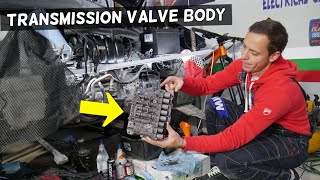
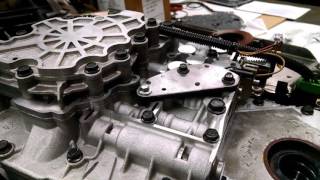
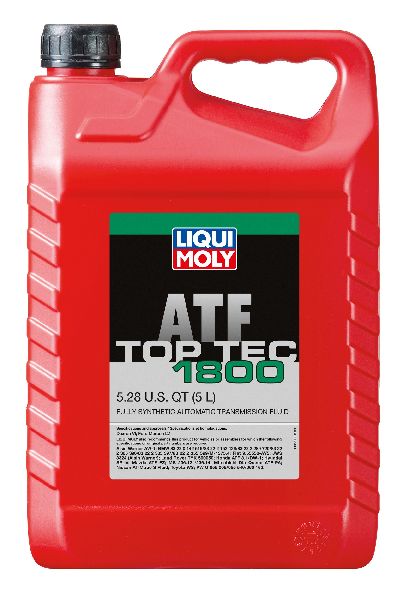
We Have This Part in Stock




The information in this article is provided for general reference and educational purposes only. Vehicle specifications, procedures, and part compatibility can vary by production date, trim level, and region. Always consult your vehicle's factory service manual and verify part numbers before purchasing or performing repairs. Safety-critical components such as airbags, seat belts, and braking systems should be installed by a qualified professional.
- Mazda MAZDA6:
- 🧭 Diagnostic Flowchart
- 🎬 Helpful Videos
- 🛍️ Shop This Part
- What's Unique About the 2014-2017 Mazda MAZDA6
- Symptoms You May Notice
- Most Likely Causes
- Rare But Worth Checking
- Diagnosis Steps
- Parts You'll Likely Need
- Related Codes That Often Appear With This One
- Technical Service Bulletins (TSBs) & Recalls
- Platform-Specific Known Issues
- Mechanic-Grade Diagnostic Values
- Hidden / Shadow Codes Worth Checking
- Scan Tool Commands That Help
- Wiring & Ground Locations
- Real Owner Repair Stories
- OEM Part Supersession History
- Model Year Variations Within This Range
- 🎟️ Get 5% Off