

P0873 on 2012-2013 Mazda MAZDA3: Transmission Pressure Sensor Fault Causes and Fixes
On a 2012-2013 Mazda3, code P0873 almost always indicates a failure within the transmission's valve body assembly, which contains the pressure switches and control module. The official fix, per a Mazda TSB, is to replace the entire valve body and program the new unit. This is a costly repair, typically $1,200-$2,500+ at a shop, with owner-reported dealer quotes reaching as high as $2,400.
- P0873 on a 2012-2013 Mazda3 is a very specific problem, almost always pointing to a failed transmission valve body.
- Do not waste money on simple fluid changes or trying to source an individual sensor; it is not a separate part.
- This is a known issue acknowledged by Mazda in multiple Technical Service Bulletins (e.g., 05-003-14-2898A).
- The repair is expensive ($1200-$2500+) and requires professional installation and programming of the new valve body.
- Driving with this code can lead to unpredictable shifting and potentially leave you stranded or cause more expensive damage.
What's Unique About the 2012-2013 Mazda MAZDA3
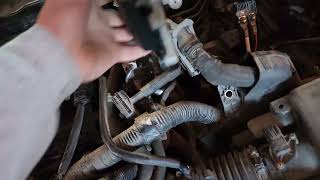
For the second-generation Mazda3 (2012-2013), particularly those with the SKYACTIV-Drive automatic transmission, this code is very frequently linked to a known issue with the automatic transmission's valve body. Unlike many vehicles where you could replace a single pressure sensor, Mazda integrated the sensors and the Transmission Control Module 🎬 See this video for TCM location and removal steps (TCM) into the valve body. A failure of any one of these components, often due to internal contamination causing switches to stick, requires replacing the entire assembly as a single unit, which then needs to be programmed to the vehicle.
Diagnostic Flowchart
Tap your situation to follow the diagnostic path that matches what you're seeing on this vehicle.
Symptoms You May Notice
- Harsh or erratic shifting
- Transmission may not shift properly or may get stuck in one gear (limp mode)
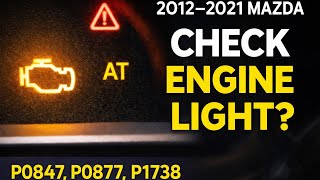
- Check Engine Light or AT (Automatic Transaxle) warning light is on 🎬 Watch: What to do when your AT light comes on
- Manual shifting mode (if equipped) is disabled
- Increased fuel consumption
- Hesitation or delay when shifting from a stop
- Inability for the dashboard gear indicator to recognize the selected gear
- Replacing only the transmission fluid. While old fluid can cause issues, it will not fix the underlying electronic or mechanical failure of the valve body that triggers P0873.
- Attempting to find and replace a single 'pressure sensor'. On this model, the sensor is not sold or serviced separately from the valve body assembly.
- Replacing the entire transmission. Some shops may recommend a full transmission replacement, which is far more expensive and often unnecessary, as the fault is isolated to the bolt-on valve body assembly.
Most Likely Causes
- Internal Failure of the Transmission Valve Body / TCM Assembly 🔴 High Probability → Shop Transmission Valve Body Mazda issued a Technical Service Bulletin (TSB #05-003-14-2898A) that directly links P0873 to a problem requiring a new programmed valve body. The pressure switches and TCM are integrated into this unit, making it the single point of failure for a wide range of codes. The TSBs note that contamination in the fluid can cause the internal pressure switches to stick, leading to the fault.
How to confirm: A professional diagnosis with a high-level scan tool is needed to rule out external wiring issues. However, given the TSB, if the code is present and other codes from the TSB list are also stored (e.g., P0842, P0872, P0780), the valve body is the confirmed culprit.
Typical fix: Replace the entire transmission valve body assembly and program the new unit to the vehicle's VIN. This is the manufacturer-recommended repair.
Est. part cost: $800-$1500
Rare But Worth Checking
- Wiring Harness Damage: While the TSB points to the valve body, it's still possible for the wiring harness between the transmission and the vehicle's main computer to become damaged, corroded, or shorted. This should be ruled out with a visual inspection and continuity tests before ordering an expensive valve body. A Reddit user mentioned having to get their TCM refurbished and reprogrammed to even get the correct diagnostic codes, highlighting potential electrical complexities.
- Extremely Low or Contaminated Transmission Fluid: → Shop Transmission Assembly In very rare cases, exceptionally low or burnt fluid could cause erratic hydraulic pressure, potentially triggering this code. However, this would usually be accompanied by other severe symptoms like slipping or overheating long before this specific electrical code appears. The TSBs themselves cite contamination as the root cause of the switch failure inside the valve body, so while a fluid change won't fix a stuck switch, poor fluid condition is a contributing factor.
Diagnosis Steps
- Verify the code with a quality OBD-II scanner. Check for any other pending or stored codes, especially those listed in Mazda TSBs.
- Check the transmission fluid level and condition. Ensure it is at the correct level and does not smell burnt or appear excessively dirty. The correct fluid is Mazda Type FZ.
- Reference Mazda TSB #05-003-14-2898A. Note that P0873 is explicitly mentioned as being caused by a faulty valve body.
- Visually inspect the transmission's external wiring harness and connectors for any signs of damage, corrosion, or loose connections.
- If wiring is intact, the most probable cause is the internal valve body/TCM assembly. A technician can perform advanced diagnostics like monitoring sensor voltage with a scan tool to confirm erratic readings.
- Confirm the diagnosis with a professional mechanic who can test the circuits and has the equipment to program a new valve body if required. A Reddit user reported a dealer quote of ~$1800 for the job.
Parts You'll Likely Need
- Transmission Valve Body Assembly
(OEM #FZ21-21-100J (This is a common part number, but may be superseded. Always verify with VIN))— This is the official fix recommended by Mazda's TSB for code P0873. It contains the faulty pressure switch and the TCM.
Trusted brands: Mazda (OEM)
OEM price range: $1200-$1800
Aftermarket price range: $600-$1200 - Automatic Transmission Fluid
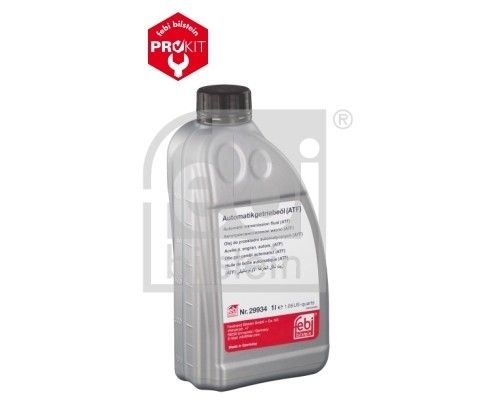
(OEM #0000-FZ-113E-01)— The transmission fluid will be drained when replacing the valve body and must be refilled with fluid that meets Mazda's FZ specification. Using the wrong fluid can cause damage.
Trusted brands: Mazda FZ (OEM), Aisin ATF-MFZ, Ravenol FZ, Castrol Transmax Universal ATF/CVT
OEM price range: $15-$25 per quart
Aftermarket price range: $10-$20 per quart
Related Codes That Often Appear With This One
- P0842, P0843, P0847, P0848, P0872, P0877, P0878 — These are all transmission pressure switch codes. Mazda's TSB #05-003-14-2898A lists them together as they all point to the same root cause: a faulty valve body assembly.
- P0752, P0756, P0757, etc. — These are shift solenoid performance codes. They are also included in the same TSB and are caused by the same faulty valve body/TCM unit.
- P0780, P1738 — P0780 (Shift Malfunction) and P1738 (Mazda-specific Internal Transaxle Malfunction) are frequently seen with this issue and are also covered by related TSBs, pointing to the same valve body failure.
Technical Service Bulletins (TSBs) & Recalls
- 05-003-14-2898A: Directly links P0873 to a required valve body replacement.
- 05-005/14, 05-002/15, 05-003/20: These are a series of related and superseding bulletins that address the same family of pressure switch and solenoid codes, all pointing to issues within the valve body and evolving the repair procedure over time.
Platform-Specific Known Issues
- A well-documented issue covered by Mazda Technical Service Bulletin #05-003-14-2898A identifies an internal fault in the valve body as the cause for P0873 and a host of other transmission codes. The bulletin specifies that the corrective action is to install a 'new programmed valve body'.
- Owner experiences on forums like Reddit confirm the high cost of this repair. One user with a 2015 model was quoted ~$1800 at a dealer for a valve body replacement. Another user with a 2013 model reported a quote of over $3500 for a 'body & solenoid package' after an accident, though this may have included other damages.
Mechanic-Grade Diagnostic Values
- Transmission Fluid Pressure Sensor (TFPS) Reference Voltage — expected: ~5.0 V. Failure: No voltage or incorrect voltage points to a wiring or TCM issue, not necessarily the sensor itself.
- TFPS Signal Voltage (Circuit High Condition) — expected: Typically 0.5 V (low pressure) to 4.5 V (high pressure).. Failure: A sustained reading at or near 5.0 V (or battery voltage) indicates the 'Circuit High' fault.
- Continuity Test at Transmission Wire Connector — expected: Below 1 Ω between specified pins.. Failure: High resistance indicates an open circuit in the harness.
- Continuity Test from Connector to Body Ground — expected: 10 kΩ or higher.. Failure: Low resistance indicates a short to ground in the harness.
- Transmission Fluid Temperature for Initial Learning — expected: 60–110 °C (140–230 °F). Failure: The initial learning procedure will not initiate or will abort if the ATF temperature is outside this range.
Scan Tool Commands That Help
- Mazda IDS / FORScan: Initial Learning Procedure (Transmission) — This is a mandatory procedure after replacing the valve body or transmission. It clears all adaptive shift data and forces the TCM to relearn clutch engagement points and pressures. Failure to perform this can result in harsh shifting or persistent codes even with a new part.
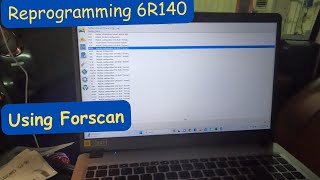
- Mazda IDS / FORScan: TCM Reprogramming — Required when installing a new valve body/TCM assembly to load the correct software and VIN-specific calibration file. Some TSBs also recommend reprogramming as a first step to update diagnostic logic before replacing parts.
- Mazda IDS / High-End Scan Tool: Active Test: Control the Shift Position — Allows a technician to manually command gear shifts while monitoring pressure switch data (like TPS 1 Switch) to see if the switch changes state as expected. This can help confirm if a switch is stuck on or off.
Wiring & Ground Locations
- Main Transmission Ground — A ground wire from the negative battery terminal bolts to a bracket on top of the transmission case.. A poor or loose main ground for the transmission can cause a floating ground condition, leading to erratic sensor readings and communication errors with the integrated TCM. Ensuring this connection is clean and tight is a crucial preliminary check.
- TCM Connector (at Valve Body) — The main electrical connector for the valve body/TCM assembly is located on the exterior of the transmission case. Access requires removing the air cleaner assembly.. This is the primary point for testing the wiring harness. A technician can backprobe this connector to check for the correct 5V reference, ground, and signal voltage from the PCM before condemning the internal valve body assembly.
- TCM Ground Pins (at connector) — Within the main TCM harness connector, specific pins are dedicated grounds. On some models, these are black wires that can be tested for continuity to the chassis ground.. Verifying ground integrity directly at the TCM connector pins confirms that the module itself has a solid ground path. An open on one of these ground wires would cause internal circuit faults.
Real Owner Repair Stories
- Reddit user on r/mazda3 (2015 Mazda 3 iSport) — No communication between the vehicle and the internal TCM.
❌ Tried (didn't work) Replacing and programming the Powertrain Control Module (PCM).
✅ What actually fixed it The dealer diagnosed a faulty valve body (which contains the TCM) as the necessary next step after the PCM replacement did not restore communication. The dealer quoted approximately $1800 for the valve body replacement.
OEM Part Supersession History
FZ21-21-100H→FZ21-21-100J— Part revision to address internal component failures and improve reliability, as documented in related TSBs.
Heads up: While older part numbers may physically fit, using the latest superseded part (FZ21-21-100J or newer) is critical to get the updated components that resolve the root cause of the failure. Always verify the correct part number with the vehicle's VIN.
Helpful Videos
We Have This Part in Stock

The information in this article is provided for general reference and educational purposes only. Vehicle specifications, procedures, and part compatibility can vary by production date, trim level, and region. Always consult your vehicle's factory service manual and verify part numbers before purchasing or performing repairs. Safety-critical components such as airbags, seat belts, and braking systems should be installed by a qualified professional.
- Mazda MAZDA3:
- 🧭 Diagnostic Flowchart
- 🎬 Helpful Videos
- 🛍️ Shop This Part
- What's Unique About the 2012-2013 Mazda MAZDA3
- Symptoms You May Notice
- Most Likely Causes
- Rare But Worth Checking
- Diagnosis Steps
- Parts You'll Likely Need
- Related Codes That Often Appear With This One
- Technical Service Bulletins (TSBs) & Recalls
- Platform-Specific Known Issues
- Mechanic-Grade Diagnostic Values
- Scan Tool Commands That Help
- Wiring & Ground Locations
- Real Owner Repair Stories
- OEM Part Supersession History
- 🎟️ Get 5% Off