

P0880 on 2012-2019 Hyundai Accent: TCM Power Signal Error Causes and Fixes
On a 2012-2019 Hyundai Accent, code P0880 is most often caused by a faulty TCM power relay, a blown fuse, or a damaged wiring harness. For 2012-2017 models, the primary suspect is the transmission wiring harness rubbing against the battery tray, a well-documented issue covered by a TSB. A relay is about $15-$40, while a harness repair can range from $100 to $500.
- P0880 means your car's transmission computer has lost its proper power supply.
- Your car will go into 'limp mode,' stuck in one gear with harsh shifting. Continued driving is not advised.
- For 2012-2017 Accents, the most likely cause is a damaged wire under the battery tray, as noted in a Hyundai TSB.
- Before considering expensive repairs, always check the simple things first: the TCM fuse and power relay in the engine fuse box.
- Do not replace the transmission; this code points to an electrical problem, not a mechanical failure of the transmission itself.
What's Unique About the 2012-2019 Hyundai ACCENT
For the Hyundai Accent, particularly the 2012-2017 (RB) generation, this code is frequently linked to a specific, documented issue. Hyundai issued a Technical Service Bulletin (TSB 20-AT-017H) that points to the transmission wiring harness rubbing against the sharp edge of the battery tray, causing a short or open circuit. While fuses and relays are common culprits on any vehicle, this known chafing issue is a highly probable cause on the Accent and should be one of the first things inspected after checking fuses and relays.
Diagnostic Flowchart
Tap your situation to follow the diagnostic path that matches what you're seeing on this vehicle.
Generation note: This issue affects two Accent generations, covered by separate TSBs due to transmission differences. The 2012-2017 Accent (RB generation) with the 'Generation1' 8-solenoid valve body is covered by TSB 20-AT-017H. The 2018-2019 Accent (HC/YC generation) with the 'Generation2' 7-solenoid valve body is covered by TSB 20-AT-018H. The most noted cause, wiring harness chafing near the battery tray, is specific to the 2012-2017 RB models.
Symptoms You May Notice
- Check Engine Light is on.
- Transmission is stuck in 4th gear (fail-safe or 'limp mode').
- Harsh, clunking engagement when shifting into Reverse or Drive.
- Vehicle may not move or has extremely sluggish acceleration.
- ABS or Traction Control warning lights may also illuminate.
- Replacing the entire transmission. The official Hyundai TSB explicitly warns 'Do not replace the transmission for DTC P0880/P088000', as the cause is almost always electrical.
- Replacing transmission solenoids. While the code relates to solenoid power, the fault is in the supply circuit, not typically the solenoids themselves.
- Replacing the TCM without verifying power and ground. Many owners and shops replace the expensive control module only to find the problem persists due to a simple wiring fault.
Most Likely Causes
- Damaged Control Wiring Harness 🔴 High Probability On 2012-2017 (RB) models, the wiring harness is routed in a way that it can rub against the metal edge of the battery tray, causing wires to chafe and short circuit. This is a known issue addressed by Hyundai TSB 20-AT-017H.
How to confirm: Remove the battery and battery tray. Visually inspect the wiring harness that runs underneath for signs of rubbing, exposed copper wire, or electrical tape that has been worn through. 🎬 See this walkthrough on finding and repairing the harness fault. The damage is often on the underside of the loom.
Typical fix: Repair the damaged section of the harness by splicing in new wire, soldering, and using heat-shrink tubing. Protect the repaired area with high-quality loom or conduit. Reroute the harness or shield the edge of the battery tray with a rubber guard to prevent future contact.
Est. part cost: $10-$50 for repair materials - Faulty TCM Power Relay 🟡 Medium Probability → Shop Wiring Relay Relays are a common failure point in automotive electrical systems due to wear on their internal contacts and coils.
How to confirm: Locate the TCM relay in the under-hood fuse box (Power Distribution Center). 🎬 Watch: How to diagnose and fix TCM power loss issues. Swap it with an identical relay from a non-critical system (like the horn or fog lights) and see if the problem is resolved. If the symptoms disappear, the relay is bad.
Typical fix: Replace the faulty relay with a new OEM or high-quality aftermarket part.
Est. part cost: $15-$40 - Blown Fuse 🟡 Medium Probability
How to confirm: Inspect the fuses related to the 'TCM', 'TCU', or 'AT' in the under-hood and interior fuse panels. Use a fuse tester or visually check for a broken filament.
Typical fix: Replace the blown fuse. If it blows again immediately, this indicates a persistent short circuit that must be diagnosed (likely a wiring issue as described above).
Est. part cost: $1-$5 - Faulty Internal Transmission Wire Harness ⚪ Low Probability → Shop Transmission Assembly The internal ribbon-style harness that connects to the solenoids can become brittle from heat cycles or develop an open circuit, which is a known issue across many Hyundai models with this transmission.
How to confirm: This is a complex diagnosis. After confirming external power and ground are good all the way to the transmission connector, the next step is to test the internal harness for continuity. This requires draining the fluid and removing the transmission oil pan and valve body. 🎬 Watch: Testing the power input to the transmission solenoids.
Typical fix: Replace the internal transmission wire harness. This involves removing the valve body.
Est. part cost: $100-$200
Rare But Worth Checking
- Faulty Transmission Control Module (TCM): → Shop Transmission Assembly The TCM itself can fail, but this should only be considered after all power, ground, and wiring circuits have been thoroughly tested and confirmed to be good. The TSBs note that the PCM/TCM can be a cause but list it after wiring faults. Misdiagnosing a bad TCM is common when the actual fault is in the wiring.
- Poor Ground Connection: A loose or corroded ground bolt for the PCM/TCM can cause intermittent voltage issues. The TSB mentions confirming the PCM ground bolt is clean and tight as a diagnostic step.
- Loose BCM Connector: A user on a YouTube repair video for P0880 noted that after extensive troubleshooting, the issue was a loose camlock connector at the Body Control Module (BCM) under the dash, which supplied power to the TCM circuit. Securing this connector resolved the fault.
Diagnosis Steps
- Read the trouble codes with an OBD-II scanner. Confirm P0880 is present and note any other codes.
- Inspect all fuses related to the transmission/TCM in both the engine bay and interior fuse panels. Replace any that are blown.
- Locate the TCM power relay in the engine bay fuse box. Swap it with a known good, identical relay (e.g., from the horn) to see if the fault clears.
- If the vehicle is a 2012-2017 model, perform the TSB-recommended check: disconnect the battery, remove it and the battery tray, and carefully inspect the wiring harness underneath for any signs of chafing or damage against the tray's edge.
- If no external damage is found, inspect the main connectors at the TCM/PCM and the transmission for corrosion, moisture, or bent/loose pins.
- Using a digital multimeter, check for battery voltage at the appropriate pin on the TCM power input circuit with the key on. Then check for a solid ground connection at the TCM/PCM ground points.
- A Reddit user's experience suggests checking for a loose main connector at the Body Control Module (BCM) under the dashboard as a potential point of failure for the TCM power circuit.
- If all external wiring, fuses, and relays are confirmed to be good, the fault may lie with the internal transmission harness or the TCM itself, which typically requires professional diagnosis involving removal of the transmission oil pan.
Parts You'll Likely Need
- TCM Power Relay
(OEM #95224-2D000 (Verify with dealer))— This relay supplies power to the TCM and is a common failure point for electrical circuits. It's an inexpensive and easy part to replace as a primary diagnostic step.
Trusted brands: Hyundai OE, Standard Motor Products, Bosch
OEM price range: $25-$50
Aftermarket price range: $15-$30 - Internal Transmission Wire Harness
(OEM #46307-3B650 (Example for some models, full P/N is 46307-3BXXX. Varies by specific model, refer to parts catalog using VIN).)— The internal harness provides power to the solenoids and can fail, causing an open or short that triggers P0880. The TSBs list this as a primary repair step if external wiring is good.
Trusted brands: Hyundai OE
OEM price range: $100-$200
Aftermarket price range: $70-$150
Related Codes That Often Appear With This One
- P0882 (TCM Power Input Signal Low)
- U0101 (Lost Communication with TCM)
Technical Service Bulletins (TSBs) & Recalls
- 20-AT-017H: Covers 2012-2017 Accent (RB) models for DTC P0880, highlighting symptoms and a specific check for a chafed wiring harness behind the battery tray. It explicitly warns not to replace the transmission for this code.
- 20-AT-018H: Covers 2018-2019 Accent (HC/YC) models for the same DTC, which use a different 'Generation2' valve body with 7 solenoids.
Platform-Specific Known Issues
- TSB 20-AT-017H specifically identifies a problem on 2012-2017 Accent (RB) models where the control wiring harness rubs against the battery tray, leading to an electrical short or open. This should be the primary point of inspection after checking fuses/relays.
- TSB 20-AT-017H also applies to a wide range of other Hyundai vehicles from the same era with 6-speed automatic transmissions, including the Elantra, Sonata, and Tucson, making this a widespread Hyundai issue, not just an Accent problem.
Mechanic-Grade Diagnostic Values
- Solenoid Power Voltage at TCM — expected: 9V to 22V. Failure: Voltage is less than 7V or greater than 22V.
- TCM Power Supply Voltage (Key ON, Engine OFF) — expected: ~11V – 14V. Failure: Significant voltage drop below battery voltage, or below 9.6V during cranking.
- A/T Control Relay Harness Connector Voltage — expected: Battery Voltage (Approx. 12V). Failure: No voltage or voltage significantly below battery voltage.
- Continuity between A/T Control Relay and TCM — expected: Near 0 Ohms resistance. Failure: High resistance or an open circuit (OL).
Scan Tool Commands That Help
- Hyundai GDS (or equivalent): Data Analysis > A/T Menu > 'A/T CON. RELAY VOLT' — Use this to monitor the voltage being supplied by the A/T control relay in real-time as seen by the TCM. The expected value is approximately battery voltage (B+).
- Hyundai GDS (or equivalent): DTC Analysis > Clear DTCs — After performing a repair, all diagnostic trouble codes must be cleared from the TCM memory before test driving to verify the fix.
Wiring & Ground Locations
- Control Wiring Harness — Underneath the battery and battery tray (2012-2017 models).. This is a known chafe point where the harness can rub against the metal battery tray, causing a short or open circuit in the TCM power supply wiring.
- BCM Camlock Connector — Under the dashboard, next to the steering column, at the Body Control Module (BCM).. This connector supplies 12V power to pins 5 & 10 of the main transmission plug. It is reportedly prone to becoming loose, cutting off power and triggering P0880, even when all other wiring appears intact.
- PCM Ground Bolt — On the vehicle's chassis/frame near the Powertrain Control Module (PCM).. A loose or corroded ground bolt can cause intermittent and incorrect voltage readings at the TCM, triggering this code. The TSB recommends ensuring this bolt is clean and tight.
- A/T Control Relay — In the engine room junction box (under-hood fuse box).. This relay is the switch that provides battery power to the TCM and solenoids. A failure here directly cuts power.
Real Owner Repair Stories
- Commenter on JVFIX LLC YouTube video (Hyundai vehicle with P0880) — No power on the high side rails for the transmission solenoids.
❌ Tried (didn't work) Replaced the internal transmission solenoid harness., Checked all solenoids., Swapped the TCM/ECU with a known good, cloned unit.
✅ What actually fixed it The camlock multipin connector at the Body Control Module (BCM) under the dash had come loose. Pushing the plug in securely and fastening it with a cable tie restored power to the transmission and fixed the code.
"I Checked Everything" — The Actual Cause
- In one documented case, after extensive electrical diagnosis including replacing the internal harness and TCM failed to resolve the issue, the root cause was found to be a loose camlock connector at the Body Control Module (BCM). This connector, located under the dash, provides the 12V supply for the TCM power circuit. Standard diagnostic procedures focusing on the engine bay harness and transmission would miss this fault entirely.
OEM Part Supersession History
9522429000, 9522429700, 9522429800, 9522405000→95224-2D000— Part consolidation and updates.
Heads up: The part is a common 4-pin, 20-amp micro relay used for multiple systems (horn, fuel pump, etc.), so it is widely compatible across many Hyundai models and years.
Model Year Variations Within This Range
- 2012-2017 (RB): These models use a 'Generation1' 8-solenoid valve body and are specifically called out in TSB 20-AT-017H for a wiring harness that can chafe against the battery tray.
- 2018-2019 (HC/YC): These models use a 'Generation2' 7-solenoid valve body, covered by a separate TSB (20-AT-018H). The battery tray chafing issue is not specifically noted for this generation.
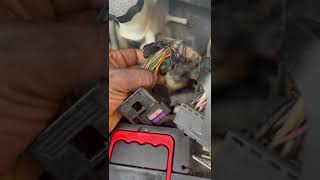
Helpful Videos



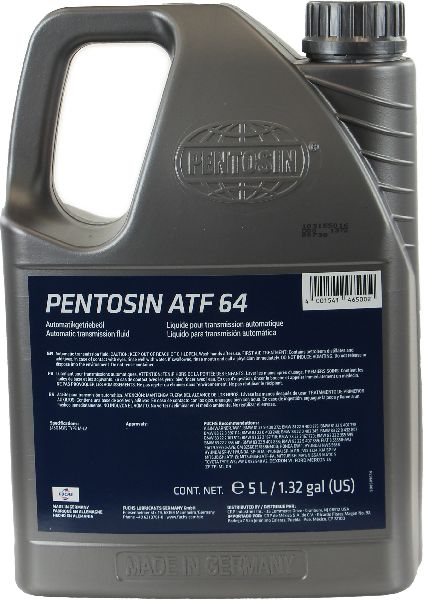
We Have This Part in Stock



The information in this article is provided for general reference and educational purposes only. Vehicle specifications, procedures, and part compatibility can vary by production date, trim level, and region. Always consult your vehicle's factory service manual and verify part numbers before purchasing or performing repairs. Safety-critical components such as airbags, seat belts, and braking systems should be installed by a qualified professional.
- Hyundai ACCENT:
- 🧭 Diagnostic Flowchart
- 🎬 Helpful Videos
- 🛍️ Shop This Part
- What's Unique About the 2012-2019 Hyundai ACCENT
- Symptoms You May Notice
- Most Likely Causes
- Rare But Worth Checking
- Diagnosis Steps
- Parts You'll Likely Need
- Related Codes That Often Appear With This One
- Technical Service Bulletins (TSBs) & Recalls
- Platform-Specific Known Issues
- Mechanic-Grade Diagnostic Values
- Scan Tool Commands That Help
- Wiring & Ground Locations
- Real Owner Repair Stories
- "I Checked Everything" — The Actual Cause
- OEM Part Supersession History
- Model Year Variations Within This Range
- 🎟️ Get 5% Off