

P0880 on 2011-2018 Hyundai Sonata: TCM Power Signal Error Causes and Fixes
On a 2011-2018 Hyundai Sonata, code P0880 indicates a power supply problem to the Transmission Control Module (TCM). This often results in the transmission entering a 'limp mode,' stuck in one gear (typically 3rd or 4th). The most common causes are a faulty TCM power relay, a blown fuse, a failing transmission range sensor (inhibitor switch), or a damaged internal transmission wiring harness.
- P0880 on your Sonata means the transmission controller has lost power, causing it to enter a protective 'limp mode'.
- Do not immediately assume a major transmission failure. The cause is almost always a simple electrical component.
- Start your diagnosis with the easiest and cheapest parts: check the transmission-related fuses and swap the TCM power relay.
- Carefully inspect the wiring harness near the battery and transmission for any visible damage or corrosion.
- Referencing Hyundai TSB 20-AT-017H can provide a dealership-level diagnostic path for this specific code.
What's Unique About the 2011-2018 Hyundai SONATA
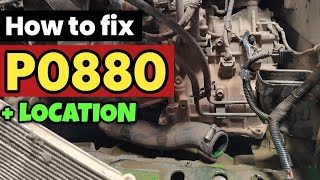
The 2011-2018 Sonata, spanning the YF and LF generations, is susceptible to this code due to known issues with its electrical components. A prominent Hyundai TSB (#20-AT-017H) addresses this exact code across a wide range of models, including the Sonata, pointing to circuit faults rather than major transmission failure. 🎬 Watch: Understanding the P0880 TCM power input signal code. Owners often find the root cause to be a simple electrical part like a relay, a corroded wire, or even the internal transmission wiring harness, rather than the more expensive TCM itself. For some models like the Accent, the TSB specifically calls out checking for the control wiring harness rubbing against the battery tray.
🎬 Watch: How to find and fix common TCM power loss wiring.Diagnostic Flowchart
Tap your situation to follow the diagnostic path that matches what you're seeing on this vehicle.
Generation note: This issue affects both the YF (2011-2014) and LF (2015-2018) generations of the Hyundai Sonata. The provided TSB 20-AT-017H from Hyundai covers models in both generations, indicating a similar underlying electrical architecture and potential for this fault. While causes are generally the same, the exact location of relays and wiring may differ slightly. A key difference is that earlier 6-speed transmissions used a 'Generation 1' valve body with 8 solenoids, while later models may have a 'Generation 2' with 7 solenoids, which can affect internal diagnostics.
Symptoms You May Notice
- Check Engine Light is on
- Transmission is stuck in fail-safe mode (usually 3rd or 4th gear).
- Harsh or abrupt shifting into Reverse and Drive.
- Vehicle may not shift gears at all.
- ABS or Traction Control lights may also illuminate.
- Lack of power when accelerating from a stop.
- Replacing the entire transmission. The TSB explicitly warns that this is not the correct fix for a P0880 code.
- Replacing shift solenoids. While solenoids can cause shifting problems, P0880 points specifically to the power supply circuit for the entire TCM, not an individual solenoid.
- Replacing the TCM without proper diagnosis. Many owners and shops have replaced the TCM only to have the code return because the actual fault was in the wiring, a relay, or the internal harness.
Most Likely Causes
- Faulty TCM Power Relay 🔴 High Probability → Shop Wiring Relay Relays are common failure points in many vehicles, and the one supplying power to the TCM can wear out over time, causing an intermittent or complete loss of power.
How to confirm: Locate the TCM relay in the under-hood fuse box. Swap it with an identical relay from a non-critical system (like the horn or fog lights) and see if the problem resolves.
Typical fix: Replace the faulty relay.
Est. part cost: $10-$30 - Blown Fuse 🔴 High Probability
How to confirm: Inspect the fuses related to the transmission (TCU) and powertrain control modules (ECU) in both the under-hood and interior fuse panels. Use a fuse tester or visually check for a broken filament.
Typical fix: Replace the blown fuse. If it blows again, a short circuit in the wiring must be diagnosed.
Est. part cost: $1-$5 - Damaged or Corroded Wiring (Internal or External) 🟡 Medium Probability Hyundai has noted instances where wiring harnesses can rub against chassis components, causing wires to short or break. A common chafe point on some models is the harness under the battery tray. The internal transmission harness, a ribbon-style wire set, is also a known failure point that can develop an internal short or open circuit.
How to confirm: Visually inspect the external wiring harness leading to the transmission and the TCM for any signs of chafing, breaks, or corrosion. For the internal harness, it must be tested for continuity with a multimeter after removing the transmission oil pan and valve body.
Typical fix: Repair the damaged section of the external wire or clean/replace the corroded connector. The internal harness must be replaced, which is a labor-intensive job.
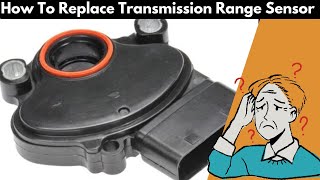
Est. part cost: $5-$150 for repair materials or a new internal harness - Faulty Transmission Range Sensor (Inhibitor Switch) 🟡 Medium Probability → Shop Transmission Assembly The transmission range sensor, which tells the TCM what gear is selected, is a known failure point on many Hyundai models. A faulty sensor can interrupt the power signal or send conflicting information, triggering a fault.
How to confirm: Use a scan tool to monitor the output of the range sensor while shifting through the gears. Any dropouts or incorrect readings indicate a problem.
Typical fix: Replace the transmission range sensor. This part is located on the outside of the transmission case.
Est. part cost: $40-$100
Rare But Worth Checking
- Faulty Transmission Control Module (TCM): → Shop Transmission Assembly While possible, the TCM itself is less likely to be the cause than the components that supply it with power. The TSB from Hyundai specifically advises against replacing the entire transmission for this code and to rule out all other electrical causes before condemning the control unit. In some cases on related models, leaking capacitors inside the ECU/TCM have been found to be the root cause.
- Weak or Failing Battery/Alternator: → Shop Vehicle Battery A battery with low voltage or a failing alternator producing excessive AC ripple can cause transient power drops or spikes during operation that may trigger a P0880 code. Poor main ground connections from the battery to the chassis have also been noted on some 2011 Sonatas due to paint on the connection surface.
Diagnosis Steps
- Read the code with an OBD-II scanner to confirm P0880 is present.
- Check all fuses related to the transmission and PCM (often labeled TCU, ECU, or AT) in the engine bay and interior fuse boxes. Replace any that are blown.
- Locate the TCM power relay in the engine bay fuse box. Swap it with a known good, identical relay (e.g., horn relay) to see if the fault clears.
- If the issue persists, inspect the battery terminals for tightness and corrosion. Test the battery voltage and the charging system output to ensure it's stable and within spec (13.5V-14.5V when running).
- Visually inspect the wiring harness between the fuse box, the TCM, and the transmission itself. Look for any signs of rubbing, chafing, or corrosion, paying close attention to areas near the battery tray and where the harness passes near the engine block.
- Using a scan tool, monitor the live data for the Transmission Range Sensor (Inhibitor Switch) while moving the shifter. Ensure the displayed gear matches the shifter position.
- If external checks are inconclusive, the next step involves testing the internal transmission harness. This requires draining the fluid, removing the oil pan and valve body, and checking continuity on the harness pins with a multimeter.
- If all of the above check out, the final step is to test the power and ground circuits directly at the TCM connector. If power and ground are good, the TCM itself may be faulty.
Parts You'll Likely Need
- TCM Power Relay
(OEM #95210-29000 (example, verify by VIN))— This relay controls the power flow to the TCM and is a frequent point of failure, causing a complete loss of power to the module.
Trusted brands: Hyundai OE, Bosch, Standard Motor Products
OEM price range: $20-$40
Aftermarket price range: $10-$30 - Transmission Range Sensor / Inhibitor Switch
(OEM #42700-3B700 (fits many YF/LF Sonatas, but verify by VIN))— This sensor tells the TCM the position of the gear shifter. A fault can interrupt the power-on sequence or send bad data, leading to a P0880 code or related faults.
Trusted brands: Hyundai OE, Duralast, Dorman
OEM price range: $70-$120
Aftermarket price range: $40-$100 - Internal Transmission Wire Harness
(OEM #46307-3B650 (example for 6-speed, verify by VIN))— The internal harness that connects the valve body solenoids is a known failure point. A short or open in this harness will cut power and trigger P0880.
Trusted brands: Hyundai OE
OEM price range: $80-$150
Aftermarket price range: N/A
Related Codes That Often Appear With This One
- P0705 - Transmission Range Sensor Circuit Malfunction
Technical Service Bulletins (TSBs) & Recalls
- 20-AT-017H: Addresses DTC P0880/P088000, noting symptoms like being stuck in 4th gear fail-safe and harsh shifts.
Platform-Specific Known Issues
- Hyundai issued Technical Service Bulletin 20-AT-017H for a wide range of vehicles, including the 2011-2019 Sonata, for DTC P0880. The bulletin outlines a diagnostic procedure focusing on electrical faults and explicitly states not to replace the transmission for this code.
- A common point of failure discussed in forums is the internal transmission wiring harness, which can become brittle and short out, requiring removal of the valve body to replace.
- On some Hyundai models, TSB 20-AT-017H specifically points to checking for the wiring harness rubbing against the battery tray as a potential cause for a short circuit.
Mechanic-Grade Diagnostic Values
- Variable Force Solenoid (VFS) Resistance — expected: 5.1 - 5.3 Ohms. Failure: Reading outside of this range indicates a faulty solenoid coil.
- On/Off Shift Solenoid Resistance — expected: 10 - 11 Ohms. Failure: Reading outside of this range indicates a faulty solenoid coil.
- Solenoid Power Voltage at TCM — expected: 9V - 22V. Failure: Voltage below 7V or above 22V will trigger DTC P0880.
- Transmission Fluid Temperature Sensor Resistance — expected: 2.51k Ohms @ 68°F (20°C). Failure: A significantly different reading indicates a faulty sensor, which can affect TCM operation.
Scan Tool Commands That Help
- Hyundai GDS (Global Diagnostic System): DTC Analysis and A/T Menu — This is the first step in the official TSB diagnostic procedure to record and clear any existing transmission-related fault codes before beginning diagnosis.
Wiring & Ground Locations
- TCM/PCM Module — Located in the engine bay, near the battery, with two large rectangular harness connectors.. This is the control unit that receives the power signal. All power and ground tests for the TCM circuit originate or terminate here.
- GHG01 / GHTG01 — Main engine compartment ground, located on the left side of the engine compartment.. A poor main ground connection can cause a variety of electrical issues, including intermittent power to control modules like the TCM. A 2014 Sonata ground distribution diagram shows this as a primary grounding point.
- Body Control Module (BCM) Connector — Located under the dash, next to the steering column.. In at least one documented case, the power supply for pins 5 & 10 on the transmission connector originated from the BCM. A loose camlock connector at the BCM was the root cause of P0880 after all other common causes were ruled out.
- Main Chassis Ground — On early YF Sonatas (2011), the main ground strap from the battery is bolted to a painted frame rail surface.. This has been identified as a factory issue causing a poor ground connection, leading to various electrical problems, including complete power loss. The fix involves cleaning the paint from the contact surface.
Real Owner Repair Stories
- YouTube Commenter on JVFIX LLC video (Hyundai (model not specified, but symptoms match Sonata P0880)) — P0880 code, no power on the high side rails for the solenoids.
❌ Tried (didn't work) Replacing the internal solenoid wire harness., Testing all solenoids., Replacing the TCM/ECU with a known good unit.
✅ What actually fixed it The power supply for pins 5 & 10 at the transmission connector was traced back to the Body Control Module (BCM) under the dash. A large camlock multipin connector at the BCM was loose. Securing the connector and its locking lever (with a cable tie) restored power and resolved the code. - Reddit user in r/MechanicAdvice (Hyundai Sonata (year not specified)) — Harsh jerk when shifting into reverse, code P0880.
❌ Tried (didn't work) Replacing motor mounts (misdiagnosis)., Replacing the TCM (Powertrain Control Module).
✅ What actually fixed it The issue was diagnosed as a short in the internal transmission wiring harness. A service bulletin indicated that if power was present at a specific terminal for longer than 0.3 seconds, the internal harness was faulty. Replacing the internal harness was the final recommended step.
OEM Part Supersession History
46307-3B610, 46307-3B620→46307-3B650— Part revision/improvement for the internal transmission wire harness.
Heads up: The newer part number is the correct replacement for the older versions.42700-3B100→42700-3B700— Part revision/improvement for the Transmission Range Sensor (Inhibitor Switch).
Heads up: Part number 42700-3B500 is also listed as a compatible number in the history. Another source indicates 42700-3B700 is replaced by 42700-26700, so always verify the latest part number with a dealer using the VIN.
Model Year Variations Within This Range
- 2011-2014 (approx.): Earlier 6-speed automatic transmissions in the YF Sonata are typically equipped with a 'Generation 1' valve body which uses 8 solenoids.
- 2015-2018 (approx.): Later 6-speed transmissions in the LF Sonata may be equipped with a 'Generation 2' valve body which uses only 7 solenoids. This is referenced in TSB 20-AT-018H.
Helpful Videos


We Have This Part in Stock



The information in this article is provided for general reference and educational purposes only. Vehicle specifications, procedures, and part compatibility can vary by production date, trim level, and region. Always consult your vehicle's factory service manual and verify part numbers before purchasing or performing repairs. Safety-critical components such as airbags, seat belts, and braking systems should be installed by a qualified professional.
- Hyundai SONATA:
- 🧭 Diagnostic Flowchart
- 🎬 Helpful Videos
- 🛍️ Shop This Part
- What's Unique About the 2011-2018 Hyundai SONATA
- Symptoms You May Notice
- Most Likely Causes
- Rare But Worth Checking
- Diagnosis Steps
- Parts You'll Likely Need
- Related Codes That Often Appear With This One
- Technical Service Bulletins (TSBs) & Recalls
- Platform-Specific Known Issues
- Mechanic-Grade Diagnostic Values
- Scan Tool Commands That Help
- Wiring & Ground Locations
- Real Owner Repair Stories
- OEM Part Supersession History
- Model Year Variations Within This Range
- 🎟️ Get 5% Off