

P0894 on 2008-2012 GMC Sierra Denali: Transmission Slipping Causes and Fixes
P0894 on a 2008-2012 Sierra Denali indicates internal transmission slippage, often due to a failing torque converter, worn TCC regulator valve bore in the valve body, or worn clutch packs in the 6L80 transmission. This is a serious issue requiring professional diagnosis; continued driving can lead to complete transmission failure.
- P0894 on a 2008-2012 Sierra Denali is a serious code indicating internal transmission slippage and should be addressed immediately.
- The most common cause is a failing torque converter that contaminates the entire 6L80 transmission with debris.
- Do not continue to drive the vehicle, as this can turn a costly repair into a catastrophic failure requiring a full transmission replacement.
- Diagnosis is complex and should be performed by a professional with transmission experience.
- A simple fluid change will not fix this issue; it's a symptom of a larger mechanical problem that must be repaired.
What's Unique About the 2008-2012 Gmc SIERRA DENALI
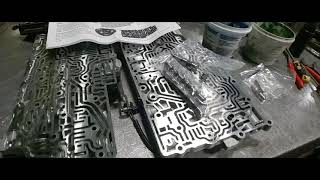
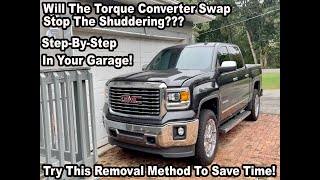
The 2008-2012 GMC Sierra Denali uses the 6L80 automatic transmission, which is known for specific issues that can trigger a P0894 code. 🎬 Watch: A deep dive into 6L80 failure points and fixes. A primary culprit is wear in the valve body, specifically the TCC regulator valve bore, which allows hydraulic pressure to leak, preventing the torque converter clutch from applying correctly. This constant slippage not only triggers the code but also causes the torque converter clutch (TCC) to wear prematurely, shedding its friction material and contaminating the entire transmission with debris. This debris can clog solenoids, stick valves, and accelerate wear on internal components like clutch packs, making this code a frequent precursor to significant transmission work on this platform.
Diagnostic Flowchart
Tap your situation to follow the diagnostic path that matches what you're seeing on this vehicle.
Symptoms You May Notice
- Check Engine Light is on
- Harsh or delayed gear shifting, especially 1-2 and 2-3 shifts.
- Engine RPMs fluctuate or increase by 200-500 RPM at steady highway speeds without a change in vehicle speed.
- Vehicle enters "limp mode" (stuck in one gear, often 3rd).
- Overheating transmission warning light or message.
- A burning smell from the transmission fluid.
- Reduced fuel economy.
- Sensation of shuddering during light acceleration or when the torque converter should be locking up.
- Simply replacing the transmission fluid and filter without addressing the root cause of the contamination (like a failing torque converter) will not solve the problem. The code will return quickly.
- Replacing a single shift solenoid when the entire valve body is worn or the TCC regulator valve bore is the actual source of the pressure loss.
- Replacing the torque converter without fixing the underlying valve body wear that caused the converter to fail in the first place. The new converter will eventually fail for the same reason.
Most Likely Causes
- Worn or Failed Torque Converter 🔴 High Probability → Shop Automatic Transmission Torque Converter The 6L80 transmission's torque converter clutch is a known weak point, prone to shedding its lining material due to constant commanded slippage and valve body pressure leaks. This debris contaminates the entire transmission.
How to confirm: A technician can use a scan tool to monitor TCC slip speed; a slip of over 100 RPM when commanded on is a clear indicator. Finding excessive metallic or black friction material debris in the transmission pan is a strong confirmation.
Typical fix: Replace the torque converter, flush the transmission cooler lines thoroughly, and often rebuild or replace the transmission due to widespread contamination.
Est. part cost: $300-$800 for the converter; $2500+ for a rebuilt transmission. - Faulty Valve Body or Solenoids 🔴 High Probability → Shop Transmission Valve Body The TCC regulator valve bore in the 6L80 valve body is notorious for wearing out. This wear prevents the valve from holding adequate pressure to lock the torque converter, causing the P0894 code. Debris can also cause other valves or solenoids within the TEHCM to stick.
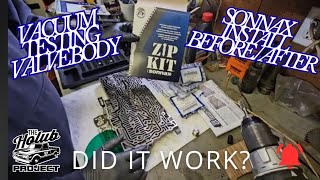
How to confirm: A technician can perform hydraulic pressure tests. Inspecting the valve body for a worn TCC regulator bore is key. Aftermarket companies like Sonnax make tools specifically for diagnosing this wear.
Typical fix: Reaming the valve body and installing an oversized TCC regulator valve kit (e.g., Sonnax 104740-46K) is a common, targeted repair. In other cases, replacement of the entire valve body/TEHCM assembly is necessary.
Est. part cost: $50-$150 for a valve kit; $600-$1200 for a TEHCM. - Low or Burnt Transmission Fluid 🟡 Medium Probability → Shop Transmission Assembly This is usually a symptom, not the root cause. Slipping components generate extreme heat, which quickly degrades the transmission fluid (ATF), reducing its hydraulic properties and causing more slipping.
How to confirm: Check the transmission fluid level and condition. If it is dark, discolored, and has a burnt smell, internal damage is highly likely.
Typical fix: If caught extremely early with no damage, a fluid and filter change might help. More often, it's a symptom of a larger problem (like a failing converter or valve body) requiring a rebuild.
Est. part cost: $100-$250 for fluid and filter service. - Worn Internal Clutch Packs 🟡 Medium Probability Contamination from a failing torque converter or operating with low line pressure (caused by valve body wear) can starve the clutch packs of the pressure needed to hold, causing them to slip, burn, and fail. The 4-5-6 clutch is particularly vulnerable.
How to confirm: This is confirmed during a transmission teardown by inspecting the friction and steel plates for burning, scoring, and wear.
Typical fix: Complete transmission rebuild, including replacement of all clutches, seals, and gaskets.
Est. part cost: $400-$800 for a master rebuild kit.
Rare But Worth Checking
- Failed Transmission Control Module (TCM): → Shop Transmission Assembly While less common, the TCM (which is part of the TEHCM inside the transmission on a 6L80) can fail, causing erratic shifting and pressure control issues. This is usually considered after mechanical failures are ruled out.
- Worn Stator Support Shaft/Bushing: The stator support shaft inside the transmission has seals and bushings that are critical for routing fluid to the torque converter clutch. If these are worn, hydraulic pressure is lost, leading to TCC slip and a P0894 code. This is often discovered during a rebuild.
Diagnosis Steps
- Check and verify the transmission fluid level and condition. Note any burnt smell or discoloration.
- Use an OBD-II scanner to check for other transmission-related codes, such as P0700 or P0741.
- Perform a road test to confirm symptoms. With a professional scan tool, monitor live data for Transmission Input Speed, Output Speed, and especially Torque Converter Clutch (TCC) Slip RPM. When the TCC is commanded ON, slip should be near zero, not hundreds of RPMs.
- Command the TCC solenoid ON with the scan tool and listen for a change in engine RPM or feel for engagement. Check solenoid amperage to verify electrical integrity.
- Drop the transmission pan to inspect for metal shavings or friction material. A small amount of fine grey material is normal, but large flakes, chunks, or excessive black clutch material indicate severe internal damage.
- Perform line pressure tests to check if the transmission pump and pressure regulation system are functioning correctly. Low pressure points to a worn pump, clogged filter, or major leak in the valve body.
- Thoroughly flush and flow-test the transmission cooler and lines. Debris from a failed converter can clog the cooler, leading to overheating and repeat failure of a new transmission.
- Based on findings, determine if the issue is a worn valve body bore (requiring a Sonnax kit), a failed torque converter, or if a full transmission rebuild is necessary due to widespread contamination.
Parts You'll Likely Need
- Remanufactured 6L80 Transmission
(OEM #24245017)— Due to widespread contamination from a failed torque converter, replacing the entire unit is often the most reliable and cost-effective long-term repair, as debris damages many internal components.
Trusted brands: GM Genuine, ACDelco, Jasper, Monster Transmission
OEM price range: $3000-$4500
Aftermarket price range: $2500-$4000 - Torque Converter — This is the most frequent point of failure leading to P0894. It should always be replaced during any transmission work for this code, even if another part is the root cause.
Trusted brands: ACDelco, Sonnax, Circle D, Yank
OEM price range: $400-$800
Aftermarket price range: $250-$600 - Transmission Valve Body (TEHCM)
(OEM #24256861 (Note: This is a common TEHCM part number, but may vary. Verify by VIN))— If diagnosis points to stuck valves or failed solenoids and the rest of the transmission is healthy, replacing the TEHCM (Transmission Electro-Hydraulic Control Module) may be a fix. It contains
Related Codes That Often Appear With This One
- P0700 — This is a general Transmission Control System Malfunction code. The TCM sends a request to the PCM to turn on the Check Engine Light, and P0700 is the generic code indicating the TCM has stored a more specific code, like P0894.
- P0741 — Stands for 'Torque Converter Clutch Circuit Performance or Stuck Off'. This code is extremely common with P0894 as it directly points to the TCC's inability to lock up, which is the slip that P0894 detects.
Technical Service Bulletins (TSBs) & Recalls
- PIP4379M: Mentions P0894 as a possible diagnostic code in cases of transmission issues and provides a diagnostic starting point.
- PI1393A: Details the failure of torque converter clutch material as a cause for P0741, which directly relates to the slippage detected by P0894 and describes the resulting contamination and clutch pack failure.
Platform-Specific Known Issues
- The provided Technical Service Bulletin #PIP4379M lists P0894 among a large group of transmission codes that can occur. It advises technicians to follow diagnostics for code P0701 first if it is present, indicating a pattern of related failures.
- GM TSB PI1393A discusses DTC P0741 (TCC Stuck Off), a code that frequently accompanies P0894. It explicitly states that the cause can be debonded torque converter clutch friction material, which can then travel through the transmission, damage the pump, and cause the 4-5-6 clutch to fail. This directly corroborates the common failure pattern for P0894.
Mechanic-Grade Diagnostic Values
- TCC Slip Speed (Live Data) — expected: Near 0 RPM when TCC is commanded locked.. Failure: Sustained slip of over 50-100 RPM when the TCC is commanded ON by the scan tool.
- Shift Solenoid Resistance (On/Off type, SS1/SS2) — expected: 20 - 40 Ohms. Failure: Reading outside of this range indicates a failed solenoid within the TEHCM.
- Pressure Control Solenoid Resistance (PWM type, TCC/Line Pressure/Clutch) — expected: 3 - 8 Ohms (typically 5-6 Ohms). Failure: Reading outside of this range indicates a failed solenoid within the TEHCM.
- Line Pressure at Idle (in Drive) — expected: Approximately 45-80 PSI. Failure: Significantly lower pressure indicates a potential pump, valve body, or internal leak issue.
- Line Pressure at Wide Open Throttle (WOT) — expected: Up to 300 PSI. Failure: Failure to build sufficient pressure under load points to severe internal hydraulic issues.
- TEHCM Solenoid Operating Voltage — expected: 8.3 - 9.3 Volts. Failure: Incorrect voltage supplied by the TCM to the solenoids can indicate an internal TEHCM fault.
Scan Tool Commands That Help
- GDS2 / Tech2 / Professional Scan Tool: Service Fast Learn Adapt / Transmission Adapts Reset — This is a mandatory procedure after replacing the transmission, TEHCM, or rebuilding clutch packs. It allows the TCM to relearn clutch fill times and apply pressures, preventing harsh shifts and potential damage.
- GDS2 / Tech2 / Professional Scan Tool: TCC Solenoid Command ON/OFF — Used during a road test to manually command the torque converter clutch to lock. The technician can then monitor TCC Slip RPM to see if it drops to near zero as expected. This directly tests the TCC hydraulic circuit's ability to hold.
- GDS2 / Tech2 / Professional Scan Tool: Solenoid Cleaning Process — This is an automated function that cycles all solenoids to dislodge small amounts of debris. It can be attempted for performance-related DTCs before replacing the TEHCM, but is unlikely to fix a P0894 caused by significant mechanical wear.
- GM MDI2 / J2534 Pass-Thru Tool: TEHCM/TCM Programming and Configuration — Required when a new or used TEHCM is installed. The module must be flashed with the correct calibration file for the vehicle's VIN to ensure proper operation.
Wiring & Ground Locations
- C1 / X1 (16-Pin Transmission Connector) — The main round 16-pin electrical connector on the passenger side of the 6L80 transmission case.. This is the sole communication and power link to the internal TEHCM. A corroded pin or damaged wire here can cause loss of power, ground, or CAN bus communication, leading to erratic solenoid behavior, incorrect pressure control, and various transmission codes including P0894. Key pins to check are: Pin 4 (Battery +), Pin 5 (Ground), Pin 10 (CAN High), Pin 11 (CAN Low), and Pin 12 (Run/Crank Power).
Real Owner Repair Stories
- PerformanceTrucks.net Forums (2006 Sierra 5.3 (with 4L65E, but principles apply directly to 6L80 TCC issues)) — P0894 code appeared twice shortly after a fresh transmission rebuild with a Yank TT3000 stall converter. At freeway speeds, light throttle application would cause RPMs to flare by ~200 RPM without acceleration.
❌ Tried (didn't work) Clearing the code (it returned).
✅ What actually fixed it The user was advised by a moderator to check for two specific, high-level issues: 1) An incorrectly installed TCC lockup valve in the valve body (specifically if a Transgo shift kit was used, noting the threaded end must face the end plug). 2) An issue with the engine tune not being properly adjusted for the new high-stall torque converter, causing the TCM to see slip when it shouldn't. The problem was ultimately tune-related.
OEM Part Supersession History
24256861→19431596, 19435614, 19434978— This is a common TEHCM part number for the 6L80. It has been superseded multiple times by GM, which often indicates revisions to fix underlying issues. For a period, GM even put this part on restriction to track failures before authorizing replacement.
Heads up: These modules are NOT plug-and-play. A new TEHCM must be programmed with the vehicle's specific VIN and calibration file using a dealer-level scan tool (GDS2/Tech2) and a J2534 interface. Failure to program will result in a no-start or immediate shifting problems.
Model Year Variations Within This Range
- 2008-2012: While all use a 6L80, there are multiple hardware and software versions of the TEHCM (the internal TCM). These different versions have limited interchangeability. It is critical to verify the correct TEHCM part number for the specific vehicle by VIN before ordering a replacement to avoid compatibility issues.
Helpful Videos



We Have This Part in Stock


The information in this article is provided for general reference and educational purposes only. Vehicle specifications, procedures, and part compatibility can vary by production date, trim level, and region. Always consult your vehicle's factory service manual and verify part numbers before purchasing or performing repairs. Safety-critical components such as airbags, seat belts, and braking systems should be installed by a qualified professional.
- Gmc SIERRA DENALI:
- 🧭 Diagnostic Flowchart
- 🎬 Helpful Videos
- 🛍️ Shop This Part
- What's Unique About the 2008-2012 Gmc SIERRA DENALI
- Symptoms You May Notice
- Most Likely Causes
- Rare But Worth Checking
- Diagnosis Steps
- Parts You'll Likely Need
- Related Codes That Often Appear With This One
- Technical Service Bulletins (TSBs) & Recalls
- Platform-Specific Known Issues
- Mechanic-Grade Diagnostic Values
- Scan Tool Commands That Help
- Wiring & Ground Locations
- Real Owner Repair Stories
- OEM Part Supersession History
- Model Year Variations Within This Range
- 🎟️ Get 5% Off