

P0894 on 2013-2015 GMC Sierra Denali: Transmission Slipping Causes and Fixes
P0894 on a 2013-2015 Sierra Denali almost always means the torque converter is failing, causing internal transmission slippage. This is a serious issue that requires immediate attention. The most reliable fix involves replacing the torque converter and often rebuilding or replacing the entire transmission due to widespread debris contamination from the failed converter.
- P0894 on a 2013-2015 Sierra Denali is a critical code that should be addressed immediately to prevent catastrophic transmission failure.
- The most likely cause is a failed torque converter, which has contaminated the transmission with debris.
- Do not continue to drive the vehicle. Tow it to a qualified transmission shop for diagnosis.
- A simple fluid change will not fix this code. The repair will involve, at minimum, replacing the torque converter and thoroughly flushing the system. A full transmission rebuild or replacement is very common.
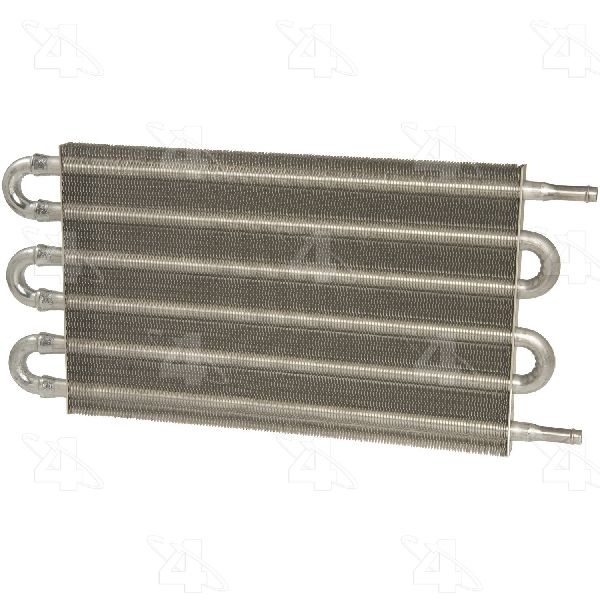
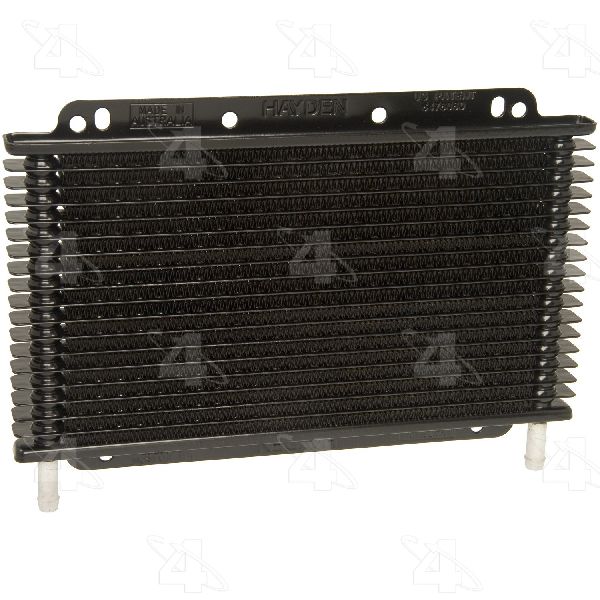
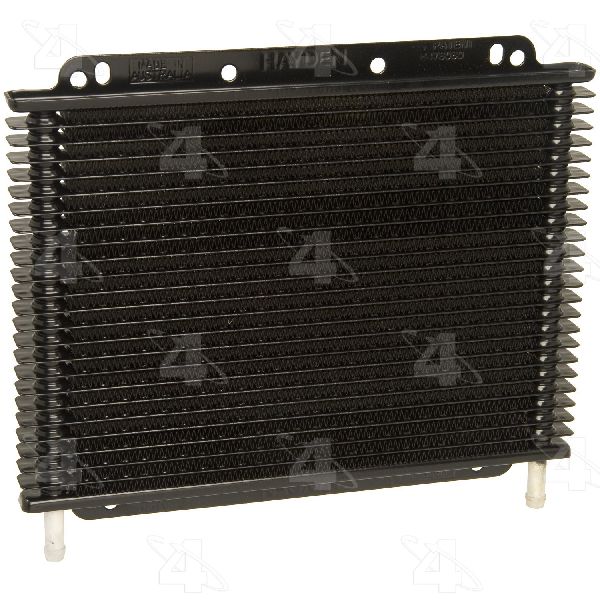
- Ensure any repair includes replacing the torque converter and flushing the transmission cooler to prevent a repeat failure.
What's Unique About the 2013-2015 Gmc SIERRA DENALI
The 2013-2015 Sierra Denali uses the GM 6L80 transmission, which is known for a specific failure pattern that triggers the P0894 code. The original equipment torque converter is a common weak point; its lockup clutch material tends to break down, flex under load, and shed metallic debris into the transmission fluid. This debris, often compared to fine coffee grounds, acts like sandpaper, quickly destroying the valve body, oil pump, and clutch packs, turning a single component failure into a full transmission catastrophe. As a result, P0894 on this truck is rarely a minor issue and often precedes a major transmission repair. This issue is so common across the 6L80 platform that numerous aftermarket solutions focus on correcting these factory design limitations.
Diagnostic Flowchart
Tap your situation to follow the diagnostic path that matches what you're seeing on this vehicle.
Generation note: This range covers the end of the second generation (2013 GMT900 platform) and the start of the third generation (2014-2015 K2XX platform). Both generations primarily use the 6L80 automatic transmission, and the causes and fixes for code P0894 are consistent across them. The underlying torque converter and valve body issues are endemic to the 6L80 design found in a wide range of GM trucks and SUVs from this era.
Symptoms You May Notice
- Transmission slipping, where the engine revs higher but the vehicle doesn't accelerate accordingly.
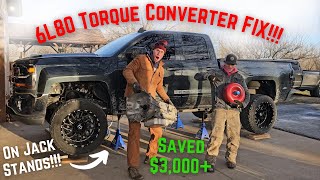
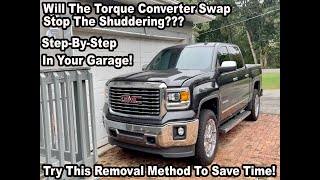
- A noticeable shudder or vibration under light acceleration, often described as driving over a 'rumble strip', typically between 35-55 MPH, 🎬 Watch: See how a shuddering torque converter is replaced. as the torque converter attempts to lock up.
- Harsh, erratic, or delayed gear shifts. Once P0894 is set, the TCM often commands maximum line pressure to prevent further slip, resulting in very hard shifts.
- Vehicle may enter a 'limp mode,' becoming stuck in a single gear (often 3rd).
- Illuminated Check Engine Light.
- Transmission may overheat, especially under load, and you may notice a strong burnt smell from the fluid.
- Decrease in fuel economy due to the torque converter not locking up.
- Replacing only the transmission fluid and filter. While necessary during a larger repair, a simple fluid service will not fix the underlying mechanical failure (like a bad torque converter or worn valve body) that causes P0894.
- Replacing the torque converter but not addressing valve body wear or flushing the cooler. If the TCC regulator valve bore is worn, the new converter will still slip and the code will return. If the cooler isn't flushed, trapped debris will circulate and destroy the new parts, leading to a repeat failure.
Most Likely Causes
- Worn or Failed Torque Converter 🔴 High Probability → Shop Automatic Transmission Torque Converter The OEM 6L80 torque converter's lockup clutch is a known failure point. The friction material delaminates and the converter cover can flex, preventing proper lockup and contaminating the entire transmission with abrasive debris.
How to confirm: Using a scan tool, monitor the 'TCC Slip Speed' while driving. When the TCC is commanded ON (duty cycle > 0%), the slip should be near zero RPM (under 50 for GM). If it's consistently 50 RPM or higher, the converter is slipping. Finding metallic 'coffee ground' like debris in the transmission pan is also a strong indicator of TCC failure.
Typical fix: Replace the torque converter with a high-quality OEM or upgraded aftermarket unit. 🎬 See this walkthrough on upgrading to a bulletproof billet converter. Due to contamination, a full transmission rebuild or replacement is often necessary for a long-term fix. The transmission cooler and lines must be thoroughly flushed or replaced to prevent debris from destroying the new parts.
Est. part cost: $300-$800 for a torque converter; $2500-$4500+ for a remanufactured transmission. - Worn TCC Regulator Valve Bore in Valve Body 🟡 Medium Probability → Shop Transmission Valve Body Abrasive debris from the failing torque converter, or even normal wear, scores the soft aluminum bore for the TCC regulator valve. This wear allows hydraulic pressure to leak, preventing the TCC from applying with enough force to lock up, which directly causes slip.
How to confirm: This is difficult to confirm without a transmission teardown and inspection of the valve body. A technician may perform hydraulic pressure tests. If a new torque converter doesn't fix the code, a worn valve body bore is the next likely culprit. This is often addressed preventatively during a rebuild.
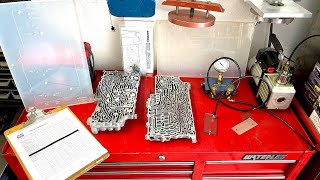
Typical fix: The valve body must be removed. A specialty shop can ream the worn bore and install an oversized valve kit (e.g., Sonnax 104740-07K or 104740-46K) to restore hydraulic integrity. In other cases, the entire valve body assembly is replaced. 🎬 Watch: A deep dive into 6L80 valve body and hydraulics.
Est. part cost: $40-$150 for a valve kit; $400-$1000+ for a replacement valve body. - Low or Burnt Transmission Fluid ⚪ Low Probability → Shop Transmission Assembly This is usually not the root cause, but a symptom of another problem. A leak can cause low fluid, leading to pressure loss and slipping. A burnt smell indicates extreme overheating from internal slippage, confirming mechanical failure.
How to confirm: Check the transmission fluid via the check plug (the 6L80 does not have a traditional dipstick). The fluid should be at the correct level, bright red, and not smell burnt. Dark, burnt fluid confirms internal damage.
Typical fix: If fluid is simply low, top it off with DEXRON-VI and find and repair the leak. If the fluid is burnt and dark, it confirms a severe internal mechanical failure is in progress; a fluid change alone will not fix it and is a waste of money.
Est. part cost: $80-$200 for a fluid and filter change.
Rare But Worth Checking
- Failed TCC Solenoid: → Shop Transmission Valve Body
Diagnosis Steps
- Check the transmission fluid level and condition. Note any burnt smell or visible metallic particles.
- Connect a professional-grade scan tool to read all codes from the TCM and ECM. Note any accompanying codes like P0741.
- Monitor live transmission data while driving. Pay close attention to 'TCC Slip Speed,' 'Commanded TCC Duty Cycle,' and transmission fluid temperature.
- Confirm that when the TCC is commanded on (typically above 45 mph under light load), the slip speed is significantly higher than 50 RPM.
- If slippage is confirmed, drop the transmission pan and inspect for excessive metal debris. The presence of heavy metallic sludge ('coffee grounds') confirms an internal mechanical failure originating from the torque converter.
- If the pan is relatively clean but slippage exists, the issue could be isolated to the valve body or TCC solenoid. Further hydraulic testing may be needed.
- Based on findings, prepare for either a torque converter replacement with a valve body inspection/repair (including Sonnax kits), or a full transmission rebuild/replacement for a guaranteed long-term solution.
Parts You'll Likely Need
- Remanufactured 6L80 Transmission — Due to the high likelihood of widespread contamination from a failed torque converter, replacing the entire unit with a quality remanufactured one is often the most reliable and time-effective repair, often coming with a better warranty.
Trusted brands: GM Genuine, ACDelco, Jasper, Monster Transmission
OEM price range: $3500-$5200
Aftermarket price range: $2800-$4500 - Torque Converter
(OEM #24291284 (replaces 24279756 for 4.3L V6); 24272305 (for 5.3L V8))— This is the primary failure point for code P0894 in the 6L80.
Related Codes That Often Appear With This One
- P0741 — Stands for 'Torque Converter Clutch Circuit Performance or Stuck Off.' This code is very specific to TCC issues and often appears alongside P0894 as they both relate to the torque converter's failure to lock up properly.
- P0700 — This is a generic code that means the Transmission Control Module (TCM) has requested the Check Engine Light to be turned on. It acts as a general flag indicating a transmission-specific fault, like P0894, has been stored in the TCM.
Technical Service Bulletins (TSBs) & Recalls
- PIP4379M: A general GM bulletin that lists P0894 among many other codes related to delayed engagement or range inhibit issues. It advises technicians to follow standard diagnostics and ensure fluid levels are correct, but doesn't pinpoint a specific cause for P0894.
- 16-NA-019: While not directly for P0894, this TSB discusses harsh shifts, slips, or flares and the 'Transmission Service Fast Learn' procedure. This may be relevant after a repair to reset the transmission's adaptive memory, but it will not fix the underlying mechanical cause of P0894.
Platform-Specific Known Issues
- A user on PerformanceTrucks.net with a freshly rebuilt transmission experienced P0894 twice in under 300 miles. The issue occurred during deceleration after a hard pull on the freeway, pointing towards potential tuning or hydraulic lockup issues even with new parts.
- Another owner on the same forum reported the code appearing only during steady-state freeway driving on a slight incline, with harder-than-usual shifts around town, indicating the slip was most detectable under light, constant load.
- A Reddit user with a Silverado noted that clearing the P0894 code would temporarily resolve the hard shifting, as the TCM would exit its high-pressure 'protection' mode, only for the issue to return once slip was detected again.
Mechanic-Grade Diagnostic Values
- TCC/PWM Solenoid Resistance — expected: 3-8 Ohms. Failure: A reading outside this range indicates a failed solenoid coil within the TEHCM.
- Shift Solenoid (On/Off type) Resistance — expected: 20-40 Ohms. Failure: A reading outside this range indicates a failed solenoid coil.
- TCC/PWM Solenoid Current Draw — expected: 1.5–4.0 amps at 12 volts. Failure: Incorrect amperage draw when commanded ON with a scan tool points to a failing solenoid.
- Transmission Line Pressure at Idle (in gear) — expected: 45-80 PSI. Failure: Significantly lower pressure can indicate a worn pump, valve body leaks, or a clogged filter.
- Transmission Line Pressure at Wide Open Throttle (WOT) — expected: Up to 300 PSI. Failure: Failure to reach high pressure under load confirms a major hydraulic issue.
Scan Tool Commands That Help
- GDS2 / Tech2: Solenoid Cleaning Process — If a solenoid performance DTC is present or a solenoid fails an air bench test, this automated function cycles all solenoids to flush debris. It can be used as a diagnostic step before deciding to replace the entire TEHCM.
- GDS2 / Tech2: Output Controls - TCC Solenoid — This allows a technician to manually command the TCC solenoid on and off while monitoring TCC slip speed and solenoid amperage to confirm if the solenoid is electrically sound and if the slip is occurring despite the command.
Wiring & Ground Locations
- G110 — On the left front lower side of the engine block.. This is a primary engine block ground. A poor connection here can cause erratic sensor readings and improper operation of powertrain components, including the transmission control system. GM has noted issues with loose connections at this ground.
- G103 — On the front corner of the passenger side cylinder head, just below the valve cover.. This is a critical ground for engine control devices. A compromised G103 can lead to a variety of seemingly unrelated electrical issues and codes, as the TCM relies on accurate data from the ECM, which is grounded here.
- X181 — The 16-pin transmission harness connector located on the transmission case.. This is the main electrical interface to the transmission. Pins 10 & 11 (CAN Hi/Low) are critical for communication between the internal TEHCM and the rest of the vehicle. A visual inspection for corrosion or damage is a key diagnostic step for any transmission electronic fault.
Real Owner Repair Stories
- GMTNation forum user 'JerryIrons' (Trailblazer EXT with 4L60E at 260,000 miles (different transmission but identical P0894 cause and diagnostic principle)) — P0894 would set only on the highway in overdrive. Random hard 1-2 or 2-3 shifts.
❌ Tried (didn't work) Regular fluid and filter changes., Installing a TransGo kit TCC valve., Inspecting all removed valve body components, which appeared visually okay.
✅ What actually fixed it After the new TCC valve didn't work, a closer inspection of the valve body casting itself revealed a tiny, hairline crack in the TCC regulator valve bore area. Replacing the entire valve body assembly finally resolved the code. - PerformanceTrucks.net forum user (Silverado with a rebuilt 4L60E) — P0894 code returned after a full transmission rebuild. At light throttle cruising, RPMs would flare about 200 RPM without acceleration.
❌ Tried (didn't work) Full transmission rebuild with new clutches., Using a pre-drilled separator plate and correct gaskets.
✅ What actually fixed it The user had installed the lockup valve from a TransGo kit backward in the valve body. Correcting the valve's orientation (threaded end towards the end plug) fixed the slip and the P0894 code.
OEM Part Supersession History
24279756, 24268442→24291284— Likely internal improvements to clutch material and durability to address common failure modes.
Heads up: This part number is specified for the 4.3L V6 engine. Using it in a V8 application may result in incorrect stall speeds and performance.
Model Year Variations Within This Range
- 2014-2015: Compared to the earlier GMT900 (2013) platform, the K2XX trucks (2014+) often run higher transmission temperatures by design (around 195°F) due to a thermal bypass valve, intended to improve fuel economy. Some technicians believe this elevated temperature accelerates fluid breakdown and contributes to premature torque converter clutch failure. Additionally, the factory tuning on 2014+ models may command more TCC slip at highway speeds, increasing wear on the clutch lining over time.
Helpful Videos

We Have This Part in Stock


The information in this article is provided for general reference and educational purposes only. Vehicle specifications, procedures, and part compatibility can vary by production date, trim level, and region. Always consult your vehicle's factory service manual and verify part numbers before purchasing or performing repairs. Safety-critical components such as airbags, seat belts, and braking systems should be installed by a qualified professional.
- Gmc SIERRA DENALI:
- 🧭 Diagnostic Flowchart
- 🎬 Helpful Videos
- 🛍️ Shop This Part
- What's Unique About the 2013-2015 Gmc SIERRA DENALI
- Symptoms You May Notice
- Most Likely Causes
- Rare But Worth Checking
- Diagnosis Steps
- Parts You'll Likely Need
- Related Codes That Often Appear With This One
- Technical Service Bulletins (TSBs) & Recalls
- Platform-Specific Known Issues
- Mechanic-Grade Diagnostic Values
- Scan Tool Commands That Help
- Wiring & Ground Locations
- Real Owner Repair Stories
- OEM Part Supersession History
- Model Year Variations Within This Range
- 🎟️ Get 5% Off