

OBD-II Code P0952: Autostick Control Circuit Low
What P0952 means, why it triggers, and how to fix it
- P0952 disables manual shift mode because the Transmission Control Module detects a short to ground (voltage below 0.5V) in the shifter circuit.
- Damaged wiring under the center console and liquid-damaged shifter assemblies cause 80% of P0952 codes, not internal transmission failures.
- Driving in automatic mode remains safe for short trips, but ignoring the code risks the transmission unexpectedly entering a 40-mph 'limp mode'.
- Verify battery voltage exceeds 12.4V and inspect the shifter wiring harness for chafing before replacing the $800+ Transmission Control Module.
What Does P0952 Mean?
P0952 means the Transmission Control Module (TCM) detects a persistent low voltage signal (under 0.5V) in the manual shifting circuit. This indicates a short to ground. To prevent erratic shifting, the TCM disables the manual shift function entirely.
Technical definition: The SAE/OBD-II definition is "Auto Shift Manual Control Circuit Low". This indicates the Powertrain Control Module (PCM) or Transmission Control Module (TCM) registers a voltage reading from the manual shift control circuit below the specified range (typically under 0.5 volts). This condition confirms a short to ground in the signal wire.
Can I Drive With P0952?
Yes, But With Caution. Yes, but manual shifting (Autostick, Tiptronic, paddle shifters) is disabled. The transmission functions as a standard automatic. Driving is safe for short trips. However, ignoring the code risks the underlying short circuit escalating, causing the Transmission Control Module (TCM) to command 'limp mode' and limit your speed to 40 mph. A persistent electrical fault also damages the TCM over time, turning a $150 wiring repair into a $1,200 module replacement.
Common Causes
- Damaged Wiring or Connectors (Very Common) — The harness connecting the gear shifter to the TCM chafes, frays, or breaks from constant movement, causing a short to ground. Loose or corroded connectors at the shifter base also interrupt the signal.
- Faulty Shifter Switch or Liquid Damage (Common) — Microswitches inside the gear selector wear out or short circuit. Spilled drinks (coffee, soda) in the center console are a primary killer of these electronics, corroding the internal circuit board.
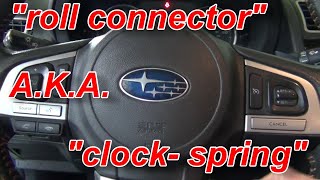
- Faulty Clock Spring (Paddle Shifter Models) (Less Common) — On vehicles with steering wheel paddles, a broken internal ribbon cable in the clock spring severs the circuit. This failure is almost always accompanied by an airbag warning light. 🎬 Watch: How to diagnose and replace a faulty clock spring.
- Weak Battery or Poor System Ground (Less Common) — A failing battery or corroded main ground wire creates a floating ground, leading to unpredictable voltage readings and false low-voltage codes.
- Blown Fuse (Less Common) — A blown circuit fuse cuts power entirely, triggering an immediate low voltage code. This is an easy first check, though fuses usually blow due to an underlying short.
- Faulty Transmission Control Module (TCM) (Rare) — The TCM's internal driver circuit fails and cannot read the incoming voltage. Only consider this after definitively ruling out wiring, switches, and grounds.
Symptoms
- Manual shift mode disabled — Attempting to use the Autostick, Tiptronic, or paddle shifters has no effect; the car remains in automatic mode.
- Check Engine Light illuminated — The primary indicator that a fault has been registered by the vehicle's computer.
- Stuck in one gear (Limp Mode) — The TCM defaults to 2nd or 3rd gear to protect the transmission from damage, resulting in poor acceleration.
- Erratic dashboard gear indicator — The gear indicator on the dashboard goes blank, flashes, or fails to match the physical position of the shifter.
Diagnostic Flowchart
Tap your situation to follow the diagnostic path that matches what you're seeing on this code.
Common Fixes & Costs
- Repair damaged wiring or connectors — Parts: $10-$30, Labor: $150-$350, ~1.5 hr book time (Intermediate)
- Replace shifter assembly or manual shift switch
— Parts: $75-$400, Labor: $120-$300, ~1.2 hr book time
(Intermediate)
Dodge Grand Caravan / Chrysler Town & Country: OEM Mopar: 1GJ35XDVAJ (Alt: Dorman HELP! 14055 (bushing kit))
Jeep Grand Cherokee (2011-2013): OEM Mopar: 52124792AD (Alt: ATP assemblies) - Clean or repair chassis/transmission ground points — Parts: $5-$15, Labor: $50-$150, ~0.5 hr book time (DIY)
- Replace the Clock Spring (Paddle Shifter Models)
— Parts: $150-$450, Labor: $100-$250, ~1.5 hr book time
(Advanced)
Subaru Outback / Legacy (2010-2014): OEM Subaru: 83196AJ04A (Alt: Standard Motor Products, Dorman) - Replace a blown fuse — Parts: $1-$5, Labor: $0-$50, ~0.1 hr book time (DIY)
- Replace the Transmission Control Module (TCM) — Parts: $400-$900, Labor: $150-$400, ~1.8 hr book time (Professional)
DIY vs Professional
- Fuse/Ground/Connector Cleaning — Beginner: Yes
Tools: Fuse puller, socket set, wire brush, contact cleaner. - Wiring Repair — Beginner: No. Recommended for intermediate DIYers.
Tools: Multimeter, trim removal tools, wire strippers, soldering iron, heat shrink tubing. - Shifter Assembly Replacement — Beginner: No. Recommended for intermediate DIYers.
Tools: Trim removal tools, socket set, screwdrivers. - Clock Spring Replacement — Beginner: No. Recommended for advanced DIYers only.
Tools: Socket set, torque wrench, steering wheel puller, screwdrivers. - TCM Replacement — Beginner: No. Professional installation required.
Tools: Professional scan tool for programming.
Used vs. New Parts: Buying Guide
When a used part is worth it: A used shifter assembly from a low-mileage vehicle (under 80k miles) wrecked in a collision is a cost-effective option for older vehicles.
Donor-vehicle mileage cap: roughly under 80000 miles for the part to have meaningful remaining life.
Donor quality checklist:
- Verify the donor vehicle was salvaged due to collision, not flood or fire.
- Match the part number exactly based on trim and options.
- Inspect photos for signs of liquid spills or heavy wear on the +/- indicators.
Decision logic:
- If The vehicle is less than 8 years old or has low mileage. → Buy a new OEM or high-quality aftermarket part for maximum longevity.
- If The vehicle is over 10 years old and budget is the primary concern. → A used part is acceptable, provided it comes with a 90-day warranty.
- If The part is electronic and known for high failure rates. → Favor a new part, as a used one may have significant wear.
Warranty tradeoff: Used parts typically include a 30-90 day parts-only warranty. New aftermarket parts offer 1-year warranties. New OEM parts offer 1-2 year warranties, often including labor if dealer-installed.
Worst-case if a used part fails: $200-$400 if a used shifter fails after the warranty period, requiring repeat labor and a new part.
What Happens If You Wait — Timeline
- 0-1 month: Code P0952 sets, the Check Engine Light illuminates, and manual shift mode is disabled. The car drives normally in automatic. (MPG impact: 0%% · Added cost: $0)
- 1-6 months: The short circuit becomes consistent. The risk of the TCM commanding 'limp mode' (stuck in 2nd or 3rd gear) increases, creating a safety risk. (MPG impact: 0%% · Added cost: $150-$200 (for towing if limp mode occurs))
- 6-12 months: The constant short to ground stresses the driver circuit inside the Transmission Control Module (TCM). Other electrical gremlins appear due to unstable voltage. (MPG impact: 0%% · Added cost: $100-$200 (diagnostic fee for new symptoms))
- 12+ months: The internal driver circuit in the TCM burns out from prolonged exposure to the short circuit. The P0952 code becomes permanent until the module is replaced. (MPG impact: 0%% · Added cost: $800-$1500 (cost to replace and program a new TCM))
Cost of Not Fixing It
- Short-Term (0-3 months): Loss of manual shift capability. This is primarily an inconvenience with no immediate risk of further damage. (Added cost: $0)
- Medium-Term (3-12 months): The underlying short to ground worsens, causing the TCM to trigger 'limp mode' (stuck in one gear) at an inconvenient time, creating a safety hazard. (Added cost: $150-$200 (for towing if limp mode occurs))
- Long-Term (12+ months): A persistent short circuit sends stray voltage that damages the internal driver circuits of the Transmission Control Module (TCM), forcing a module replacement. (Added cost: $800-$1500)
Diagnosis Steps
- Read DTCs and Verify System Voltage
Use an OBD-II scanner to confirm P0952. Document any other codes (like P0953 or P0957). Use a multimeter to verify the battery has at least 12.4V (engine off) and the alternator charges at ~14V. Unstable voltage triggers false codes.
Tools: OBD-II Scanner, Multimeter (Beginner) - Visually Inspect Shifter Wiring and Fuses
Check the fuse box for blown transmission control fuses. Remove the center console trim and inspect the wiring harness connecting to the shifter. Look for pinched wires, chafing, or sticky residue from spilled drinks.
Tools: Flashlight, Trim removal tools, Fuse puller (Beginner) - Perform a Live Data 'Wiggle Test'
With the ignition on, use a scan tool to monitor live voltage data for the autostick circuit. Gently wiggle the wiring harness at the shifter and TCM. If the voltage jumps or the fault status changes, you have located the physical break or short.
Tools: OBD-II Scanner (with live data) (Intermediate) - Isolate the Short: Back-probe the TCM
With the key on, back-probe the autostick signal wire at the TCM. A P0952 fault shows 0.0V to 0.5V. Disconnect the shifter connector. If the voltage at the TCM jumps to the reference voltage (typically 5V), the short is inside the shifter assembly. If it stays low, the short is in the wiring harness.
Tools: Multimeter, Back-probe kit, Wiring diagram (Advanced) - Test the Circuit for a Short to Ground
Disconnect the TCM and shifter connectors. Set a multimeter to Ohms. Probe the signal wire at the TCM connector and a known good chassis ground. The reading must be OL (Open Loop). A low resistance reading (under 1,000 ohms) confirms the wire is shorted to ground.
Tools: Multimeter, Wiring diagram (Advanced) - Test Shifter Switch Continuity
Access the shifter assembly connector. Identify the signal and ground pins using a wiring diagram. Test continuity while operating the upshift/downshift switches. Resistance should drop from OL to near 0 Ohms when pressed. A stuck reading indicates a failed switch.
Tools: Multimeter, Wiring diagram (Advanced) - Test the Clock Spring (Paddle Shifter Models)
Disconnect the clock spring. Probe the corresponding pins on both sides of the assembly. Resistance should be under 2 Ohms. Slowly rotate the clock spring; if resistance spikes to OL, the internal ribbon cable is broken and requires replacement.
Tools: Multimeter, Wiring diagram (Advanced) - Oscilloscope Signal Analysis
Connect an oscilloscope to the signal wire and ground. Operate the shifter switches. You should see a clean square wave pulling down to ground and returning to reference voltage. A flat line near 0V confirms a hard short, while a noisy waveform indicates a failing switch contact.
Tools: Oscilloscope, Probes, Wiring diagram (Professional)
When This Code Triggers (Freeze-Frame Conditions)
- Engine Coolant Temp: 175-210°F (Fully warmed up)
- RPM: 700-2500 (Idle or light to moderate acceleration)
- Vehicle Speed: 0-45 mph (Code sets at key-on or during city driving when manual mode is attempted)
- System Voltage: 13.5-14.5V (Engine running, normal charging system operation)
Related Codes
- P0953 — Means 'Auto Shift Manual Control Circuit High', the opposite of P0952. P0952 is a short to ground (voltage near 0V), while P0953 indicates an open circuit or short to power (voltage stuck high).
- P0954 — Means 'Auto Shift Manual Control Circuit Intermittent'. Appears alongside P0952 if the problem is a loose wire. A steady low reading points to P0952, while fluctuating voltage points to P0954.
- P0957 — Means 'Auto Shift Manual Mode Circuit Low'. P0957 refers to the circuit telling the TCM the lever is in the manual gate. P0952 refers to the specific upshift/downshift commands.
- P0950 — A generic 'Auto Shift Manual Control Circuit' fault. Set when the TCM detects a malfunction but cannot pinpoint it as high, low, or intermittent.
- P0951 — Means 'Auto Shift Manual Control Circuit Range/Performance'. Indicates the signal is present but fluctuating illogically, pointing to a failing switch contact.
Climate & Environmental Factors
- High Humidity / Moisture: Moisture from humidity or spilled drinks seeps into connectors, causing corrosion. This increases electrical resistance and causes short circuits.
- Cold Weather: Extreme cold makes plastic wire insulation brittle. Frequent movement of the shifter harness cracks the insulation, exposing the wire and causing a short to ground.
- Heat Cycles: Repeated heating and cooling causes materials to expand and contract. This thermal stress weakens solder joints on circuit boards inside the shifter.
How to Talk to a Mechanic About This Code
Say this: "I have a P0952 code and my manual shift mode is not working. I'd like to schedule a diagnostic appointment. Based on my research, the most common causes are the shifter wiring or the shifter assembly itself. Could you please start by inspecting the wiring harness under the center console and testing the shifter circuit before considering a TCM replacement?"
This language signals you are an informed customer. It directs the shop to the most cost-effective repairs first, preventing them from immediately quoting an expensive and unnecessary Transmission Control Module (TCM) replacement.
Avoid saying:
- 'My check engine light is on, can you fix it?' (Too vague, invites a costly diagnostic process.)
- 'My transmission is acting weird.' (Leads them to suspect internal transmission problems.)
- 'Just replace whatever is broken.' (Gives the shop a blank check to replace expensive parts.)
Questions to ask before authorizing the repair:
- What was the result of the wiring harness inspection and wiggle test?
- Did you test the shifter assembly directly? What were the voltage or resistance readings?
- Can you confirm the signal wire is shorted to ground? What was the voltage at the TCM connector when the shifter was disconnected?
- What is the warranty on the proposed parts and labor?
Where to Take It: Dealer vs Independent vs Chain
- Dealer:
Recommended only if the vehicle is under warranty. For most out-of-warranty vehicles, this is the most expensive option.
Best for: Vehicles still under powertrain warranty., Complex electrical issues on newer or high-end European vehicles., Cases where a known Technical Service Bulletin (TSB) or recall exists.
Downsides: Highest labor rates, often 1.5x to 2x an independent shop., More likely to recommend replacing a whole assembly rather than repairing a wire. (Typical cost: +50% vs. baseline) - Independent Shop:
Best fit. A reputable independent shop is perfectly suited to diagnose P0952 and is more likely to perform a cost-effective wiring repair.
Best for: Out-of-warranty vehicles where cost is a factor., Common electrical faults like P0952., Building a long-term relationship with a mechanic.
Downsides: Quality and expertise vary greatly; look for shops with strong reviews for electrical work., May not have access to the latest manufacturer-specific diagnostic software. (Typical cost: +0% vs. baseline) - Chain Shop:
Avoid for this code. They are generally not equipped for the electrical diagnosis and repair that P0952 requires.
Best for: Simple, routine maintenance like oil changes, tires, and brakes.
Downsides: Technicians are often not equipped for in-depth electrical diagnostics., Business model encourages quick parts replacement rather than detailed troubleshooting. (Typical cost: -10% vs. baseline)
When to Walk Away From the Repair
If the estimated repair cost exceeds 50% of the car's private-party value, it is time to seriously consider selling or trading it in.
- Car worth $5000, fix is $450: Fix it. A wiring or shifter replacement is well below the threshold and restores full functionality.
- Car worth $3500, fix is $1400: Borderline. This repair cost (representing a TCM replacement) is a significant portion of the car's value. Get a second opinion to confirm a cheaper fix isn't possible.
- Car worth $2000, fix is $1400: Walk away. The repair cost is not economically viable. The money is better put towards a replacement vehicle.
What Scan Tool You Need for This Code
Minimum: An OBD-II scanner that reads and displays live data streams (PIDs) for the transmission system.
A basic $20 code reader only shows the P0952 code. It cannot display the live voltage from the shifter circuit, which is essential for performing a 'wiggle test' or confirming if the short is in the wiring versus the shifter.
Budget: BlueDriver Pro (~$100) — Connects to your smartphone and displays live data for the transmission circuit. Sufficient for a DIYer to perform a wiggle test and narrow down the fault location.
Mid-range: Foxwell NT510 Elite (~$200) — A powerful handheld scanner providing live data with graphing. Offers manufacturer-specific diagnostics and bi-directional controls for advanced testing.
Professional: Autel MaxiCOM MK808 (~$500-700) — Offers comprehensive OE-level diagnostics, advanced live data graphing, and bi-directional control. Overkill for just this code, but invaluable for a serious DIYer.
Rent vs buy: Many auto parts stores offer a free loaner tool program. Check if their rental scanners support live data viewing. Buy a scanner only if you plan to do your own vehicle diagnostics regularly.
How to Clear the Code After You Fix It
- Use an OBD-II scan tool to erase the trouble codes.
- Perform a complete OBD-II drive cycle to allow readiness monitors to run.
- Check for pending or permanent codes after the drive cycle.
Drive cycle (~20 minutes): A generic drive cycle includes a cold start (sit for 8+ hours), 2-3 minutes of idling, 5-10 minutes of mixed city driving, followed by 5-10 minutes of steady highway speed (55-60 mph).
Readiness monitors affected: Comprehensive Component Monitor, Catalyst Monitor, Oxygen Sensor Monitor
Before emissions retest: drive at least 50 miles to fully set monitors.
Watch out for:
- Disconnecting the battery clears the code but resets all readiness monitors, causing an immediate emissions test failure.
- The code returns immediately if the underlying electrical short is not repaired.
- Some 2010+ vehicles store a 'permanent' code cleared only by the ECU after verifying the repair over several drive cycles.
Will This Fail Emissions / State Inspection?
Yes — this code typically fails an OBD-II emissions inspection.
- California: A vehicle automatically fails the OBD-II smog check if the Check Engine Light is on. A full drive cycle must be completed after repairs.
- New York: An illuminated Check Engine Light is an automatic failure. Clearing the code right before the test is insufficient; readiness monitors must be 'Ready'.
- Texas: In the 17 counties requiring emissions testing, an active Check Engine Light causes an automatic failure of the OBD-II test.
Most Commonly Affected Vehicles
- Dodge Grand Caravan (2008-2020) — Extremely common on models with the 62TE transmission. The wiring harness under the shifter is a primary failure point.
- Chrysler Town & Country (2008-2016) — Mechanically identical to the Grand Caravan, sharing the same common failure points in the shifter and wiring.
- Jeep Grand Cherokee (1999-2013) — Issues with the shifter's internal circuit board or wiring harness are common. On older models, a weak battery triggers miscellaneous TCM codes.
- Dodge Charger, Magnum (2006-2014) — The Autostick shifter assembly is a known failure point where the internal circuit board cracks from repeated use.
- Ford Focus, Fiesta (2012-2018) — On models with the DPS6 transmission, this code appears due to broken wiring within the shifter handle for the +/- button.
- Volkswagen Jetta, Golf, Passat (2005-2015) — Vehicles with Tiptronic or DSG shifters experience this code due to failures in the shifter assembly's internal microswitches.
- Subaru Outback, Forester, Legacy (2007-2014) — On models with paddle shifters, a faulty clock spring is a very common cause, often disabling other steering wheel controls simultaneously.
- Ram 1500 (2009-2018) — Trucks with a console shifter develop breaks in the wiring harness running through the shifter handle.
Manufacturer-Specific Notes
- Chrysler/Dodge/Jeep/Ram: For vehicles with the 62TE transmission, the most frequent cause of P0952 is a broken wire in the harness just below the shifter assembly. Spilled drinks are a major contributor to shifter circuit board failure.
- Ford: On Focus and Fiesta models with the 'SelectShift' feature, the wiring inside the shifter handle is thin and breaks from repeated use, causing this code. It is a widely documented pattern failure.
- Volkswagen: On VWs with Tiptronic or DSG, the shifter assembly contains a complex mechatronic unit. The switches detecting lever movement fail frequently, requiring replacement of the entire shifter assembly.
- Subaru: For models with paddle shifters, the clock spring is the primary suspect. Subaru has issued an extended warranty for the clock spring on certain models, so owners should check with a dealer for coverage.
Real Owner Stories
2011 Dodge Grand Caravan at 115K miles
Check engine light illuminated, and the 'Autostick' manual shifting feature stopped working. The van drove normally in automatic.
What they tried:
- A local mechanic read the P0952 code and quoted $1,300 to replace the Transmission Control Module (TCM).
- Owner declined and researched online forums.
Outcome: The owner removed the center console and found a broken wire in the harness right below the shifter assembly. They repaired the wire with a butt connector for less than $5. The code cleared, and manual shifting was restored.
Lesson: Always inspect the wiring harness under the shifter before condemning the TCM. This is a crucial, cost-saving diagnostic step on Chrysler/Dodge minivans.
2013 Subaru Outback at 95K miles
P0952 code appeared alongside an airbag warning light. The paddle shifters and steering wheel buttons stopped working simultaneously.
What they tried:
- Checked fuses related to the transmission and SRS (airbag system), all were fine.
- Used a scan tool to confirm no other transmission codes were present.
Outcome: The combination of paddle shifter failure and an airbag light pointed directly to a failed clock spring. The owner had the part replaced at a dealership for $400. Both the P0952 code and the airbag light were resolved.
Lesson: When P0952 is accompanied by an airbag light or loss of steering wheel controls, the clock spring is the definitive cause.
2008 Dodge Charger R/T at 140K miles
Intermittent P0952 code. The Autostick worked briefly before disabling itself, usually after hitting a bump. Eventually, it failed completely.
What they tried:
- Performed a 'wiggle test' on the shifter wiring harness but could not replicate the fault.
- Replaced the 5-year-old battery, but the code returned.
Outcome: The owner replaced the entire shifter assembly with a used unit for $85. The original shifter's internal circuit board had cracked solder joints from years of use, causing the short. The replacement solved the problem permanently.
Lesson: An intermittent fault that becomes permanent often points to a cracked internal circuit board inside the shifter assembly.
2012 Ford Focus at 80K miles
P0952 code stored, and the small +/- button on the side of the gear selector knob was unresponsive.
What they tried:
- A shop quoted over $500, claiming the entire shifter assembly needed replacement.
Outcome: The owner disassembled the shifter handle, found one of the two wires to the +/- button was broken from fatigue, and soldered it back together. The repair cost zero dollars and took one hour.
Lesson: On Ford models with the SelectShift button on the knob, the fault is almost always a broken wire inside the handle itself.
How to Prevent This Code From Triggering
- Use deep, well-fitting cup holder liners (One-time installation) — Liquid spills short out the shifter's internal electronics. Liners provide a physical barrier to contain spills and protect the circuit board underneath.
- Periodically clean main ground connections (Every 30,000 miles or 2 years) — A corroded ground strap creates an unstable electrical reference, leading to false low-voltage codes. Ensure ground points are clean and tight.
- Avoid resting hands on the gear shifter (Daily habit) — Constant pressure on the shifter accelerates wear on the internal switches, bushings, and wiring harness, leading to premature failure.
- Secure wiring harnesses during interior work (During any interior repair) — When installing radios or alarms, it is easy to accidentally pinch the shifter harness. Ensure it is properly routed in its original clips.
Frequently Asked Questions
What are the most common misdiagnosis mistakes for P0952?
The most common mistake is replacing the Transmission Control Module (TCM) prematurely. This code is overwhelmingly caused by a simple wiring fault, a bad connector, or a failed shifter switch. Thoroughly test these components before condemning an expensive control module.
What does the 'low' in P0952 specifically refer to?
The 'low' refers to low electrical voltage. The TCM expects a specific reference voltage (usually 5V) but sees near zero volts (below 0.5V). This indicates the circuit is shorted to ground, allowing current to escape to the chassis.
Can a weak battery cause the P0952 code?
Yes. A battery with low or unstable voltage causes electronic modules to behave erratically and set false trouble codes. Always verify the battery has at least 12.4V before beginning complex wiring diagnostics.
Can a bad ground wire cause transmission problems like P0952?
Absolutely. A corroded ground strap creates an unstable reference point for electrical signals. This 'floating ground' causes the TCM to misinterpret switch inputs, triggering codes like P0952.
Can I fix a P0952 code myself?
Yes, if the cause is a blown fuse, dirty connector, or visible wiring break. Replacing a shifter assembly is a manageable DIY task for those comfortable removing interior trim. Leave clock spring or TCM replacements to professionals due to airbag risks and programming requirements.
How much does a shop charge to diagnose this code?
Most repair shops charge a diagnostic fee ranging from $100 to $200. This covers the technician's time to scan codes, check service bulletins, and perform initial electrical tests.
Will my car pass an emissions test with code P0952?
No. An illuminated Check Engine Light results in an automatic failure for OBD-II emissions and state safety inspections.
Is the Autostick Control Circuit the same as the shift solenoid circuit?
No. The Autostick circuit is the input side where the driver commands a shift. The shift solenoid circuit is the output side where the computer physically changes gears inside the transmission.
Key Takeaways
- P0952 disables manual shift mode because the Transmission Control Module detects a short to ground (voltage below 0.5V) in the shifter circuit.
- Damaged wiring under the center console and liquid-damaged shifter assemblies cause 80% of P0952 codes, not internal transmission failures.
- Driving in automatic mode remains safe for short trips, but ignoring the code risks the transmission unexpectedly entering a 40-mph 'limp mode'.
- Verify battery voltage exceeds 12.4V and inspect the shifter wiring harness for chafing before replacing the $800+ Transmission Control Module.
Helpful Videos
Shop the Parts Behind P0952
Below are the parts most often responsible for code P0952, ranked by how frequently each one is the actual culprit (per the diagnosis above). Tap any to see what we have for your vehicle.




The information in this article is provided for general reference and educational purposes only. Vehicle specifications, procedures, and part compatibility can vary by production date, trim level, and region. Always consult your vehicle's factory service manual and verify part numbers before purchasing or performing repairs. Safety-critical components such as airbags, seat belts, and braking systems should be installed by a qualified professional.
- 🧭 Diagnostic Flowchart
- 🎬 Helpful Videos
- 🛍️ Shop This Part
- What Does P0952 Mean?
- Can I Drive With P0952?
- Common Causes
- Symptoms
- Common Fixes & Costs
- DIY vs Professional
- Used vs. New Parts: Buying Guide
- What Happens If You Wait — Timeline
- Cost of Not Fixing It
- Diagnosis Steps
- When This Code Triggers (Freeze-Frame Conditions)
- Related Codes
- Climate & Environmental Factors
- How to Talk to a Mechanic About This Code
- Where to Take It: Dealer vs Independent vs Chain
- When to Walk Away From the Repair
- What Scan Tool You Need for This Code
- How to Clear the Code After You Fix It
- Will This Fail Emissions / State Inspection?
- Most Commonly Affected Vehicles
- Manufacturer-Specific Notes
- Real Owner Stories
- 2011 Dodge Grand Caravan at 115K miles
- 2013 Subaru Outback at 95K miles
- 2008 Dodge Charger R/T at 140K miles
- 2012 Ford Focus at 80K miles
- How to Prevent This Code From Triggering
- Frequently Asked Questions
- What are the most common misdiagnosis mistakes for P0952?
- What does the 'low' in P0952 specifically refer to?
- Can a weak battery cause the P0952 code?
- Can a bad ground wire cause transmission problems like P0952?
- Can I fix a P0952 code myself?
- How much does a shop charge to diagnose this code?
- Will my car pass an emissions test with code P0952?
- Is the Autostick Control Circuit the same as the shift solenoid circuit?
- Key Takeaways
- 🎟️ Get 5% Off