

OBD-II Code P1007: Manufacturer-Specific Malfunction
What P1007 means, why it triggers, and the definitive guide to fixing it
- Verify your exact vehicle definition first: P1007 means a VVT fault on BMW/Peugeot, a cylinder 4 torque imbalance on VW/Audi, or a fuel cutoff issue on Ford.
- For European VVT engines, check your oil immediately; low or sludgy oil causes over 50% of P1007 codes and requires a $60-$120 oil change before replacing parts.
- On VW and Audi diesels, test cylinder 4 compression before spending $600+ on a new fuel injector to rule out internal engine damage.
- Do not drive with an active P1007 code for more than 100 miles; ignoring a faulty diesel injector destroys a $2,000 DPF, while VVT faults cause catastrophic timing chain failure.
What Does P1007 Mean?
P1007 is a manufacturer-specific code, meaning its definition changes drastically depending on your car. For Peugeot, Citroën, BMW, and MINI, it signals a problem with the Variable Valve Timing (VVT) system, which adjusts engine valve timing for optimal power and fuel economy. For Volkswagen and Audi diesels, this code points to a completely different problem: a power imbalance in cylinder 4. For Ford, it indicates a fault in the fuel cutoff safety system, and for Chrysler, it flags an emissions system error.
Technical definition: Because P1007 is manufacturer-specific, there is no universal definition. For Peugeot/Citroën, it is 'Signal fault track 1 variable valve lift position sensor'. For Volkswagen/Audi, it is 'Torque Difference Cylinder 4: Limit Value Exceeded'. For BMW, it is 'Variable valve timing (VVT), bank 1 - sensor circuit'. For Ford, it is 'Fuel Cutoff Valve A Control Circuit High', and for Chrysler/Dodge/Jeep, it is 'EGR/EVAP Solenoid Circuit High'.
Can I Drive With P1007?

Yes, But With Caution. You can drive temporarily, but stop within 100 miles. Continued driving causes significant engine performance issues like stalling, rough running, and poor fuel economy. For VVT-related faults (Peugeot, BMW), ignoring the code causes timing chain damage. For VW/Audi diesel torque faults, a faulty injector rapidly destroys the Diesel Particulate Filter (DPF)—a repair costing $2,000 to $4,000—and causes permanent piston damage. Diagnose the issue immediately to prevent cascading failures.
Common Causes

- Low or Dirty Engine Oil (Very Common) — The VVT system is hydraulic and relies on clean oil at the correct pressure. Low, old, or sludgy oil is the number one cause of VVT-related P1007 codes because it prevents the VVT actuators from operating correctly.
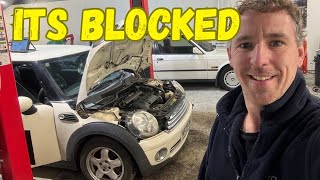
- Faulty or Clogged VVT Solenoid (Very Common) — This electronically controlled valve directs oil to the camshaft actuators. It gets stuck, clogged with sludge at its filter screen, or fails electronically. This is a highly frequent failure for Peugeot, BMW, and MINI models. 🎬 See how to clean a blocked or stuck Vanos solenoid
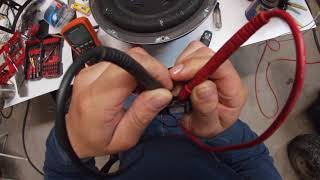
- Faulty Fuel Injector (Very Common) — On VW/Audi vehicles where P1007 indicates a torque imbalance, a fuel injector that is clogged, leaking, or electrically failed is the primary cause. 🎬 Watch: How to replace a faulty TDI fuel injector This forces cylinder 4 to produce less power, triggering the code.
- Damaged Wiring or Connectors (Common) — The wiring harness leading to the implicated component (VVT solenoid, fuel injector, or inertia switch) becomes frayed, corroded, or disconnected, interrupting the signal from the engine computer.
- Low Engine Compression (Less Common) — For codes related to torque differences (VW/Audi), low compression in cylinder 4 due to worn piston rings, valves, or a blown head gasket is the root mechanical cause. This must be ruled out before replacing expensive injectors.
- Worn Timing Components (Rare) — In high-mileage vehicles, a stretched timing chain or an incorrectly tensioned timing belt causes the camshaft position to fall out of sync or creates a slight loss of compression, setting this code.
- Faulty Powertrain Control Module (PCM) (Very Rare) — The engine computer itself has an internal fault, causing it to incorrectly report a P1007 code. Consider this only after exhaustively testing all wiring and mechanical components.
Symptoms

- Check Engine Light On — The primary sign is the check engine light illuminating. For VW diesels, the glow plug light also flashes.
- Rough Idle or Stalling — The engine runs unevenly, shakes at a stop, or stalls because the valve timing or cylinder power balance is incorrect for low-speed operation.
- Poor Acceleration and Power Loss — The car feels sluggish and lacks power under load because the engine cannot adjust its valve timing or is experiencing a cylinder power imbalance.
- Decreased Fuel Economy — When the VVT system fails or a cylinder has a torque issue, the engine burns fuel inefficiently, requiring more frequent fill-ups.
- Engine Shaking or Juddering — Specifically in vehicles like the VW T6, this code causes violent shaking during acceleration as the engine computer detects uneven power delivery.
- Increased Smoke from Exhaust — On diesel models, a faulty injector associated with P1007 leads to excessive black or white smoke from the exhaust due to unburnt fuel.
Diagnostic Flowchart
Tap your situation to follow the diagnostic path that matches what you're seeing on this code.
Common Fixes & Costs
- Engine Oil and Filter Change — Parts: $50-$100, Labor: $40-$80, ~0.5 hr book time (DIY)
- Replace or Clean VVT Solenoid
— Parts: $50-$250, Labor: $100-$200, ~1.2 hr book time
(Intermediate)
Peugeot 207 / MINI Cooper (1.6L Prince): OEM V758776080, 11368610388 (Alt: Vaico (V42-0629), Pierburg (7.09800.03.0))
BMW 3-Series (E90, N52/N54 Engine): OEM 11367585425 (Alt: Vemo (V22-87-0001), Febi Bilstein (102775)) - Replace Diesel Fuel Injector (VW/Audi)
— Parts: $350-$800, Labor: $200-$450, ~2.5 hr book time
(Advanced)
Volkswagen Transporter (T6, 2.0L TDI): OEM 04L130277BA (Alt: Bosch (0445116034), Delphi (28543147-12B1)) - Repair Damaged Wiring or Connector — Parts: $15-$60, Labor: $120-$250, ~1.5 hr book time (Intermediate)
- Replace Fuel Cutoff / Inertia Switch (Ford)
— Parts: $20-$60, Labor: $50-$120, ~0.8 hr book time
(DIY)
Ford F-150 / Fusion: OEM Requires VIN lookup (Alt: Standard Motor Products, Dorman)
Used vs. New Parts: Buying Guide
When a used part is worth it: For VVT solenoids, a used OEM part from a low-mileage vehicle is a cost-effective alternative to a new aftermarket part. For expensive diesel injectors, professionally remanufactured units offer a balance of cost and reliability.
Donor-vehicle mileage cap: roughly under 60000 miles for the part to have meaningful remaining life.
Donor quality checklist:
- Verify the exact OEM part number, as visually similar parts are not interchangeable.
- For injectors, choose 'remanufactured' over 'refurbished' or 'used', as remanufacturing involves full disassembly and replacement of worn components.
- Ask for a warranty; reputable sellers of remanufactured parts typically offer one.
Decision logic:
- If The part is a simple, low-cost electronic switch like a Ford inertia switch → Buy new; the cost savings for a used part are minimal and not worth the risk.
- If The part is a high-cost diesel injector for a high-mileage vehicle → A professionally remanufactured injector is a smart choice, offering new-like performance at a lower price.
- If The part is a VVT solenoid and budget is the primary concern → A used OEM part from a vehicle with under 60,000 miles is preferable to a new, unbranded aftermarket part of questionable quality.
Warranty tradeoff: Used parts typically have a 30-90 day warranty. Remanufactured injectors often come with a 1-year warranty. New OEM parts carry the manufacturer's warranty, typically 1-2 years.
Worst-case if a used part fails: $300-$800 if a used or faulty part fails after installation, requiring repeat labor costs plus the cost of another replacement part.
What Happens If You Wait — Timeline
- 0-1 month: VVT Engine: CEL on, brief rattle on cold start. TDI Engine: CEL on, slight rough idle. No major performance issues. (MPG impact: 0-5%% · Added cost: $0-$50 in wasted fuel)
- 1-4 months: VVT Engine: Rough idle is more consistent, noticeable hesitation and power loss. TDI Engine: Engine shaking under load becomes obvious, DPF begins to accumulate excess soot. (MPG impact: 5-15%% · Added cost: $50-$200 in wasted fuel)
- 4-8 months: VVT Engine: Poor oil pressure accelerates timing chain stretch, rattle becomes persistent. Risk of chain jumping increases. TDI Engine: DPF warning light comes on as it becomes clogged and cannot regenerate. Vehicle enters limp mode. (MPG impact: 10-20%% · Added cost: VVT: $1,500-$3,500 (imminent timing chain replacement). TDI: $250-$500 (forced DPF clean) + injector repair.)
- 8+ months: VVT Engine: Catastrophic failure. Timing chain breaks or jumps teeth, causing piston-to-valve contact. TDI Engine: DPF is physically damaged or completely blocked. Excess fuel washes out cylinder walls, damaging piston rings. (MPG impact: >20%% · Added cost: VVT: $4,000-$8,000 (engine replacement). TDI: $2,000-$4,000 (DPF replacement) + injector repair + potential engine damage.)
Cost of Not Fixing It
- 0-1 month: Noticeable drop in fuel economy (5-15%), rough idle, and poor acceleration. Increased stress on other engine components. (Added cost: Negligible, besides increased fuel cost.)
- 1-6 months (VW/Audi TDI): A faulty injector continuously sends excess soot to the Diesel Particulate Filter (DPF), causing it to become irreversibly clogged. This leads to DPF failure. (Added cost: $2,000-$4,000 for DPF replacement.)
- 6+ months (Peugeot/BMW VVT): Continued operation with a malfunctioning VVT system causes a stretched or damaged timing chain, potentially causing catastrophic engine failure if the chain jumps or breaks. (Added cost: $1,500-$3,500+ for timing chain replacement.)
Diagnosis Steps
- Verify Code Definition and Scan for Other Codes
Use a quality OBD-II scanner to confirm the exact definition of P1007 for your vehicle's make and year. Scan for companion codes. Codes like P0011 (Timing) or P0304 (Misfire Cylinder 4) provide critical clues to the root cause.
Tools: OBD-II Scanner (Beginner) - Check Engine Oil Level and Condition
For VVT-related definitions (Peugeot, BMW, MINI), ensure the engine oil is at the correct level and clean. Low or dirty oil is the #1 cause of VVT problems. If the oil is dark or sludgy, perform an oil change before further testing.
Tools: Shop Towel, Dipstick (Beginner) - Inspect Wiring and Connectors
Visually inspect the wiring harness and connector going to the component indicated by your vehicle's code definition (e.g., VVT solenoid, Cylinder 4 fuel injector). Look for broken wires, loose connections, corrosion, or oil contamination.
Tools: Flashlight (Beginner) - Test VVT Solenoid Electrically
For VVT faults, disconnect the solenoid and measure resistance across its pins. A healthy solenoid reads 8 to 12 Ohms. 'OL' means an open circuit; near zero means a short. Next, check the harness connector with the ignition on (engine off); one pin must have ~12V battery voltage.
Tools: Multimeter (Intermediate) - Test Diesel Injector Electrically
For VW/Audi torque faults, disconnect the cylinder 4 injector and measure resistance between its pins (should be 180-210 kOhms). Switch to continuity mode and test from each pin to the injector body. A beep indicates an internal short requiring replacement.
Tools: Multimeter (Advanced) - Monitor VVT Live Data
Using an advanced scan tool, monitor live data PIDs for the VVT system. Observe 'Commanded Camshaft Position' vs. 'Actual Camshaft Position'. A significant lag or a static 'Actual' value points to a problem with the solenoid, oil flow, or the phaser.
Tools: Advanced OBD-II Scanner (Advanced) - Test Ford Inertia Switch
For Ford-specific P1007 codes, disconnect the fuel cutoff switch and ensure it is reset. Measure resistance between the power input and output pins. A reading under 5.0 Ohms indicates proper function. 'OL' means the switch has failed.
Tools: Multimeter (Intermediate) - Perform Advanced Mechanical Testing
If electrical tests pass, inspect the mechanical side. For VW/Audi torque codes, perform a compression and leak-down test on cylinder 4 to rule out bad rings or valves before replacing an expensive injector. For VVT codes, remove the solenoid and check for sludge.
Tools: Compression Tester, Leak-Down Tester, Socket Set (Professional)
When This Code Triggers (Freeze-Frame Conditions)
- Engine Coolant Temp: 175-210°F (80-99°C) (Engine at full operating temperature.)
- Engine RPM: 1500-2500 RPM (Steady cruise or light acceleration.)
- Engine Load: 30-70% (Vehicle under moderate load, such as climbing a slight incline or accelerating to merge.)
- Vehicle Speed: 40-70 mph (64-113 km/h) (Highway or expressway driving.)
Related Codes
- P0011 — Means 'A' Camshaft Position Timing - Over-Advanced. If present with P1007 on a VVT engine, the P1007 electrical fault is causing the mechanical timing error reported by P0011.
- P0304 — Means 'Cylinder 4 Misfire Detected'. On a VW/Audi, the torque imbalance (P1007) causes poor combustion, which the PCM identifies as a misfire. P1007 is the cause; P0304 is the effect.
- P1014 — A Peugeot/Citroën code for 'Signal fault track 2 variable valve lift position sensor'. If seen with P1007, it indicates a comprehensive failure of the VVT position sensor system.
- P0010 — The generic OBD-II code for 'A Camshaft Position Actuator Circuit'. It is the generic equivalent of a manufacturer-specific VVT circuit code like BMW's P1007.
Climate & Environmental Factors
- Cold Weather / Cold Starts: VVT-related P1007 codes frequently trigger during a cold start. Cold, thick oil delays oil pressure reaching the VVT actuators, causing a brief rattle and prompting the ECU to detect a camshaft position discrepancy.
- High Humidity / Altitude: No direct correlation. The primary triggers for P1007 are mechanical or electrical, with oil condition being the most significant environmental factor.
How to Talk to a Mechanic About This Code
Say this: "For a VW/Audi TDI: 'I have a P1007 code, which indicates a torque difference on cylinder 4. I need a diagnosis starting with a compression test on that cylinder before discussing injector replacement.' For a BMW/Peugeot: 'I have a P1007 code related to the VVT system. Please test the VANOS/VVT solenoid electrically and check its oil passages before quoting timing system repairs.' For a Ford: 'My Ford has a P1007 code for the fuel cutoff circuit. Please test the inertia switch and its wiring for continuity and correct voltage.'"
This signals you have done your research and guides the mechanic toward a logical, cost-effective diagnostic path. It prevents them from jumping to the most expensive conclusion, like replacing a fuel injector when the problem is low compression.
Avoid saying:
- 'Just fix whatever's wrong'
- 'My check engine light is on, can you look at it?'
- 'I think my [incorrect part] is bad.'
- 'Just do whatever you think is best.'
Questions to ask before authorizing the repair:
- For VW/Audi: What were the specific compression readings for each cylinder? Did you perform an injector leak-back test?
- For BMW/Peugeot: What was the resistance of the VVT solenoid? Did you see clean oil passages and a clean filter screen?
- For any repair: Will the new part be OEM, aftermarket, or remanufactured?
- Will you need to perform any software updates or coding after the part is replaced?
- What is the warranty on the parts and labor for this specific repair?
Where to Take It: Dealer vs Independent vs Chain
- Dealer:
Best for: Vehicles still under powertrain or emissions warranty., Complex diagnostics on newer German brands (BMW, Audi, VW) requiring proprietary software updates or tools.
Downsides: Significantly higher labor rates (1.5-2x) and parts costs., Recommends larger, more expensive assembly replacements instead of targeted repairs. (Typical cost: +50% vs. baseline) - Independent Shop:
Best overall fit, provided it's a reputable shop specializing in European makes. For a Ford-specific P1007, a general independent shop is sufficient.
Best for: Out-of-warranty European vehicles where you can find a trusted specialist., Most P1007 causes, from VVT solenoids to injector swaps and compression tests., Building a relationship with a mechanic who knows your car's history.
Downsides: Quality and expertise vary widely; a general shop lacks the specific tools for German VVT or TDI systems. (Typical cost: +0% vs. baseline) - Chain Shop:
AVOID for P1007 diagnosis and repair. The complexity and manufacturer-specific nature of this code are a poor match for their business model.
Best for: Simple, unrelated maintenance like oil changes or tire rotations.
Downsides: Technicians lack the specialized knowledge for any variant of P1007., High pressure to upsell and a high risk of misdiagnosis. (Typical cost: -10% vs. baseline)
When to Walk Away From the Repair
If the estimated repair cost exceeds 50% of the car's private-party value, seriously consider selling or trading it in.
- Car worth $3500, fix is $2200: Walk away. The repair cost is over 60% of the car's value. The money is better put toward a replacement vehicle.
- Car worth $15000, fix is $750: Fix it. The repair cost is only 5% of the vehicle's value and is a smart investment in its reliability.
- Car worth $8000, fix is $4000: Borderline. This is a 50% cost-to-value ratio. Get a second opinion. If the rest of the car is in excellent shape, it is worth it. If other major repairs are looming, walk away.
What Scan Tool You Need for This Code
Minimum: A scanner that reads manufacturer-specific definitions for P1007 and views live sensor data (e.g., commanded vs. actual cam position for VVT faults).
A basic $20 code reader only shows 'P1007' with no definition, leaving you blind. It cannot perform the live data analysis required for a VVT diagnosis or the special functions needed for injector coding.
Budget: BlueDriver Pro (~$100) — Connects to your phone via Bluetooth. It reads the manufacturer-specific definition of P1007, clears codes, and displays live data, which is essential for diagnosing VVT issues.
Mid-range: Foxwell NT510 Elite (~$180) — A powerful handheld unit. For VVT faults, it offers bi-directional control to test the solenoid. For VW/Audi, it performs injector coding after a replacement, a required function.
Professional: Autel MaxiCOM MK808 / MK808BT (~$450-550) — A professional-level tablet scanner. It offers full bi-directional control, all system diagnostics, and advanced service functions like injector coding and DPF regeneration.
Rent vs buy: For a one-time fix, some auto parts stores rent scanners, but verify their model reads manufacturer-specific codes and live data. Buying a capable tool like the BlueDriver or Foxwell NT510 is a better investment, saving you from a costly misdiagnosis.
How to Clear the Code After You Fix It
- Use an OBD-II scan tool to clear the diagnostic trouble codes (DTCs).
- Reconnect the battery if it was disconnected for the repair.
- Perform a complete drive cycle to allow the vehicle's readiness monitors to run.
Drive cycle (~30 minutes): A general drive cycle involves: a cold start (engine temp below 122°F), 2-3 minutes of idling, 15 minutes of mixed city/highway driving including steady speeds of 55-60 mph, and several slow decelerations without braking. The goal is to run all onboard diagnostic tests.
Readiness monitors affected: Comprehensive Component Monitor, Misfire Monitor, Catalyst (CAT) Monitor, Oxygen (O2) Sensor Monitor
Before emissions retest: drive at least 50 miles to fully set monitors.
Watch out for:
- Simply clearing the code or disconnecting the battery resets the readiness monitors to 'Not Ready', causing an automatic failure at an emissions testing station.
- The code returns within a few drive cycles if the underlying mechanical or electrical fault has not been properly repaired.
Will This Fail Emissions / State Inspection?
Yes — this code typically fails an OBD-II emissions inspection.
- California: An active Check Engine Light is an automatic failure. After repair, most 2000+ gasoline vehicles can only have the EVAP monitor incomplete to pass. Complete a full drive cycle before re-testing.
- New York: An illuminated Check Engine Light causes an automatic failure. Clearing the code right before the test also results in a failure because the readiness monitors will be 'Not Ready'.
- Texas: In counties requiring emissions testing, an active Check Engine Light is an automatic fail. For model years 2001 and newer, only one readiness monitor is allowed to be 'Not Ready' to pass.
Most Commonly Affected Vehicles
- Peugeot 207, 308 (2006-2014) — Extremely common on models with the 1.6L Prince engine. P1007 relates to the VVT system and is highly sensitive to oil level and quality.
- Citroën C3, C4, DS3 (2007-2015) — Shares the Prince engine with Peugeot/MINI, making it equally susceptible to P1007 VVT faults.
- Volkswagen Transporter (T6) (2015-2024) — On 2.0L TDI models, P1007 means 'Torque Difference Cylinder 4'. It is most commonly caused by a faulty fuel injector or loss of engine compression.
- BMW 3-Series (E90, F30), 1-Series, X3 (2006-2018) — P1007 means 'Variable valve timing (VVT), bank 1 - sensor circuit'. The most common repair is replacing the VANOS solenoid.
- MINI Cooper, Cooper S, Clubman, Countryman (2007-2016) — Uses the Peugeot/Citroën-developed Prince engine and suffers from identical P1007 VVT solenoid and timing chain issues.
- Audi A3, A4, Q5 (2014-2024) — On 2.0L TDI engines, P1007 shares the VW definition of 'Torque Difference Cylinder 4', pointing to an injector or compression problem.
- Ford Various Models (F-150, Fusion, Edge) (2004-2024) — P1007 often points to a fuel system issue, such as 'Fuel Cutoff Valve A Control Circuit High' or a fault with the inertia switch circuit.
- Chrysler/Dodge/Jeep Various Models (2005-2024) — P1007 is typically defined as 'EGR/EVAP Solenoid Circuit High', an issue related to the emissions control system.
Manufacturer-Specific Notes

- Peugeot/Citroën/MINI (Prince Engine): P1007 specifically points to a problem with the VVT control or position sensor signal. These engines are notoriously sensitive to oil level and quality.
- BMW: P1007 points to a fault in the VANOS system, usually the solenoid or its wiring. VANOS is simply BMW's trade name for VVT.
- Volkswagen/Audi (TDI Engines): P1007 means 'Torque Difference Cylinder 4: Limit Value Exceeded'. This is a cylinder power balance issue, most often caused by a bad injector or low compression, not a timing fault.
- Ford: P1007 is unrelated to valve timing. It is defined as 'Fuel Cutoff Valve A Control Circuit High', relating to a fault in the inertia switch circuit.
- Chrysler/Dodge/Jeep: P1007 is defined as 'EGR/EVAP Solenoid Circuit High', an issue related to the emissions system.
Real Owner Stories
2016 VW Transporter T6 (2.0 TDI) at 60k miles - The Misdiagnosis
Check engine light and flashing glow plug light came on, with violent shaking during acceleration. Mechanic read P1007 and a misfire on cylinder 4, then immediately replaced the #4 fuel injector.
What they tried:
- Replaced cylinder 4 fuel injector ($700 part + labor) - the code and shaking returned almost immediately.
Outcome: A second mechanic performed a compression test. The test revealed low compression in cylinder 4. The root cause was not the injector but worn piston rings. The owner faced an engine rebuild.
Lesson: For VW/Audi P1007, ALWAYS perform a compression test on the specified cylinder BEFORE replacing the expensive fuel injector. The code indicates a torque difference caused by lack of compression just as easily as by a bad injector.
2008 Peugeot 207 (1.6 Prince Engine) at 100k km - The Chain Reaction
Owner was diligent with 5,000 km oil changes. Despite this, the engine had a noisy startup rattle and sluggish performance.
What they tried:
- A mechanic proactively recommended replacing the entire timing chain kit (chain, guides, tensioner) as a preventative measure.
Outcome: Upon disassembly, the mechanic found the old timing chain was badly stretched and engine timing was significantly off. Replacing the full kit resolved the issue. The engine became quieter, and oil consumption was reduced.
Lesson: On Prince engines, a VVT-related code like P1007 is an early warning for timing chain wear. If you have high mileage and a persistent startup rattle, cleaning the solenoid is not enough; the chain itself requires replacement.
2007 BMW 328i (E90) at 85k miles - The Easy Fix
Car suddenly developed a rough idle, significant power loss, and stalled in the driveway. Check engine light was on with code P1007.
What they tried:
- Owner removed the two VANOS (VVT) solenoids, which were visibly dirty with oil gunk.
- The solenoids were thoroughly cleaned with brake cleaner and compressed air, then reinstalled with fresh O-rings.
Outcome: After clearing the codes, the car started immediately and idled smoothly. Power was restored, and the P1007 code did not return. Total cost was under $20.
Lesson: For BMW P1007, the most common cause is a dirty VANOS solenoid. Before spending hundreds on new parts, a 30-minute cleaning is a highly effective first step that often resolves the problem completely.
How to Prevent This Code From Triggering
- Use high-quality synthetic oil matching manufacturer specs (Every 5,000-7,500 miles) — Prevents oil sludge buildup, which is the primary cause of clogged VVT solenoid screens and passages, ensuring the hydraulic system functions correctly.
- Use a quality diesel fuel additive with detergents (PEA) and a cetane booster (Every 3,000-5,000 miles) — Detergents dissolve carbon deposits on diesel injector tips, ensuring a proper spray pattern and preventing the power imbalance that triggers P1007 on VW/Audi TDIs.
- Perform regular highway driving for diesel vehicles (At least 30 minutes weekly) — Sustained highway speeds allow the exhaust to get hot enough to trigger a passive DPF regeneration, burning off the soot that accumulates.
- Use a gentle engine flush product before an oil change (for VVT engines) (Every 30,000 miles or if sludge is suspected) — An engine flush dissolves accumulated sludge and varnish in oil passages that a normal oil change leaves behind, improving oil flow to VVT solenoids.
Frequently Asked Questions
My car has a P1007 code but it's not a Peugeot. What does it mean?
Verify the definition for your exact make and model using a manufacturer-specific scanner. On a VW diesel, it indicates a torque imbalance in cylinder 4, while on a Ford, it points to a fuel cutoff switch issue. Never assume the definition is identical across different car brands.
Can I fix P1007 myself?
Yes, if the cause is low oil, an accessible VVT solenoid, or a Ford inertia switch. However, if the code requires replacing a diesel fuel injector or performing engine compression testing, take it to a professional. These advanced repairs require specialized pullers and software coding.
Will an oil change fix a P1007 code?
An oil change fixes P1007 only if low or sludgy oil triggered a VVT fault on a Peugeot, BMW, or MINI. If the VVT solenoid has failed electronically or the code is for a non-VVT issue like a VW injector, fresh oil will not clear the code.
What is the most common misdiagnosis for P1007?
For VW/Audi, mechanics often replace a $600 fuel injector when the actual cause is low engine compression from worn piston rings. For Peugeot or BMW, shops frequently replace the VVT solenoid when the issue is simply a blown fuse or damaged wiring.
Is a VVT solenoid the same as a VANOS solenoid?
Yes, they are functionally identical components. VVT (Variable Valve Timing) is the generic engineering term, while VANOS is BMW's registered trademark for their specific VVT system.
Can a faulty injector from a P1007 code damage my DPF?
Yes. A leaking injector causes incomplete combustion, producing excessive soot that rapidly clogs the Diesel Particulate Filter (DPF). Ignoring this leads to irreversible DPF failure, a repair costing upwards of $2,000.
Why does the code definition change for different cars?
OBD-II codes starting with P0 are generic and identical across all vehicles, while P1 codes are manufacturer-specific. This allows automakers to monitor unique systems not covered by the generic standard, resulting in drastically different definitions for P1007.
Key Takeaways
- Verify your exact vehicle definition first: P1007 means a VVT fault on BMW/Peugeot, a cylinder 4 torque imbalance on VW/Audi, or a fuel cutoff issue on Ford.
- For European VVT engines, check your oil immediately; low or sludgy oil causes over 50% of P1007 codes and requires a $60-$120 oil change before replacing parts.
- On VW and Audi diesels, test cylinder 4 compression before spending $600+ on a new fuel injector to rule out internal engine damage.
- Do not drive with an active P1007 code for more than 100 miles; ignoring a faulty diesel injector destroys a $2,000 DPF, while VVT faults cause catastrophic timing chain failure.
Helpful Videos

Shop the Parts Behind P1007
Below are the parts most often responsible for code P1007, ranked by how frequently each one is the actual culprit (per the diagnosis above). Tap any to see what we have for your vehicle.


The information in this article is provided for general reference and educational purposes only. Vehicle specifications, procedures, and part compatibility can vary by production date, trim level, and region. Always consult your vehicle's factory service manual and verify part numbers before purchasing or performing repairs. Safety-critical components such as airbags, seat belts, and braking systems should be installed by a qualified professional.
- 🧭 Diagnostic Flowchart
- 🎬 Helpful Videos
- 🛍️ Shop This Part
- What Does P1007 Mean?
- Can I Drive With P1007?
- Common Causes
- Symptoms
- Common Fixes & Costs
- Used vs. New Parts: Buying Guide
- What Happens If You Wait — Timeline
- Cost of Not Fixing It
- Diagnosis Steps
- When This Code Triggers (Freeze-Frame Conditions)
- Related Codes
- Climate & Environmental Factors
- How to Talk to a Mechanic About This Code
- Where to Take It: Dealer vs Independent vs Chain
- When to Walk Away From the Repair
- What Scan Tool You Need for This Code
- How to Clear the Code After You Fix It
- Will This Fail Emissions / State Inspection?
- Most Commonly Affected Vehicles
- Manufacturer-Specific Notes
- Real Owner Stories
- 2016 VW Transporter T6 (2.0 TDI) at 60k miles - The Misdiagnosis
- 2008 Peugeot 207 (1.6 Prince Engine) at 100k km - The Chain Reaction
- 2007 BMW 328i (E90) at 85k miles - The Easy Fix
- How to Prevent This Code From Triggering
- Frequently Asked Questions
- My car has a P1007 code but it's not a Peugeot. What does it mean?
- Can I fix P1007 myself?
- Will an oil change fix a P1007 code?
- What is the most common misdiagnosis for P1007?
- Is a VVT solenoid the same as a VANOS solenoid?
- Can a faulty injector from a P1007 code damage my DPF?
- Why does the code definition change for different cars?
- Key Takeaways
- 🎟️ Get 5% Off