

P1026 on 2015-2020 Ford Edge: Engine Cooling System Faults and Fixes
On a 2015-2020 Ford Edge, code P1026 indicates a discrepancy between engine temperature sensors, often caused by a faulty EGR cooler on the 2.0L EcoBoost or a bad ECT sensor/wiring on both engines. This is a serious fault, confirmed by multiple TSBs, that can lead to coolant loss, white smoke, and severe engine damage if not addressed promptly.
- P1026 on a Ford Edge means the engine's temperature sensors disagree, pointing to a serious cooling system fault.
- On the 2.0L EcoBoost, the most likely cause is a leaking EGR cooler, a known issue covered by Ford TSBs.
- On the 2.7L EcoBoost, the cause is more likely a faulty ECT sensor or damaged wiring harness, also covered by TSBs.
- Symptoms include white smoke, coolant loss, and overheating warnings. Do not ignore them.
- Driving with this code is risky and can lead to severe and expensive engine damage.
What's Unique About the 2015-2020 Ford EDGE

For the 2015-2020 Ford Edge, this code has very specific and well-documented causes depending on the engine. On the 2.0L EcoBoost, P1026 is most frequently linked to a known issue with the Exhaust Gas Recirculation (EGR) cooler failing internally. Ford has issued multiple Technical Service Bulletins (TSBs) acknowledging that a leaking EGR cooler can introduce coolant into the intake and exhaust, causing erratic temperature readings, white smoke, and coolant loss. For the 2.7L EcoBoost, the code is more often associated with wiring harness issues near the temperature sensors, which can cause false overheating signals, as detailed in TSBs like SSM 48991 and SSM 47791.
Diagnostic Flowchart

Tap your situation to follow the diagnostic path that matches what you're seeing on this vehicle.
Symptoms You May Notice

- Check Engine Light (MIL) illuminated
- "Engine Coolant Over Temperature" warning on the dashboard.
- White smoke coming from the tailpipe, especially on startup.
- Low engine coolant level without visible external leaks.
- Engine running rough, misfiring, or stalling at idle.
- Cooling fans running constantly at high speed
- Smell of coolant from the exhaust.
- Heat not working correctly inside the cabin.
- Replacing the thermostat without diagnosing the cooling system. While a thermostat can cause overheating, P1026 specifically points to a sensor discrepancy. On the 2.0L, this is more often the EGR cooler, and on the 2.7L, it's often the sensor wiring.
- Replacing only the ECT sensor without inspecting the wiring harness. TSBs repeatedly point to the wiring and connectors as the root cause, meaning a new sensor will not fix the problem.
Most Likely Causes

- Leaking EGR Cooler (2.0L EcoBoost) 🔴 High Probability → Shop Exhaust Gas Recirculation (EGR) Valve This is a well-documented issue on the 2.0L EcoBoost engine, as confirmed by Ford TSBs 20-2234 and SSM 48345. The cooler can fail internally, leaking coolant into the exhaust and intake systems. Forum users on Ford Edge Forum and Reddit have shared experiences of this exact failure causing coolant loss and white smoke.
How to confirm: Pressure test the cooling system. Inspect the intake and EGR components for the presence of coolant. White smoke from the exhaust is a strong indicator. A mechanic can also use a borescope to check cylinders for coolant after the engine has sat overnight.
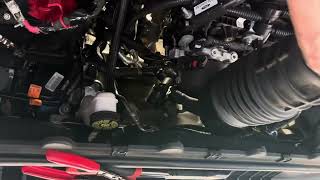
Typical fix: Replace the EGR cooler and all associated gaskets. The PCM software may also need to be updated per TSB 20-2234. A YouTube video shows the complexity of the job, which involves removing the catalytic converter and airbox for access. 🎬 Watch this step-by-step walkthrough of the EGR cooler replacement.
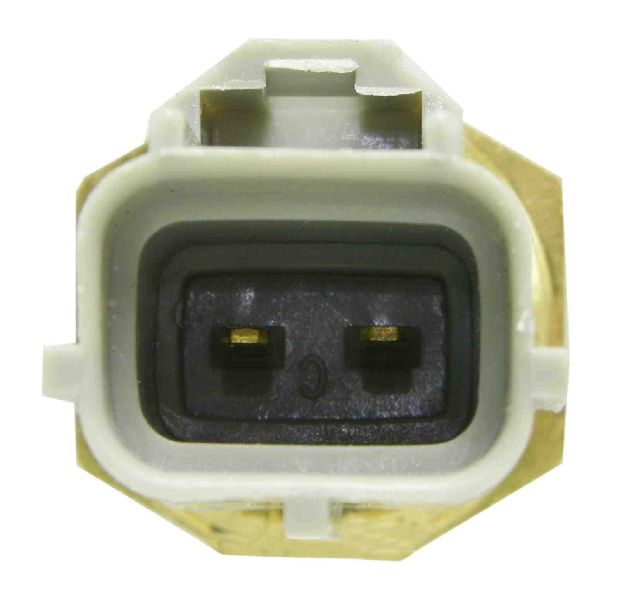
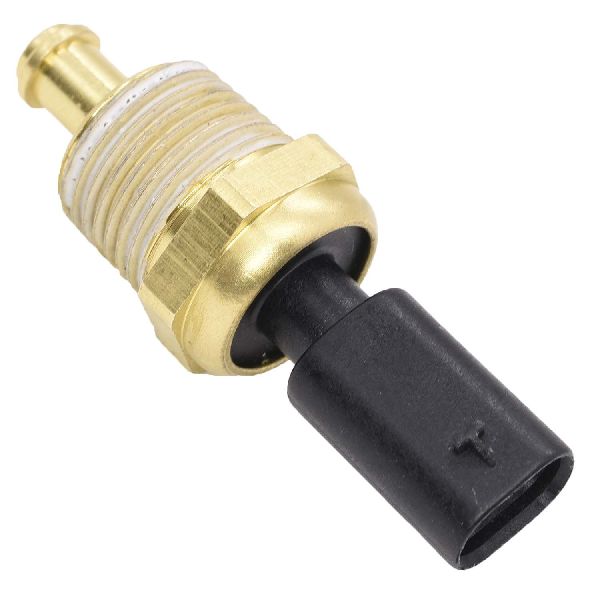
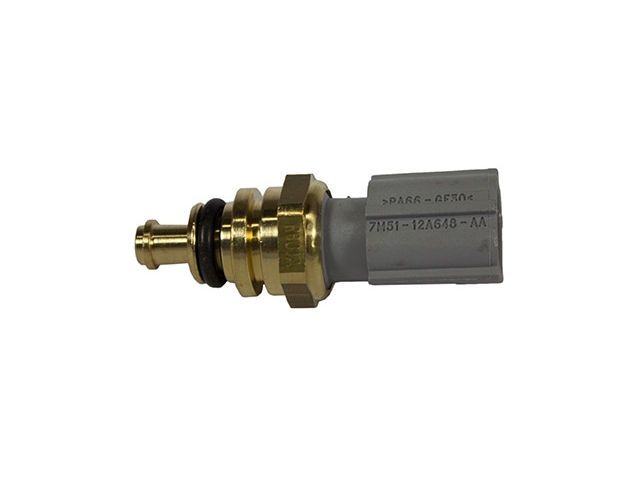
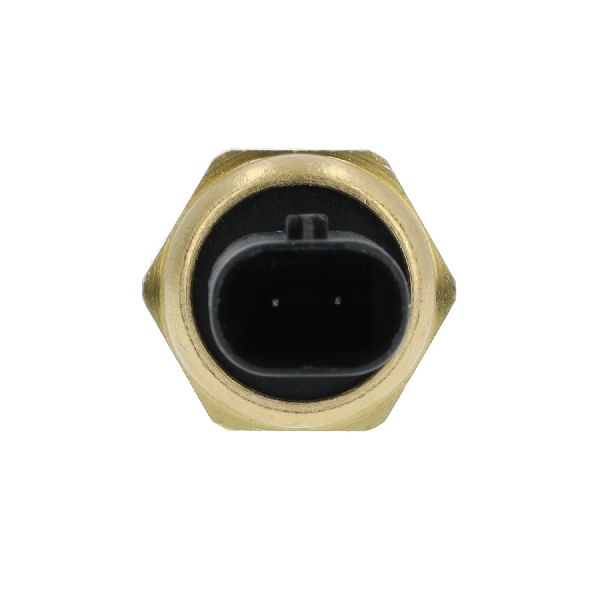
Est. part cost: $150-$300 - Faulty Engine Coolant Temperature (ECT) Sensor or Wiring (Both Engines) 🟡 Medium Probability → Shop Engine Coolant Temperature Sensor TSBs SSM 48991, SSM 47791, and SSM 46906 point to issues with the ECT sensor wiring harness or connector being damaged, poorly seated, or corroded, leading to incorrect signals. This is a more common cause on the 2.7L engine.
How to confirm: Visually inspect the ECT sensor connector and wiring harness for damage, especially between specified connectors like C1016 and C1168 as noted in TSB 47791. Use a scan tool to monitor live ECT data for erratic or illogical readings. Test the sensor's resistance with a multimeter.
Typical fix: Replace the ECT sensor. If the connector is damaged, a new pigtail connector will need to be spliced in. TSB 48991 for the 2.7L engine also recommends replacing the knock sensor (part 12A699) and its harness along with the ECT sensor.
Est. part cost: $25-$75 - Low Engine Coolant (from other leaks) ⚪ Low Probability While not a root cause of P1026 itself, the 2.0L EcoBoost is subject to a class-action lawsuit for coolant intrusion into the cylinders due to the engine block design, which can cause low coolant levels. This can create air pockets and trigger the sensor mismatch code.
How to confirm: Check the coolant reservoir. If low, top it off and perform a cooling system pressure test to find the source of the leak. Check the oil for a milky appearance, which indicates coolant contamination.
Typical fix: Find and repair the source of the coolant leak (e.g., radiator, hoses, water pump, or internal engine block issue), then properly fill and bleed the cooling system.
Est. part cost: $20-$5000+
Rare But Worth Checking
- Faulty Cylinder Head Temperature (CHT) Sensor: Though less common than ECT sensor issues, the CHT sensor itself can fail, providing an incorrect reading and causing the mismatch with the ECT sensor.
- Sticking Thermostat: A thermostat that is stuck closed can cause a rapid rise in temperature at the cylinder head that may not be immediately reflected by the ECT sensor, potentially triggering the code before a full overheat condition is registered.
Diagnosis Steps
- Verify the engine coolant level is correct. If it is low, top it off and check for obvious external leaks.
- Connect an OBD-II scanner and monitor live data for both the Engine Coolant Temperature (ECT) and Cylinder Head Temperature (CHT) sensors. Look for irrational values or a significant difference between the two.
- Perform a cooling system pressure test to check for leaks. If no external leaks are found, suspect an internal leak.
- For 2.0L engines with white smoke/coolant loss, the EGR cooler is the primary suspect per TSB 20-2234. Inspect the EGR system for coolant.
- For 2.7L engines, or if no EGR leak is found, visually inspect the wiring and connector for the ECT sensor. Look for any signs of damage, corrosion, or loose connections, as noted in TSBs SSM 48991 and SSM 47791. 🎬 Watch a mechanic explain these codes and the TSB fix.
- If wiring appears intact, test the ECT sensor itself with a multimeter to ensure its resistance changes correctly with temperature.
- If the cause is still not found, investigate for a potential head gasket leak or the coolant intrusion issue covered by the class-action lawsuit, especially on 2015-2018 2.0L models.
Parts You'll Likely Need
- EGR Cooler
(OEM #K2GZ-9F464-B)— A common failure point on the 2.0L EcoBoost engine leading to internal coolant leaks and triggering P1026, as documented in multiple TSBs. This part supersedes K2GZ-9F464-A.
Trusted brands: Motorcraft
OEM price range: $120-$250
Aftermarket price range: $100-$200 - Engine Coolant Temperature (ECT) Sensor
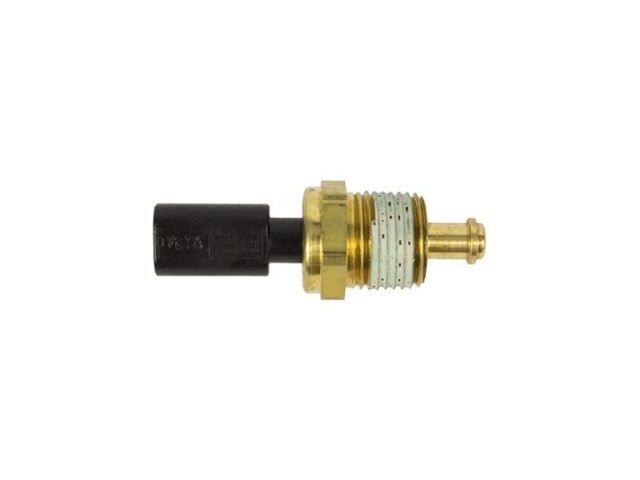
(OEM #9L8Z-6G004-E)— Can fail and provide inaccurate readings to the PCM, causing a mismatch with the CHT sensor. Also a common point of failure in the wiring harness.
Trusted brands: Motorcraft, Bosch, Walker Products
OEM price range: $35-$55
Aftermarket price range: $15-$40 - ECT Sensor Connector Pigtail — The wiring or connector itself can become damaged or corroded, requiring replacement to ensure a solid connection. This is a common failure noted in several TSBs.
Trusted brands: Motorcraft, Dorman
OEM price range: $30-$50
Aftermarket price range: $15-$30
Related Codes That Often Appear With This One
- P0217 — Indicates an Engine Coolant Over Temperature Condition, often triggered alongside P1026 as a direct result of the cooling system fault.
- P1299 — Indicates Cylinder Head Overtemperature Protection is active, a direct consequence of the conditions that trigger P1026.
- P0128 — Indicates Coolant Temperature is Below Thermostat Regulating Temperature, which can occur if the sensor readings are erratic or if coolant is being lost.
- P0116, P0117, P0118, P0119 — These codes all relate to the ECT sensor circuit performance, range, low input, or high input, pointing directly to a sensor or wiring fault as described in TSBs SSM 46906 and SSM 48991.
Technical Service Bulletins (TSBs) & Recalls
- TSB 20-2234: Addresses MIL illumination with P1026 due to EGR cooler or PCM software on 2.0L EcoBoost engines. 🎬 See a detailed follow-up on the EGR leak TSB.
- SSM 48345: Links P1026 to a leaking EGR Cooler on 2.0L EcoBoost engines.
- SSM 48991: Points to the engine coolant temperature (ECT) sensor or knock sensor wiring harness as a p
Platform-Specific Known Issues
- A class-action lawsuit has been filed regarding coolant leaking into the cylinders of various Ford EcoBoost engines, including the 2.0L in the 2015-2018 Edge. This defect can cause misfires, engine failure, and fires.
- TSB 20-2234 specifically addresses P1026 on 2019-2020 Edge 2.0L models, linking it to a faulty EGR cooler and/or PCM software, causing low coolant, white smoke, and overheating. A YouTuber documented the repair process, noting it took 3.3 book hours.
- TSB SSM 48345 also points to a leaking EGR Cooler on 2019 models with the 2.0L engine.
- TSB SSM 48991 identifies problems with the ECT sensor or knock sensor wiring harness as a cause for P1026 on 2.7L EcoBoost engines, recommending replacement of both sensors and their harness (causal part 12A699).
- TSB SSM 47791 and SSM 46906 cite a poorly seated or damaged ECT sensor connector or wiring as the cause for P1026 on 2.7L models, advising technicians to check specific harness connectors before replacing sensors.
Mechanic-Grade Diagnostic Values
- ECT/CHT Sensor Resistance (Cold Engine) — expected: Approximately 2000-3000 Ω at 20°C (68°F).. Failure: Significantly higher (open circuit) or lower (short circuit) resistance.
- ECT/CHT Sensor Resistance (Hot Engine) — expected: Approximately 200-300 Ω at 90°C (194°F).. Failure: Resistance does not drop as the engine warms, or is out of the expected range.
- CHT Sensor Signal Voltage (KOEO) — expected: Around 4.29 V at 86°F (30°C).. Failure: Voltage is stuck at 5V (open circuit) or near 0V (short circuit). A reading above 4.6V will set a circuit high code.
- CHT Sensor Signal Voltage (Operating Temp) — expected: Around 2.03 V at 194°F (90°C).. Failure: Voltage does not decrease as expected when the engine warms up.
Hidden / Shadow Codes Worth Checking
- Mode 6 Data: While no specific 'shadow codes' for P1026 are commonly documented, technicians can use a capable scan tool (like Forscan) to monitor Mode 6 data. This allows viewing of non-continuous monitor test results, which can reveal small discrepancies or intermittent faults in the ECT/CHT sensor circuits before they are severe enough to trigger a persistent DTC. (see via Use a scan tool with Mode 6 capabilities, such as Ford's IDS or the Forscan software.)
Scan Tool Commands That Help
- Ford IDS (Integrated Diagnostic System): Datalogger (PID Monitoring) — To simultaneously graph the CHT and ECT sensor voltage/temperature readings from a cold start to operating temperature. This allows for precise identification of when the sensor readings diverge, confirming the correlation fault.
- Ford IDS (Integrated Diagnostic System): Self-Test — Run a KOEO (Key On, Engine Off) and KOER (Key On, Engine Running) self-test to check for other related DTCs that may not have illuminated the MIL but are stored in the PCM.
- Ford IDS (Integrated Diagnostic System): Cooling System Degas — After replacing a component like the EGR cooler or ECT sensor, this service function can be used to aid in bleeding air from the cooling system to prevent air pockets that could cause future temperature discrepancies.
Wiring & Ground Locations
- ECT/Knock Sensor Harness (2.7L) — On the 2.7L EcoBoost, the ECT and knock sensor are often part of the same wiring harness. TSB SSM 48991 points to this harness as a primary failure point.. Damage or internal faults in this specific harness can cause the erratic sensor signals that trigger P1026. Ford's repair is to replace the entire harness assembly along with both sensors.
- Wiring Diagrams — Vehicle-specific wiring diagrams (available on services like Scribd or from Ford) are essential for tracing the ECT and CHT sensor circuits back to the PCM.. These diagrams provide pin numbers, wire colors, and the locations of crucial grounds and intermediate connectors (like C1016 and C1168 mentioned in TSBs) needed for continuity and voltage drop testing.
Real Owner Repair Stories
- YouTube user video (2019 Ford Edge 2.0L EcoBoost) — Low engine coolant level, coolant smell from exhaust, no visible external leaks.
✅ What actually fixed it The owner replaced the internally leaking EGR cooler. The repair was complex, taking over 4.5 hours and requiring removal of the catalytic converter, battery, and airbox for access. The OEM part cost was around $95. - YouTube mechanic video (2019 Ford Edge) — Engine light on, low coolant level, white smoke from the tailpipe.
✅ What actually fixed it The mechanic identified an internal leak in the EGR cooler. He notes this is a common issue on this platform and demonstrates the replacement, advising the use of magnetic 8mm sockets for the tight spaces behind the engine. - Ford Edge Forum user (2019 Ford Edge 2.0L EcoBoost) — Coolant loss with no visible external leaks.
✅ What actually fixed it The issue was confirmed to be a leaking EGR cooler, which the user notes is a known problem for the 2019+ models, distinct from the earlier engine block coolant intrusion issues.
OEM Part Supersession History
K2GZ-9F464-A→K2GZ-9F464-B— The original EGR cooler design was prone to internal leaks. The updated part is intended to be more robust.
Model Year Variations Within This Range
- 2015-2018: The 2.0L EcoBoost in these years is known for potential coolant intrusion into the cylinders due to the engine block design (subject of a class-action lawsuit). While this can cause coolant loss and trigger P1026, the root cause is different from the later models.
- 2019-2020: The 2.0L EcoBoost engine was updated. While less prone to the earlier block-design coolant intrusion, these models are highly susceptible to internal EGR cooler leaks causing identical symptoms (coolant loss, white smoke) and triggering P1026, as documented in TSB 20-2234.
Helpful Videos

We Have This Part in Stock


The information in this article is provided for general reference and educational purposes only. Vehicle specifications, procedures, and part compatibility can vary by production date, trim level, and region. Always consult your vehicle's factory service manual and verify part numbers before purchasing or performing repairs. Safety-critical components such as airbags, seat belts, and braking systems should be installed by a qualified professional.
- Ford EDGE:
- 🧭 Diagnostic Flowchart
- 🎬 Helpful Videos
- 🛍️ Shop This Part
- What's Unique About the 2015-2020 Ford EDGE
- Symptoms You May Notice
- Most Likely Causes
- Rare But Worth Checking
- Diagnosis Steps
- Parts You'll Likely Need
- Related Codes That Often Appear With This One
- Technical Service Bulletins (TSBs) & Recalls
- Platform-Specific Known Issues
- Mechanic-Grade Diagnostic Values
- Hidden / Shadow Codes Worth Checking
- Scan Tool Commands That Help
- Wiring & Ground Locations
- Real Owner Repair Stories
- OEM Part Supersession History
- Model Year Variations Within This Range
- 🎟️ Get 5% Off