

OBD-II Code P1048: Manufacturer-Specific Fault
The Ultimate Guide to P1048: What it means, why it triggers, and how to fix it for good
- P1048 is a manufacturer-specific code that means a VVT system fault on Hondas and BMWs, but signals a defective DEF injector on 2017-2019 GM 6.6L diesels.
- Check your engine oil level and condition immediately; low or sludgy oil causes over 50% of VVT-related P1048 codes.
- Do not replace the $200+ VVT solenoid without first inspecting its $20 filter screen gasket for sludge buildup.
- If you own a 2014-2015 Fiat 500, skip part replacements and request a $150 PCM software update per TSB 18-032-15 to permanently clear this code.
What Does P1048 Mean?
P1048 is a manufacturer-specific code with different definitions based on your car. Most commonly, it signals an electrical fault in the variable valve timing (VVT) system circuit (VTEC in Hondas, VANOS in BMWs). However, on 2017-2019 GM diesels, it indicates a defective diesel exhaust fluid (DEF) injector. On Dodge Cummins diesels, it points to a fuel delivery error, and on Mitsubishi PHEVs, it flags a hybrid control system fault.
Technical definition: As a manufacturer-specific code, there is no single universal SAE definition. Common definitions include: BMW: VVT-Control Circuit Low Input (Bank 1); Fiat: Cylinder 2 Oil Supply Solenoid Overcurrent; Chevrolet/GMC Diesel: Reductant Injector High Control Circuit Low Voltage; Dodge/Ram: Fuel Delivery Error; Volkswagen/Audi: Camshaft Position (CMP) Actuator Short to Positive; Hyundai/Kia: Bank 1 Camshaft Adjustment Valve 1 Short To Positive; Mitsubishi (PHEV): Rear motor shutdown circuit(2).
Can I Drive With P1048?
Yes, But With Caution. You can drive, but expect reduced engine power, a rough idle, and worse gas mileage. Get it checked within 100 miles. Prolonged driving with a severe VVT fault forces unburned fuel into the exhaust, destroying the catalytic converter—a repair costing $1,200 to $2,800.
Common Causes
- Low or Dirty Engine Oil (Very Common) — The VVT system uses hydraulic oil pressure to function. If the oil is low, the wrong viscosity, or turned to sludge from missed changes, the system fails. This is the number one cause of VVT-related codes.
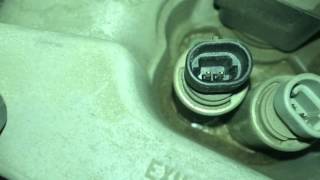
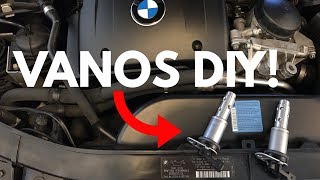
- Failed VVT / VTEC Solenoid (Common) — This electronic oil control valve directs oil flow. It fails electrically (open or shorted coil winding) or gets stuck internally, causing a circuit fault. 🎬 Watch: How to test and replace your VVT solenoid
- Clogged VVT Solenoid Filter Screen (Common) — The VVT solenoid features a small mesh filter integrated into its gasket. This screen clogs with engine sludge, starving the system of oil and triggering circuit or performance codes. 🎬 See how to replace a clogged VTEC solenoid gasket
- Damaged or Chafed Wiring Harness (Common) — Wires connecting to the VVT solenoid fray, corrode, or rub against engine brackets, wearing through the insulation and causing a short circuit. The plastic connector also becomes brittle and breaks.
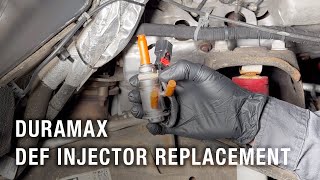
- Failed DEF Reductant Injector (GM Diesel Only) (Less Common) — On 2017-2019 GM 6.6L diesel trucks, this code points to a known defect in the Diesel Exhaust Fluid (DEF) injector circuit where internal electronics short out. 🎬 Watch this walkthrough on replacing a Duramax DEF injector
- Faulty VVT Oil Pressure Switch (Less Common) — This switch verifies adequate oil pressure for the VVT system. If it fails or leaks, it sends a false low-pressure signal to the ECU.
- Failed Eccentric Shaft Sensor (BMW) (Rare) — On BMWs with Valvetronic, oil leaks past seals and contaminates the eccentric shaft sensor, causing it to fail and trigger P1048.
- Stretched Timing Chain (Rare) — A stretched timing chain causes the camshaft's actual position to differ wildly from ECU expectations, triggering VVT circuit codes as a secondary symptom.
- Failed Powertrain Control Module (PCM) (Very Rare) — The internal driver circuit for the VVT solenoid inside the main computer burns out. Consider this only after ruling out all wiring and solenoid faults.
Symptoms
- Check Engine Light On — The malfunction indicator lamp (MIL) illuminates immediately when the fault is detected.
- Reduced Engine Power / Limp Mode — The vehicle feels sluggish, refuses to accelerate quickly, or enters a restricted-power limp mode.
- Rough or Unstable Idle — The engine shakes, stumbles, or runs unevenly when stopped at a light or in park.
- Poor Fuel Economy — With valve timing locked in a default position, the engine burns excess fuel, dropping MPG by 10% or more.
- Engine Rattle on Startup — A brief grinding noise occurs when starting a cold engine, indicating VVT components are starved of immediate oil pressure.
Diagnostic Flowchart
Tap your situation to follow the diagnostic path that matches what you're seeing on this code.
Common Fixes & Costs
- Engine Oil and Filter Change — Parts: $30-$80, Labor: $20-$50, ~0.5 hr book time (DIY)
- Replacing the VVT / VTEC Solenoid
— Parts: $50-$350, Labor: $75-$270, ~1.5 hr book time
(Intermediate)
Honda (Civic, CR-V, Accord): OEM {'part_number': '15810-RAA-A03', 'brand': 'Honda', 'estimated_price': '$180-$250'} (Alt: {"part_number": "918-056", "brand": "Dorman", "estimated_price": "$100-$150"})
BMW (N52/N54 Engines): OEM {'part_number': '11367585425', 'brand': 'BMW', 'estimated_price': '$230-$260'} (Alt: {"part_number": "11367585425", "brand": "Bosch", "estimated_price": "$150-$190"}) - Replacing the VVT Solenoid Gasket/Screen
— Parts: $15-$40, Labor: $50-$150, ~1.2 hr book time
(Intermediate)
Honda (K-Series Engines): OEM {'part_number': '15815-RAA-A02', 'brand': 'Honda', 'estimated_price': '$15-$25'} (Alt: {"part_number": "917-173", "brand": "Dorman", "estimated_price": "$10-$20"}) - Replacing DEF Reductant Injector (GM Diesel)
— Parts: $150-$300, Labor: $150-$250, ~1.5 hr book time
(Advanced)
Chevrolet/GMC 6.6L L5P: OEM {'part_number': '12670033', 'brand': 'ACDelco', 'estimated_price': '$180-$250'} - PCM Software Update (Fiat/GM) — Parts: $0, Labor: $100-$250, ~1 hr book time (Pro Only)
- Wiring Harness Repair — Parts: $5-$50, Labor: $150-$500, ~2.5 hr book time (Advanced)
DIY vs Professional
- Engine Oil and Filter Change 🟢 Beginner
Tools: Socket/wrench for drain plug, oil filter wrench, drain pan, funnel. - Replacing the VVT / VTEC Solenoid 🟢 Beginner
Tools: Basic socket set, ratchet, extensions, torque wrench, rags. - Wiring Harness Repair 🟢 Beginner
Tools: Multimeter, wire strippers, crimpers, heat shrink tubing, wiring diagrams. - PCM Software Update 🟢 Beginner
Tools: Manufacturer-specific diagnostic tool with programming subscription.
Used vs. New Parts: Buying Guide
When a used part is worth it: Buying a used VVT solenoid is not recommended due to high failure rates from oil contamination. However, it is acceptable for an older, high-mileage vehicle if sourced from a low-mileage donor.
Donor-vehicle mileage cap: roughly under 60000 miles for the part to have meaningful remaining life.
Donor quality checklist:
- Verify the donor vehicle was not scrapped due to engine or oil-related failures.
- Match the OEM part number exactly.
- Prefer OEM supplier brands (Hitachi, Bosch) over generic unbranded parts.
Decision logic:
- If Vehicle has under 100k miles and you plan to keep it → Buy a new OEM or high-quality OEM supplier part. The reliability is worth the cost.
- If Vehicle has over 150k miles and budget is tight → A used OEM part from a low-mileage donor is an acceptable risk.
- If The part is a cheap, no-name brand from an online marketplace → Avoid. These fail rapidly and do not meet OEM specifications.
Warranty tradeoff: Used parts offer a 30-90 day warranty. New aftermarket parts include 1-year warranties. New OEM parts carry a 12-month/12,000-mile warranty.
Worst-case if a used part fails: $200-$400 if a cheap part fails, requiring you to pay for labor a second time.
What Happens If You Wait — Timeline
- 0-1 month: Check Engine Light is on. Slight drop in fuel economy and unstable idle when cold. (MPG impact: 3-5%% · Added cost: $10-$25 in wasted fuel)
- 1-3 months: Engine becomes sluggish. Rough idling is pronounced. Fuel economy drops significantly. (MPG impact: 5-10%% · Added cost: $50-$150 in wasted fuel)
- 3-6 months: High risk of catalytic converter damage. Unburned fuel superheats and melts the catalyst substrate. (MPG impact: 10-15%% · Added cost: $1200-$2800 for catalytic converter replacement)
- 6+ months: Catastrophic engine damage. A stuck VVT system stresses the timing chain, causing piston-to-valve contact. (MPG impact: 15-25%% · Added cost: $3000-$7000+ for major engine repairs)
Cost of Not Fixing It
- 0-1 month: Noticeable drop in fuel economy (5-10%), rough idle, and poor acceleration. (Added cost: $20-$50 per month in extra fuel costs.)
- 1-6 months: High risk of overheating and melting the catalytic converter due to unburned fuel entering the exhaust. (Added cost: $1200-$2800 for catalytic converter replacement.)
- 6+ months: Severe internal engine damage. Incorrect valve timing stresses the timing chain and camshaft components, leading to catastrophic failure. (Added cost: $2000-$5000+ for timing chain or cylinder head repairs.)
Diagnosis Steps
- Check Engine Oil Level and Condition
Pull the dipstick, wipe it, re-insert it, and check the level. Top it off if low. If the oil is dark, thick, or sludgy, perform an immediate oil and filter change.
Tools: Rag or paper towel (Beginner) - Scan for Additional Trouble Codes
Use an OBD-II scanner to check for other codes. Diagnose oil pressure codes (P0520-P0524) or camshaft position codes (P0010-P0025) first, as they often trigger P1048.
Tools: OBD-II Scanner (Beginner) - Inspect VVT Solenoid, Screen, and Wiring
Locate the VVT solenoid. Inspect the electrical connector and wires for fraying or oil contamination. Remove the solenoid (usually 1-3 bolts) and inspect the small mesh screen on the gasket for sludge. Clean or replace if clogged.
Tools: Flashlight, socket set, ratchet (Intermediate) - Test VVT Solenoid Resistance
With the engine off, disconnect the solenoid. Use a multimeter set to Ohms (Ω) to measure resistance between the two pins. A healthy solenoid reads between 5 and 15 ohms (up to 30 ohms on some Hondas). A reading of infinity (OL) means an open circuit; near zero means a short. Replace if out of spec.
Tools: Multimeter (Intermediate) - Check Reference Voltage and Ground
Turn the key ON (engine off). Disconnect the solenoid connector. Set the multimeter to DC Volts. Probe the connector terminals. One must show a reference voltage (5V or 12V) and the other must be ground (~0V). Missing voltage indicates a wiring or PCM fault.
Tools: Multimeter (Advanced) - Perform a Voltage Drop Test
Connect the multimeter's positive lead to the solenoid's ground wire at the connector and the negative lead to the battery's negative post. With the engine running, the reading must be under 0.2 volts (200mV). Higher readings indicate a bad ground connection.
Tools: Multimeter with long leads (Advanced) - Check Engine Oil Pressure
Remove the oil pressure switch and connect a mechanical gauge. Verify pressure hits 20-30 PSI at idle and 40-60 PSI at 2000 RPM. Low pressure confirms a failing oil pump or severe internal wear, not a VVT electrical fault.
Tools: Mechanical oil pressure gauge, socket set (Advanced) - Analyze VVT Live Data PIDs
Using an advanced scan tool, monitor 'Commanded vs. Actual Camshaft Position'. At idle, both should be near 0 degrees. While revving, the actual angle must follow the commanded angle without lag. Significant lag points to a clogged screen or failing cam phaser.
Tools: Advanced OBD-II Scan Tool with Live Data (Advanced)
When This Code Triggers (Freeze-Frame Conditions)
- Engine Coolant Temp: 180-200°F (The fault logs when the engine is fully warmed up and oil viscosity is stable.)
- Engine RPM: 1500-2500 RPM (Occurs during steady-state cruise or light acceleration when the ECU actively commands VVT adjustments.)
- Engine Load: 30-60% (Moderate engine load requires active VVT, making it the primary window for ECU diagnostic checks.)
Related Codes
- P0011 — P0011 is a performance code meaning the final timing position is incorrect. P1048 is an electrical circuit code. An electrical fault (P1048) causes a performance fault (P0011), so diagnose P1048 first.
- P2646 — P2646 suggests a physically stuck valve or hydraulic problem. P1048 points to an electrical circuit fault. Test electrically for P1048; inspect physically for P2646.
- P0521 — P0521 indicates a faulty main engine oil pressure sensor. Because the VVT system relies on oil pressure, a bad main sensor triggers P1048 as a secondary code. Always fix P0521 first.
Climate & Environmental Factors
- Cold Weather: Cold temperatures thicken engine oil, slowing the hydraulic operation of the VVT system on startup and triggering performance codes. For GM diesels, extreme cold freezes DEF fluid, triggering emissions faults.
- Short-Trip Driving: Frequent short trips prevent the engine from reaching full operating temperature. This traps moisture and fuel in the oil, rapidly accelerating the sludge formation that clogs VVT screens.
- High Heat / Severe Conditions: Towing or operating in extreme heat accelerates oil oxidation, creating varnish deposits that stick to and jam VVT solenoids.
How to Talk to a Mechanic About This Code
Say this: "I have a P1048 code on my [Make, Model, Year]. I know this is a manufacturer-specific code pointing to the [VVT system/GM DEF injector/Fiat MultiAir system]. Please start by checking [the oil level and condition/for TSBs related to software updates/the DEF injector serial number against TSB 22-NA-014] before recommending major part replacements."
This signals you are informed. It directs the technician to the most common and vehicle-specific causes first, preventing them from wasting time on incorrect diagnostic paths.
Avoid saying:
- 'My check engine light is on, can you just fix it?'
- 'I think I need a new VVT solenoid.'
- 'Just do whatever you think is best.'
Questions to ask before authorizing the repair:
- Did you verify the code's specific definition for my vehicle?
- If it's a VVT issue, did you test the solenoid's electrical resistance and inspect the filter screen for sludge?
- For a Fiat, did you confirm the PCM has the latest software version available?
- For a GM Diesel, did my VIN and DEF injector serial number match the TSB for defective parts?
Where to Take It: Dealer vs Independent vs Chain
- Dealer:
Recommended for Fiat, GM Diesel, BMW, and Mitsubishi PHEV variants of this code, as they require specific TSBs, software, and specialized training.
Best for: Vehicles under warranty, Manufacturer-specific TSBs like the Fiat software update or GM DEF injector check, Complex systems like BMW Valvetronic or Mitsubishi PHEV faults
Downsides: Higher labor rates (often 40-60% more than independent shops), May recommend replacing a whole assembly when a smaller component is the true cause (Typical cost: +50% vs. baseline) - Independent Shop:
Good fit for common VVT-related versions of P1048, provided the shop uses professional diagnostic software like Alldata.
Best for: Out-of-warranty vehicles with common VVT-related P1048 codes (Honda, VW, Hyundai), Basic electrical diagnosis and part replacement
Downsides: May not be aware of specific TSBs for Fiat/GM, Less experience with brand-specific complex systems (Typical cost: +0% vs. baseline) - Chain Shop:
AVOID for diagnosing P1048. The complexity of this code is a poor match for the chain shop model.
Best for: Simple maintenance like an oil change
Downsides: Technicians are unlikely to know the manufacturer-specific nature of P1048, High risk of misdiagnosis (Typical cost: -10% vs. baseline)
When to Walk Away From the Repair
If the estimated repair cost exceeds 50% of your car's private-party value, seriously consider selling or trading in the vehicle instead of repairing it.
- Car worth $4000, fix is $2200: Walk away. The repair cost is over 50% of the car's value.
- Car worth $15000, fix is $750: Fix it. The repair cost is only 5% of the vehicle's value.
- Car worth $3000, fix is $450: Borderline, but likely worth fixing. Consider the car's overall condition before proceeding.
What Scan Tool You Need for This Code
Minimum: A scanner that reads manufacturer-specific codes and displays live data PIDs (Commanded vs. Actual camshaft position).
A basic $20 code reader only shows the 'P1048' number, not its specific meaning for your car or the live data needed to determine if the fault is electrical or mechanical.
Rent vs buy: Free loaner tools from auto parts stores lack the live data needed for a proper P1048 diagnosis. Buying a mid-range tool is a better investment to avoid misdiagnosis.
How to Clear the Code After You Fix It
- Use an OBD-II scan tool to clear the diagnostic trouble code.
- Perform a complete drive cycle to allow the vehicle's readiness monitors to reset.
Drive cycle (~30 minutes): A generic drive cycle includes: 1) A cold start after sitting for 8+ hours. 2) 3 minutes of idling with A/C on. 3) 15 minutes of mixed city/highway driving at steady speeds around 55 mph. 4) Several slow-downs without aggressive braking.
Readiness monitors affected: Catalyst Monitor, Oxygen (O2) Sensor Monitor, EGR/VVT System Monitor
Before emissions retest: drive at least 100 miles to fully set monitors.
Watch out for:
- Disconnecting the battery clears the code but resets all readiness monitors to 'Not Ready', causing an automatic emissions test failure.
- The code returns immediately if the underlying issue (dirty oil, bad solenoid) is not repaired.
Will This Fail Emissions / State Inspection?
Yes — this code typically fails an OBD-II emissions inspection.
- California: An illuminated Check Engine Light is an automatic failure. After repairs, a full drive cycle must be completed to set readiness monitors before a retest.
- New York: If the Malfunction Indicator Lamp (MIL) is on for any reason, the vehicle automatically fails the emissions portion of the test.
- Texas: In the 17 counties requiring emissions testing, a vehicle fails if the OBD-II scan detects any active DTCs.
Most Commonly Affected Vehicles
- BMW 3-Series (E90), X3 (E83), 1-Series (E82) (2004-2013) — Points to a fault in the Valvetronic or VANOS system. Common failures include the VANOS solenoid or eccentric shaft sensor.
- Honda Civic, Accord, CR-V, Element (2002-2011) — Frequently triggered by a clogged VTEC solenoid gasket screen (P/N 15815-RAA-A02) or a failed VTEC oil pressure switch.
- Chevrolet / GMC Silverado 2500/3500, Sierra 2500/3500 (2017-2019) — Points to a specific fault with the DEF reductant injector circuit. Check TSB 22-NA-014 for free warranty replacement eligibility.
- Fiat 500, 500L (2014-2015) — Indicates an electrical overcurrent in the MultiAir actuator. Per TSB 18-032-15, a PCM software update fixes this without replacing parts.
- Volkswagen / Audi Jetta, Golf, A4, GTI (2008-2015) — Defined as 'Camshaft Position Actuator Short to Positive', pointing to a failed camshaft adjustment valve (N205).
- Dodge Ram 2500/3500 (2003-2007) — Defined as a 'Fuel Delivery Error' on 5.9L Cummins diesels. Caused by failing lift pumps or fuel control actuators (FCA).
- Mitsubishi Outlander PHEV (2014-2022) — Defined as 'Rear motor shutdown circuit(2)'. Indicates a fault in the hybrid control system requiring specialized diagnostics.
Manufacturer-Specific Notes
- General Motors (Chevrolet/GMC): For 2017-2019 diesel trucks, TSB 22-NA-014 states P1048 is caused by a defective batch of DEF reductant injectors. Dealers check the VIN and injector serial number; if they match, the injector is replaced under warranty.
- Fiat: On 2014-2015 Fiat 500s, a PCM software reflash (TSB 18-032-15) permanently fixes the problem without replacing the expensive $1,200 MultiAir actuator.
- BMW: On engines with identical intake and exhaust VANOS solenoids (N52/N55), swap them. If the fault code changes to the other camshaft bank (e.g., P1050), the solenoid is definitively bad.
- Honda: A clogged VTEC solenoid gasket screen is the primary culprit. This $20 part (P/N 15815-RAA-A02) solves the problem 80% of the time and must be replaced whenever the solenoid is serviced.
Real Owner Stories
2008 Honda CR-V at 120K miles - The Misleading Solenoid
Check Engine Light came on with a rough, stuttering idle. The owner replaced the entire $200 VTEC solenoid assembly hoping for a quick fix.
What they tried:
- Changed engine oil and filter.
- Replaced the entire VTEC solenoid assembly with a new part.
Outcome: The code persisted. The owner discovered the separate VTEC solenoid gasket (Honda P/N 15815-RAA-A02) was completely clogged with sludge. Replacing this $20 part solved the problem.
Lesson: Don't assume the expensive solenoid is bad. Always inspect and replace the cheap filter gasket first.
2012 BMW 328i (N52 Engine) at 110K miles - The Diagnostic Swap
Car went into limp mode with a P1048 code pointing to the intake VANOS solenoid.
What they tried:
- The owner swapped the positions of the identical intake and exhaust VANOS solenoids.
Outcome: After clearing codes, the fault returned as P1050 (exhaust solenoid). This confirmed the solenoid itself was faulty, not the wiring. A new $150 OEM-supplier solenoid fixed the issue.
Lesson: On BMWs with interchangeable VANOS solenoids, swapping them is a free diagnostic test that definitively confirms a bad solenoid.
2014 Fiat 500L at 65K miles - The Software Ghost
P1048 code appeared. A local shop quoted over $1,200 to replace the MultiAir actuator.
What they tried:
- The owner researched TSBs and took the car to a dealership.
Outcome: The owner requested the PCM software update outlined in TSB 18-032-15. The dealer performed the reflash for $150, permanently fixing the code.
Lesson: Always check for TSBs. A cheap software update often fixes codes that seem to indicate expensive hardware failures.
2018 GMC Sierra 2500 L5P Duramax at 67K miles - The DEFective Injector
Check Engine Light came on with P1048 ('Reductant Injector High Control Circuit Low Voltage').
What they tried:
- The dealer diagnosed high voltage at the connector and recommended a costly DEF injector replacement.
Outcome: The owner found TSB 22-NA-014 regarding a defective batch of DEF injectors. The dealer verified the serial number matched the bulletin and replaced it under warranty.
Lesson: For GM diesels, P1048 is not a VVT code. Check TSB 22-NA-014 first to see if you qualify for a free warranty replacement.
How to Prevent This Code From Triggering
- Use full synthetic oil that meets manufacturer specifications (Every oil change) — Full synthetic oil resists thermal breakdown and sludge formation, preventing clogged VVT solenoid screens.
- Follow 'severe' service oil change intervals (Every 3,000-5,000 miles) — Frequent short trips prevent the engine from burning off moisture. More frequent changes keep the oil clean.
- Replace VVT solenoid filter screens during other services (Every 60,000-80,000 miles) — Proactively replacing these cheap $20 gaskets prevents future clogs and codes.
Frequently Asked Questions
Can I fix P1048 myself?
Yes, if the cause is low oil or a failed VVT solenoid. Replacing the solenoid is a beginner-to-intermediate DIY job on many cars requiring basic hand tools. Stop and take it to a shop if electrical testing reveals a PCM or complex wiring harness fault.
Will changing my oil fix a P1048 code?
If the code triggers from low or sludgy oil, an oil and filter change fixes it. You must clear the code with a scanner afterward. If the light stays off after a 30-minute drive, the problem is solved.
What are common misdiagnosis mistakes for P1048?
The most common mistake is replacing the VVT solenoid without checking the engine oil level first. On Fiats, mechanics often replace the MultiAir actuator when only a $150 PCM software update is needed. On GM diesels, technicians might replace the DEF injector without checking if it falls under TSB 22-NA-014 for a free warranty replacement.
How much does it cost to fix P1048 at a shop?
Costs depend entirely on the root cause. A simple VVT solenoid replacement on a Honda costs $250 to $450, while a BMW VANOS repair runs $700 to $900. Complex issues like a Fiat MultiAir actuator replacement exceed $1,500.
Why does the code mean something different for my Chevy truck than for a Honda?
Codes starting with 'P1' are non-standardized and defined by each manufacturer. This allows automakers to create specific codes for unique systems. For example, GM uses P1048 for diesel emissions equipment, while Honda uses it for advanced valve timing systems.
What's the difference between a VVT solenoid and a VVT actuator?
The VVT solenoid is an electronically controlled valve that directs oil flow. The VVT actuator (cam phaser) is the mechanical gear on the camshaft that rotates to change the timing. The solenoid controls the actuator using oil pressure.
Is a PCM reflash for P1048 covered under warranty?
Yes, it often is. For the Fiat software issue, the fix falls under a Technical Service Bulletin (TSB). If your vehicle is within the 8-year/80,000-mile federal emissions warranty, the dealer performs this update for free.
My oil is clean and full, what else is it?
If the oil is perfect, the next most likely cause is an electrical failure in the VVT solenoid or its wiring. Test the solenoid's resistance with a multimeter. If resistance is out of spec, replace the solenoid.
Can the P1048 code be intermittent?
Yes. An intermittent P1048 stems from a loose connector, a frayed wire that shorts during engine vibration, or a failing VVT solenoid that sticks only when hot. These require careful visual inspection of the wiring harness to diagnose.
Key Takeaways
- P1048 is a manufacturer-specific code that means a VVT system fault on Hondas and BMWs, but signals a defective DEF injector on 2017-2019 GM 6.6L diesels.
- Check your engine oil level and condition immediately; low or sludgy oil causes over 50% of VVT-related P1048 codes.
- Do not replace the $200+ VVT solenoid without first inspecting its $20 filter screen gasket for sludge buildup.
- If you own a 2014-2015 Fiat 500, skip part replacements and request a $150 PCM software update per TSB 18-032-15 to permanently clear this code.
Helpful Videos

![Replacing BMW Vanos Solenoids [DIY]](https://img.youtube.com/vi/ZyAMAiBTco8/mqdefault.jpg)

Shop the Parts Behind P1048
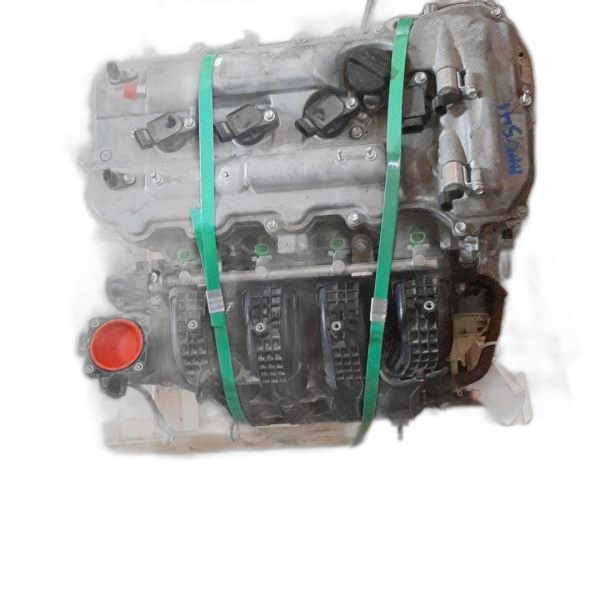
Below are the parts most often responsible for code P1048, ranked by how frequently each one is the actual culprit (per the diagnosis above). Tap any to see what we have for your vehicle.



The information in this article is provided for general reference and educational purposes only. Vehicle specifications, procedures, and part compatibility can vary by production date, trim level, and region. Always consult your vehicle's factory service manual and verify part numbers before purchasing or performing repairs. Safety-critical components such as airbags, seat belts, and braking systems should be installed by a qualified professional.
- 🧭 Diagnostic Flowchart
- 🎬 Helpful Videos
- 🛍️ Shop This Part
- What Does P1048 Mean?
- Can I Drive With P1048?
- Common Causes
- Symptoms
- Common Fixes & Costs
- DIY vs Professional
- Used vs. New Parts: Buying Guide
- What Happens If You Wait — Timeline
- Cost of Not Fixing It
- Diagnosis Steps
- When This Code Triggers (Freeze-Frame Conditions)
- Related Codes
- Climate & Environmental Factors
- How to Talk to a Mechanic About This Code
- Where to Take It: Dealer vs Independent vs Chain
- When to Walk Away From the Repair
- What Scan Tool You Need for This Code
- How to Clear the Code After You Fix It
- Will This Fail Emissions / State Inspection?
- Most Commonly Affected Vehicles
- Manufacturer-Specific Notes
- Real Owner Stories
- 2008 Honda CR-V at 120K miles - The Misleading Solenoid
- 2012 BMW 328i (N52 Engine) at 110K miles - The Diagnostic Swap
- 2014 Fiat 500L at 65K miles - The Software Ghost
- 2018 GMC Sierra 2500 L5P Duramax at 67K miles - The DEFective Injector
- How to Prevent This Code From Triggering
- Frequently Asked Questions
- Can I fix P1048 myself?
- Will changing my oil fix a P1048 code?
- What are common misdiagnosis mistakes for P1048?
- How much does it cost to fix P1048 at a shop?
- Why does the code mean something different for my Chevy truck than for a Honda?
- What's the difference between a VVT solenoid and a VVT actuator?
- Is a PCM reflash for P1048 covered under warranty?
- My oil is clean and full, what else is it?
- Can the P1048 code be intermittent?
- Key Takeaways
- 🎟️ Get 5% Off