

P1048 on 2015-2017 Chrysler 200 2.4L: Cylinder 2 Oil Solenoid Fault Causes and Fixes
P1048 on a 2015-2017 Chrysler 200 almost always means the entire MultiAir actuator assembly (the 'brick') has failed due to an internal short in the cylinder 2 solenoid. This is an expensive repair, with the OEM part costing over $1,100 and aftermarket options around $500+. The individual solenoids are not sold separately. Before replacing the brick, always verify the engine oil is the correct type (SAE 0W-20 full synthetic) and at the proper level, as the system is highly sensitive to oil condi
- P1048 specifically points to an electrical failure in the cylinder 2 valve control solenoid.
- The most common and probable fix is replacing the entire MultiAir actuator assembly, as the solenoids are not sold separately.
- Before replacing the expensive actuator, always check your engine oil level and ensure you are using the correct type (SAE 0W-20 full synthetic meeting Chrysler MS-6395).
- This code is often accompanied by a P0302 misfire code; fixing the P1048 fault will resolve the misfire.
- This is a costly repair, with OEM parts exceeding $1,100. Professional installation is recommended due to the complexity and need for a special tool.
What's Unique About the 2015-2017 Chrysler 200
The 2.4L MultiAir 'Tigershark' engine uses a unique valve actuation system licensed from Fiat. Unlike traditional engines with camshafts controlling intake valves directly, this system uses engine oil pressure, modulated by electronic solenoids, to open the valves. The solenoids are housed in a single, non-serviceable unit called the MultiAir actuator or 'brick'. An electrical failure in one solenoid, as indicated by P1048, forces the replacement of the entire expensive assembly because individual solenoids are not available for purchase.
Symptoms You May Notice
- Rough or unstable idle, especially on a cold start
- Engine stumbling or hesitation during acceleration
- Noticeable loss of engine power
- Engine misfiring, which may cause a flashing check engine light (often for cylinder 2, code P0302)
- Stalling when coming to a stop
- Illuminated check engine light
- Engine running in a limp mode with reduced performance
- Replacing only the spark plug or ignition coil for cylinder 2. While a P0302 misfire code is often present, the root cause is the P1048 valve control fault, not a failure in the ignition system.
Most Likely Causes
- Failed MultiAir Actuator Assembly ('Brick') 🔴 High Probability The oil supply solenoids are integrated into this single, non-serviceable unit, which is a known failure point on 2.4L MultiAir engines. An 'overcurrent' fault strongly points to an internal short circuit within the solenoid coil for cylinder 2. This is the most common cause of this specific code.
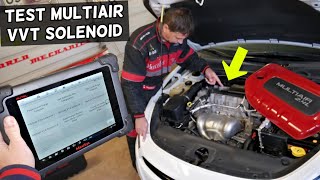
How to confirm: After confirming the wiring is intact and oil level/type are correct, the definitive diagnosis is the failure of the actuator itself. A technician can use a scan tool to monitor the solenoid command vs. actual state, but the most common diagnosis is by exclusion of other causes. A bidirectional scan tool can be used to perform an active test on the solenoid; an absent or weak click compared to other cylinders indicates failure. 🎬 See how to test the MultiAir actuator solenoid yourself.
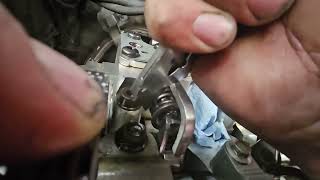
Typical fix: Replace the entire MultiAir actuator assembly and the valve cover gasket. An engine actuator spring compressor tool is required for the job. 🎬 Watch: A clever installation hack that doesn't require the specialty tool.
Est. part cost: $500-$1600 - Low, Dirty, or Incorrect Engine Oil 🟡 Medium Probability The MultiAir system is extremely sensitive to oil level, quality, and viscosity. The 2.4L Tigershark engine is also known for excessive oil consumption issues, which can lead to low oil levels. Using oil other than the specified full synthetic SAE 0W-20 can cause the solenoids and hydraulic passages to function improperly, potentially leading to stress and electrical faults.
How to confirm: Check the engine oil level and service history. Ensure the oil meets Chrysler's MS-6395 specification and is the correct viscosity (SAE 0W-20).
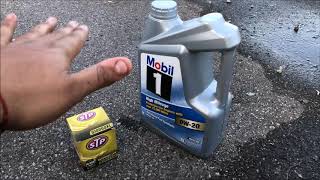
Typical fix: Perform an oil and filter change using the correct specification oil. Clear codes and see if the fault returns. This is a critical first step before replacing expensive parts. 🎬 Watch: How to perform a proper oil change on this engine. Also, consider cleaning or replacing the small MultiAir oil filter located in the cylinder head, as a clogged filter can restrict oil flow to the actuator.
Est. part cost: $40-$80 - Damaged Wiring Harness or Connector ⚪ Low Probability
How to confirm: Visually inspect the wiring harness leading to the MultiAir actuator. Check for any signs of chafing, melting, or corrosion on the connector pins. Perform a continuity and short-to-ground test on the wires for the cylinder 2 solenoid using a multimeter.
Typical fix: Repair the damaged section of the wiring harness or replace the connector pigtail.
Est. part cost: $20-$100
Rare But Worth Checking
- Failed Powertrain Control Module (PCM): → Shop Engine Control Module (ECM) This is extremely rare. The PCM's internal driver for the solenoid could fail, but this should only be considered after the MultiAir actuator and wiring have been definitively ruled out.
- Clogged MultiAir Oil Filter Screen: There is a small, cylindrical oil filter screen for the MultiAir actuator located in the cylinder head. If this screen becomes clogged with sludge or debris, it can starve the actuator of oil pressure, leading to various performance codes. Cleaning or replacing this filter is a good preventative measure during an oil change or actuator replacement.
Diagnosis Steps
- Verify the check engine light is on and scan for codes. Confirm P1048 is present, and note any other codes like P0302.
- Check the engine oil level and condition. If low, dirty, or of the wrong type, perform an oil and filter change with the correct full synthetic SAE 0W-20 oil meeting Chrysler MS-6395 specification.
- Clear the codes and test drive the vehicle to see if P1048 returns. If it does not, the issue was likely oil-related.
- If the code returns, perform a thorough visual inspection of the main electrical connector and wiring harness going to the MultiAir actuator. Look for any visible damage, corrosion, or loose connections.
- Using a multimeter, check for correct voltage and ground at the solenoid connector. An overcurrent code suggests a short to ground, which can be tested with a continuity test.
- If wiring and oil are confirmed to be good, the MultiAir actuator itself is the presumed cause of failure.
- Replace the MultiAir actuator assembly. This requires a special spring compressor tool (e.g., 10259A/10259B), a new valve cover gasket, and tube seals.
- After installation, clear all codes, perform a MultiAir oil system purge procedure with a capable scan tool if available, and perform a test drive to ensure the repair was successful.
Parts You'll Likely Need
- MultiAir Actuator Assembly
(OEM #05047980AE)— This is the primary point of failure for a P1048 code, as the faulty solenoid is integrated within this assembly. The part number 05047980AE supersedes previous versions like 5047980AD, 5047980AC, etc.
Trusted brands: Mopar
OEM price range: $1100-$1600
Aftermarket price range: $500-$800 - Valve Cover Gasket Set
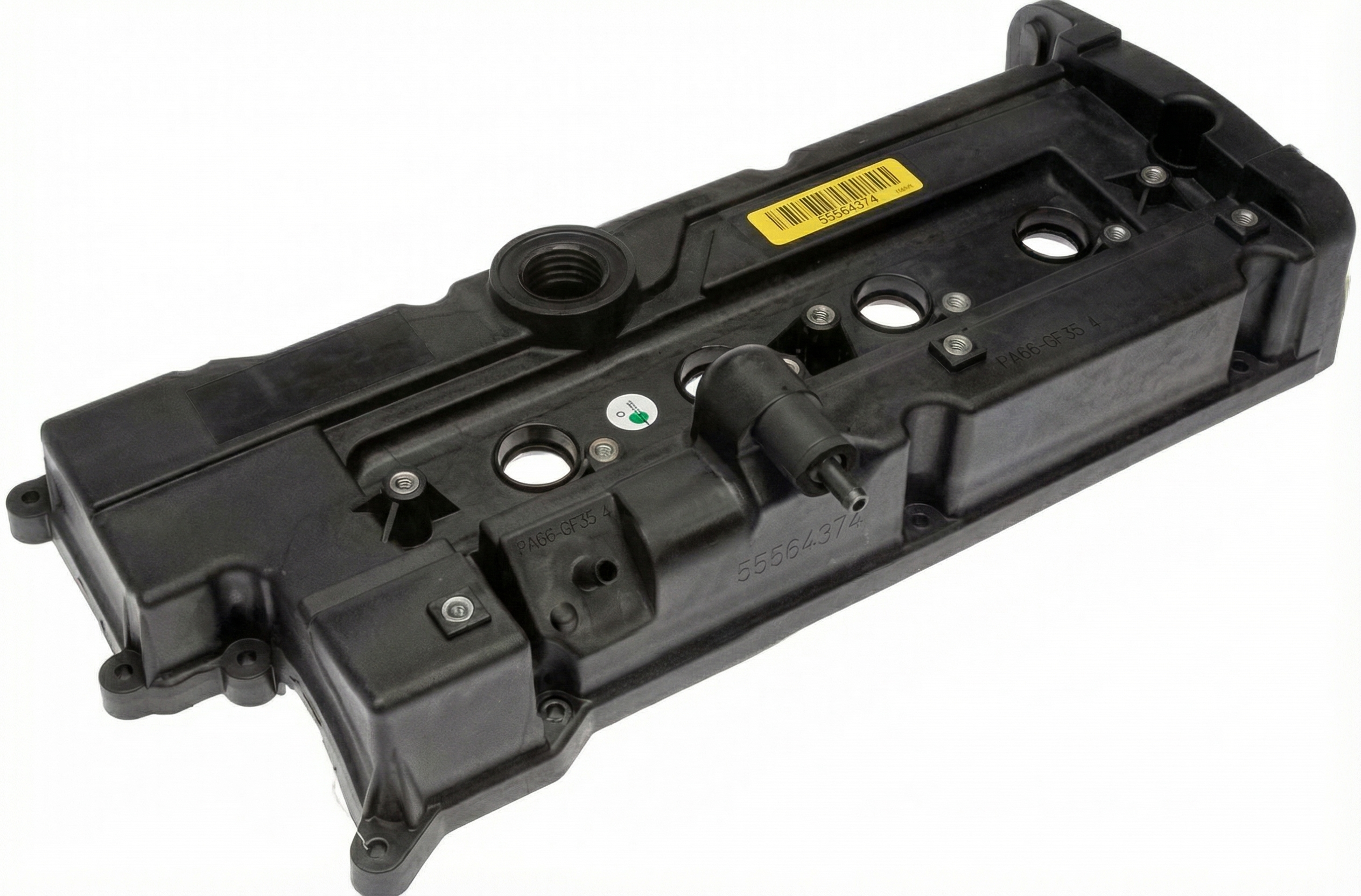
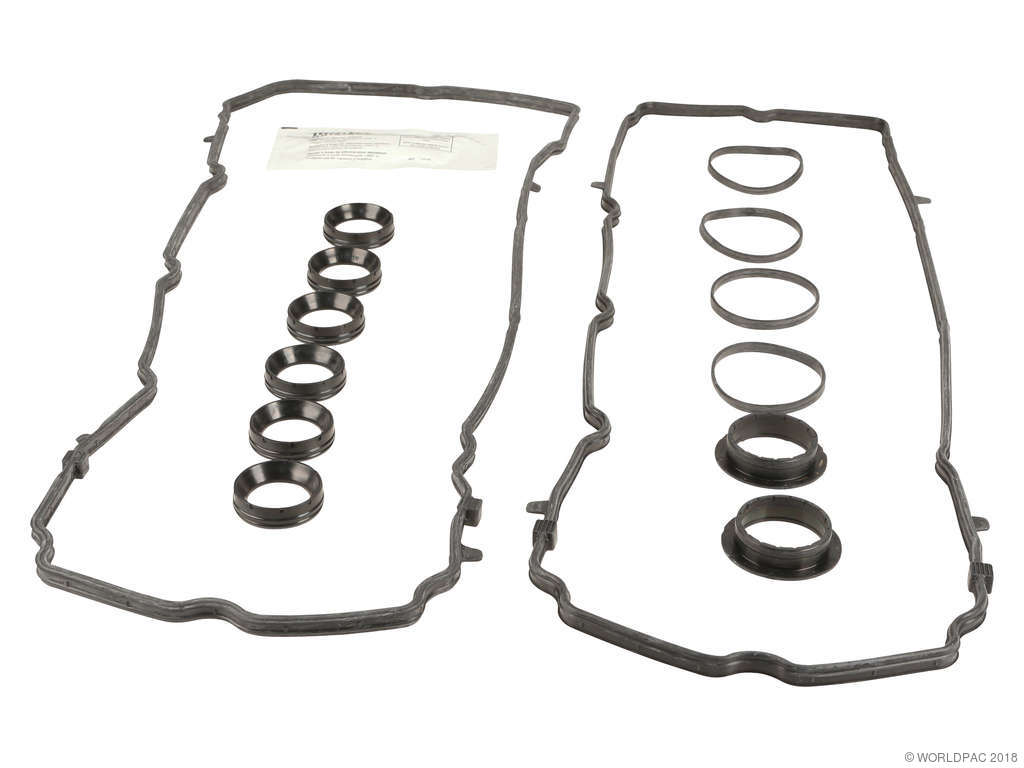
(OEM #05047440AC)— The valve cover must be removed to access and replace the MultiAir actuator. The gasket is a one-time use part and must be replaced to prevent oil leaks. These gaskets are also known to leak oil into the spark plug tubes on this engine.
Trusted brands: Mopar, Fel-Pro, Mahle
OEM price range: $60-$90
Aftermarket price range: $30-$50 - MultiAir Actuator Spring Compressor Tool
(OEM #10259A / 10259B)— This special tool is required to safely compress the valve springs, allowing for the removal and installation of the MultiAir actuator without damaging the valvetrain.
Trusted brands: Mopar, Aftermarket tool makers
OEM price range: $350-$450
Aftermarket price range: $150-$250
Related Codes That Often Appear With This One
- P0302 — P1048 indicates a failure in the valve control system for cylinder 2. This directly causes improper combustion, leading to a misfire detected on that same cylinder.
- P1046, P104A, P104C — These are the identical 'Overcurrent' codes for cylinders 1, 3, and 4. Seeing multiple codes together strongly suggests a widespread failure of the MultiAir actuator or a major wiring issue affecting the entire unit.
- P0420 — A failing MultiAir actuator can cause persistent misfires, leading to unburnt fuel entering the exhaust and damaging the catalytic converter over time, which may trigger a P0420 code.
Technical Service Bulletins (TSBs) & Recalls
- TSB 09-006-20 REV. B: While not for P1048 specifically, this TSB outlines the official oil consumption test procedure for the 2.4L engine, which is a critical related issue. If a vehicle fails the test, a long block replacement is recommended.
Platform-Specific Known Issues
- While some Fiat and Dodge vehicles with MultiAir engines had TSBs for software updates to fix these codes, the 2015-2017 Chrysler 200 does not have a widely documented software fix. The problem is almost always the actuator hardware itself.
- The 2.4L Tigershark engine in this vehicle is widely known for excessive oil consumption, which can exacerbate problems with the oil-sensitive MultiAir system. A class-action lawsuit was settled regarding this issue.
Mechanic-Grade Diagnostic Values
- MultiAir Solenoid Coil Resistance — expected: 0.5 - 1.0 Ohms. Failure: A reading near zero indicates a short circuit (consistent with an overcurrent code like P1048). A reading of OL (open loop) indicates a broken coil.
- MultiAir Actuator Retaining Bolt Torque — expected: First pass to 89 in-lbs, second pass to 16 ft-lbs, final pass repeating 16 ft-lbs.. Failure: Improper torque can cause oil leaks or damage to the actuator or cylinder head.
- Engine Oil Pressure (Hot) — expected: Minimum of 4 PSI at idle; 25-80 PSI at 3,000 RPM.. Failure: Pressure below the minimum specification indicates a larger mechanical issue (e.g., weak oil pump) that can starve the MultiAir actuator and cause various codes.
Scan Tool Commands That Help
- wiTECH or equivalent advanced bidirectional scanner: Active Test for VVA Solenoids (Cylinder 1, 2, 3, 4) — Use this to individually command each solenoid on and off with the engine off, key on. A healthy solenoid will produce an audible click. The absence of a click for cylinder 2 when other cylinders respond confirms a failed solenoid or wiring issue, which is key for diagnosing P1048.
- wiTECH or equivalent advanced bidirectional scanner: Cam/Crank Variation Relearn — This procedure should be performed after replacing the MultiAir actuator to ensure the PCM recognizes the new component and adjusts timing parameters accordingly.
- N/A - Manual Procedure: MultiAir System Oil Bleed / Purge — After the actuator has been replaced or if the vehicle has sat for a long time, air can get trapped in the hydraulic system, preventing the engine from starting. To purge the air, press the accelerator pedal to the floor and crank the engine for 5-10 seconds. The PCM's 'clear flood' mode prevents fuel injection. Repeat this process 7-8 times with rest intervals to allow the starter to cool. This mechanically bleeds air from the system.
Wiring & Ground Locations
- G105 — Left front corner of the engine compartment, behind the cooling fan relays.. This is a primary ground for several engine compartment components. While not directly tied to the MultiAir actuator in documentation, a poor ground connection here can introduce electrical noise and voltage issues that affect sensitive electronic components controlled by the PCM.
- MultiAir Actuator Connector — On the MultiAir actuator assembly ('brick') itself, at the rear of the cylinder head.. This is the main electrical interface for all four VVA solenoids. An overcurrent code like P1048 requires checking the specific pins for cylinder 2 at this connector for shorts to ground, corrosion, or oil contamination.
Real Owner Repair Stories
- Reddit user on r/dodgedart (Dodge Dart with 2.4L MultiAir engine (same powertrain)) — Stumbling during driving, a completely dead cylinder at times, and rough running. Code P1067 (Cylinder 2 fault on the 1.4L, but analogous to P1048 on the 2.4L).
❌ Tried (didn't work) Initial diagnosis was inconclusive.
✅ What actually fixed it The user replaced the entire MultiAir actuator assembly ('brick'). They sourced a used unit from a donor vehicle with a blown bottom-end to save money. They also noted that the special spring compressor tool was not strictly necessary if the bolts were loosened carefully and evenly.
OEM Part Supersession History
5047980AA, 5047980AB, 5047980AC, 5047980AD→05047980AE— These are earlier revisions of the MultiAir actuator. The latest part number, 05047980AE, incorporates design and material updates to improve longevity and reliability.
Heads up: All previous part numbers are superseded by 05047980AE. While an older revision might physically fit, it is best practice to use the latest available part number to benefit from the engineering improvements.
Diagnostic Flowchart
Other Known Issues on This Vehicle
Issues unrelated to this code that are worth knowing about as an owner of this generation:
- ZF 9-Speed Automatic Transmission Failure 🔴 High — Very common on 2015 models. Issues include harsh/erratic shifting, lurching, sudden shifts to neutral, and complete failure. (Ref: Multiple software updates were released, and a recall was issued in 2016 for some 2015 models for unexpected shifts to neutral.)
- Excessive Engine Oil Consumption 🔴 High — Widespread on 2015-2016 models with the 2.4L engine. Owners report consuming a quart of oil every 1,000-2,000 miles. The cause is believed to be piston rings that don't seat properly. (Ref: Multiple Customer Satisfaction Notifications (W20, W80, W84) and TSBs (e.g., 09-006-20) were issued to address the issue with software flashes and oil consumption tests. A class-action lawsuit was settled.)
- Engine Stalling While Driving 🔴 High — Frequently reported problem where the engine shuts off without warning, often during low-speed deceleration. (Ref: Investigations pointed towards issues with the Powertrain Control Module (PCM) or wiring harness problems related to the transmission.)
- Leaking Oil Filter Housing / Oil Cooler 🟠 Medium — This issue is more prevalent on the 3.6L V6 engine but also affects the 2.4L. The plastic housing can crack or warp from heat, causing significant oil leaks in the engine valley.
- Random Deployment of Active Head Restraints (AHR) 🟠 Medium — Reported across many Chrysler models, including the 200. The plastic clips inside the headrest can become brittle and break, causing the headrest to spring forward without an accident. (Ref: A class-action lawsuit was filed regarding this issue.)
Used vs. New Parts: Buying Guide for This Vehicle
When a used part is the smart pick: A used MultiAir actuator is a high-risk but potentially cost-saving option, best suited for DIYers on a tight budget who accept the risk of premature failure. Given the part's known failure rate, it's a gamble. A used part makes sense only if sourced from a very low-mileage, verified running donor vehicle.
Donor-vehicle mileage cap: roughly under 50000 miles for the part to have meaningful remaining life.
What to inspect on the donor part:
- Verify the donor vehicle's mileage and VIN to check its history.
- Ask for proof the donor vehicle was running before being dismantled.
- Inspect the actuator's electrical connector for any signs of corrosion, melting, or damage.
- Check the oil passages for any signs of heavy sludge or debris.
- Avoid parts from vehicles that sat for a long time, as internal seals can dry out.
OEM-only on this vehicle (don't cheap out):
- MultiAir Actuator Assembly: Due to the complexity and high failure rate of aftermarket/remanufactured units, a new OEM Mopar part is strongly recommended for reliability.
- Engine Oil Filter: Use an OEM or high-quality equivalent filter to ensure proper oil flow and filtration, which is critical for the MultiAir system.
Brands owners have reported issues with on this vehicle:
- Unbranded or 'white-box' actuators from online marketplaces are extremely risky. There are widespread forum reports of these parts failing quickly or being dead-on-arrival. Stick to new OEM Mopar if possible.
Related OBD-II Codes
Frequently Asked Questions
Is there a software update or recall for my 2015-2017 Chrysler 200 to fix code P1048?
My 2.4L Chrysler 200 is burning a lot of oil. Could this be related to the P1048 code?
I have code P1048 along with a P0302 misfire code. Is this a common combination?
What is the correct engine oil to use in my 2.4L MultiAir engine to prevent this issue?
Can I replace the MultiAir actuator (the 'brick') myself at home?
My dealer mentioned an oil consumption test based on TSB 09-006-20. What happens if my car fails?
Helpful Videos
Used OEM Parts in Stock
New Aftermarket Parts Available

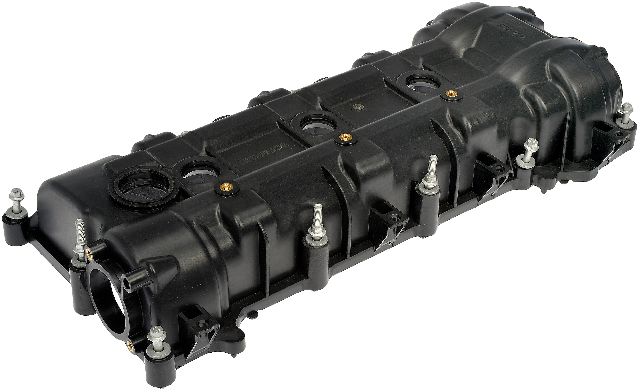
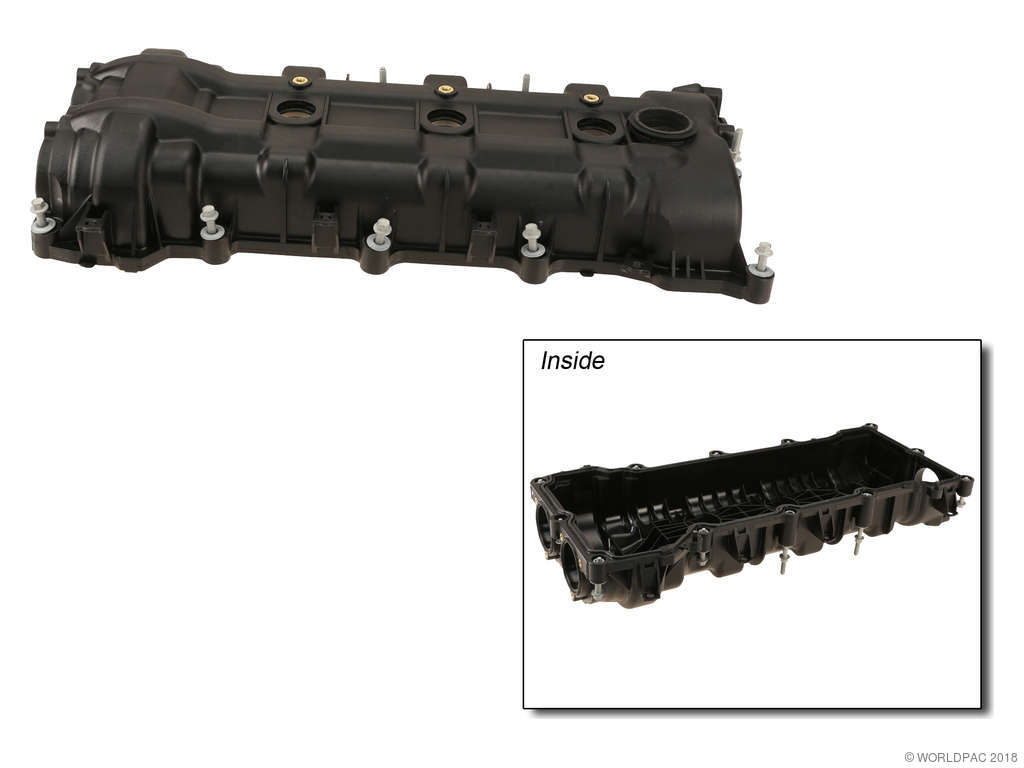

The information in this article is provided for general reference and educational purposes only. Vehicle specifications, procedures, and part compatibility can vary by production date, trim level, and region. Always consult your vehicle's factory service manual and verify part numbers before purchasing or performing repairs. Safety-critical components such as airbags, seat belts, and braking systems should be installed by a qualified professional.
- Chrysler 200:
- 🧭 Diagnostic Flowchart
- 🎬 Helpful Videos
- 🛍️ Shop This Part
- What's Unique About the 2015-2017 Chrysler 200
- Symptoms You May Notice
- Most Likely Causes
- Rare But Worth Checking
- Diagnosis Steps
- Parts You'll Likely Need
- Related Codes That Often Appear With This One
- Technical Service Bulletins (TSBs) & Recalls
- Platform-Specific Known Issues
- Mechanic-Grade Diagnostic Values
- Scan Tool Commands That Help
- Wiring & Ground Locations
- Real Owner Repair Stories
- OEM Part Supersession History
- Other Known Issues on This Vehicle
- Used vs. New Parts: Buying Guide for This Vehicle
- Related OBD-II Codes
- Frequently Asked Questions
- 🎟️ Get 5% Off