

OBD-II Code P1056: Manufacturer-Specific Fault
What P1056 means, why it triggers, and how to fix it on your vehicle
- P1056 is a manufacturer-specific code that means entirely different things: a BMW Valvetronic voltage drop, a Mazda diesel injector failure, or a Jeep power window fault.
- For BMWs, always test the 40A Valvetronic fuse and blue relay in the E-box before spending $800+ replacing the Valvetronic motor.
- For 2021 Jeep Wranglers and Gladiators, immediately check TSB 08-111-21 to fix a known factory defect in the engine wiring harness ground.
- On Mazda SKYACTIV-D diesels, P1056 indicates a failing #3 fuel injector that will cause severe oil dilution and catastrophic engine failure if driven further.
What Does P1056 Mean?
P1056 is a manufacturer-specific trouble code with entirely different definitions based on your vehicle's make. For BMW, it indicates a voltage drop in the Valvetronic valve control system. For Mazda diesels, it signals a failing #3 fuel injector. On some Jeeps, it points to an engine valve control circuit fault, while on others, it simply means the passenger power window motor is obstructed. You must use a manufacturer-specific scanner to identify your exact fault.
Technical definition: As a non-standardized powertrain code (P1xxx), P1056 lacks a universal SAE/OBD-II definition. Automakers assign it to proprietary systems. For BMW, the DME (engine computer) triggers P1056 when the supply voltage to the Valvetronic motor drops below 5 volts for at least 200 milliseconds.
Can I Drive With P1056?
Yes, But With Caution. Driving is possible but not recommended for engine-related P1056 faults (BMW, Mazda, Jeep). You will likely experience sudden reduced engine power ('limp mode'), rough running, or stalling, which is hazardous in traffic. For Mazda diesels, continued driving causes severe oil dilution, leading to catastrophic engine failure and a $10,000+ repair. If the code is for a Jeep power window, driving is unaffected.
Common Causes
- Blown Fuse or Faulty Relay (BMW) (Very Common) — On BMWs, the most common cause is a blown 30A or 40A fuse for the Valvetronic system, located in the E-box or the battery power distribution block. A faulty blue Valvetronic relay is also a frequent culprit. 🎬 Watch: How to diagnose the BMW Valvetronic relay and fuse.
- Incorrect Reassembly After a Repair (Common) — On BMWs, this code frequently appears after a valve cover gasket replacement because a ground wire was left loose, a connector was damaged, or the motor was not re-calibrated. On Jeeps, it occurs if the engine wiring harness is disturbed during an intake manifold repair.
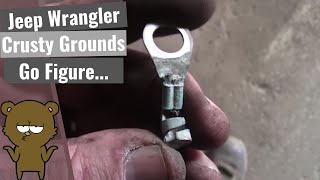
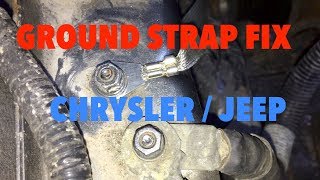
- Damaged Wiring, Bad Grounds, or Water Intrusion (Common) — Corrosion or damage to the wiring harness causes a low voltage condition. On BMWs, water leaking into the trunk battery compartment or under-hood E-box corrodes the main power feed. On 2021 Jeeps, a faulty engine wiring harness ground is a known factory defect covered by a TSB. 🎬 See how to find and repair bad Jeep engine grounds.
- Failing Valvetronic Motor (BMW) (Common) — The electric motor that drives the Valvetronic eccentric shaft fails internally over time, creating high resistance or an open circuit that triggers the low voltage code.
- Failing Fuel Injector (Mazda) (Common) — On SKYACTIV-D engines, the code is triggered by a mechanically failing fuel injector on cylinder #3 delivering too much fuel due to internal wear or clogging.
- Low System Voltage (Uncommon) — A weak battery or failing alternator causes system voltage to drop during high-load situations (like engine cranking), triggering P1056 before the battery is weak enough to cause a no-start condition.
Symptoms
- Check Engine Light is On — The Malfunction Indicator Lamp (MIL) illuminates across all affected manufacturers.
- Reduced Engine Power / Limp Mode — For engine-related faults (BMW, Mazda, Jeep), the vehicle enters a reduced power mode with limited throttle response and RPM to protect the engine.
- Rough Idle, Stalling, or No Start — A malfunctioning Valvetronic system (BMW) or VVL solenoid (Jeep) causes a very rough idle, engine misfires, stalling, or a complete no-start condition.
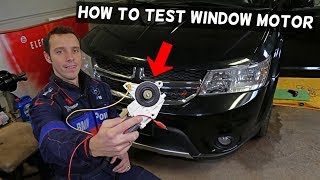
- Passenger Window Inoperative (Jeep) — On many Jeep models, the only symptom is a passenger-side power window that will not work, moves slowly, or makes grinding noises.
- Rising Engine Oil Level (Mazda) — On Mazda diesels, the failing injector dumps excess fuel into the cylinders, which washes past the piston rings and noticeably raises the oil level on the dipstick.
- Increased Fuel Consumption (also visible on scanner) — When the engine's valve control or fuel injection operates inefficiently, the engine computer compensates by using more fuel.
Diagnostic Flowchart
Tap your situation to follow the diagnostic path that matches what you're seeing on this code.
Common Fixes & Costs
- Fuse or Relay Replacement (BMW) — Parts: $10 - $40, Labor: $50 - $150, ~0.5 hr book time (DIY)
- Repair Engine Ground Harness (Jeep TSB 08-111-21) — Parts: $20 - $30, Labor: $200 - $350, ~1.9 hr book time (Intermediate)
- Valvetronic Motor Replacement (BMW) — Parts: $250 - $400, Labor: $400 - $800, ~4.0 hr book time (Advanced)
- Fuel Injector Replacement (Mazda SKYACTIV-D) — Parts: $350 - $500, Labor: $300 - $450, ~2.5 hr book time (Advanced)
- Window Motor/Regulator Assembly Replacement (Jeep) — Parts: $120 - $260, Labor: $100 - $200, ~1.2 hr book time (DIY)
- Wiring or Connector Repair — Parts: $5 - $50, Labor: $150 - $500, ~2.0 hr book time (Intermediate)
DIY vs Professional
- Fuse or Relay Replacement (BMW) 🟢 Beginner
Tools: Socket set, trim removal tool. - Repair Engine Ground Harness (Jeep TSB 08-111-21) 🟢 Beginner
Tools: Socket set, torque wrench, wire cutters/strippers, crimping tool, heat gun. - Valvetronic Motor Replacement (BMW) 🟢 Beginner
Tools: Extensive socket/torx set, torque wrench, BMW-specific scan tool (ISTA). - Fuel Injector Replacement (Mazda SKYACTIV-D) 🟢 Beginner
Tools: Socket set, torque wrench, slide hammer injector puller, injector seat cleaning tools, advanced scan tool. - Window Motor/Regulator Assembly Replacement (Jeep) 🟢 Beginner
Tools: Socket set, trim removal tools, screwdriver.
Used vs. New Parts: Buying Guide
When a used part is worth it: For electronic components like a BMW Valvetronic motor or a Mazda diesel injector, buy new or professionally remanufactured parts. The failure rate of used electronic parts is high, and the labor to replace them is significant. A used Jeep window motor is a reasonable choice if sourced from a low-mileage vehicle.
Donor-vehicle mileage cap: roughly under 60000 miles for the part to have meaningful remaining life.
Donor quality checklist:
- Verify the part number exactly; OEM suppliers like VDO for BMW or Denso for Mazda are identical to the dealer part for less money.
- For used parts, seek sellers offering at least a 90-day warranty.
- Avoid used diesel injectors entirely, as their history is unknown and the risk of engine damage is catastrophic.
Decision logic:
- If Part is a Mazda diesel fuel injector → Buy new OEM (Denso) or from a highly reputable remanufacturer. Do not risk a used part.
- If Part is a BMW Valvetronic motor → Buy new OEM (VDO/Pierburg) or Genuine BMW. The labor is too intensive to risk a used part failing prematurely.
- If Part is a Jeep window motor and budget is tight → A used part from a reputable salvage yard is an acceptable risk.
Warranty tradeoff: Used parts typically have a 30-90 day warranty covering the part only. New aftermarket parts offer 1-year to lifetime warranties. New OEM parts carry a 1-2 year warranty.
Worst-case if a used part fails: $600-$1200 if a used engine component like a Valvetronic motor or injector fails after installation, requiring repeat labor costs.
What Happens If You Wait — Timeline
- 0-100 miles: For Mazda Diesel: Code sets, possibly with a subtle rough idle. Oil dilution begins. For BMW: Code sets, often with immediate limp mode or stalling. For Jeep Window: Window becomes intermittent or fails. (MPG impact: 0-10%% · Added cost: $0)
- 100-500 miles: For Mazda Diesel: Oil level on dipstick rises past the 'Full' mark. Oil viscosity is significantly reduced. For BMW: Continued driving with an electrical fault risks damaging the Valvetronic motor itself. (MPG impact: 10-20% (Mazda)% · Added cost: $50 in wasted fuel (Mazda). Potential for turning a $50 fuse fix into a $800 motor replacement (BMW).)
- 500-1500 miles: For Mazda Diesel: Severely diluted oil fails to lubricate critical components. Accelerated wear begins on the timing chain, camshafts, and turbocharger bearings. (MPG impact: 20-30%+ (Mazda)% · Added cost: $2,000 - $4,000. The initial injector fault causes timing chain stretch or turbo damage, requiring major repairs.)
- 1500+ miles: For Mazda Diesel: Catastrophic engine failure. The lack of lubrication leads to spun bearings, a seized turbocharger, or a broken timing chain. (MPG impact: N/A (vehicle is disabled)% · Added cost: $8,000 - $15,000+. The vehicle requires a complete replacement engine.)
Cost of Not Fixing It
- Immediate: For BMW/Jeep (engine fault): Unpredictable 'limp mode,' stalling, or no-start, creating a safety hazard. For Jeep (window fault): Inconvenience only. (Added cost: $0)
- 1-3 months (BMW): Continued operation with a failing Valvetronic motor puts stress on the eccentric shaft, causing it to bind and turning a $1,000 motor repair into a $3,000 motor and shaft repair. (Added cost: $1,500 - $3,000)
- 1-3 months (Mazda Diesel): Severe fuel dilution destroys the oil's lubricating properties, causing rapid wear on the timing chain, turbocharger, and bearings, culminating in catastrophic engine failure. (Added cost: $8,000 - $15,000+)
Diagnosis Steps
- Identify Your Vehicle's Specific P1056 Definition
Use a high-quality OBD-II scanner that provides manufacturer-specific code definitions. A generic scanner only shows 'Manufacturer-Specific Code'. You must know your car's specific definition before proceeding.
Tools: OBD-II Scanner with Manufacturer-Specific Definitions (Beginner) - PRO TIP (BMW): Check Valvetronic Power Supply First
Since P1056 indicates 'low voltage input', always check the power source before replacing expensive parts. Locate the 40A Valvetronic fuse on the battery distribution block and the blue Valvetronic relay in the E-box. Test the fuse for continuity and swap the relay. This is the most common fix.
Tools: Basic hand tools, Multimeter (Beginner) - PRO TIP (Jeep 3.6L): Inspect TSB-Specified Ground Wire
For 2021 Jeep Wrangler/Gladiator models, immediately reference TSB 08-111-21. Inspect the specific engine wiring harness ground located under the intake manifold. This ground is a known factory defect and the primary cause for P1056.
Tools: Basic hand tools, TSB 08-111-21 documentation (Intermediate) - PRO TIP (Mazda Diesel): Analyze Injector Performance Data
Using a Mazda-specific scan tool, access live data PIDs for engine torque fluctuation or injector balance rates. The PCM sets P1056 when it detects cylinder #3 is producing more torque (over-fueling) than the others. This confirms the #3 injector is failing.
Tools: Advanced OBD-II Scanner (e.g., M-MDS) (Advanced) - PRO TIP (BMW): Valvetronic Motor Voltage Test
Disconnect the Valvetronic motor connector. With the ignition on, use a multimeter to test for battery voltage (12V+) at the power supply pin. No voltage points to a wiring, fuse, or relay issue upstream. If voltage is present, the motor or its connection pins are faulty.
Tools: Multimeter, Basic hand tools (Intermediate) - Check for Related System Failures (Mazda)
On Mazda SKYACTIV-D engines, check the engine oil for signs of fuel dilution (thin consistency, fuel smell, level over 'FULL' mark). A leaking injector dumps fuel into the oil, risking catastrophic engine damage.
Tools: Dipstick, Shop towel (Beginner) - Inspect Wiring and Connectors
Visually inspect all related wiring harnesses for damage, melting, corrosion, or loose connections. For BMW, check the main power cable from the trunk battery compartment. For Jeeps, check the harness under the intake manifold.
Tools: Flashlight, Inspection mirror (Intermediate) - ADVANCED TEST (BMW): Valvetronic Motor Bench Test
Remove the Valvetronic motor. Using a 12V power source, apply power to the two pins on the motor's electrical connector. It should spin powerfully. Reverse the polarity to spin it in the opposite direction. A weak, slow, or dead motor requires replacement.
Tools: 12V Power Source, Alligator Clip Wires (Advanced) - ADVANCED TEST (Jeep 3.6L): VVL Solenoid Resistance Check
Disconnect the electrical connector from the Intake Valve Control Solenoid for cylinder #3. Measure the resistance between the two pins on the solenoid. A healthy solenoid reads between 12 and 14 Ohms. Readings outside this range confirm solenoid failure.
Tools: Multimeter (Advanced) - Execute Re-calibration / Relearn Procedure (BMW)
After replacing a BMW Valvetronic motor or eccentric shaft sensor, you must use a BMW-specific diagnostic tool (like ISTA) to perform the 'Valvetronic limit positions' relearn procedure. Skipping this causes the code to return immediately.
Tools: BMW-specific Diagnostic Tool (ISTA) (Advanced)
When This Code Triggers (Freeze-Frame Conditions)
- Engine Coolant Temp: 40-95°C (104-203°F) (During warm-up or when fully warmed up. The Mazda variant specifically requires ECT to be over 40°C.)
- RPM: 700-2500 RPM (The Mazda fault triggers during deceleration at low RPM (under 850). The BMW fault triggers at any RPM if a voltage drop occurs.)
- Engine State: Varies (For BMW, often occurs at key-on or during a cold start self-test. For Mazda, it triggers during deceleration with the accelerator pedal released.)
- System Voltage: < 12.0V (at component) (For BMW, the code sets when the Valvetronic motor supply voltage is low, often during engine cranking with a weak battery.)
Related Codes
- P105B — Often appears with P1056 on BMWs. While P1056 points to a power supply problem (fuse/relay), P105B indicates a control circuit fault or an issue with the motor's internal electronics. Seeing both makes the motor itself highly suspect.
- 2A3F — A BMW-specific code for 'Valvetronic, actuator motor power supply' that frequently accompanies P1056. They report the exact same fault: supply voltage to the motor is less than 5 volts.
- P1059 — On Jeeps with the 3.6L engine, P1056 points to an open circuit for cylinder #3's intake valve solenoid, while P1059 points to cylinder #4. Seeing both simultaneously strongly suggests the shared ground wire issue addressed by TSB 08-111-21.
- P0203 — For Mazda diesels, P1056 indicates the injection quantity for cylinder #3 is too high (mechanical failure), while P0203 indicates an open circuit for the same injector (electrical failure).
Climate & Environmental Factors
- High Humidity / Heavy Rain: For BMWs, moisture increases the risk of water intrusion into the under-hood E-box or the trunk battery area. This corrodes electrical connectors and power distribution blocks, directly causing the low voltage condition that triggers P1056.
- Cold Weather: On BMWs, a weak battery's voltage drops significantly during a cold start, falling below the threshold required by the Valvetronic system and triggering P1056.
How to Talk to a Mechanic About This Code
Say this: "Varies by make. For BMW: 'I have a P1056 for the Valvetronic system. Please check the fuse and relay before diagnosing the motor.' For Mazda Diesel: 'I have a P1056 and suspect a failing #3 injector. Please check injector correction data and inspect the oil for fuel.' For a 2021 Jeep: 'I have a P1056 and I'd like you to investigate TSB 08-111-21 for the ground wire.' For other Jeeps: 'I have a P1056 and my passenger window isn't working. Please diagnose the window motor.'"
This signals to the shop that you are an informed consumer. It directs them to the most likely cause and the cheapest fixes first, potentially saving hundreds in diagnostic time.
Avoid saying:
- 'My check engine light is on, can you look at it?'
- 'Just fix whatever is wrong.'
- 'I have no idea what's wrong, just do what you think is best.'
Questions to ask before authorizing the repair:
- For BMW: If the motor is condemned, did you confirm 12V at the harness connector first?
- For BMW: Does the motor replacement estimate include the mandatory Valvetronic relearn procedure?
- For Mazda: What were the specific correction values for injector #3 that justify its replacement?
- For Jeep TSB: Did you find the ground specified in the TSB to be faulty, or did you find a different cause?
- What is the warranty on the recommended parts and the labor for this repair?
Where to Take It: Dealer vs Independent vs Chain
- Dealer:
Recommended for BMW, Mazda diesel, and Jeep TSB-related engine faults due to the need for specialized tools and knowledge. For the Jeep window fault, a dealer is overkill.
Best for: Vehicles under warranty., Complex, make-specific repairs like BMW Valvetronic or Mazda diesel injectors., Performing TSBs like the one for the 2021 Jeep.
Downsides: Highest labor rates., May be less willing to diagnose simple component failures (like a relay) and more likely to recommend a full assembly replacement. (Typical cost: +50% vs. baseline) - Independent Shop:
Best choice for the Jeep window motor fault. A good choice for the BMW fault IF the shop specializes in European vehicles. Risky for the Mazda diesel unless they have specific experience with SKYACTIV-D engines.
Best for: Out-of-warranty vehicles., Common repairs with well-known fixes, like the Jeep window motor., A specialist indie (e.g., a Euro car shop) is a great alternative for the BMW repair.
Downsides: Quality and expertise vary widely. A general shop may lack the specific scan tools (e.g., ISTA for BMW) to correctly diagnose and repair P1056. (Typical cost: +0% vs. baseline) - Chain Shop:
AVOID. The risk of misdiagnosis, incorrect parts being ordered, and improper repair (e.g., not calibrating a new Valvetronic motor) is exceptionally high.
Best for: Simple, unrelated maintenance like tire rotations or oil changes.
Downsides: Technician skill varies dramatically., High pressure to upsell services., Extremely unlikely to have the tools or expertise for any of the engine-related P1056 variants. (Typical cost: -10% vs. baseline)
When to Walk Away From the Repair
If the estimated repair cost exceeds 50% of the car's current private-party market value, you should seriously consider selling the car as-is or trading it in rather than repairing it.
- Car worth $5000, fix is $4500: Walk away. A $4,500 repair for a failed injector and subsequent engine damage on a 2012 Mazda CX-5 Diesel worth $5,000 is not economical.
- Car worth $4000, fix is $2800: Borderline. A $2,800 repair for a Valvetronic motor and sensor on a 2008 BMW 328i worth around $4,000 is a tough call. Get a second opinion to confirm it's not a cheaper electrical issue before proceeding.
- Car worth $35000, fix is $350: Fix it. A $350 repair for the TSB ground wire on a 2021 Jeep Gladiator is a tiny fraction of the vehicle's value and should be done without hesitation.
What Scan Tool You Need for This Code
Minimum: A scanner that reads manufacturer-specific codes for your vehicle's brand (e.g., BMW, Mazda, Jeep).
A generic $20 code reader will only display 'P1056: Manufacturer-Specific Code' which is useless. You MUST have a scanner that can tell you if it's a BMW Valvetronic fault, a Mazda injector fault, or a Jeep window fault to even begin a diagnosis.
Budget: BlueDriver Pro (~$119) — Reads and defines manufacturer-specific codes for most brands, allowing you to identify the correct P1056 definition. It lacks the advanced functions needed for repair.
Mid-range: Foxwell NT510 Elite / NT530 (with specific manufacturer software) (~$180) — This is the best choice for a serious DIYer. It reads specific codes and performs critical service functions, such as the Valvetronic relearn procedure on a BMW.
Professional: Autel MaxiCOM MK808S (~$450) — Offers full-system diagnostics, reads all manufacturer codes, and provides a wide range of service functions, including BMW Valvetronic adaptations and Mazda injector coding.
Rent vs buy: For P1056, buying is recommended. Free rental scanners from auto parts stores are often basic code readers that cannot provide the necessary manufacturer-specific definition.
How to Clear the Code After You Fix It
- Reconnect battery if disconnected for repair
- Use an OBD-II scan tool to clear the diagnostic trouble code (DTC)
- For BMW Valvetronic motor replacement, perform the 'limit positions' relearn procedure with a BMW-specific tool.
- Perform a complete drive cycle to allow readiness monitors to run.
Drive cycle (~30 minutes): A generic drive cycle involves a cold start (engine off for 8+ hours), 2-3 minutes of idling, mixed city driving (accelerating and stopping), followed by 5-10 minutes of steady highway speed (55-60 mph), and then coasting down.
Readiness monitors affected: Comprehensive Component Monitor, Misfire Monitor, Fuel System Monitor, Catalyst Monitor
Before emissions retest: drive at least 50 miles to fully set monitors.
Watch out for:
- Simply clearing the code without fixing the root cause will result in the code returning.
- Disconnecting the battery clears the code but resets all OBD-II readiness monitors, causing an immediate emissions test failure.
- Failing to perform the specific relearn procedure after replacing a BMW Valvetronic motor causes the fault to return instantly.
Will This Fail Emissions / State Inspection?
Yes — this code typically fails an OBD-II emissions inspection.
- California: An illuminated Check Engine Light results in an automatic failure. After repair, a full drive cycle must be completed to set the readiness monitors before a re-test.
- New York: An active P1056 code and illuminated Check Engine Light is an automatic failure. Clearing the code just before the test results in a failure due to readiness monitors being 'not ready'.
- Texas: In the 17 counties requiring emissions testing, a trouble code like P1056 that turns on the Check Engine Light causes the vehicle to fail the inspection.
Most Commonly Affected Vehicles
- BMW 3-Series (E90/E91/E92), 5-Series (E60), Z4 (E85), 1-Series (E82/E88) (2006-2013) — Primarily affects models with the N52 engine. The power distribution block on top of the battery in E9x models is a known weak point for the Valvetronic fuse. Water intrusion in the trunk battery area or cowl E-box is also a common cause.
- Mazda 3, 6, CX-5 with SKYACTIV-D 2.2 Engine (2012-2018) — These diesel models set P1056 due to a failing #3 injector. Early models (2012-2016) are highly prone to severe oil dilution and timing chain stretch as a result.
- Jeep Wrangler (JL), Gladiator (JT) with 3.6L Engine (2021-2021) — A specific batch of these vehicles built between Oct 10, 2020 and Oct 17, 2020 are subject to Technical Service Bulletin (TSB) 08-111-21 for P1056 related to a faulty engine wiring harness ground.
- Jeep Grand Cherokee, Cherokee, Liberty, Patriot, Commander (2003-2022) — On many Jeep models across a wide year range, P1056 indicates a fault in the passenger side power window motor ('Wsmp Feedback'), a body control issue completely separate from the engine.
- Volkswagen Golf, Passat, Jetta with 2.0T FSI/TSI engines (2005-2015) — Indicates 'Exhaust Valve Timing Control (Bank 1) - Short to Ground'. Diagnosis focuses on the N318 camshaft adjustment valve and its wiring.
- Chevrolet / GM Various with 3.6L V6 (e.g. Traverse, Equinox) (2009-2017) — Relates to the intake manifold tuning (IMT) valve position sensor circuit, indicating a voltage issue.
Manufacturer-Specific Notes
- BMW: Code Definition: Valvetronic Supply Voltage Control Motor Low Input. The motor controlling valve lift is not receiving correct voltage. Common causes include a blown 40A fuse, faulty blue relay, corroded main power cable from the battery, or water damage in the E-box. Always check power supply before replacing the $400 motor.
- Mazda (SKYACTIV-D 2.2L): Code Definition: Injection Quantity Too High Cylinder No. 3. The #3 fuel injector is delivering more fuel than commanded due to internal failure. This causes severe oil dilution. You must replace the injector and its seals, and perform an immediate oil change to prevent engine destruction.
- Jeep (Variation 1 - Engine): Code Definition: Intake Valve Control Solenoid 3 Circuit/Open. Applies to 2021 3.6L models. It is almost always caused by a damaged engine wiring harness ground covered under TSB 08-111-21, rather than a failed solenoid.
- Jeep (Variation 2 - Body): Code Definition: Wsmp Feedback-Component Or System Operation Obstructed Or Blocked. The Body Control Module detects a problem with the passenger side power window motor. The engine will operate perfectly normally.
- Volkswagen: Code Definition: Exhaust Valve Timing Control (Bank 1) - Short to Ground. Suggests an electrical fault in the circuit for the exhaust camshaft adjustment solenoid (N318) on Bank 1.
Real Owner Stories
2008 BMW E90 328i - Sudden Limp Mode
While driving, the car suddenly went into limp mode with codes P1056 and P105B. The owner feared a costly Valvetronic motor replacement.
What they tried:
- The owner first checked the power supply to the Valvetronic motor.
Outcome: The problem was a blown fuse in the power distribution box located on top of the battery in the trunk. Replacing the distribution box resolved the issue completely.
Lesson: For a BMW with P1056 ('low voltage'), always check the simplest electrical components first: the fuse on the battery and the blue relay in the E-box.
2011 BMW E91 at 145k miles - A Misleading Diagnosis
The car went into limp mode showing codes P1056 and P105B. Online forums suggested replacing the Valvetronic Eccentric Shaft Sensor.
What they tried:
- Before starting the sensor replacement, the owner inspected the power supply at the battery.
Outcome: The owner discovered the battery well in the trunk was filled with water. A main positive power lead had corroded and broken off its stud. Repairing the cable resolved the codes.
Lesson: Water intrusion is a known cause of P1056 on BMWs. Check for moisture and corrosion in the trunk battery compartment and the under-hood E-box before replacing parts.
2013 Mazda CX-5 Diesel - Rising Oil Level
The owner noticed the oil level on the dipstick was above the 'X' (max) mark, appeared thin, and smelled of diesel. This is the primary symptom of P1056 (injector #3 over-fueling).
What they tried:
- The owner drained the excess oil/fuel mixture as a temporary measure.
Outcome: This is an early warning of a failing #3 fuel injector. The immediate fix is to replace the faulty injector and its seals, followed by a mandatory oil change.
Lesson: On a Mazda SKYACTIV-D, P1056 is critical. Immediately check your oil level. If it is high or smells like diesel, stop driving and replace the injector to avoid destroying the engine.
2020 Jeep Gladiator 3.6L - Code Appears After Service
48 hours after replacing spark plugs (which requires removing the intake plenum), the Check Engine Light came on with code P1056.
What they tried:
- The owner returned to the shop, which claimed the new code was unrelated.
Outcome: The VVL solenoids and their wiring harness are located directly under the intake plenum. The wiring or a ground connection was disturbed during the initial repair.
Lesson: If P1056 appears on a Jeep 3.6L immediately after an intake manifold service, the wiring harness or a ground was likely compromised. The shop should be responsible for the repair.
How to Prevent This Code From Triggering
- Keep BMW cowl drains clear (Every 6 months) — The E-box containing the DME and Valvetronic relay sits under the cabin air filter cowl. If drains clog, water overflows into the E-box, corroding terminals and causing the P1056 low voltage fault.
- Perform regular oil changes with manufacturer-spec oil (Per manufacturer schedule) — For BMW, clean oil is crucial for the mechanical components of the Valvetronic system. For Mazda diesels, regular changes mitigate minor fuel dilution from DPF cycles.
- Use high-quality, top-tier diesel fuel (Mazda) (Every fill-up) — High-quality diesel prevents deposit buildup inside sensitive fuel injectors, reducing the risk of internal components sticking and causing the over-fueling condition of P1056.
- Periodically inspect BMW battery well (Annually or after heavy rain) — Trunk seals can fail, allowing water to collect in the battery compartment. This corrodes the main power distribution block supplying power to the Valvetronic system.
- Replace Mazda diesel injector seals as a preventive service (Consult a specialist (approx. every 80k-100k miles)) — Copper injector seals on SKYACTIV-D engines leak over time, causing soot to clog the oil pickup strainer and leading to oil starvation.
Frequently Asked Questions
Can I fix a P1056 code myself?
It depends. Replacing a BMW fuse, relay, or Jeep window regulator is a manageable DIY task. However, replacing a BMW Valvetronic motor, Mazda diesel injector, or performing the Jeep TSB wiring repair requires advanced mechanical skill and special tools.
Why does P1056 mean so many different things?
OBD-II codes starting with 'P1' are manufacturer-specific. Automakers use these codes for proprietary systems unique to their vehicles, leading to different definitions for the exact same code number across brands.
My scanner just says 'manufacturer control'. How do I know which P1056 problem I have?
You must use an advanced OBD-II scanner capable of reading manufacturer-specific trouble codes. Without a tool that interprets the code based on your specific make and model, you cannot begin a proper diagnosis.
Can a bad battery cause a P1056 code?
Yes. On a BMW, P1056 specifically flags 'low voltage input' to the Valvetronic motor. A weak battery causes system voltage to drop during engine cranking, triggering this code even if the car still starts.
A mechanic just replaced my valve cover gasket on my BMW and now I have a P1056 code. Is this related?
Yes, this is a very common scenario. The Valvetronic motor and wiring sit on the valve cover, making it easy to damage a connector, leave a ground loose, or fail to re-calibrate the motor during reassembly. Contact the shop immediately to correct this workmanship issue.
What is the most common misdiagnosis for P1056 on a BMW?
The most costly mistake is replacing the $400+ Valvetronic motor when the actual fault is a simple $15 blown fuse on the battery or a faulty $30 relay in the E-box. Always verify the power supply circuit first.
What happens if I ignore P1056 on my Mazda diesel?
Ignoring this code is extremely risky. The failing injector dumps excess fuel that dilutes your engine oil, destroying its lubricating properties and leading to catastrophic engine failure.
How do you reset the Valvetronic motor on a BMW after a repair?
A mechanical reset is impossible. You must use a BMW-specific diagnostic tool (like ISTA) to run the 'teach-in Valvetronic limit positions' service function, allowing the computer to learn the new motor's travel limits.
Key Takeaways
- P1056 is a manufacturer-specific code that means entirely different things: a BMW Valvetronic voltage drop, a Mazda diesel injector failure, or a Jeep power window fault.
- For BMWs, always test the 40A Valvetronic fuse and blue relay in the E-box before spending $800+ replacing the Valvetronic motor.
- For 2021 Jeep Wranglers and Gladiators, immediately check TSB 08-111-21 to fix a known factory defect in the engine wiring harness ground.
- On Mazda SKYACTIV-D diesels, P1056 indicates a failing #3 fuel injector that will cause severe oil dilution and catastrophic engine failure if driven further.
Helpful Videos


Shop the Parts Behind P1056
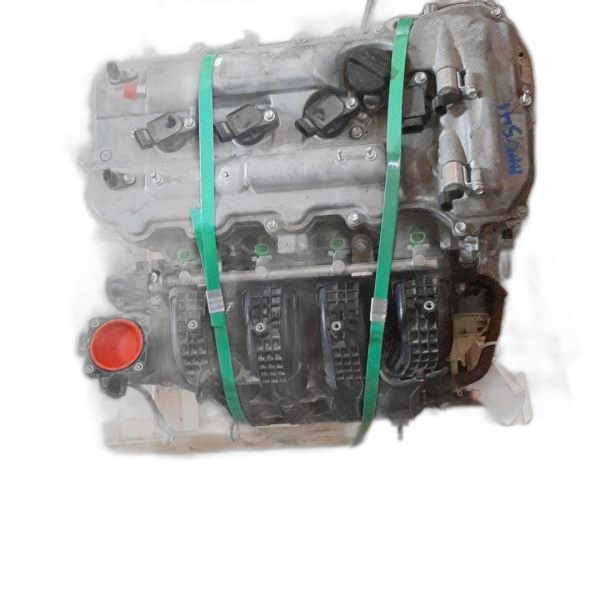
Below are the parts most often responsible for code P1056, ranked by how frequently each one is the actual culprit (per the diagnosis above). Tap any to see what we have for your vehicle.



The information in this article is provided for general reference and educational purposes only. Vehicle specifications, procedures, and part compatibility can vary by production date, trim level, and region. Always consult your vehicle's factory service manual and verify part numbers before purchasing or performing repairs. Safety-critical components such as airbags, seat belts, and braking systems should be installed by a qualified professional.
- 🧭 Diagnostic Flowchart
- 🎬 Helpful Videos
- 🛍️ Shop This Part
- What Does P1056 Mean?
- Can I Drive With P1056?
- Common Causes
- Symptoms
- Common Fixes & Costs
- DIY vs Professional
- Used vs. New Parts: Buying Guide
- What Happens If You Wait — Timeline
- Cost of Not Fixing It
- Diagnosis Steps
- When This Code Triggers (Freeze-Frame Conditions)
- Related Codes
- Climate & Environmental Factors
- How to Talk to a Mechanic About This Code
- Where to Take It: Dealer vs Independent vs Chain
- When to Walk Away From the Repair
- What Scan Tool You Need for This Code
- How to Clear the Code After You Fix It
- Will This Fail Emissions / State Inspection?
- Most Commonly Affected Vehicles
- Manufacturer-Specific Notes
- Real Owner Stories
- 2008 BMW E90 328i - Sudden Limp Mode
- 2011 BMW E91 at 145k miles - A Misleading Diagnosis
- 2013 Mazda CX-5 Diesel - Rising Oil Level
- 2020 Jeep Gladiator 3.6L - Code Appears After Service
- How to Prevent This Code From Triggering
- Frequently Asked Questions
- Can I fix a P1056 code myself?
- Why does P1056 mean so many different things?
- My scanner just says 'manufacturer control'. How do I know which P1056 problem I have?
- Can a bad battery cause a P1056 code?
- A mechanic just replaced my valve cover gasket on my BMW and now I have a P1056 code. Is this related?
- What is the most common misdiagnosis for P1056 on a BMW?
- What happens if I ignore P1056 on my Mazda diesel?
- How do you reset the Valvetronic motor on a BMW after a repair?
- Key Takeaways
- 🎟️ Get 5% Off