

OBD-II Code P1058: Variable Valve Timing (VVT) Solenoid Circuit High
What P1058 means, why it triggers, and how to fix it — The Ultimate Guide
- On Chrysler's 3.6L Pentastar engine, P1058 accompanied by a ticking noise confirms a failed rocker arm requiring a $1,200+ repair, not just a faulty solenoid.
- Test the Bank 2 VVT solenoid resistance with a multimeter; a reading outside the 7.0 to 8.0 Ohm range confirms internal failure and requires a $140-$350 replacement.
- Check your engine oil level and condition immediately, as sludge-filled oil clogs the hydraulic VVT system and triggers this code.
- On BMW models, verify your charging system voltage before replacing VVT parts, as an alternator outputting over 17 volts triggers P1058 as a secondary symptom.
What Does P1058 Mean?
P1058 indicates the Powertrain Control Module (PCM) detects abnormally high voltage in the Bank 2 variable valve timing (VVT) solenoid circuit. This confirms a short to a power source, preventing the computer from adjusting camshaft timing for optimal power and efficiency.
Technical definition: The SAE/OBD-II definition for P1058 is manufacturer-specific. For Chrysler/Dodge/Jeep, it is 'Intake Valve Control Solenoid Circuit High Voltage (Bank 2)'. For BMW, it is 'Valvetronic Supply Voltage Control Motor High Input (Bank 2)', triggered by system voltage exceeding 17V. For Volkswagen, it indicates 'Exhaust Valve Timing Control - Short Circuit to Positive (Bank 2)'. In all cases, the control circuit voltage exceeds the designated operational range.
Can I Drive With P1058?
Yes, But With Caution. You can drive the vehicle, but doing so risks severe engine damage. You will experience rough idle, reduced power, and poor fuel economy. On a 3.6L Pentastar engine, driving more than 100 miles turns a $1,500 rocker arm issue into a $4,000 destroyed camshaft. Unburnt fuel also destroys the catalytic converter, adding $800-$2,500 in repairs.
Common Causes
- Faulty Variable Valve Timing (VVT) Solenoid (Very Common) — The solenoid fails internally, causing an electrical short that spikes the voltage reading. This is the most frequent direct cause of P1058.
- Failed Rocker Arms / Valvetrain Components (Very Common) — On 3.6L Pentastar V6 engines, mechanical failure of rocker arms seizes the camshaft. The PCM flags a circuit high fault on the VVT solenoid as a secondary symptom of this mechanical failure.
- Low or Contaminated Engine Oil (Common) — The VVT system is hydraulic. Sludge or incorrect viscosity oil clogs the solenoid's fine mesh screens, causing it to stick and trigger an electrical fault.
- Damaged Wiring or Connector (Common) — Engine heat and vibration melt wire insulation or loosen connectors. A bare wire touching a power source causes a direct short and triggers the 'Circuit High' code.
- Failing Alternator or Voltage Regulator (Rare) — An over-voltage condition in the charging system (exceeding 17V) triggers P1058 as the module detects abnormally high supply voltage. This indicates a failing voltage regulator, not a VVT component failure.
- Failed Powertrain Control Module (PCM) (Rare) — The internal driver circuit within the PCM that controls the solenoid fails. This requires exhaustive testing of all wiring and components before replacement.
Symptoms
- Audible Ticking Noise ('Pentastar Tick') — A rhythmic ticking from the top of the engine indicates underlying mechanical rocker arm failure on 3.6L V6 engines.
- Reduced Engine Power and Hesitation — The vehicle feels sluggish and unresponsive because the VVT system cannot adjust camshaft timing.
- Rough Idle — The engine shakes or runs unevenly at stops because cam timing is locked in a high-RPM position.
- Decreased Fuel Economy — Incorrect timing causes inefficient combustion, increasing fuel consumption by up to 25%.
- Engine Stalling — During low-speed maneuvers or when coming to a stop, the unstable idle causes the engine to stall completely.
- Check Engine Light is On (also visible on scanner) — The PCM illuminates the Malfunction Indicator Lamp (MIL) on the dashboard as soon as the 'Circuit High' fault is confirmed.
- Engine Misfires (also visible on scanner) — Incorrect timing on Bank 2 causes misfires, setting additional codes like P0300, P0302, P0304, or P0306.
Diagnostic Flowchart
Tap your situation to follow the diagnostic path that matches what you're seeing on this code.
Common Fixes & Costs
- Replace VVT Solenoid — Parts: $40-$150, Labor: $100-$200, ~1 hr book time (DIY)
- Engine Oil and Filter Change — Parts: $30-$80, Labor: $70-$150, ~0.5 hr book time (DIY)
- Replace Rocker Arms and Lifters — Parts: $200-$600, Labor: $1000-$1800, ~8.5 hr book time (Professional)
- Repair Damaged Wiring or Connector — Parts: $10-$50, Labor: $150-$300, ~1.5 hr book time (Intermediate)
- Replace Rocker Arms, Lifters, and Camshaft(s) — Parts: $600-$1200, Labor: $2000-$4000, ~11 hr book time (Professional)
- Replace Powertrain Control Module (PCM) — Parts: $500-$1200, Labor: $150-$350, ~1.2 hr book time (Professional)
Used vs. New Parts: Buying Guide
When a used part is worth it: Buying a used VVT solenoid is never recommended due to internal wear. Only buy used if replacing a major structural component like a cylinder head.
Donor-vehicle mileage cap: roughly under 30000 miles for the part to have meaningful remaining life.
Donor quality checklist:
- Verify exact part number match.
- Inspect for physical damage or clogged oil screens.
- Avoid parts from high-mileage vehicles.
Decision logic:
- If Part is under $150 new → Always buy new. The risk of a used part failing outweighs the savings.
- If Vehicle is over 150K miles and budget is tight → A used OEM part from a low-mileage wreck is a temporary solution.
- If Part fails due to internal wear (VVT solenoids) → Favor new OEM or high-quality aftermarket parts over used ones.
Warranty tradeoff: Used parts have a 30-day warranty. New aftermarket parts offer 1-year to lifetime warranties. New OEM parts offer 12-month/12,000-mile warranties.
Worst-case if a used part fails: 350
What Happens If You Wait — Timeline
- 0-1 month: Code P1058 sets. The driver experiences minor hesitation during acceleration. (MPG impact: 5%% · Added cost: $50 in wasted fuel)
- 1-4 months: Sluggish acceleration, rough idle, and a faint ticking noise begins on cold starts. (MPG impact: 15%% · Added cost: $150 in wasted fuel)
- 4-8 months: Ticking becomes loud. Failing rocker scores the camshaft lobe. Rich fuel mixture degrades the catalytic converter. (MPG impact: 25%% · Added cost: $1,500 (Risk of catalytic converter failure))
- 8+ months: Catastrophic failure. Rocker arm seizes, destroying the camshaft. Engine runs poorly with severe misfires. (MPG impact: 50%% · Added cost: $4,500 (Cost to replace camshafts, lifters, and rockers))
Cost of Not Fixing It
- 0-1 month: Fuel economy drops by 5-15%, causing rough idle and poor acceleration. (Added cost: 50-150 in wasted fuel)
- 1-6 months: Incorrect timing creates a rich fuel mixture, overheating and destroying the catalytic converter. (Added cost: 800-2800 for catalytic converter replacement)
- 6+ months: Failing rocker arms seize and destroy the camshaft lobes, requiring a top-end engine rebuild. (Added cost: 2500-5000 for camshafts, lifters, and rocker arm replacement)
Diagnosis Steps
- Check Engine Oil Level and Condition
Verify the oil is at the correct level, is the proper viscosity, and is not dirty or sludgy. This is the easiest and cheapest check.
Tools: Rag or paper towel (Beginner) - Scan for Codes and Review Freeze Frame Data
Use an OBD-II scanner to confirm P1058 is active and check for related codes like P105C or P030x. Document the freeze frame data to see exact engine conditions when the fault occurred.
Tools: OBD-II Scanner (Beginner) - Visual Inspection of Bank 2 VVT Solenoid
Locate the VVT solenoid for Bank 2. Inspect the electrical connector and surrounding wiring harness for melting, chafing, corrosion, or oil saturation.
Tools: Flashlight (Beginner) - Test the Solenoid's Internal Resistance
Measure resistance between the two solenoid pins. Expect 7.0-8.0 Ohms at 68°F. Infinity indicates an open circuit; zero indicates a short. Both require replacement.
Tools: Multimeter (Intermediate) - Test the Solenoid Circuit for Voltage
Disconnect the connector. Key On, Engine Off. Check for 12V on the power pin. The control pin should read 0V. Voltage above 0.5V on the control wire confirms a short to power.
Tools: Multimeter (Intermediate) - Check Live Data PIDs
Monitor 'VVT Target Angle' vs 'Actual Angle'. A gap greater than 5 degrees confirms a mechanical problem like a stuck phaser or seized rocker arm.
Tools: Advanced OBD-II Scan Tool (Advanced) - Swap Solenoids
Swap Bank 2 solenoid with Bank 1. If the code moves to Bank 1, the solenoid is faulty.
Tools: Socket set, Ratchet, Torque wrench (Intermediate) - Perform a Voltage Drop Test
Test power and ground circuits under load. Readings above 0.5V indicate high resistance or corrosion in the wiring.
Tools: Multimeter with long leads, Scan tool (Professional) - Analyze the Solenoid Control Signal
Verify a clean 0V to 12V square wave duty cycle signal. A flat line indicates a wiring short or failed PCM driver.
Tools: Oscilloscope, Back-probe pins (Professional)
When This Code Triggers (Freeze-Frame Conditions)
- Engine Coolant Temp: 180-210°F (Fully warmed up, in closed loop operation.)
- Engine RPM: 1500-2500 (Steady cruise or light acceleration.)
- Engine Load: 30-60% (Moderate load, not idle and not wide-open throttle.)
- Vehicle Speed: 35-55 mph (Highway or arterial road driving.)
Related Codes
- P1057 — Indicates 'Circuit Low' (open circuit or short to ground). P1058 indicates a short to power.
- P105C — Indicates 'Intake Valve Stuck'. If present with P1058, a mechanical issue (stuck rocker) is the root cause.
- P000B — Generic performance code for slow camshaft response. Often caused by oil pressure issues or a failing phaser.
- P0158 — O2 Sensor Circuit High Voltage. Severe timing issues cause rich conditions, triggering this code. Fix P1058 first.
Climate & Environmental Factors
- Cold Weather: Thickens oil, slowing flow on startup and starving the VVT system. Use 0W-20 or 5W-20 synthetic oil to ensure proper flow.
- High Heat: Accelerates oil degradation, forming sludge that clogs VVT solenoid screens and oil passages.
- High Altitude: Reduces air density, amplifying engine performance symptoms like power loss and rough idle.
How to Talk to a Mechanic About This Code
Say this: "I have a P1058 code on my vehicle. I'd like to schedule a diagnostic appointment. Please check live data for VVT target versus actual angle. If it's a Pentastar engine, please check for rocker arm failure, not just the VVT solenoid."
This directs the technician toward a thorough diagnosis, preventing them from just replacing the solenoid and having the code return.
Avoid saying:
- 'My check engine light is on.'
- 'I need a new VVT solenoid.'
- 'Just fix whatever is wrong.'
Questions to ask before authorizing the repair:
- Did you inspect the valvetrain for mechanical wear?
- What were the electrical test results on the solenoid and wiring?
- Can you show me the live data discrepancy between the target and actual camshaft angle?
- What is the warranty on parts and labor?
Where to Take It: Dealer vs Independent vs Chain
- Dealer:
Recommended for vehicles under warranty or complex European brand issues.
Best for: Vehicles under powertrain warranty., Complex manufacturer-specific issues (BMW over-voltage)., Software updates.
Downsides: Higher labor rates., Defaults to replacing expensive assemblies. (Typical cost: +50% vs. baseline) - Independent Shop:
Best fit for most P1058 scenarios, particularly Pentastar rocker arm failures.
Best for: Out-of-warranty vehicles., Engine or electrical diagnostics., Cost-conscious owners.
Downsides: Quality varies widely., Lacks latest manufacturer software. (Typical cost: +0% vs. baseline) - Chain Shop:
AVOID. This code requires nuanced diagnostic skill to differentiate electrical faults from mechanical problems.
Best for: Simple repairs like oil changes.
Downsides: Technician skill varies., High pressure to upsell. (Typical cost: -10% vs. baseline)
When to Walk Away From the Repair
If the estimated repair cost exceeds 50% of the car's private-party value, consider selling the vehicle.
- Car worth $5000, fix is $2500: Borderline. Get a second opinion before authorizing the repair.
- Car worth $15000, fix is $1800: Fix it. The repair cost is well below the threshold.
- Car worth $3000, fix is $2200: Walk away. The repair cost is over 70% of the car's value.
What Scan Tool You Need for This Code
Minimum: A scanner that reads manufacturer-specific codes and displays live data PIDs for the VVT system.
A basic $20 reader only gives the code number. It cannot show critical live data like 'Target' vs 'Actual' camshaft angles needed to determine if the problem is electrical or mechanical.
Budget: BlueDriver Pro Scan Tool (~$100) — Connects via Bluetooth to read manufacturer-specific codes and graph live data for VVT angles.
Mid-range: Innova 5610 (~$350) — Provides live data streaming and bi-directional controls to command the VVT solenoid to activate.
Professional: Autel MaxiCOM MK808 (~$500) — Offers full bi-directional control, runs system tests, and provides OEM-level diagnostic information.
Rent vs buy: Auto parts stores scan codes for free, but their basic readers lack live data. Buying a mid-range scanner with live data is a worthwhile investment.
How to Clear the Code After You Fix It
- Use an OBD-II scan tool to clear the fault codes.
- Perform a complete drive cycle to run readiness monitors.
- Check for pending codes after the drive cycle.
Drive cycle (~30 minutes): Start cold and idle for 5 minutes. Drive at a steady 40-60 mph for 8 minutes. Stop and idle for 3 minutes. Drive above 20 mph for 2 minutes. Turn off and let sit for 10 minutes.
Readiness monitors affected: Catalyst monitor, O2 sensor monitor, VVT system monitor
Before emissions retest: drive at least 50 miles to fully set monitors.
Watch out for:
- Disconnecting the battery resets all readiness monitors, causing an immediate emissions failure.
- The code returns immediately if the electrical short or mechanical fault remains.
- Failing to drive under the correct conditions prevents readiness monitors from completing.
Will This Fail Emissions / State Inspection?
Yes — this code typically fails an OBD-II emissions inspection.
- California: An active Check Engine Light is an automatic failure. Drive 50 miles after repair to set readiness monitors.
- New York: The NYS DMV OBD-II scan automatically fails vehicles with an active P1058 code.
- Texas: Counties requiring emissions testing automatically fail vehicles with an illuminated Check Engine Light.
Most Commonly Affected Vehicles
- Jeep Grand Cherokee (2016-2023) — Extremely common on 3.6L Pentastar V6. Often a symptom of rocker arm failure.
- Dodge Durango (2016-2023) — Frequent on 3.6L Pentastar V6. Causes stalling or starting issues.
- Jeep Wrangler (2018-2023) — Affects 3.6L Pentastar V6. Solenoid replacement costs $268-$350.
- Chrysler Pacifica (2017-2023) — Known issue linked to the 'Pentastar Tick'.
- Ram 1500 (2019-2023) — Common on 3.6L eTorque V6 due to mechanical valvetrain wear.
- BMW 5-Series (2004-2016) — Triggered by system over-voltage (>17V) from a failing alternator, not a VVT fault.
- Volkswagen Jetta / Passat (2006-2014) — Indicates a short circuit to positive in the exhaust valve timing control system.
Manufacturer-Specific Notes
- Chrysler / Dodge / Jeep / Ram: On the 3.6L Pentastar, P1058 is frequently a symptom of a failed rocker arm. Technicians check for a ticking noise before replacing electronic parts.
- BMW: P1058 is an electrical system issue triggered by an over-voltage condition (above 17 volts) from a faulty alternator.
- General: Generic code readers provide misleading definitions for P1058. Always use a scanner with manufacturer-specific definitions.
Real Owner Stories
2016 Dodge Grand Caravan at 130K miles - The Classic Misdiagnosis
Check engine light came on with code P1058. The owner noticed a faint ticking noise from the engine, rough idle, and poor acceleration.
What they tried:
- Replaced the Bank 2 VVT solenoid and cleared the code, but it returned within a day.
- Performed an oil change, which did not solve the issue.
Outcome: A mechanic diagnosed a failed rocker arm and worn lifter. All 12 rocker arms on the bank were replaced, resolving both the ticking noise and the P1058 code permanently.
Lesson: A ticking noise with P1058 on a Pentastar requires a mechanical valvetrain inspection, not just a solenoid replacement.
2018 Jeep Wrangler (JL) at 2,500 miles - The Easy Fix
A brand new Jeep threw a P1058 code with very low mileage. There were no other symptoms like noise or poor performance.
What they tried:
- The dealership replaced an O2 sensor, but the code returned.
Outcome: The technician replaced the Bank 2 VVT solenoid. This simple replacement cleared the code permanently. The issue was a rare case of a new solenoid failing prematurely.
Lesson: Without mechanical symptoms like a ticking noise, a direct solenoid replacement is the correct first diagnostic step.
2008 BMW 335xi - The Unusual Cause
The dashboard lit up with multiple warnings, and the car went into limp mode. Scanned codes showed Valvetronic over-voltage.
What they tried:
- Replaced the battery, but the issue persisted.
- Measured alternator output at 18-19 volts.
Outcome: Replaced the voltage regulator on the alternator, stabilizing voltage to 14.5V and clearing all related fault codes.
Lesson: On BMWs, check charging system voltage first; P1058 is often a symptom of alternator over-voltage.
How to Prevent This Code From Triggering
- Use full synthetic engine oil of the correct viscosity. (Every 5,000 miles) — Clean, correct-viscosity oil prevents sludge from clogging the solenoid's mesh screens and internal passages.
- Use OEM or high-quality oil filters. (With every oil change) — Cheap filters lack proper anti-drainback valves, starving the top engine of oil on startup and destroying rocker arms.
- Address engine ticking noises immediately. (As soon as they appear) — Ticking warns of rocker arm bearing failure. Ignoring it destroys the camshaft, increasing repair costs by $2,500.
Frequently Asked Questions
What is Bank 2 on a 3.6L Pentastar engine?
Bank 2 is the cylinder head on the opposite side of cylinder #1. On front-wheel-drive vehicles (minivans), it is the head closer to the radiator. On rear-wheel-drive vehicles (Wrangler), it is the passenger side.
What is the most common misdiagnosis for P1058?
Replacing the VVT solenoid when the true cause is a seized rocker arm on a 3.6L Pentastar engine. The electrical code is often a secondary symptom of this mechanical failure. Listen for a ticking noise to confirm.
Can a bad battery cause a P1058 code?
On most vehicles, no. However, on BMWs, a failing battery or alternator causes unstable voltage, triggering Valvetronic voltage faults like P1058.
Can I just clean the VVT solenoid to fix P1058?
Cleaning sludge from the screens provides a temporary fix. However, a 'Circuit High' code indicates an internal electrical short, requiring full replacement.
How much does it cost to fix P1058?
Replacing the VVT solenoid costs $140-$350. If the cause is failed rocker arms on a Pentastar engine, expect $1,200-$2,400. If camshafts are damaged, costs exceed $4,000.
Will an oil change fix a P1058 code?
If low or dirty oil causes the solenoid to bind, an oil change resolves the issue. It is the recommended first step due to its low cost.
Is the VVT solenoid the same as a camshaft position sensor?
No. The VVT solenoid is an actuator that directs oil flow to change cam timing. The camshaft position sensor reports the camshaft's actual position back to the PCM.
Is P1058 related to the VVL (Variable Valve Lift) system?
No. P1058 specifically refers to the VVT (timing) solenoid circuit. A VVL (lift) fault sets different codes, such as P105C.
Key Takeaways
- On Chrysler's 3.6L Pentastar engine, P1058 accompanied by a ticking noise confirms a failed rocker arm requiring a $1,200+ repair, not just a faulty solenoid.
- Test the Bank 2 VVT solenoid resistance with a multimeter; a reading outside the 7.0 to 8.0 Ohm range confirms internal failure and requires a $140-$350 replacement.
- Check your engine oil level and condition immediately, as sludge-filled oil clogs the hydraulic VVT system and triggers this code.
- On BMW models, verify your charging system voltage before replacing VVT parts, as an alternator outputting over 17 volts triggers P1058 as a secondary symptom.
Shop the Parts Behind P1058
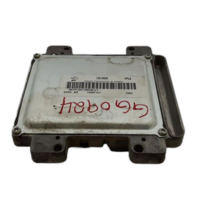
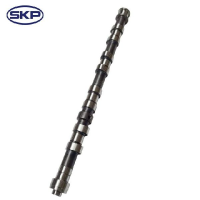
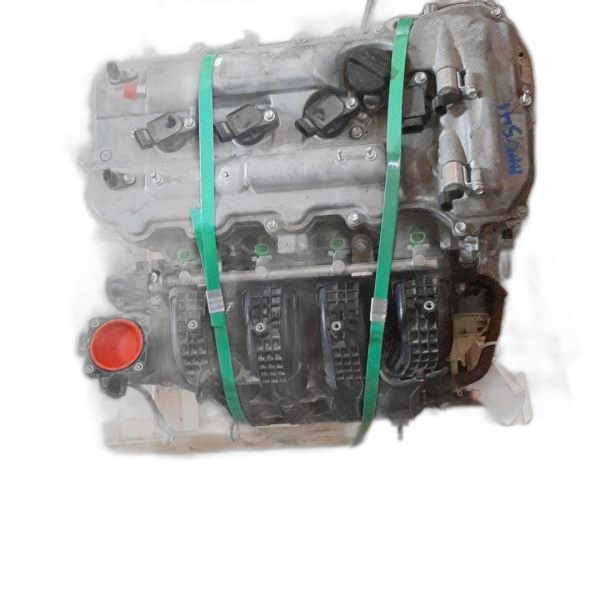
Below are the parts most often responsible for code P1058, ranked by how frequently each one is the actual culprit (per the diagnosis above). Tap any to see what we have for your vehicle.


The information in this article is provided for general reference and educational purposes only. Vehicle specifications, procedures, and part compatibility can vary by production date, trim level, and region. Always consult your vehicle's factory service manual and verify part numbers before purchasing or performing repairs. Safety-critical components such as airbags, seat belts, and braking systems should be installed by a qualified professional.
- 🧭 Diagnostic Flowchart
- 🛍️ Shop This Part
- What Does P1058 Mean?
- Can I Drive With P1058?
- Common Causes
- Symptoms
- Common Fixes & Costs
- Used vs. New Parts: Buying Guide
- What Happens If You Wait — Timeline
- Cost of Not Fixing It
- Diagnosis Steps
- When This Code Triggers (Freeze-Frame Conditions)
- Related Codes
- Climate & Environmental Factors
- How to Talk to a Mechanic About This Code
- Where to Take It: Dealer vs Independent vs Chain
- When to Walk Away From the Repair
- What Scan Tool You Need for This Code
- How to Clear the Code After You Fix It
- Will This Fail Emissions / State Inspection?
- Most Commonly Affected Vehicles
- Manufacturer-Specific Notes
- Real Owner Stories
- 2016 Dodge Grand Caravan at 130K miles - The Classic Misdiagnosis
- 2018 Jeep Wrangler (JL) at 2,500 miles - The Easy Fix
- 2008 BMW 335xi - The Unusual Cause
- How to Prevent This Code From Triggering
- Frequently Asked Questions
- What is Bank 2 on a 3.6L Pentastar engine?
- What is the most common misdiagnosis for P1058?
- Can a bad battery cause a P1058 code?
- Can I just clean the VVT solenoid to fix P1058?
- How much does it cost to fix P1058?
- Will an oil change fix a P1058 code?
- Is the VVT solenoid the same as a camshaft position sensor?
- Is P1058 related to the VVL (Variable Valve Lift) system?
- Key Takeaways
- 🎟️ Get 5% Off